Hot Water Heater Replacement Time Estimator
Select options and click Estimate to see results.
Why this estimate?
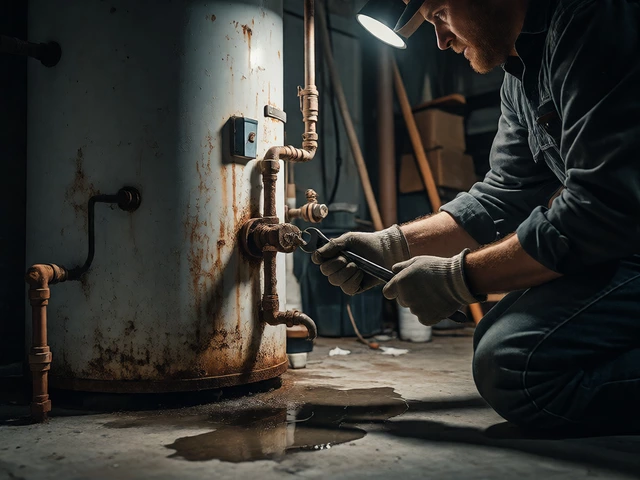
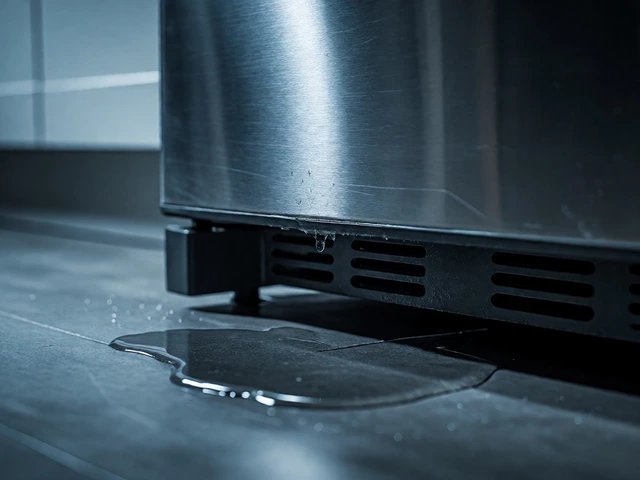
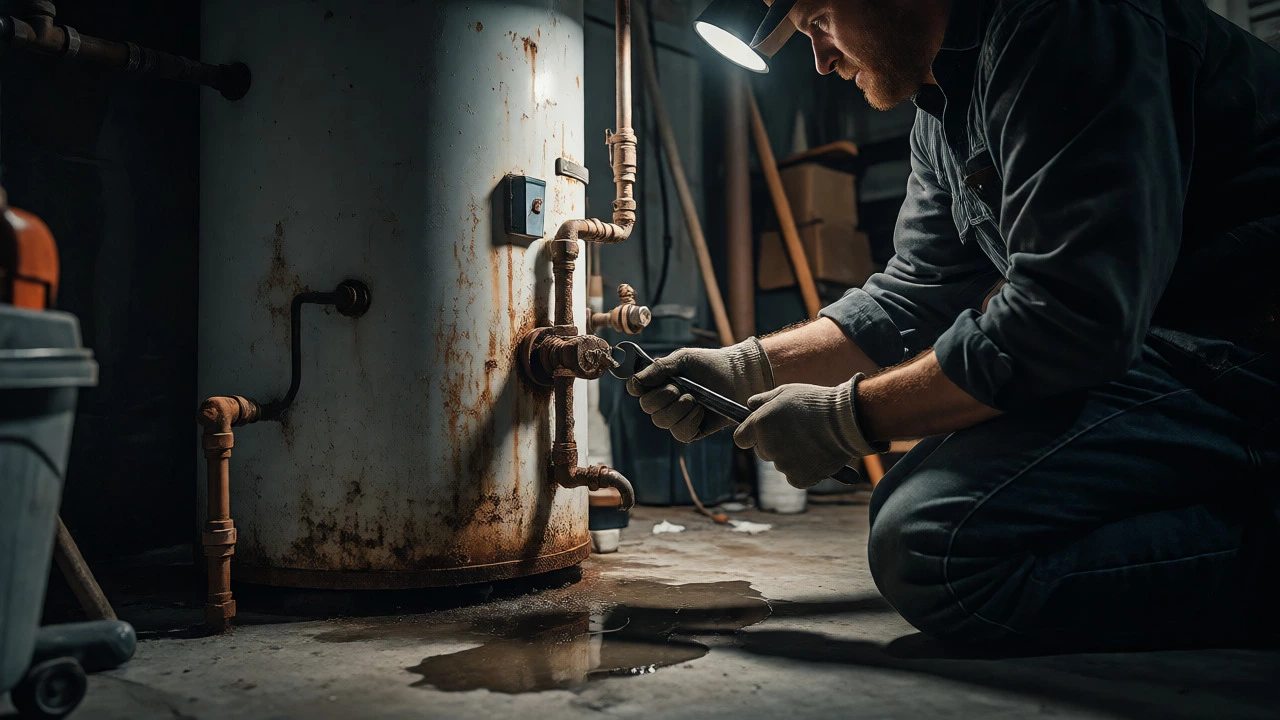
You’re standing in your utility room, staring at the cold puddle spreading from your old hot water heatera household appliance used for heating water for domestic purposes such as washing and space heating. The panic is real. You have guests coming over, or maybe you just need a hot shower before work. The first question on everyone’s mind isn’t "which model should I buy?"-it’s "how long am I going to be without hot water?"
The short answer? For a standard swap, expect 2 to 4 hours of active labor. But that number hides a lot of variables. If you live in an older Wellington home with corroded pipes, add another hour. If you’re switching from a traditional storage tank to a modern tankless systeman on-demand water heater that heats water directly without the use of a storage tank, you might be looking at a full day or even two days of work.
The Standard Replacement Timeline: What Actually Happens
Let’s break down where those hours go. When a licensed plumber arrives to replace a like-for-like unit (swapping an electric storage tank for another electric storage tank), the process is surprisingly mechanical. Here is the typical workflow:
- Preparation and Drainage (30-45 minutes): The plumber shuts off the power and water supply. They connect a hose to the drain valve and empty the tank. This takes time because they need to ensure the water runs clear to check for sediment buildup.
- Disconnection and Removal (15-30 minutes): Once drained, they disconnect the cold water inlet, hot water outlet, and any expansion tanks or pressure relief valves. The old unit is rolled out.
- Site Preparation (15-30 minutes): This is often overlooked. The floor might be stained, or the drip tray needs cleaning. In older homes, the plumber might need to replace rusted nipples or fittings that seized up over the last decade.
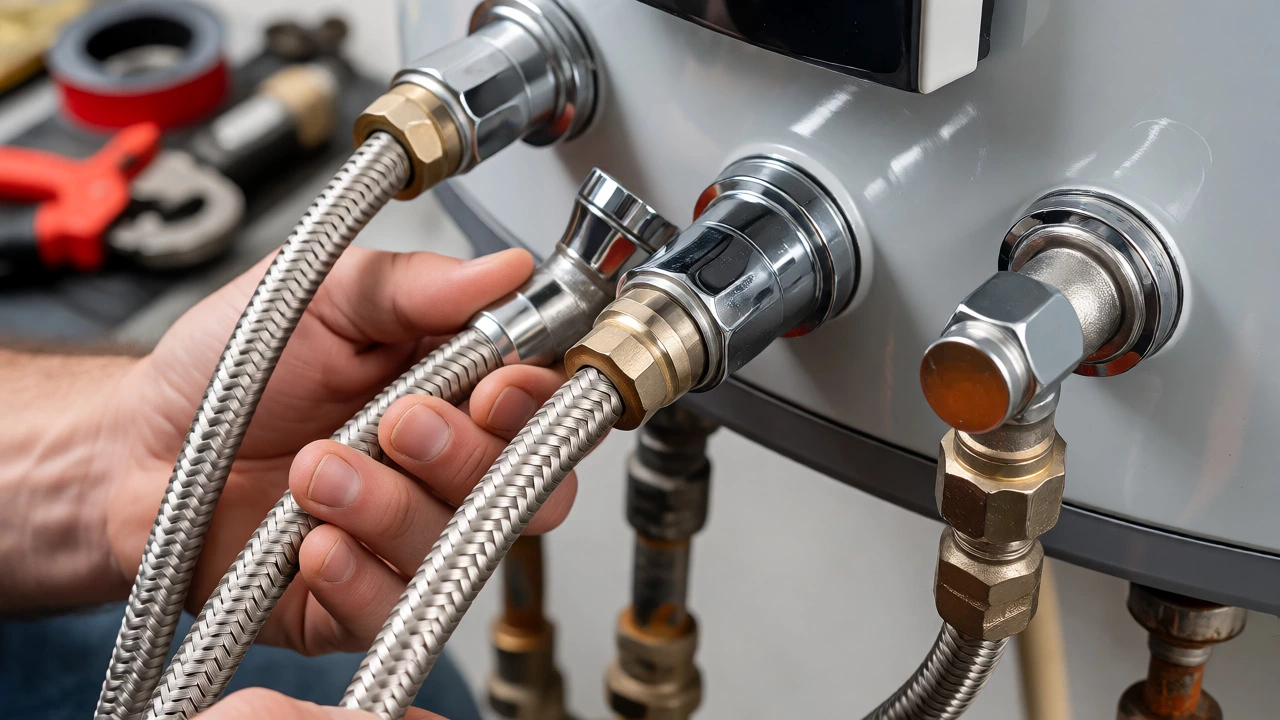
- Installation of New Unit (30-60 minutes): The new heater is positioned. Flexible braided hoses are usually installed here for easier future maintenance. The plumber connects the plumbing lines.
- Electrical Connection (15-30 minutes): For electric models, the wires are connected to the junction box. This must be done carefully to meet NZ electrical standards.
- Filling and Testing (30-45 minutes): The system is filled with water. The plumber checks for leaks at every joint. They then turn on the power and wait for the element to heat the water slightly to confirm it’s working.
If everything goes smoothly, you’ll have hot water again within four hours. But "smoothly" is doing a lot of heavy lifting in that sentence.
Why Your House Might Be Slower Than Your Neighbor’s
Not all installations are created equal. Several factors can stretch that 4-hour window into a 6- or 8-hour ordeal. Understanding these helps you manage expectations-and your budget.
Corroded Plumbing and Seized Fittings
This is the biggest time-sink in New Zealand homes built before 1990. Copper pipes can fuse together due to corrosion, especially if galvanized steel was used in earlier renovations. A plumber might spend 45 minutes just trying to unscrew a single nipple. If they strip the threads, they have to cut the pipe and solder a new fitting. That adds significant time compared to simply twisting a nut.
Access Issues
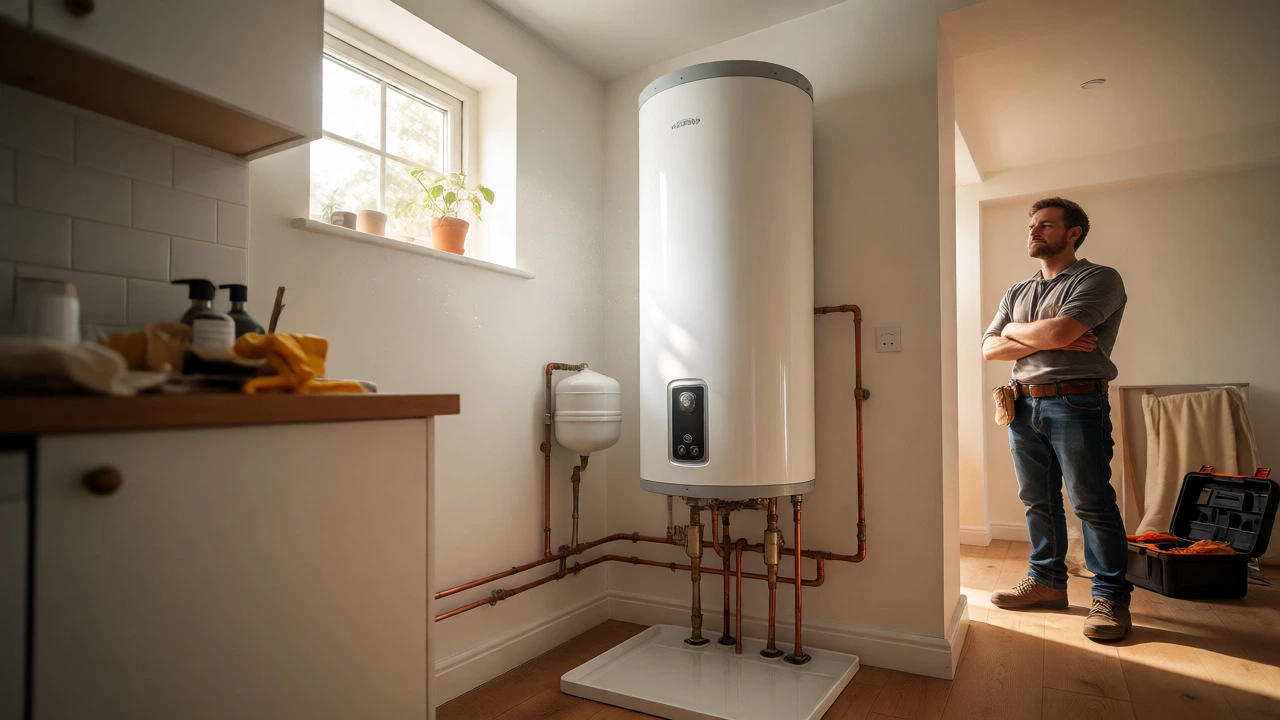
Is your heater in a tight cupboard? Or worse, in a roof cavity? If the plumber has to crawl through a small hatch to remove a bulky 140-liter tank, the job slows down. They can’t swing tools freely, and removing the unit requires careful maneuvering to avoid damaging ceiling plasterboard. Roof-mounted units also require setting up ladders safely, which eats into the billable time.
Code Compliance Upgrades
Building codes change. An installer in 2026 cannot legally hook up a new heater exactly like it was done in 1995. You will likely need an expansion vessela device designed to protect closed water heating systems and domestic hot water systems from excessive pressures if one wasn’t present before. You might also need a thermostatic mixing valve if the temperature exceeds safety limits for showers. Installing these components takes extra time but ensures your insurance remains valid.
Tank vs. Tankless: A Major Time Difference
If you are considering upgrading your system type, the timeline shifts dramatically. Replacing a tank with a tank is a swap. Switching to continuous flowa type of gas or electric water heater that provides hot water on demand (tankless) is a renovation project.
| Scenario | Active Labor Time | Total Project Duration | Complexity Factor |
|---|---|---|---|
| Like-for-Like Electric Storage | 2-4 Hours | Same Day | Low |
| Like-for-Like Gas Storage | 3-5 Hours | Same Day | Medium (Gas Certification) |
| Switching to Electric Continuous Flow | 4-6 Hours | Same Day | High (Wiring upgrades) |
| Switching to Gas Continuous Flow | 6-10 Hours | 1-2 Days | Very High (Venting/Gas Line) |
| Heat Pump Water Heater | 5-8 Hours | 1-2 Days | High (Drainage/Electrical) |
Why does continuous flow take so long? First, the gas line. Older homes often have half-inch gas pipes, but modern high-flow units require three-quarter inch piping. Rerunning this through walls or under floors is messy and slow. Second, venting. Gas tankless units need specific flue configurations. If your existing chimney liner doesn’t match the manufacturer’s specs, the plumber has to install a new concentric vent kit, potentially cutting into external walls.
Electric continuous flow units are faster than gas versions but still slower than tanks. They draw massive amounts of current. You might need an electrician to upgrade your switchboard circuit breaker or run thicker cable from the meter to the heater location. That coordination between the plumber and the electrician can cause delays if schedules don’t align.
Who Is Doing the Work Matters
A DIY enthusiast might think they can save money by handling the swap themselves. While possible for a handy person with plumbing experience, the risks are high. Incorrectly connecting a gas line can lead to carbon monoxide leaks. Poor electrical grounding can trip breakers constantly. More importantly, in New Zealand, gas work must be certified by a registered gasfitter. If you do it yourself, you lose that warranty protection and potential insurance claim validity.
Professional plumbers bring efficiency born from repetition. They have specialized tools-like press-fit jaws for copper or specific wrenches for stubborn unions-that homeowners lack. They also know how to troubleshoot quickly. If the pilot light won’t stay lit on a new gas unit, a pro knows to check the thermocouple alignment immediately. A novice might spend an hour guessing.
The "Wait Time" Factor
Don’t confuse labor time with total downtime. If you call a plumber at 9 AM, they might not arrive until 2 PM because they are finishing another job. Then, after they leave, the new tank needs to fill and heat. An electric 140L tank takes about 1-2 hours to reach usable temperatures. So, even if the plumber finishes at 1 PM, you aren’t showering comfortably until 3 PM.
How to Speed Up Your Replacement
You can’t control how fast the plumber works, but you can control the environment. Here are practical steps to keep the clock ticking efficiently:
- Clear the Area: Remove boxes, coats, and cleaning supplies from around the heater. Give the plumber elbow room. If they have to move stuff, they charge for it.
- Know Your Specs: Have photos of your current setup ready. Show them the brand, model, and connection types. This prevents a return trip for missing parts.
- Check Access: If your heater is in a locked cage or behind a wall panel, unlock it beforehand. If it’s in the roof, ensure the ladder access point is clear.
- Decide Before They Arrive: Don’t stand there while the plumber waits for you to choose a color or capacity. Pre-select your replacement unit. If you want a different size, tell them when booking.
- Plan for Power/Water Off: Warn your household that the water and possibly electricity will be off for several hours. This avoids frantic calls to the plumber asking why the taps are dry.
When Things Go Wrong: Hidden Delays
Sometimes, the delay isn’t the plumber’s fault. It’s the discovery phase. Imagine the plumber opens the wall to run a new pipe and finds asbestos insulation (common in pre-1980s homes). Now, the job stops until an asbestos removal specialist clears the area. Or perhaps they find that the concrete slab under the heater is cracked, requiring a structural assessment before placing a heavy new tank.
Another common issue is part availability. If you ordered a niche brand online, it might not arrive on time. Always ask your plumber to source the unit. They have trade accounts with suppliers who deliver daily. This guarantees the part is there when they are.
Cost vs. Time: Is Faster Better?
You might be tempted to hire the cheapest quote, assuming the price reflects the speed. Often, it doesn’t. A cheaper quote might come from a general handyman rather than a specialized water heater technician. They might take longer because they encounter problems they haven’t seen before. Conversely, a premium service might offer same-day emergency swaps for a higher fee. If you have a broken-down heater and no hot water, paying for priority scheduling saves you the inconvenience of cold showers more than it saves on the invoice.
Remember, time is money. If you rent out a property, every day without hot water could mean lost tenants or compensation claims. In commercial settings, a restaurant without hot water can’t wash dishes, effectively closing the kitchen. For these scenarios, speed is worth the premium.
Final Thoughts on Timing Your Swap
Replacing a hot water heater isn’t rocket science, but it’s not a quick fix either. Plan for a half-day disruption for a standard tank swap. Plan for a full day or more if you’re changing energy sources or dealing with an old, difficult-to-access home. Communicate clearly with your tradesperson, clear your clutter, and manage your expectations regarding when the water actually gets hot.
By understanding the mechanics of the job, you stop worrying about "why is this taking so long?" and start appreciating the care being taken to ensure your new system lasts another ten years.
Can I still use my house while the water heater is being replaced?
Yes, but with limitations. Cold water will still be available for most taps unless the main shut-off affects the whole house. However, you won't have hot water. Toilets and laundry sinks will work fine with cold water. Just remember that you cannot take hot showers or baths during the installation period.
Do I need to be home during the installation?
It is highly recommended. The plumber may need access to the electrical switchboard, the water meter, or other areas inside the home. Additionally, if unexpected issues arise (like leaking joints), they may need permission to perform additional repairs or purchase extra parts. Being present allows for immediate decision-making.
Why did it take longer than the quoted 3 hours?
Common reasons include seized plumbing fittings that required cutting and re-soldering, the need to install new code-compliant components like expansion vessels, difficult access points (e.g., roof cavities), or coordinating with an electrician for wiring upgrades. Weather conditions can also impact outdoor jobs or material deliveries.
How long does it take for the new water to get hot?
For a standard electric storage tank (135-180 liters), it typically takes 1 to 2 hours after installation for the water to reach the set temperature. Gas storage heaters heat up much faster, often providing hot water within 30 to 45 minutes. Continuous flow systems provide instant hot water once the unit is powered on and tested.
Should I replace the flexible hoses too?
Yes, absolutely. Most plumbers will recommend replacing the flexible braided hoses connecting the heater to the mains. These hoses degrade over time and are a leading cause of sudden flooding when they burst. Since they are inexpensive and easy to install during the swap, it is a cheap insurance policy against future damage.