
Extractor Fan Maintenance Scheduler
Calculate Your Maintenance Schedule
Enter your cooking habits and filter type to get a customized maintenance plan. Based on New Zealand Building Research Association guidelines.
Your Maintenance Schedule
Filter Maintenance
- Metal filter cleaning: Every
- Charcoal filter replacement: Every
Critical Checks
- Blade & housing cleaning: Every
- Duct inspection: Every
Important Maintenance Warnings
Consequences of Neglect
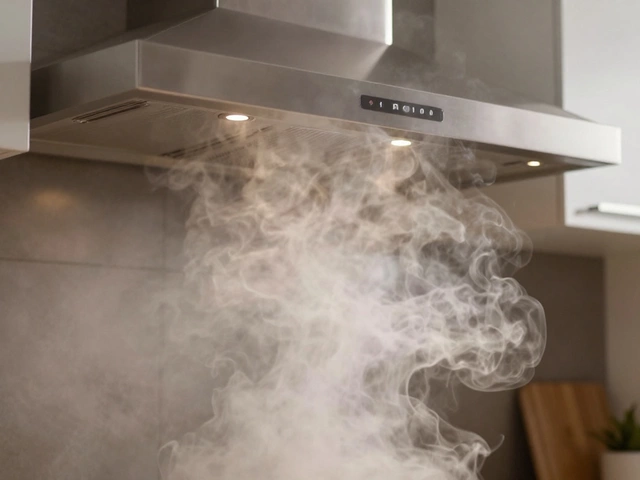
Ever notice how your extractor fan sounds like a jet engine trying to take off every time you turn it on? Or how grease builds up on the walls near your stove even though you clean them weekly? That’s not just dirt-it’s a sign your extractor fan isn’t working right. And yes, extractor fan maintenance isn’t optional. It’s essential.
Why extractor fans fail faster than you think
Extractor fans don’t last forever. Most last between 8 and 15 years, depending on usage and care. But if you never clean them, they can die in under five. That’s because they’re constantly pulling in grease, steam, dust, and cooking particles. Over time, that gunk clogs the motor, weighs down the blades, and blocks airflow. In Wellington, where damp air and frequent cooking are the norm, extractor fans work harder than in drier climates. Humidity turns grease into sticky residue that clings to filters and ducts. If left alone, that residue hardens into a tar-like substance that’s nearly impossible to remove without professional tools. A study by the New Zealand Building Research Association found that kitchens with uncleaned extractor fans had 40% higher indoor air pollution levels than those maintained quarterly. That’s not just unpleasant-it’s a health risk. Long-term exposure to trapped cooking fumes can trigger asthma, irritate eyes and lungs, and even contribute to chronic respiratory issues.What maintenance actually looks like
Maintenance isn’t complicated. It’s three simple things: cleaning, checking, and replacing.- Cleaning the filter-This is the easiest and most important step. Most extractor fans use either metal mesh filters (washable) or charcoal filters (replaceable). Metal filters should be cleaned every 4 to 6 weeks. Pop them out, soak them in hot soapy water with a splash of white vinegar, scrub with a soft brush, rinse, and let dry completely before putting them back. Charcoal filters can’t be cleaned-they need replacing every 3 to 6 months, depending on how often you cook.
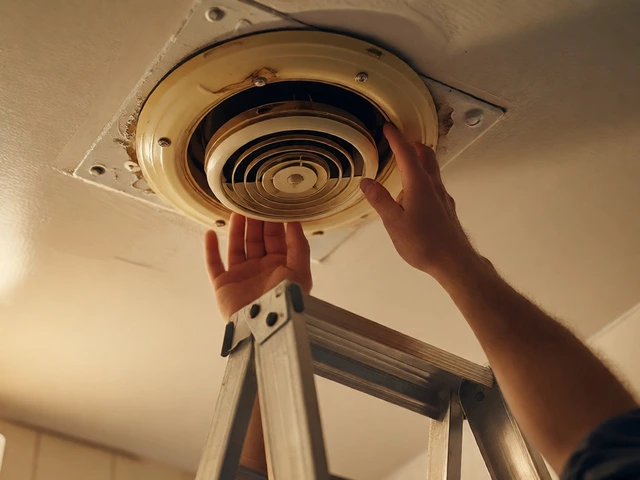
- Cleaning the fan blades and housing-Every 3 to 6 months, turn off the power, remove the cover, and wipe down the blades and inside the housing with a damp cloth and degreaser. Don’t use abrasive pads. Grease buildup here slows the motor and increases vibration, which wears out bearings faster.
- Checking the ductwork-If your fan vents outside (not just recirculates air), the duct should be inspected once a year. Look for kinks, crushes, or nests from birds or rodents. A blocked duct means your fan is working harder to move air, which burns out the motor sooner. Use a vacuum with a long nozzle or hire a pro to snake it out.
Signs your extractor fan needs repair, not just cleaning
Sometimes, cleaning won’t fix the problem. Here’s when you’re looking at repair-or replacement:- Loud grinding or screeching-This isn’t normal noise. It’s usually worn bearings or a damaged motor. If the sound started after a cleaning, you might have misaligned the blades. If it’s gotten worse over time, the motor’s failing.
- Weak airflow-Even after cleaning filters and blades, if smoke lingers or steam doesn’t clear, the motor might be losing power or the duct is clogged.
- Overheating or burning smell-A faint warm smell after long use is normal. A strong, acrid odor means the motor insulation is breaking down. Turn it off immediately. This is a fire hazard.
- Light flickering when the fan turns on-This suggests an electrical fault. Could be a bad capacitor, loose wiring, or overloaded circuit. Don’t ignore this.
What happens if you skip maintenance
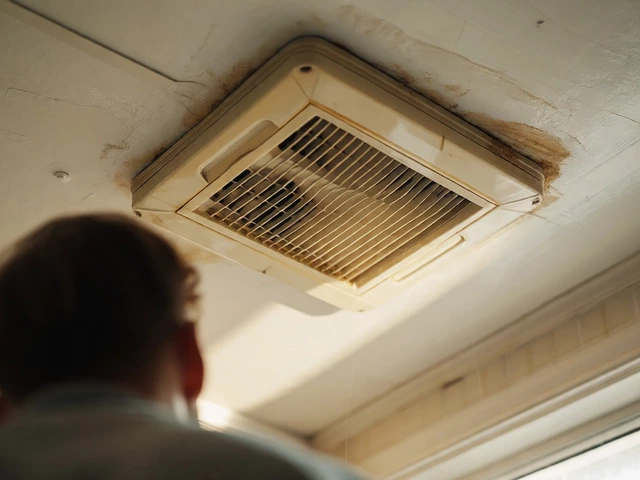
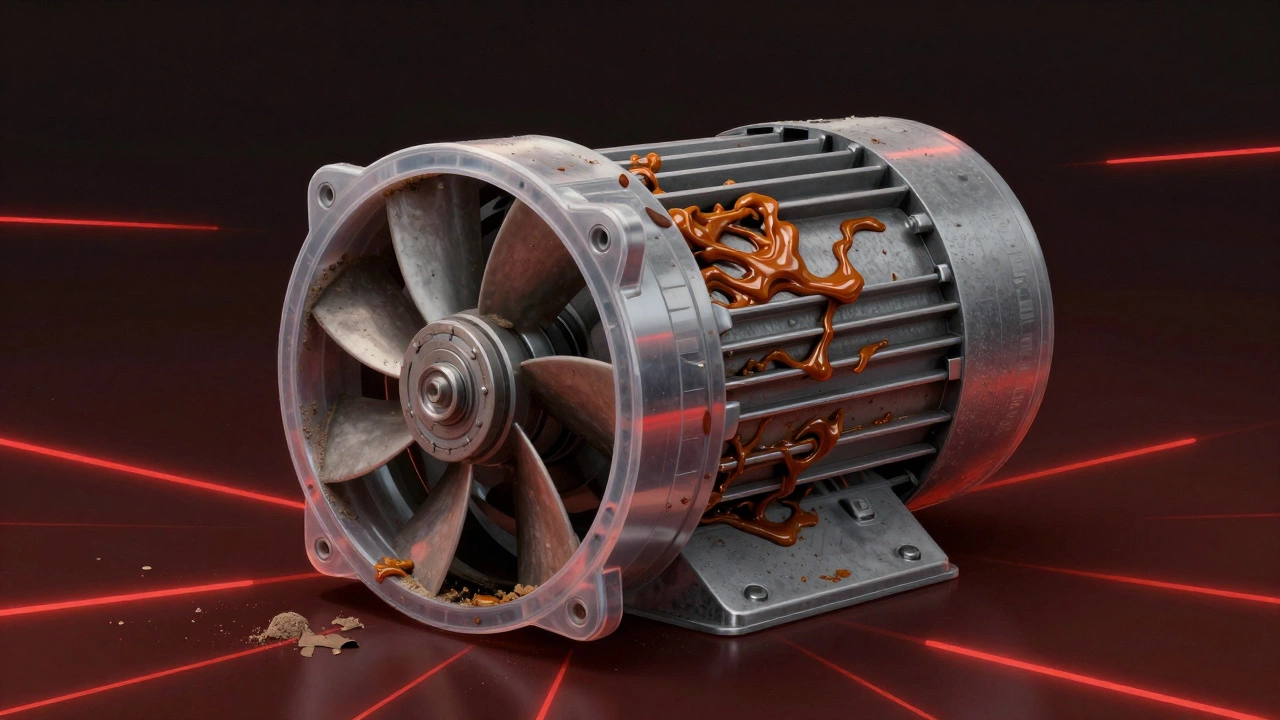
Skipping maintenance doesn’t just mean your kitchen smells bad. It means you’re wasting energy, risking your health, and shortening the life of your appliance. - Higher electricity bills: A clogged fan works 30-50% harder to move the same amount of air. That adds up over time. - Moisture damage: If steam isn’t pulled out, it condenses on walls, ceilings, and windows. That leads to mold, peeling paint, and rotting wood-especially in older homes. - Fire risk: Grease buildup in ducts is flammable. In 2023, the New Zealand Fire Service reported 17 kitchen fires linked to uncleaned extractor fans. Most were preventable. - Costly replacements: A basic extractor fan costs $150-$300. A professional repair for a motor or wiring issue runs $200-$400. But if you wait until it dies completely, you’ll pay $500-$1,000 for a new unit plus installation.When to replace instead of repair
Not every broken fan is worth fixing. Here’s when to cut your losses:- Your fan is over 10 years old and needs a new motor.
- The housing is cracked or rusted through.
- It’s a cheap, no-name brand with no replacement parts available.
- You’re renovating and can upgrade to a quieter, more efficient model.
- Energy Star rating (uses 20% less power)
- Variable speed settings
- Self-cleaning filters or auto-cleaning modes
- Quiet operation (under 40 decibels)

Simple maintenance checklist
Set a reminder on your phone or calendar. Here’s what to do and when:- Every 4-6 weeks: Wash metal grease filters.
- Every 3 months: Wipe blades and housing; replace charcoal filters.
- Every 6 months: Check duct for blockages or pests.
- Every 12 months: Test airflow with a tissue-hold it near the vent. If it doesn’t stick firmly, the fan’s losing power.
FAQ
How often should I clean my extractor fan filter?
If you cook daily, clean metal filters every 4 to 6 weeks. For light cooking (once or twice a week), every 8 weeks is fine. Charcoal filters need replacing every 3 to 6 months-never clean them. If you see grease visibly building up, clean sooner.
Can I clean my extractor fan myself or do I need a pro?
You can handle filter cleaning and surface wiping yourself with basic tools. But if the fan is making loud noises, smells like burning, or isn’t pulling air properly after cleaning, call a technician. Opening the motor housing or checking wiring requires electrical knowledge and safety gear. Don’t risk it.
Do all extractor fans need to vent outside?
No, but they should. Recirculating fans (those with charcoal filters) are common in apartments where ducting isn’t possible. But they’re less effective at removing moisture and odors. If you can vent to the outside, do it. It’s better for air quality and prevents mold.
Is it worth repairing an old extractor fan?
If it’s under 8 years old and the issue is a filter, motor, or wiring, yes. If it’s older than 10 years, or the housing is damaged, replacement is smarter. Newer models are quieter, more efficient, and come with features like timers and sensors that older ones don’t have.
What happens if I don’t clean my extractor fan?
Grease and grime build up, reducing airflow and forcing the motor to work harder. This leads to higher electricity bills, faster wear and tear, and eventually motor failure. Over time, moisture and fumes can cause mold, wood rot, and poor indoor air quality. In worst cases, accumulated grease can ignite and cause a fire.