Extractor Fan Maintenance Estimator
Select your fan's primary use case to determine the optimal cleaning frequency and deep service interval.
Filter Cleaning
--
Deep Service Check
--
You probably don't think about your extractor fan until it starts rattling like a lawnmower or fails to clear the steam from your shower. It’s one of those appliances that quietly works in the background, sucking out moisture, odors, and grease. But here’s the uncomfortable truth: most people never clean theirs. They assume that because it’s just a motor and a blade, it’s maintenance-free. That assumption costs money. A neglected fan loses efficiency, burns more electricity, and eventually seizes up, leading to a costly extractor fan repair or full replacement.
The short answer to "do extractor fans need servicing?" is yes. Absolutely. Unlike a fridge that runs continuously but has sealed components, an extractor fan actively pulls airborne particles into its mechanism. In kitchens, that means grease. In bathrooms, that means mineral deposits from hard water and mold spores. If you ignore this buildup, you’re not just dealing with a noisy appliance; you’re creating a breeding ground for bacteria and risking electrical failure. Let’s break down why this happens, how often you should actually do something about it, and what you can do yourself before calling a pro.
Why Your Extractor Fan Fails Without Care
To understand why servicing matters, you have to look at what the fan is actually doing. An axial fan or centrifugal fan relies on precise rotation to move air. When dust, grease, or grime coats the blades, two things happen immediately. First, the balance of the impeller is disrupted. This causes vibration, which wears out the bearings faster than normal wear would dictate. Second, the airflow is restricted. The motor has to work harder to push the same amount of air through a clogged filter or ducting, drawing more power and generating excess heat.
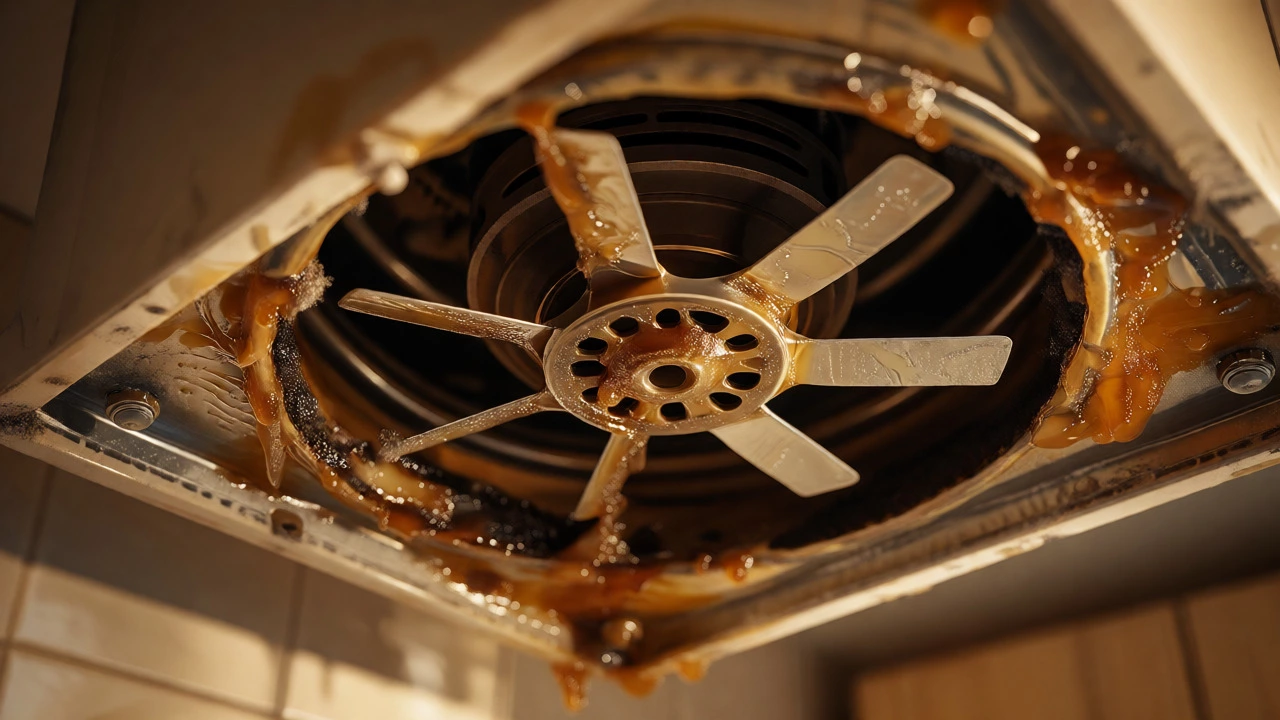
In a kitchen setting, the enemy is grease. Even if you have a metal mesh filter catching the bulk of it, microscopic oil droplets bypass the filter and coat the internal fan housing and blades. Over time, this turns into a sticky, tar-like substance that gums up the motor shaft. In bathrooms, the issue is humidity. Moisture condenses inside the unit, mixing with dust to form a sludge that promotes corrosion on the motor windings and electrical contacts. This is why bathroom fans often fail due to electrical shorts rather than mechanical seizure.
Servicing Frequency: How Often Is Enough?
There isn’t a single rule for every home. Your usage patterns dictate the schedule. A family that cooks five-course meals daily generates significantly more grease load than a household that mostly microwaves leftovers. Similarly, a bathroom used for long, hot showers by multiple people will accumulate mineral scale much faster than a guest powder room used once a week.
| Usage Scenario | Cleaning Frequency | Deep Service Check |
|---|---|---|
| Heavy Kitchen Use (Daily Cooking) | Monthly filter wash | Every 6 months |
| Moderate Kitchen Use (3-4 times/week) | Quarterly filter wash | Annually |
| Standard Bathroom (Daily Showers) | Every 3-6 months | Annually |
| Guest Bathroom/Low Use | Twice a year | Every 2 years |
Think of the monthly or quarterly tasks as basic hygiene-like brushing your teeth. The annual deep service is the dentist visit. During a deep check, you aren’t just wiping surfaces; you’re inspecting the integrity of the ducting, checking for loose wiring, and ensuring the backdraft damper (the flap that stops cold air coming in when the fan is off) is moving freely. If that damper sticks shut, your fan fights against negative pressure, straining the motor. If it sticks open, you lose heat in winter and gain pests in summer.
The DIY Deep Clean: What You Can Actually Do
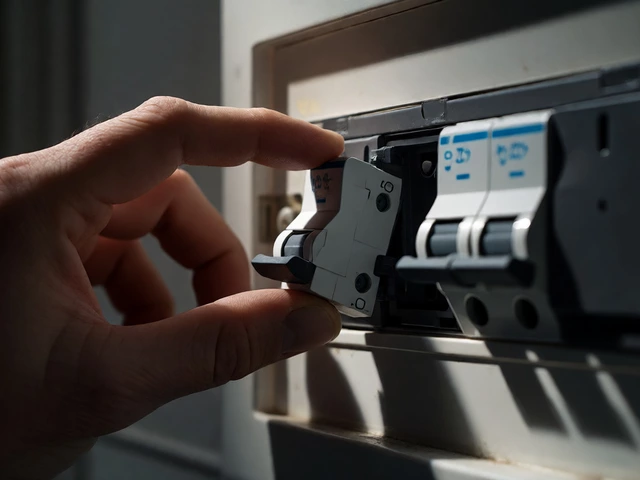
Most homeowners stop at washing the visible filter. While important, that’s only half the battle. To truly service an extractor fan, you need to access the internal components. Safety first: always turn off the power at the circuit breaker, not just the wall switch. Capacitors in some motors can hold a charge, so waiting a few minutes after cutting power is wise.
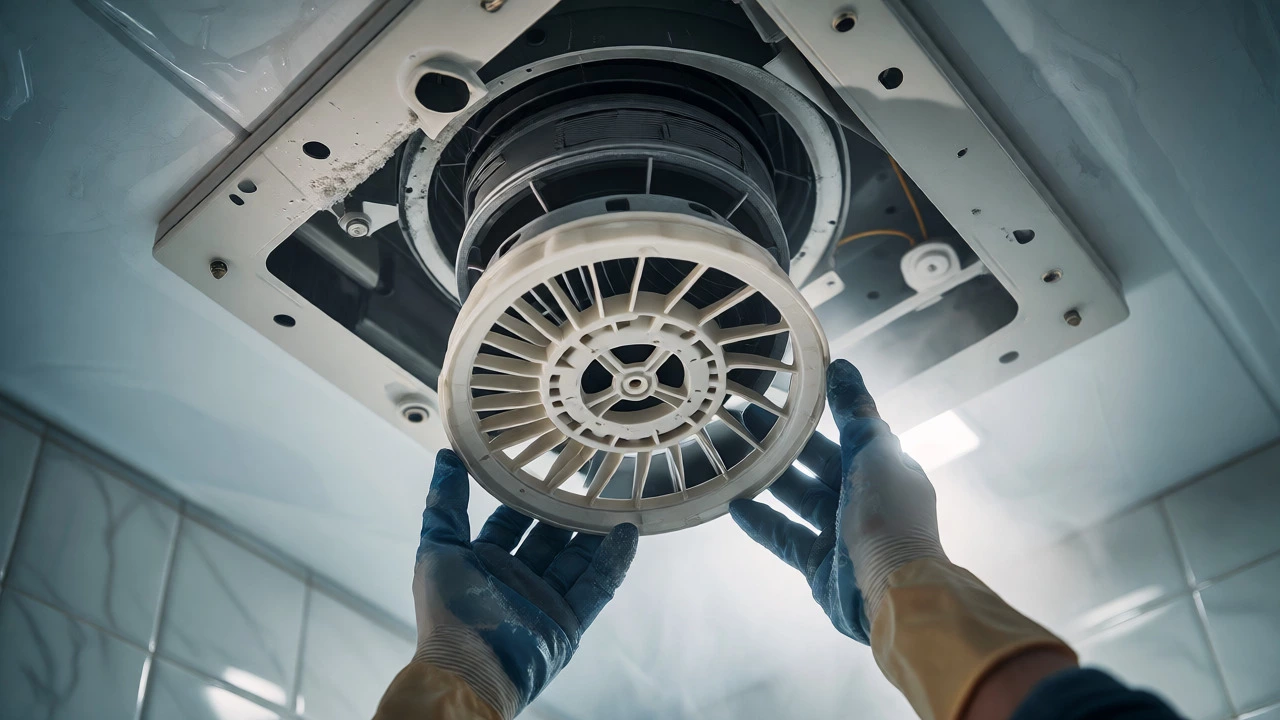
For ceiling-mounted units, you’ll typically need a screwdriver to remove the cover. Once open, you’ll see the motor assembly and the impeller. Here is the step-by-step approach:
- Remove the Impeller: Most fans allow you to unscrew or unclip the plastic or metal fan wheel. Take it to a sink or bathtub.
- Soak and Scrub: For kitchen fans, use a degreaser or hot soapy water with dish soap. For bathroom fans, white vinegar helps dissolve mineral deposits. Let it soak for 15 minutes, then scrub gently with a soft brush. Avoid abrasive pads that scratch plastic, as scratches trap dirt later.
- Clean the Housing: Wipe down the interior casing with a damp cloth. Get into the corners where dust bunnies hide. Vacuum any loose debris from the motor vents using a brush attachment.
- Lubrication (If Applicable): Some older or high-end models have oil ports on the motor. If yours does, add a drop of lightweight machine oil (not WD-40, which attracts dust). Modern sealed bearings usually don’t need this.
- Check the Ducting: Look at the flexible hose connecting the fan to the outside vent. Is it crushed? Is there visible mold? If the duct is kinked, straighten it. Airflow restriction here is a silent killer of fan efficiency.
Reassemble everything tightly. Loose screws cause vibration noise, which is often mistaken for a failing motor. Test the unit. If it runs smoothly and quietly, you’ve just extended its life by another year or two.
Signs You’ve Waited Too Long
If you’ve skipped servicing for years, you might be past the point of simple cleaning. How do you know if you need professional extractor fan repair instead of DIY maintenance? Listen to the sound. A high-pitched whine usually indicates bearing failure. A grinding noise suggests the impeller is rubbing against the housing due to warping or misalignment. If the fan doesn’t start at all, check the capacitor-a small component that gives the motor the initial jolt to spin. Replacing a capacitor is cheap ($10-$20 part cost), but diagnosing it requires multimeter skills.
Another red flag is persistent odor despite cleaning. This often means mold has grown inside the ductwork, far beyond the reach of a standard vacuum. Professional technicians can snake the ducts and apply antimicrobial treatments. Also, watch for excessive heat. If the motor housing feels too hot to touch after ten minutes of running, the thermal cut-out may be tripping frequently, signaling impending burnout.
Kitchen vs. Bathroom: Different Enemies, Same Solution
While the mechanics are similar, the contamination differs enough to change your approach. Kitchen extractors deal with organic fats. These bind with dust to create a heavy, adhesive sludge. Standard detergents work, but enzymatic cleaners are better at breaking down protein-based grease bonds. Bathroom extractors face inorganic minerals and biological growth. Bleach solutions kill mold but can corrode aluminum parts if left too long. Enzymatic cleaners are safer for plastics and seals.
Consider the placement. A cooker hood integrated into cabinetry often has easier access to filters but harder access to the motor. Ceiling inline fans are hidden above joists, making them trickier to reach. If your ceiling fan is difficult to access without specialized ladders or tools, weigh the risk of falling against the cost of hiring a handyman. Sometimes, paying $80-$150 for a professional clean is cheaper than an urgent call to the ER.
When to Replace Instead of Repair
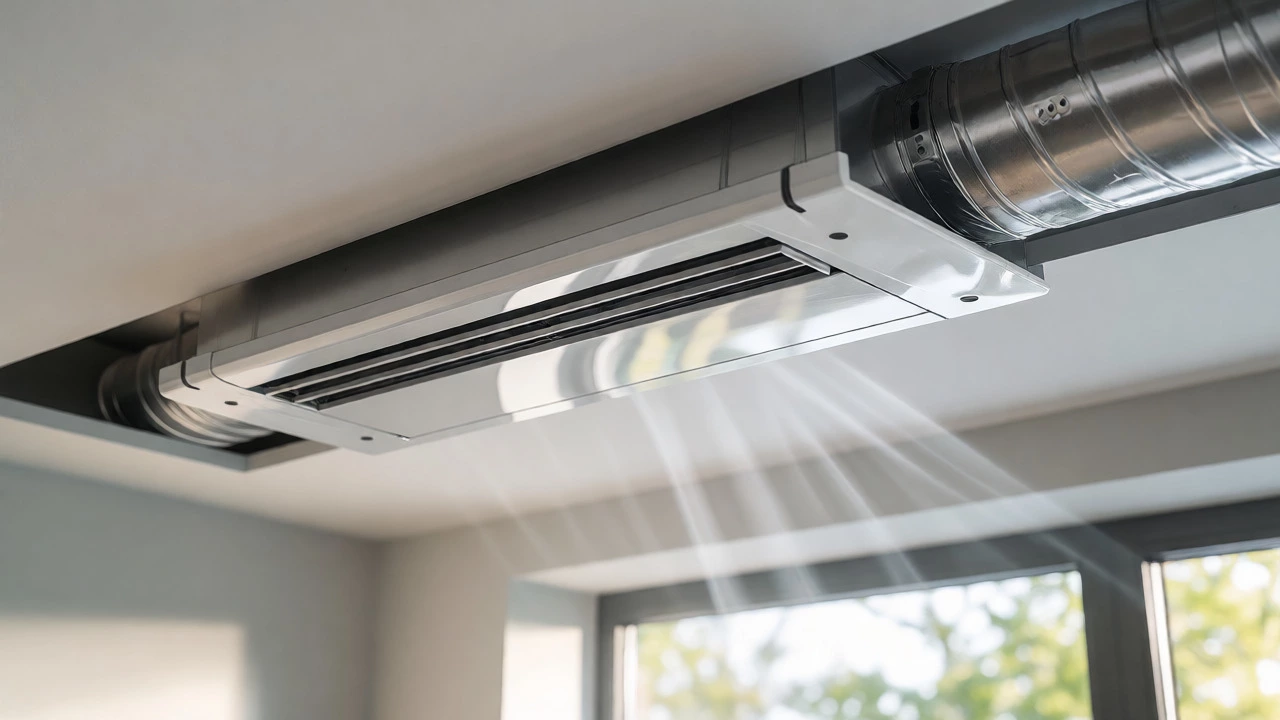
Servicing extends life, but it doesn’t make old tech immortal. Most extractor fans have a lifespan of 7-10 years. If your unit is over a decade old and requires frequent repairs, replacement is often more economical. Newer models are significantly quieter and more energy-efficient. Look for units with low sone ratings (below 1.5 sones is whisper-quiet) and DC motors, which offer variable speed control and lower power consumption compared to traditional AC motors.
Also, consider smart features. Some modern fans include humidity sensors that automatically activate the fan when moisture levels rise, preventing mold growth without you having to remember to switch it on. This automation reduces manual intervention and keeps the environment drier, indirectly reducing the grime buildup that necessitates servicing.
Frequently Asked Questions
Can I use WD-40 on my extractor fan?
Generally, no. WD-40 is a solvent and water displacer, not a lubricant. It evaporates quickly and leaves behind a residue that attracts dust and grit, which can accelerate wear on bearings. Use a dedicated electric motor oil or silicone-based lubricant if your model has oil ports.
How do I know if my fan duct is blocked?
If the fan sounds loud but doesn’t seem to pull air effectively, the duct is likely blocked. You can test this by holding a piece of tissue paper near the intake while the fan is running. If it doesn’t stick firmly, airflow is poor. Visually inspect the external vent cap outside your home to ensure birds or rodents haven’t nested there.
Is it dangerous to run a dirty extractor fan?
It can be. Grease buildup in kitchen fans is highly flammable. In extreme cases, overheating motors can ignite accumulated fat deposits. Additionally, mold spores circulated by a dirty bathroom fan can aggravate allergies and respiratory issues, particularly for children and the elderly.
How much does professional extractor fan servicing cost?
In 2026, expect to pay between $80 and $150 for a thorough professional cleaning and inspection. This price varies based on location and accessibility. Complex duct systems or high-ceiling installations may incur additional labor charges.
Should I replace the carbon filters in my recirculating hood?
Yes, absolutely. Carbon filters cannot be washed; they must be replaced. Their effectiveness diminishes over time as the pores become saturated with odors. Typically, these need replacing every 3-6 months depending on cooking frequency. Ignoring this renders the recirculation mode useless.