NZ Hob Replacement Decision Tool
Answer the questions below to determine if you can legally and safely replace your hob yourself, or if you must hire a registered electrician.
Recommendation
Risk LevelEstimated Cost
$0 - $0
Based on Wellington/NZ average rates.Key Action
Action required
Why this decision?
You just bought a shiny new induction hob. It’s sleek, it’s fast, and you’re itching to get cooking. But then the question hits you: do you need an electrician to swap out your old unit for this new one? In New Zealand, the answer isn't always a simple "yes" or "no." It depends entirely on what kind of connection your current kitchen has and whether you are moving anything behind the wall.
Here is the hard truth: electricity in our homes doesn’t care about your DIY enthusiasm. It kills. While changing a lightbulb is safe for most homeowners, swapping a high-power appliance like a hob involves serious amperage. If you get it wrong, you risk fire, shock, or voiding your insurance policy. Let’s break down exactly when you can grab your screwdriver and when you need to pick up the phone to call a pro.
The Golden Rule: Check Your Connection Type
Before you even think about buying tools, look at how your old hob is connected. This is the single biggest factor in deciding if you need a licensed tradesperson. In Wellington and across NZ, hobs generally connect in one of two ways: via a plug socket or a hardwired junction box.
If your old hob plugged into a standard 15-amp socket (the big, chunky ones often found near ovens), you might be in luck. Replacing a plug-in appliance with another plug-in appliance of similar power rating is usually a DIY job. You unplug the old one, remove the screws holding it to the benchtop, lift it out, place the new one in, and plug it in. No wires were touched. No circuits were opened. As long as the new hob fits the same cutout and uses the same voltage, you are legally allowed to do this yourself under NZ regulations.
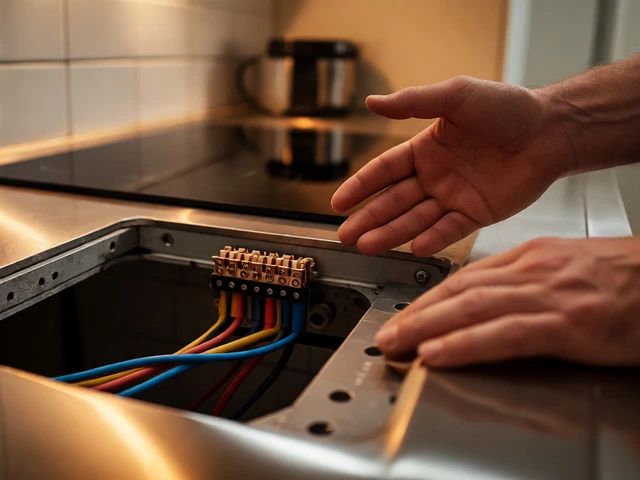
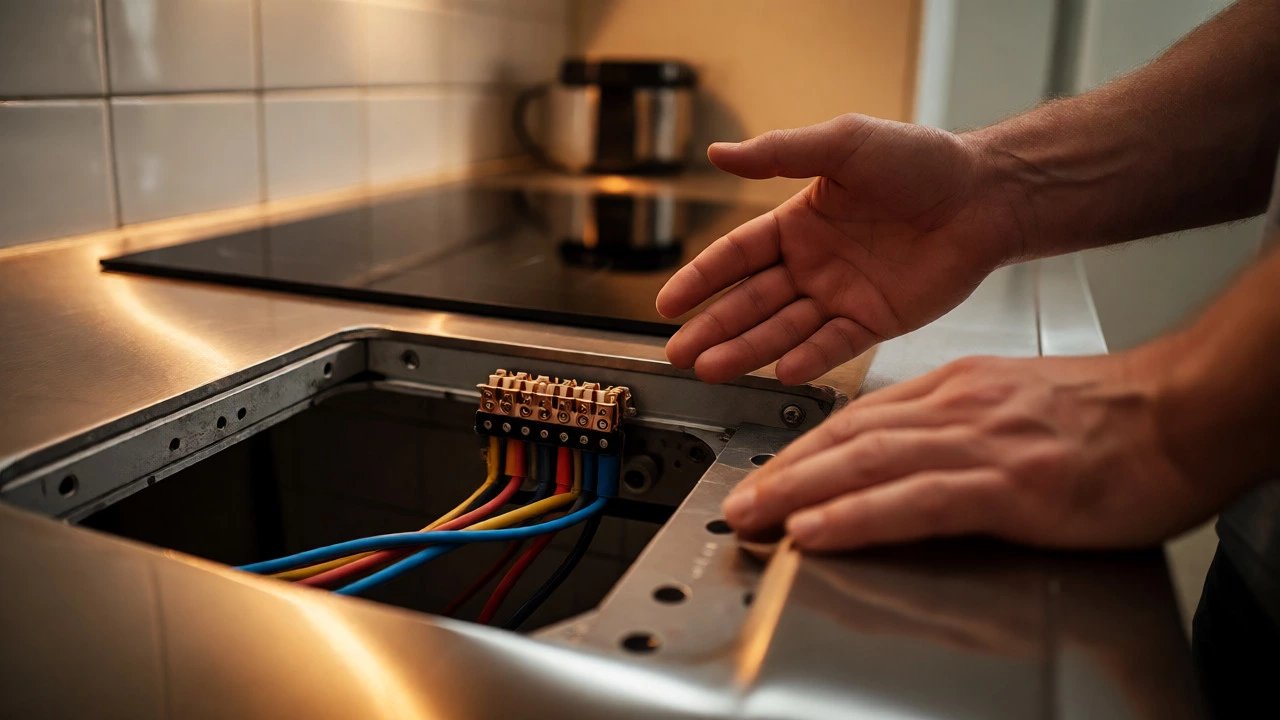
However, if your hob is hardwired directly into the wall or cabinet via a terminal block, things change. Hardwiring means there are no exposed plugs. The live, neutral, and earth wires go straight from your home’s circuit breaker into the appliance. To replace this, you have to disconnect these wires. Once you touch those terminals, you are working inside the fixed wiring system. This is where the rules get strict.
When You Absolutely Must Hire an Electrician
There are specific scenarios where hiring a registered electrician isn't just recommended-it's mandatory by law. Under the Electricity Act 1992 in New Zealand, certain electrical work must be carried out by a licensed practitioner. Here is when you fall into that category:
- Hardwired Connections: If you need to disconnect or reconnect wires at the junction box, you need a licensed electrician. Even if you know which wire goes where, doing it without certification can cause issues later if you sell your house or make an insurance claim.
- New Circuit Installation: Did your old hob run off a 32-amp circuit, but your new induction hob requires a dedicated 40-amp circuit? If you need to run new cable from the switchboard or upgrade the breaker, that is fixed wiring work. Only a pro can handle this safely and correctly.
- Moving the Appliance: Are you renovating? If you are physically moving the hob to a different location on the island bench, you are altering the layout of your fixed wiring. This requires professional planning to ensure the cables aren't pinched, kinked, or too short.
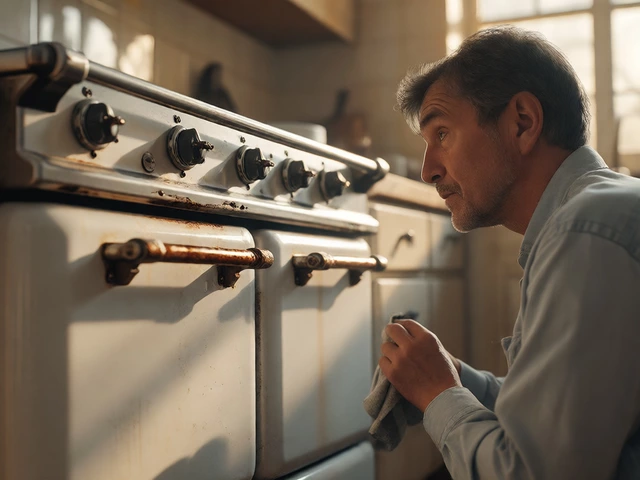
- Unknown Wiring History: If you live in an older character home in Thorndon or Mount Victoria, your wiring might be original cloth-and-rubber or lead-insulated. These materials degrade over time. An electrician can assess if the existing cabling can handle the load of a modern high-wattage hob.
The Risks of DIY Electrical Work
Why are we so strict about this? Because a hob draws a lot of power. A typical four-zone electric hob can pull between 7,000 and 11,000 watts. That is roughly 30 to 48 amps at 230 volts. For context, a toaster uses about 10 amps. Pushing that much current through loose connections creates heat. Heat leads to arcing. Arcing leads to fires.
I’ve seen plenty of cases where a homeowner tightens a terminal screw just a fraction too loosely. At first, everything works fine. Six months later, the insulation melts because the resistance at that loose point generated enough heat to cook the plastic. By the time you smell smoke, the damage is done. Worse, if you reverse the polarity (swap live and neutral) on a device with a smart control board, you can fry the electronics instantly. Induction hobs are essentially computers with heating elements; they are sensitive to bad wiring.
| Scenario | Can You DIY? | Risk Level | Recommended Action |
|---|---|---|---|
| Swapping Plug-in Hob for Plug-in Hob | Yes | Low | Ensure socket rating matches hob requirements. |
| Swapping Hardwired for Hardwired (Same Location) | No (Technically) | High | Hire electrician to disconnect/reconnect safely. |
| Replacing Old Fuse Wire with Modern Cable | No | Very High | Electrician must upgrade circuit capacity. |
| Installing New Hob in New Cabinet Cutout | No | Medium-High | Check clearance and ventilation before wiring. |
Cost vs. Safety: Is It Worth Saving 0?
Let’s talk numbers. In Wellington, calling out a local electrician for a straightforward hob swap typically costs between $150 and $250, depending on accessibility and complexity. Compare that to the cost of a new induction hob, which ranges from $800 to over $3,000. Does saving $200 justify the risk?
If you are handy and confident, you might feel tempted to watch a YouTube tutorial and give it a go. But consider the hidden costs. If you strip a thread in the terminal block, you might need a new part. If you trip the RCD (Residual Current Device) and can’t find the fault, you’ll still need to call an electrician-now paying them to diagnose your mistake plus fix it. Plus, if you ever decide to sell your home, the building inspector will ask for an Electrical Compliance Certificate (CoC) for any recent electrical work. Without one, you might face delays or requests to re-do the work properly.
What to Look for in a Qualified Electrician
Not all tradespeople are created equal. When you search for someone to install your hob, don’t just pick the cheapest quote. You want someone who understands appliances, not just general wiring. Ask these questions:
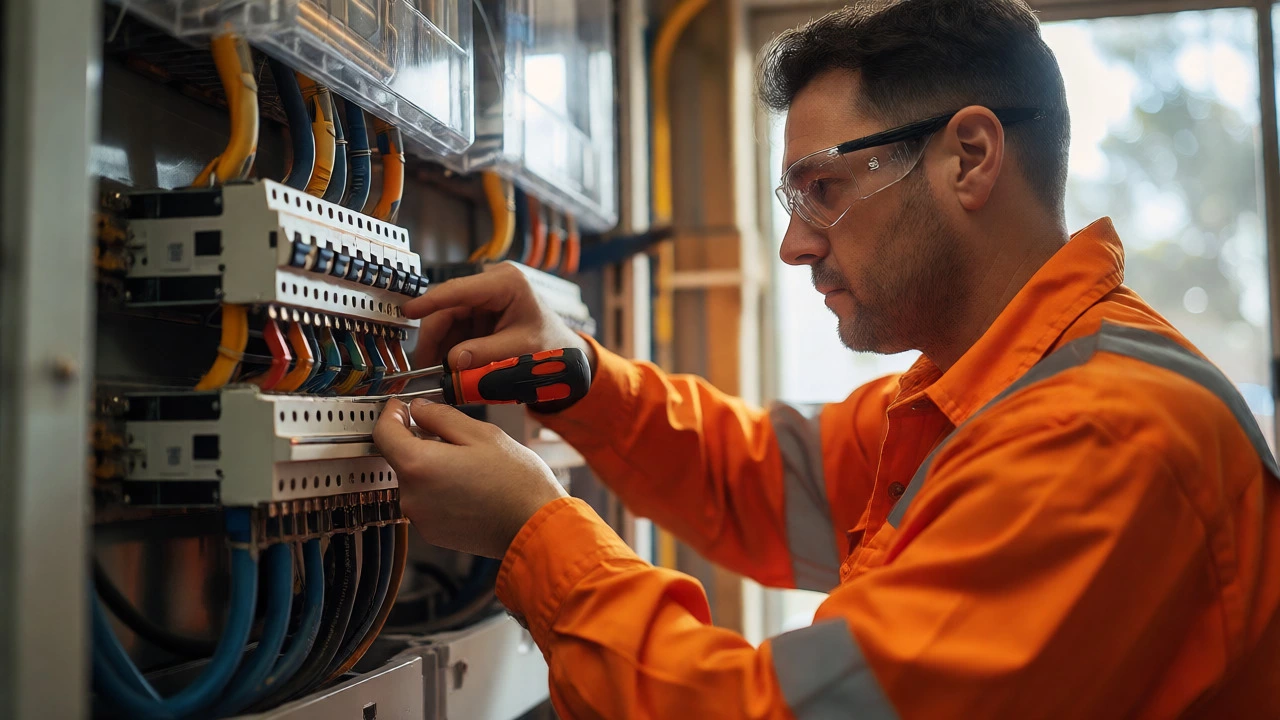
- Are you registered? Verify their license number on the Electrical Workers Registration Board (EWRB) website. Anyone can call themselves a "sparky," but only registered electricians can sign off on compliance certificates.
- Do you provide a CoC? Ensure they issue a Certificate of Compliance upon completion. This document proves the work meets NZS 3000 standards.
- Have you installed this brand before? Some brands like Miele, Bosch, or Fisher & Paykel have specific mounting brackets or ventilation requirements. Experience matters here.
A good electrician will also check your existing circuit. They’ll look at the switchboard to see if the breaker is appropriately sized. If you’re upgrading from a slow ceramic hob to a fast induction model, the demand profile changes. Induction heats up quickly, drawing peak power faster. An electrician can confirm your wiring can handle that surge without tripping the main fuse.
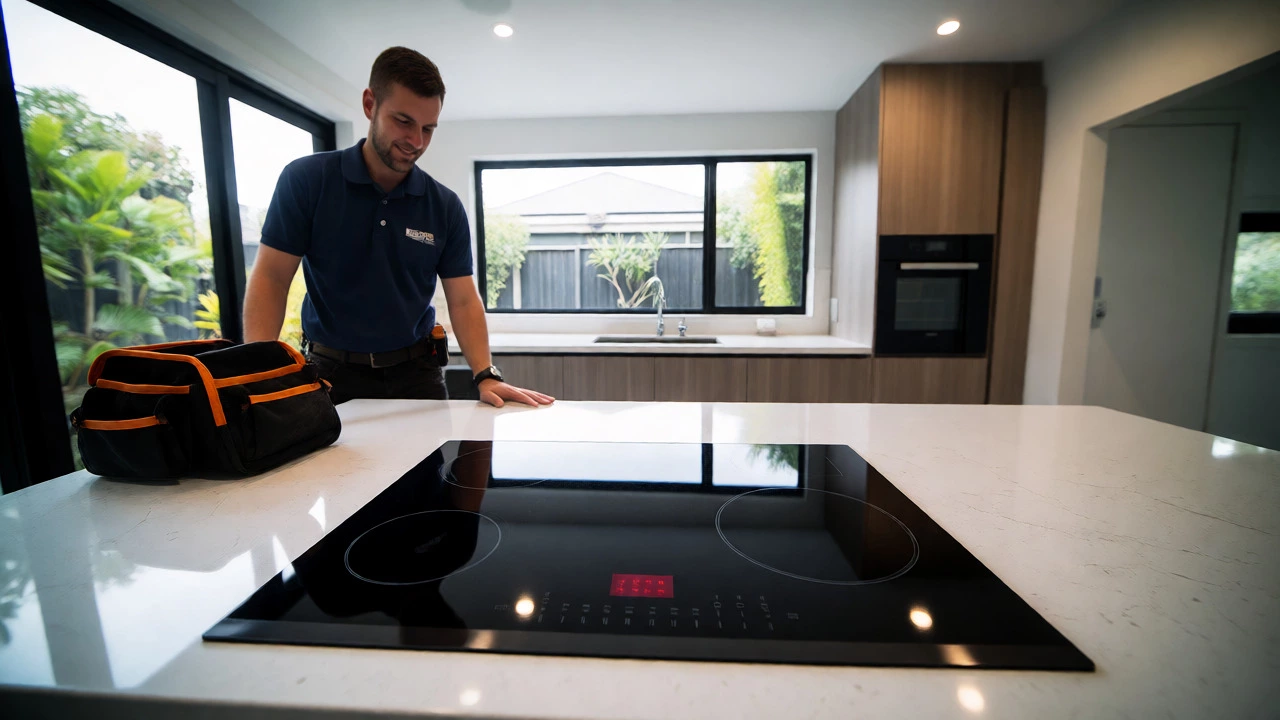
Preparation Tips Before the Pro Arrives
To keep costs down and the job smooth, do some prep work yourself. This saves the electrician time, which translates to money saved for you.
- Clear the Area: Remove all pots, pans, and small appliances from the benchtop. Give the installer elbow room.
- Measure the Cutout: Double-check that your new hob actually fits the hole in your benchtop. If it doesn’t, you’ll need a carpenter or joiner, not just an electrician. Measure width, depth, and corner radius.
- Check Ventilation: Most hobs need airflow underneath. Ensure your cabinet design allows for this. If you’re replacing a built-under oven setup, make sure the space below is clear.
- Turn Off Power: Locate your switchboard and identify the breaker for the kitchen ring main or hob circuit. Label it clearly so the electrician knows which one to isolate immediately.
Remember, an electrician’s hourly rate starts ticking the moment they arrive. Being prepared shows respect for their time and ensures the job gets done efficiently.
Final Thoughts on Your Decision
So, do you need an electrician? If you are dealing with hardwired connections, new circuits, or old wiring, the answer is yes. It’s not about lacking skill; it’s about liability and safety. Electricity is unforgiving. For plug-in swaps, you can save the cash and enjoy the satisfaction of a quick DIY win. For anything involving opening a junction box, hand it over to the pros. Your peace of mind-and your home’s safety-is worth far more than the cost of a service call.
Can I replace an electric hob myself in New Zealand?
You can replace a hob yourself only if it connects via a plug and socket, and you are not altering the fixed wiring. If the hob is hardwired, or if you need to change the circuit breaker size, you must hire a registered electrician to comply with the Electricity Act 1992.
How much does it cost to have an electrician replace a hob?
In major NZ cities like Wellington, expect to pay between $150 and $250 for a standard replacement. Costs increase if new cabling is required, if the switchboard needs upgrading, or if the installation is difficult to access.
What happens if I install a hob incorrectly?
Incorrect installation can lead to overheating, melted wiring, electrical fires, or damaged appliance electronics. Additionally, improper work may void your home insurance policy if a claim arises related to the electrical fault.
Do induction hobs require special wiring?
Induction hobs often require higher amperage circuits (typically 32A or 40A) compared to older ceramic hobs. While the physical connection might look the same, the existing wiring must be rated to handle the increased load without overheating. An electrician verifies this compatibility.
Is a Certificate of Compliance necessary for a hob replacement?
Yes, if the work involves fixed wiring (hardwiring), a registered electrician must issue a Certificate of Compliance (CoC). This document certifies that the installation meets NZS 3000 standards and is essential for future property sales and insurance purposes.