🛠️ Extractor Fan: Repair vs. Replace Calculator
Fan Details
Recommendation & Costs
Analyze Your Fan
Adjust the sliders to see if you should fix or replace.Estimated Cost Comparison
Waiting for data... Adjust the inputs above to calculate the best option for your specific situation.
Your kitchen or bathroom fan has been running quietly in the background for years. You probably only notice it when it stops working or starts making that annoying rattling noise. But how long should it actually last? If you're wondering about the life expectancy of an extractor fan, the short answer is usually between 10 and 20 years, depending on where it’s installed and how hard you work it.
However, 'average' can be misleading. A fan in a dry office might outlast one in a steamy bathroom by a decade. Understanding what kills these units early helps you decide whether to fix yours now or just budget for a replacement before it fails completely.
The Realistic Lifespan Range
Most manufacturers rate their residential extractor fans for roughly 10 to 15 years of continuous use. This estimate assumes standard operating conditions: moderate humidity, regular cleaning, and no physical damage. In practice, we see three distinct categories:
- Bathroom Fans: These typically last 8-12 years. High humidity accelerates corrosion on metal parts and degrades electrical insulation faster than in drier environments.
- Kitchen Range Hoods: These often last 12-20 years. While grease is a major enemy, many modern hoods have better seals against moisture. The main failure point here is usually the grease buildup clogging the impeller rather than the motor itself dying immediately.
- Utility/Storage Room Fans: These can easily hit 20+ years because they run less frequently and face lower environmental stress.
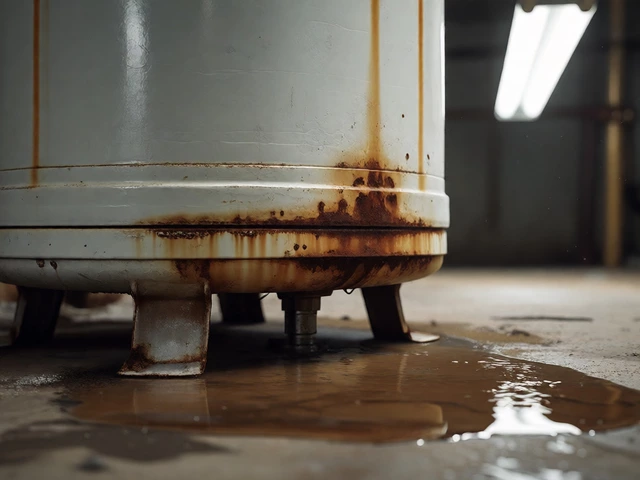
- Moisture and Corrosion: In bathrooms, condensation settles inside the housing. Over time, this rusts the mounting brackets and corrodes the terminal blocks. If the internal components get wet, the motor windings can short-circuit.
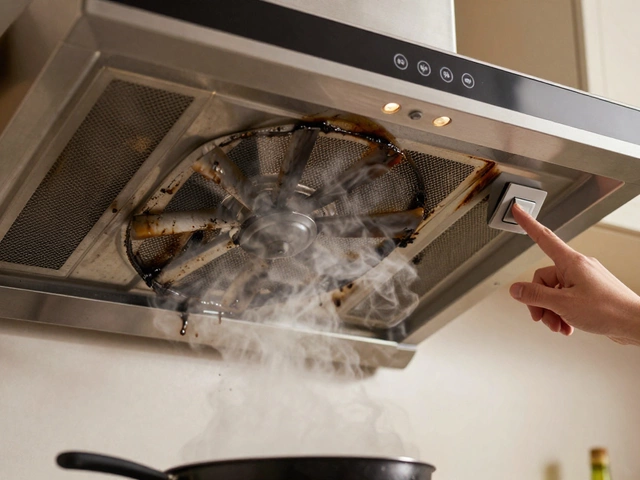
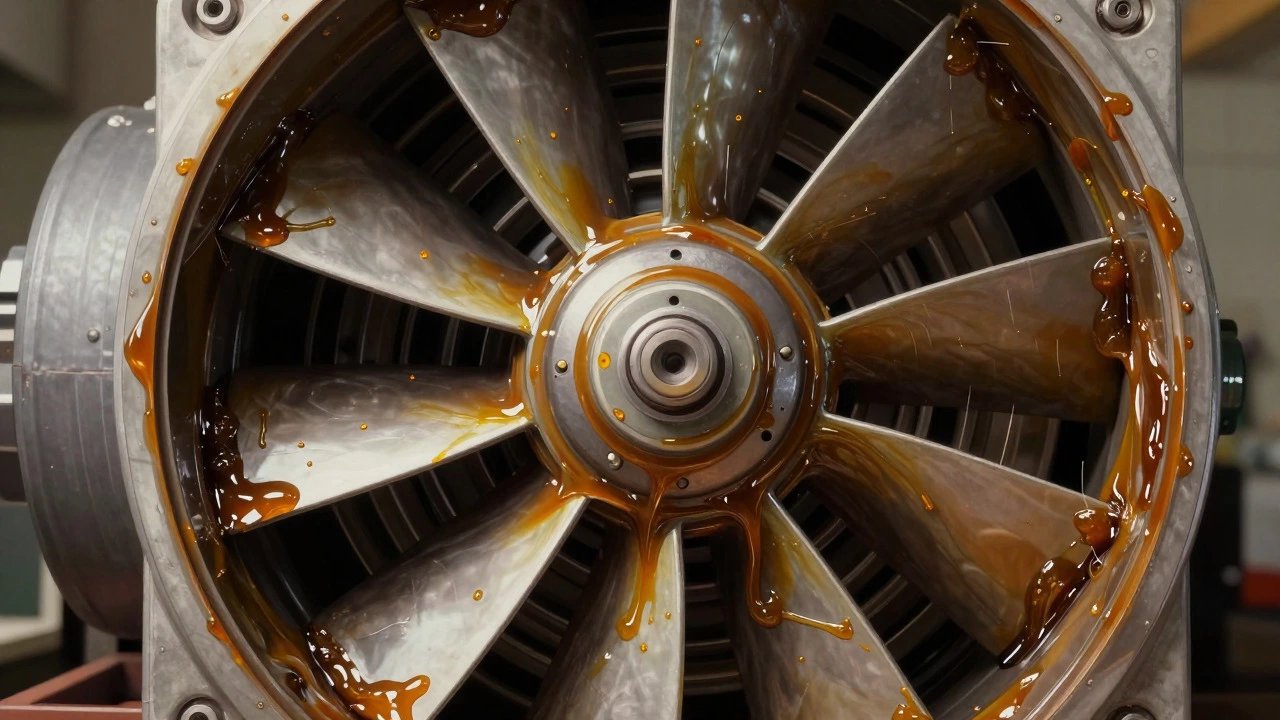
- Grease Buildup (Kitchen): Grease isn't just ugly; it's heavy. As it accumulates on the fan blades, it changes the balance of the rotor. An unbalanced fan vibrates more, which puts extra stress on the motor bearings. Eventually, the bearing seizes up, and the motor burns out from the strain.
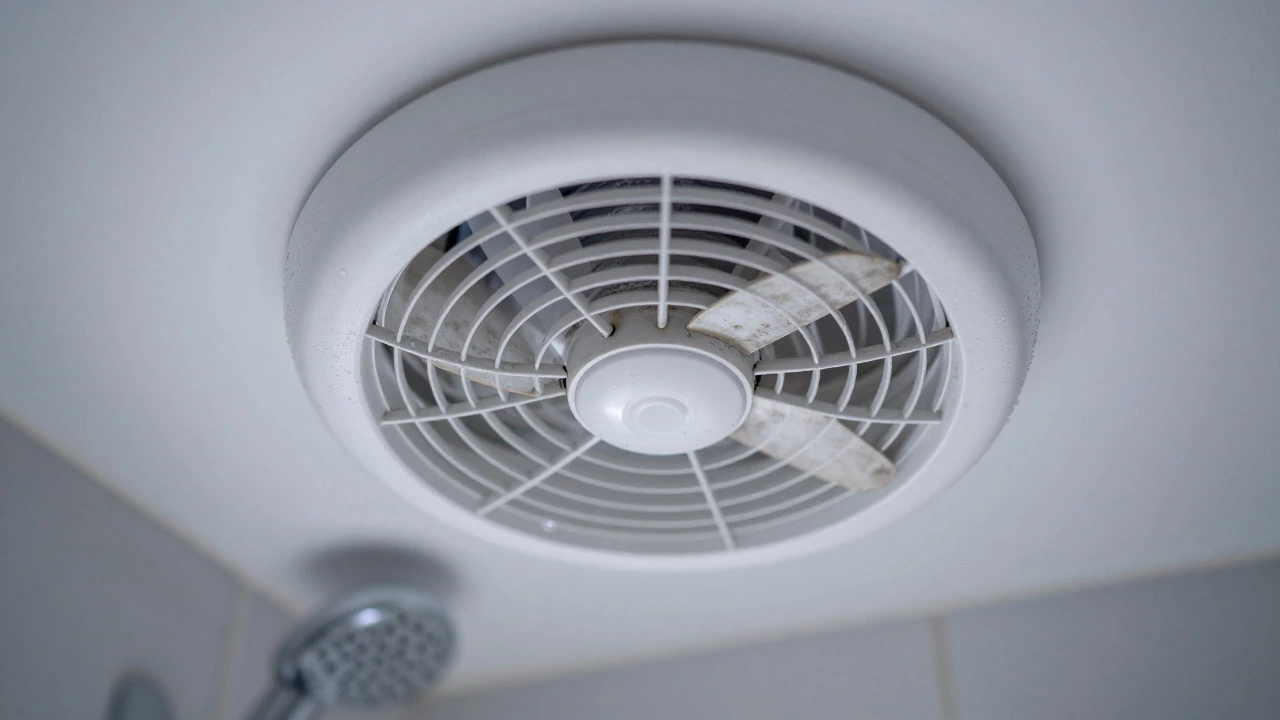
- Dust and Debris: Dust acts like sandpaper on moving parts. It also insulates the motor coils, preventing them from cooling properly. Overheating is a primary cause of motor winding failure.
- Lack of Ventilation Pathway: If the ductwork outside is blocked by bird nests or debris, the fan has to work much harder to push air through. This increased load generates more heat, shortening the motor's life significantly.
- Noise Changes: A high-pitched whine suggests bearing wear. A grinding or rattling sound indicates loose blades or debris caught in the mechanism. If the noise gets louder over months, the mechanical integrity is failing.
- Reduced Airflow: If the fan runs but doesn't pull smoke or steam away effectively, the motor might be losing torque due to worn bearings, or the impeller is so clogged with grease that it can't spin at full speed.
- Burning Smell: This is a red flag. A faint burning odor when the fan starts up usually means the start capacitor is failing or the motor windings are overheating. Turn it off immediately if you smell burnt plastic or rubber.
- Thermostat Tripping: On older models, if the fan trips the circuit breaker or RCD/GFCI, it’s likely an electrical fault caused by moisture ingress or a shorted wire. This is dangerous and requires professional inspection.
- Clean the Impeller Monthly: Remove the grille and wash the fan blades with warm soapy water. For kitchen hoods, use a degreaser. Dry everything thoroughly before putting it back. Moisture left inside is the enemy.
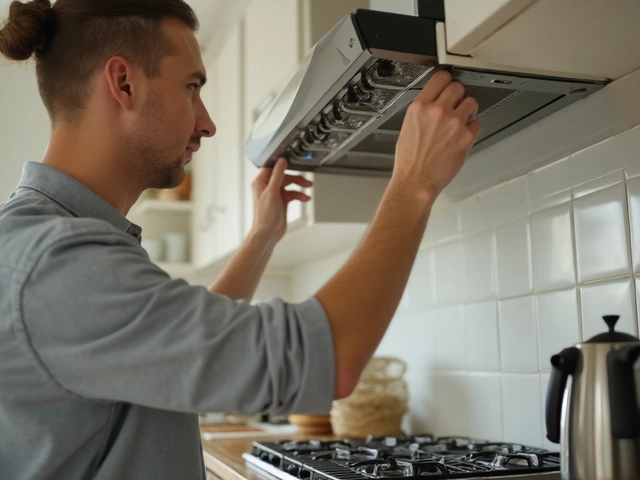
- Check the Ductwork Annually: Look outside at the vent outlet. Clear away leaves, spider webs, or bird nests. A blocked duct forces the motor to work twice as hard.
- Listen to It: Spend 30 seconds listening to the fan each month. Note any new noises. Catching a bad bearing early can save the motor.
- Use the Timer Wisely: Run the fan for 15-20 minutes after cooking or showering to clear residual moisture. Don’t leave it on 24/7 unless necessary; constant operation increases wear.
If your fan is older than 15 years and still working, don’t celebrate yet. It’s entering its "senior years" where component fatigue becomes a real risk. Capacitors weaken, bearings wear down, and wiring insulation becomes brittle. One day, it might just stop spinning without warning.
What Actually Kills Extractor Fans Early?
It’s rarely the age itself that causes failure; it’s the environment and maintenance habits. Here are the top killers we encounter in repair jobs:
Signs Your Fan Is Nearing the End
Fans rarely die instantly. They give you clues. Pay attention to these symptoms:
Repair vs. Replace: The Economic Reality
This is the big question. Should you spend money fixing a 15-year-old fan, or buy a new one? Let’s look at the numbers.
| Factor | Repair Option | Replacement Option |
|---|---|---|
| Typical Cost | $150 - $300 (parts + labor) | $100 - $400 (unit) + $150 - $250 (installation) |
| Lifespan Gained | 5 - 8 years (if motor replaced) | 10 - 20 years (new unit) |
| Risk Factor | Other old components may fail soon after | Low (new warranty coverage) |
| Efficiency Gain | None (same old model) | High (newer models are quieter and more efficient) |
Generally, if the fan is under 10 years old, repairing it makes sense. If it’s over 15, replacement is usually the smarter financial move. Why? Because even if you replace the motor, the rest of the unit-the wiring, the casing, the switch-is aging. You’re paying skilled labor to install a part into a system that is already fragile. Plus, modern fans are significantly quieter and use less electricity than those from a decade ago.
There is one exception: if your fan is a custom-built ducted system or a high-end range hood where installation is complex and expensive, repairing the specific failed component (like the capacitor or bearing) might be worth it to avoid the hassle of re-plumbing or re-ducting.
How to Extend the Life of Your Current Fan
If you want to squeeze more years out of your existing unit, follow these simple maintenance steps:
When to Call a Professional
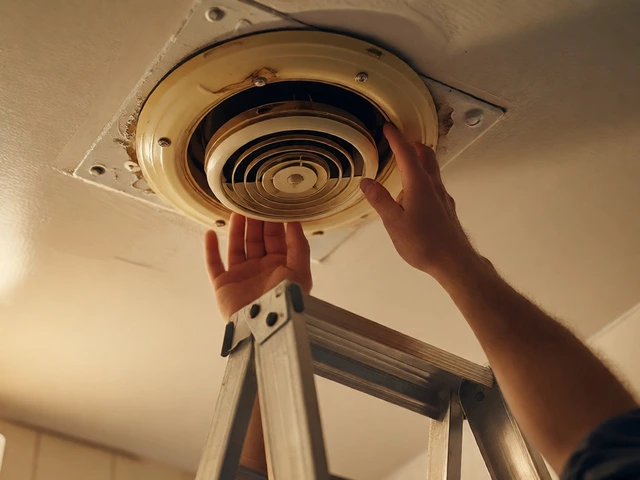
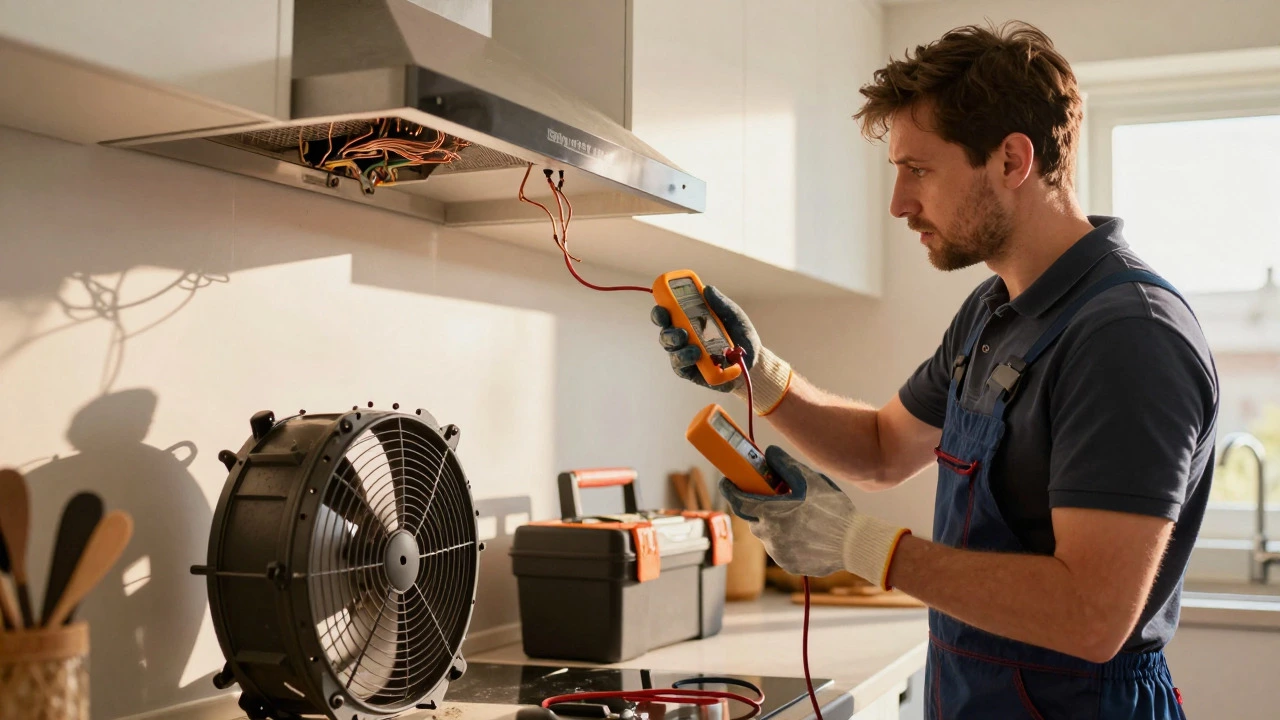
Some issues are safe for DIY, while others require an electrician or specialist. You can handle cleaning and replacing a simple carbon brush (if accessible). However, if you need to open the motor housing, test capacitors with a multimeter, or rewire the unit, call a pro. Working with mains voltage in a damp environment is risky. A faulty connection can lead to fire hazards or shock risks, especially in bathrooms.
If you hear sparking, see scorch marks on the terminals, or smell burning plastic, turn off the power at the breaker and book a service. Don’t wait for it to fail during a dinner party or a morning shower.
Frequently Asked Questions
Is it worth repairing an old extractor fan?
If the fan is under 10 years old, yes. If it is over 15 years old, replacement is usually cheaper in the long run because other components will likely fail soon anyway. New fans are also quieter and more energy-efficient.
Why does my extractor fan make a loud noise but still works?
Loud noise usually indicates worn bearings or an unbalanced impeller due to grease buildup. While it still spins, the extra vibration stresses the motor, potentially leading to premature burnout. Clean the blades and check for debris first.
How often should I clean an extractor fan?
Kitchen fans should be cleaned monthly to prevent grease buildup. Bathroom fans should be cleaned every 3-6 months to remove dust and mold. Regular cleaning prevents overheating and maintains airflow efficiency.
Can I extend the life of my fan by changing the filter?
Yes, if your model has a replaceable mesh or foam filter. Clogged filters restrict airflow, forcing the motor to work harder. Replacing or washing filters according to the manufacturer's schedule reduces strain on the motor.
What is the most common reason extractor fans fail?
The most common failure is motor burnout caused by overheating. This is usually triggered by grease or dust buildup that insulates the motor coils, or by running the fan against a blocked duct. Bearing failure is the second most common issue.