Water Heater Lifespan & Repair Estimator
Input Details
Assessment Results
Enter details and click Analyze to see results.
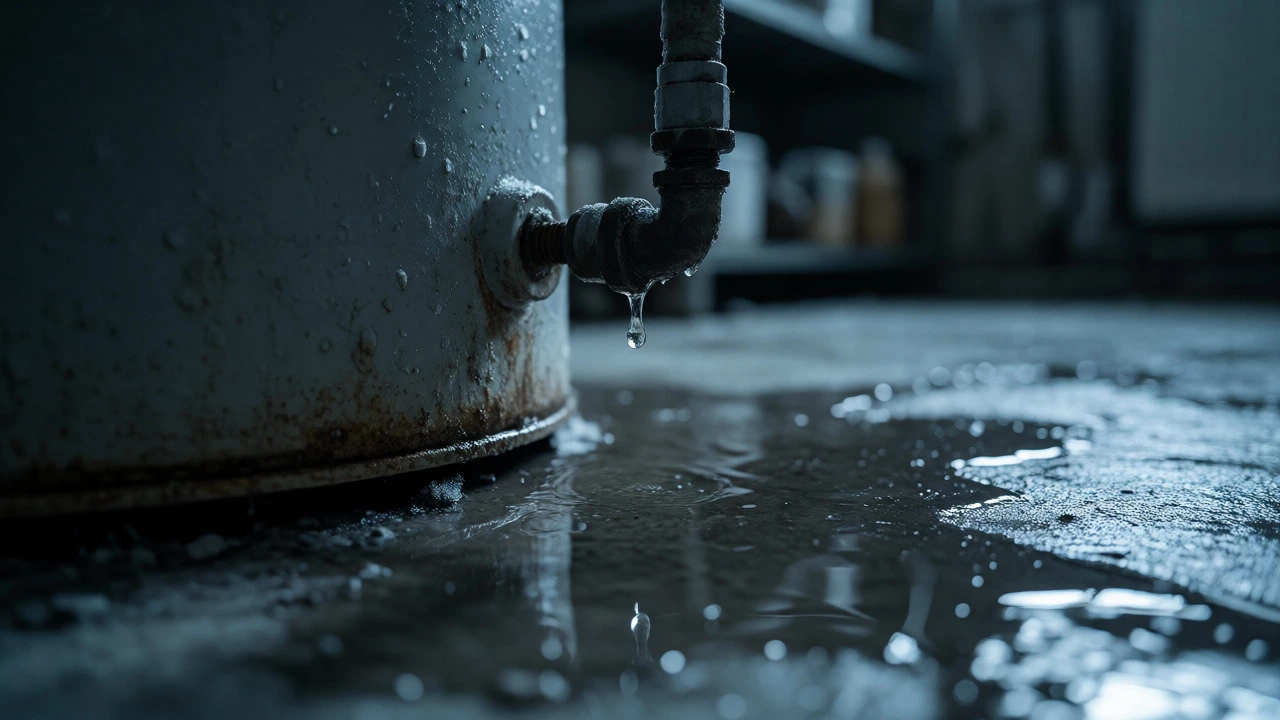
You’re standing in your utility room, staring at the cold puddle spreading across the floor. Or maybe you just ran out of hot water halfway through a shower, again. It’s that moment when the question hits: how many years should a water heater last?
The short answer is usually between 8 and 12 years for standard tank models. But here’s the kicker-that number is a myth if you ignore maintenance, water quality, or installation errors. I’ve seen heaters die at year five because of hard water scale, and others ticking along happily at year fifteen thanks to a $20 anode rod swap. If you live in Wellington, where our tap water varies wildly from soft coastal flows to harder inland supplies, your mileage will differ significantly from national averages.
This guide cuts through the marketing fluff. We aren’t just guessing; we are looking at the actual mechanics of failure, the specific signs that your unit is on borrowed time, and how to decide whether to repair or replace right now.
The Real Numbers: Tank vs. Tankless
Not all water heaters are created equal. The type of system you have dictates its expected retirement date. Let’s break down the two main contenders dominating homes today.
| System Type | Average Lifespan | Key Failure Point | Maintenance Impact |
|---|---|---|---|
| Storage Tank Gas | 8-12 Years | Tank corrosion / Anode depletion | High (Anode rod checks) |
| Storage Tank Electric | 10-15 Years | Heating element burnout / Scale buildup | Medium (Element replacement) |
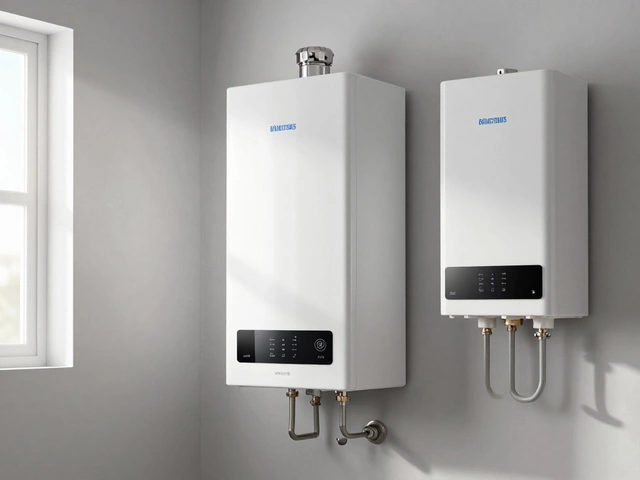
| Tankless Gas | 20+ Years | Heat exchanger scaling | Critical (Annual descaling) |
| Heat Pump | 10-15 Years | Compressor failure / Refrigerant leaks | Low (Filter cleaning) |
Notice the gap? Tankless systems often double the lifespan of traditional tanks. Why? Because they don’t hold thousands of liters of stagnant water sitting against metal walls for 24 hours a day. Instead, they heat water on demand. However, this longevity comes with a strict condition: you must flush them annually. Skip that, and mineral scale chokes the heat exchanger, killing the unit in half the time.
Why Your Water Heater Might Die Early
If your neighbor’s heater lasted 15 years and yours died at seven, it wasn’t bad luck. It was likely one of these three culprits.
1. The Silent Killer: Corrosion and the Anode Rod
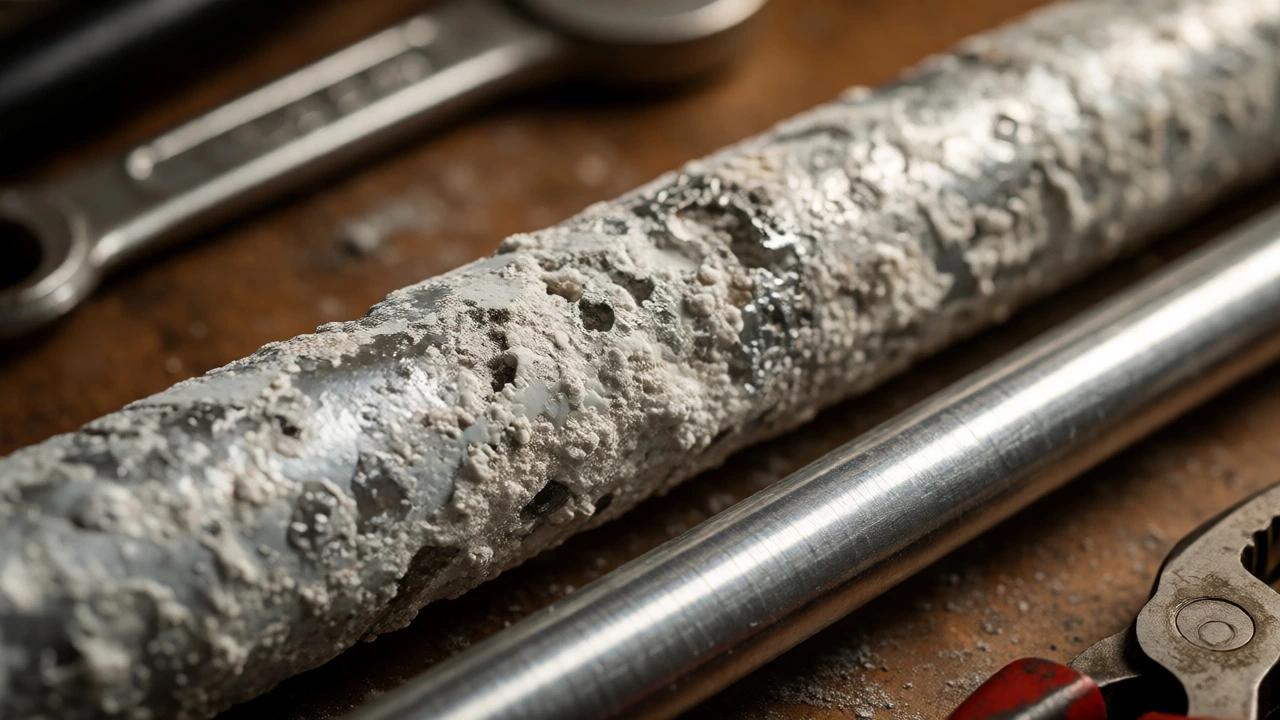
Every steel storage tank has a sacrificial part called the anode rod. This metal rod (usually magnesium or aluminum) attracts corrosive elements in the water so the tank wall doesn’t corrode. Think of it as a lightning rod for rust.
In areas with aggressive water chemistry, like parts of New Zealand’s rural regions, this rod can dissolve completely in under three years. Once it’s gone, the tank starts eating itself from the inside out. You won’t see the leak until it’s too late. Checking this rod every two years costs almost nothing but saves you a full replacement.
2. Hard Water and Scale Buildup
Hard water contains high levels of calcium and magnesium. When heated, these minerals precipitate out and settle at the bottom of the tank or coat heating elements. For electric heaters, this insulates the elements, causing them to overheat and burn out. For gas heaters, the sediment layer acts as insulation between the burner and the water, forcing the system to work harder and hotter, stressing the tank seams.
If you hear popping or banging noises from your tank, that’s not ghosts. That’s steam bubbles trapped under a layer of sediment exploding. It’s a clear sign your efficiency is dropping and your lifespan is shrinking.
3. Improper Installation or Sizing
Did the installer skip the expansion tank? In modern sealed plumbing systems, water expands when heated. Without an expansion vessel to absorb that pressure, every time you run hot water, you stress the tank joints. Over time, this hydraulic hammering weakens welds and causes premature leaks. Also, if a tank is undersized, it runs constantly, accelerating wear on components like thermostats and valves.
Signs You Are Near the End
Don’t wait for the flood. Watch for these red flags. If you spot more than one, start budgeting for a replacement immediately.
- Rusty Water: If hot water comes out brown or yellow but cold water is clear, the internal lining is failing. This is irreversible.
- Frequent Repairs: If you’ve replaced the thermostat, then the element, then the valve within six months, the unit is fighting entropy. Stop throwing money at a dying horse.
- Reduced Hot Water Volume: A tank that used to fill the tub now only provides a lukewarm rinse. Sediment is taking up space that should be occupied by water.
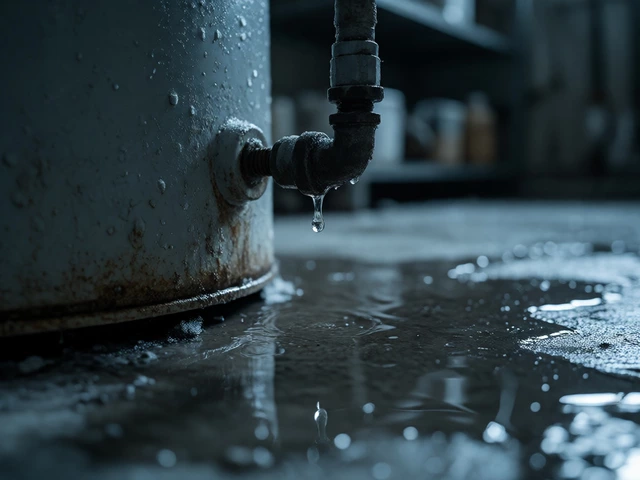
- Puddles Around the Base: Even a small drip indicates seal failure. Tanks rarely leak slowly forever; they fail catastrophically after leaking slightly.
Repair or Replace? The Decision Matrix
So, your heater is acting up. Should you fix it? Use this simple rule of thumb derived from industry standards and repair economics.
The "50% Rule": If the cost of repair exceeds 50% of the price of a new unit, replace it. But there is nuance here.
If your heater is under eight years old and the issue is a cheap part (like a thermocouple or a $30 heating element), repair it. These are minor hiccups.
If your heater is over ten years old and the issue involves the tank itself (a leak) or major components (the heat exchanger in a tankless unit), replace it. Spending $400 on repairs for a 12-year-old tank that might spring a leak next month is poor financial planning.
Consider energy efficiency too. Older units lose heat through their walls (standby loss). Modern condensing gas or heat pump models are 20-30% more efficient. The savings on your power bill could offset the higher upfront cost of replacement within a few years.
How to Extend Your Heater's Life
You can push past the average lifespan with minimal effort. Here is what actually works.
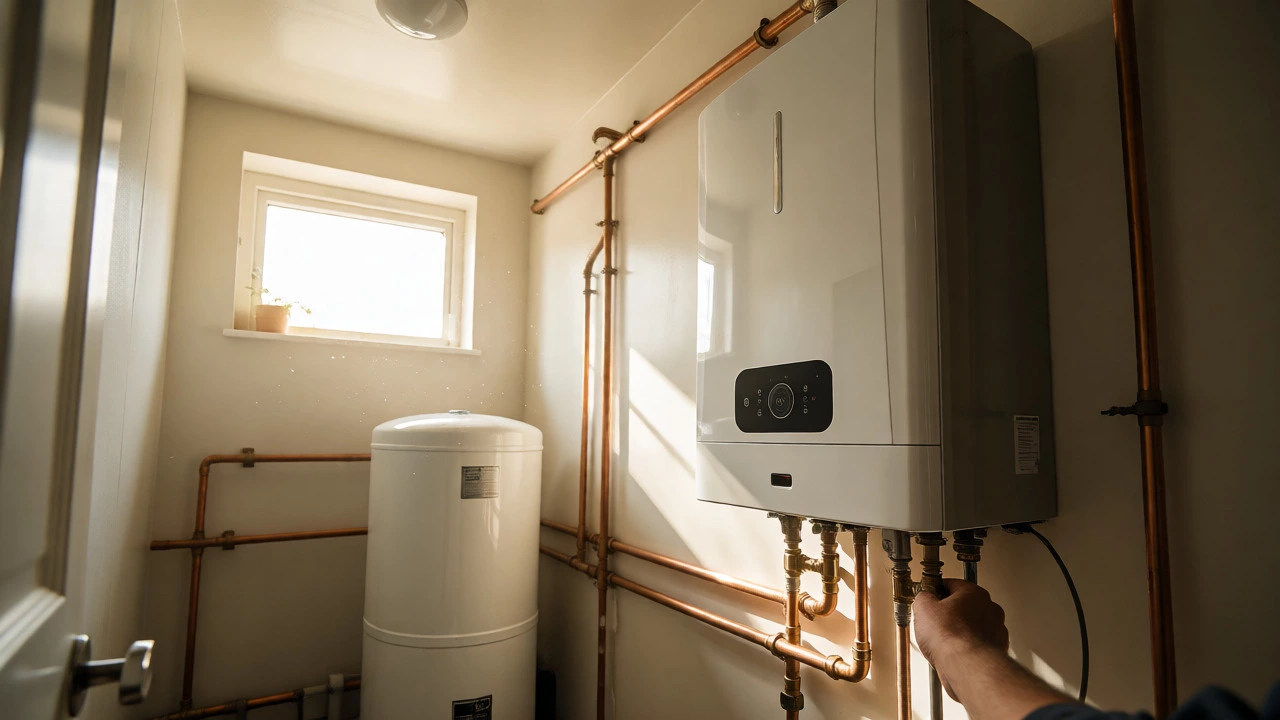
- Flush the Tank Annually: Drain a few gallons from the bottom valve to remove sediment. Do this once a year. It takes ten minutes and prevents the "banging" noise and overheating issues.
- Check the Temperature Setting: Keep it at 60°C (140°F). Higher temperatures accelerate scale buildup and increase the risk of scalding. Lower temperatures encourage bacterial growth (Legionella).
- Inspect the Anode Rod: Every two years, unscrew the hex head on top of the tank. If the rod is heavily corroded or less than 50% intact, replace it. It costs about $20-$40 and buys you another 3-5 years of protection.
- Add a Water Softener: If you live in a hard water zone, a whole-home softener protects not just the heater, but your pipes, dishwasher, and washing machine too.
What Happens When It Finally Fails?
When the day comes, don’t panic. Most failures happen gradually enough that you can plan. However, sudden catastrophic ruptures do occur. Know where your main water shut-off valve is before you need it. If a tank bursts, it can dump 200-300 liters of water into your home in minutes, causing massive drywall and flooring damage.
Replacing a water heater is not a DIY job for most people. Gas connections require licensed professionals in New Zealand to ensure compliance with safety regulations. Electrical work also needs certification. Get quotes from at least three providers. Ask specifically about warranty terms-some manufacturers offer 10-year warranties on tanks, but labor coverage often expires after one or two years.
Can I make my water heater last longer than 12 years?
Yes, absolutely. While 8-12 years is the average for storage tanks, diligent maintenance can push this to 15-20 years. Key factors include replacing the anode rod regularly, flushing sediment annually, and installing a water softener if you have hard water. Tankless models routinely exceed 20 years with proper care.
Is it cheaper to repair or replace a 10-year-old water heater?
It depends on the fault. Minor electrical fixes (thermostat, element) are worth repairing even on older units. However, if the tank is leaking or the cost of repair exceeds $300-$400, replacement is usually smarter. At 10 years, you are nearing the end of the typical lifespan, so investing heavily in repairs risks spending money on a unit that may fail soon anyway.
Does turning off the water heater save money?
For short absences (a weekend), no. Reheating the entire tank uses more energy than maintaining the temperature. For long vacations (two weeks or more), yes, turning it off saves standby losses. However, frequent on/off cycling can stress electronic components in some models. A vacation mode or timer is often a better solution.
What size water heater do I need?
Sizing depends on household size and peak usage. A general rule for storage tanks is 50 liters per person for moderate use, plus extra capacity for simultaneous showers. For example, a family of four typically needs a 135-180 liter tank. Undersized units run out of hot water quickly; oversized units waste energy heating unused water.
Why is my electric water heater making a loud banging noise?
This is caused by sediment buildup at the bottom of the tank. Water gets trapped under the sediment layer, boils, and creates steam bubbles that collapse with a loud pop. Flushing the tank usually resolves this. If ignored, the sediment insulates the heating elements, causing them to overheat and fail prematurely.