Dryer Lifespan Calculator
Dryer Maintenance Assessment
Your Dryer Assessment
Estimated remaining lifespan:
0Repair vs. Replacement cost:
Maintenance Recommendations
Based on your habits, focus on these areas:
- Clean lint filter after every load
- Clean vent duct at least once a year
- Avoid overloading the dryer
Most people don’t think about their dryer until it stops working. Then they panic-was it worth fixing? Should they just buy a new one? The truth is, a typical dryer lasts between 10 and 13 years. But that’s not a guarantee. Some break down after six years. Others keep going past 15. What makes the difference? It’s not magic. It’s how you use it, clean it, and treat it over time.
What Actually Determines How Long Your Dryer Lasts?
Not all dryers are built the same. A basic model from a budget brand might use thinner metal, weaker motors, and cheaper belts. A higher-end unit from a brand like Whirlpool, LG, or Bosch often has better components and tighter quality control. But even the best dryer won’t last if you ignore basic care.
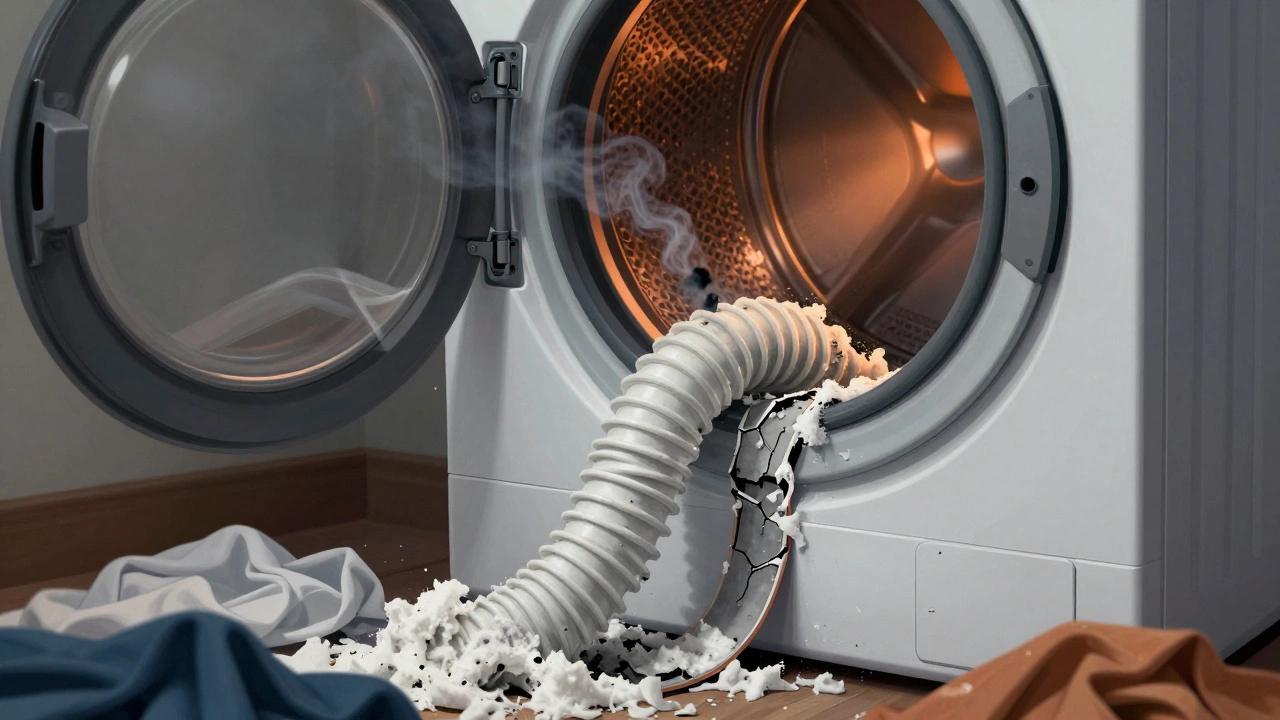
The biggest killer of dryers? Lint. Not the kind you see in the filter-that’s the easy part. The real problem is lint that sneaks past the filter and builds up in the vent duct. Over time, this clogs airflow. Your dryer has to work harder, run longer, and get hotter. That stresses the heating element, the motor, and the thermostat. In New Zealand’s damp climate, where clothes take longer to dry anyway, this problem gets worse.
Another silent killer is overloading. Stuffing 12 towels into a dryer designed for six doesn’t just wrinkle your clothes-it strains the drum bearings and the drive belt. You might not notice it right away. But after a few hundred cycles, you’ll hear a new rumble. That’s the drum starting to sag. Fixing that costs more than cleaning the vent.
Signs Your Dryer Is Approaching End of Life
You don’t need a technician to tell you your dryer is dying. Here are the real warning signs:
- It takes two or three cycles to dry a normal load-even with clean filters and unblocked vents.
- It’s hotter than usual, or smells like burning plastic or rubber.
- It makes loud grinding, squealing, or thumping noises that didn’t exist before.
- The drum doesn’t spin smoothly, or it stops mid-cycle.
- It turns on but doesn’t heat up at all, and you’ve already checked the power and thermostat.
If you’re seeing two or more of these, your dryer is in its final years. Replacing a heating element or thermostat might fix it for a year or two. But if the motor or drum is failing, repair costs often hit $250-$400. That’s close to the price of a new, energy-efficient model.
How to Make Your Dryer Last Longer
You can add years to your dryer’s life with simple habits. Here’s what actually works:
- Clean the lint filter after every single load. Not most loads. Every load. Even if it doesn’t look full.
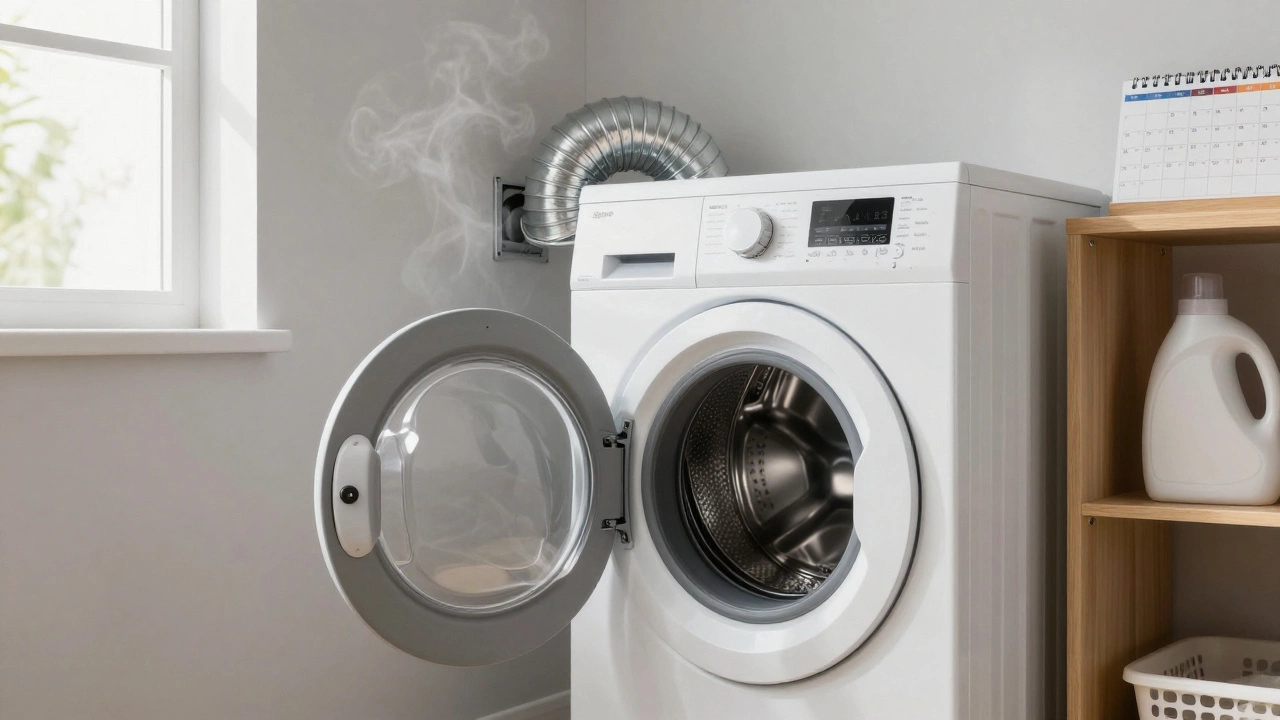
- Inspect and clean the vent duct at least once a year. Pull it loose, vacuum out the lint, and check for kinks or crushing. Use rigid metal ducting, not flexible plastic-that’s a fire hazard and traps lint.
- Don’t overload the drum. Fill it halfway, max. Clothes need space to tumble and dry properly.
- Use the moisture sensor setting instead of timed drying. It shuts off when clothes are dry, reducing wear and saving energy.
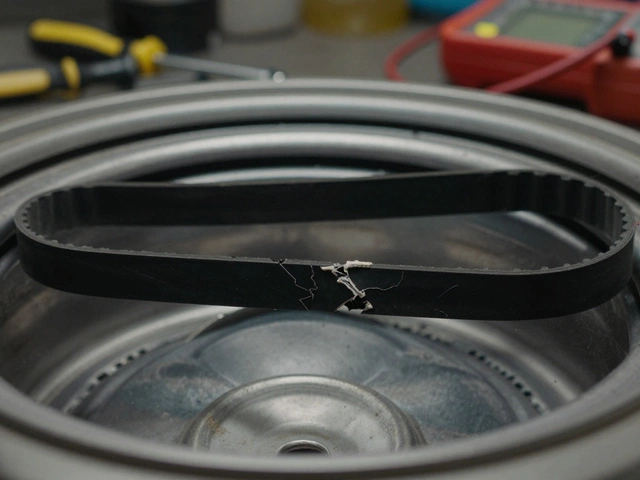
- Check the drum rollers and belt every couple of years. If the drum wobbles or the belt looks cracked, replace them before they break completely.
These steps take less than 30 minutes a year. But they can easily add 3-5 extra years to your dryer’s life. That’s $500-$800 saved.
When to Repair vs. Replace
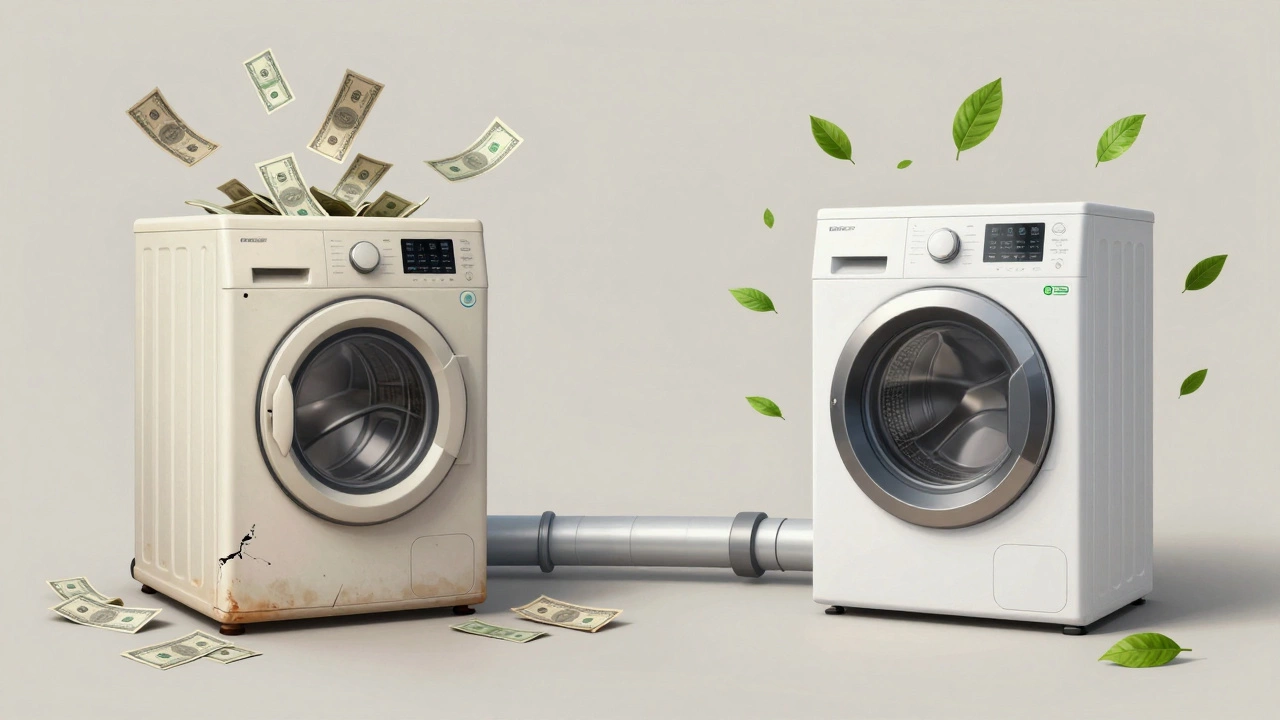
Here’s a simple rule: if your dryer is over 8 years old and needs a $200+ repair, replace it.
Why? New dryers are way more efficient. A 10-year-old dryer might use 5.5 kWh per load. A new Energy Star model uses 3.5 kWh or less. That’s 35% less electricity. Over five years, that adds up to $150-$200 in savings-just on power bills.
Also, modern dryers have better sensors, quieter motors, and smarter cycles. If you’ve been using the same dryer since 2018, you’re missing out on tech that cuts drying time and protects fabrics.
There’s one exception: if your dryer is less than 5 years old and the repair is under $150, go ahead and fix it. But if it’s 8+ years old, the math rarely works. You’re not fixing a machine-you’re buying time on borrowed luck.
What to Look for in a New Dryer
When you’re ready to replace it, focus on these features:
- Heat pump technology: Uses up to 50% less energy than traditional vented dryers. Great for apartments or homes without external vents.
- Moisture sensors: Automatically stops when clothes are dry. Prevents over-drying and shrinkage.
- Reverse tumbling: Reduces wrinkles and fabric wear.
- Steel drum: More durable than plastic or coated drums.
- Warranty: Look for at least a 2-year full warranty. Some brands offer 5-year coverage on the motor.
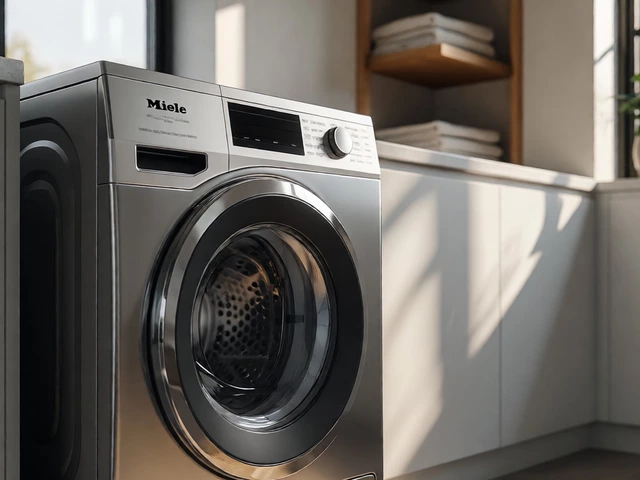
Brands like LG, Samsung, and Miele have models with heat pump tech that work well in New Zealand’s humid climate. If you have a vent, a good vented model from Whirlpool or Bosch still holds up well. Avoid the cheapest models-they’re designed to fail around year 6.
What Happens If You Ignore the Warning Signs?
Ignoring a failing dryer isn’t just expensive-it’s dangerous. Lint buildup in the vent is the #1 cause of home fires in New Zealand. The New Zealand Fire Service reports over 200 dryer-related fires each year. Most happen in homes where the vent hasn’t been cleaned in years.
And when your dryer dies suddenly, you’re stuck. Laundry piles up. Kids miss school because their uniforms are wet. You rush to buy a replacement during a holiday weekend-and pay 30% more because you’re in a panic.
Plan ahead. Keep track of your dryer’s age. Write it on a sticky note and stick it to the machine. When it hits 8 years, start researching replacements. Don’t wait for it to stop mid-cycle.
Final Thought: Dryers Are a Use-It-Or-Lose-It Appliance
Unlike fridges or dishwashers, dryers don’t get used every day in every home. But when you do use them, they’re under heavy stress. Heat, moisture, friction, and lint-they’re all working against your machine.
If you treat it right, your dryer can last over a decade. If you ignore it, it might die in five. There’s no mystery here. It’s not about brand loyalty or luck. It’s about habits. Clean the filter. Clear the vent. Don’t overload. And when it hits 8-10 years, don’t wait for disaster to decide for you.
Your dryer isn’t just a machine. It’s a tool that keeps your life running. Treat it like one.
How long should a tumble dryer last on average?
On average, a tumble dryer lasts between 10 and 13 years. This depends on usage, maintenance, and build quality. Well-maintained dryers can last up to 15 years, while neglected ones may fail in as little as 5-6 years.
Is it worth repairing a 10-year-old dryer?
Generally, no. If your dryer is 10 years old and needs a repair costing more than $200, it’s usually better to replace it. Newer models are significantly more energy-efficient, quieter, and come with better features like moisture sensors and heat pump technology. The cost savings on electricity alone can pay for a new unit in a few years.
What causes dryers to break down early?
The most common causes are lint buildup in the vent system, overloading the drum, and skipping regular maintenance. Lint restricts airflow, forcing the motor and heating element to work harder. Overloading strains the drum bearings and belt. Skipping cleaning leads to overheating and component failure.
How often should I clean my dryer vent?
Clean your dryer vent at least once a year. In homes with heavy laundry use, or in humid climates like New Zealand, clean it every 6 months. Use a vacuum or vent cleaning brush to remove lint from the duct. Never use plastic or foil venting-always use rigid metal ducting for safety and efficiency.
Can a dryer last 20 years?
It’s rare, but possible. Dryers that last 20 years are usually high-end models with steel drums, well-maintained vents, and minimal use. Most manufacturers design dryers for 10-13 years of normal use. A 20-year-old dryer is likely running on worn parts and may be inefficient or unsafe.
Should I replace my dryer if it’s still working but old?
If your dryer is over 8 years old and still working, consider replacing it before it fails. New models use 30-50% less energy, dry clothes faster, and have safety features that older models lack. Replacing it proactively avoids emergency repairs, higher bills, and the risk of fire from an aging vent system.