Refrigerator Diagnostic Assistant
Answer the questions below to identify the likely cause of your refrigerator issue and determine if it's a simple DIY fix or requires professional attention.
Is your fridge acting up? Let's find out why.
You open the fridge door, expecting cold air to hit your face, but instead, you get lukewarm air and a weird humming sound. It’s the panic moment every homeowner dreads. Before you call an expensive technician or rush out to buy a new unit, take a breath. Most refrigerator issues aren’t catastrophic failures; they’re simple maintenance oversights or minor component glitches that you can spot with basic observation.
Diagnosing a refrigerator is like being a detective. You need to look for clues: sounds, temperatures, ice buildup, and water leaks. This guide walks you through the exact steps to identify what’s wrong, so you know whether it’s a $10 fix or a sign of impending replacement. We’ll cover everything from noisy compressors to warm compartments, using logic rather than guesswork.
The Quick Health Check: Start Here
Before grabbing tools, perform these three rapid checks. They solve about 30% of all reported "broken" fridges.
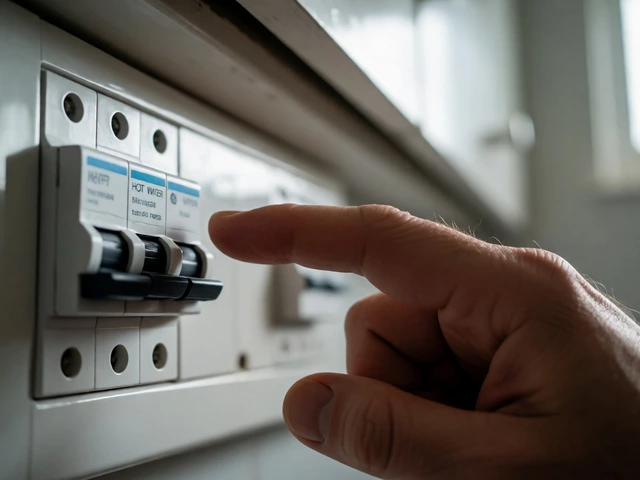
- Power Supply: Is the light on? If not, check the outlet with another device. Sometimes the plug gets bumped loose behind the unit.
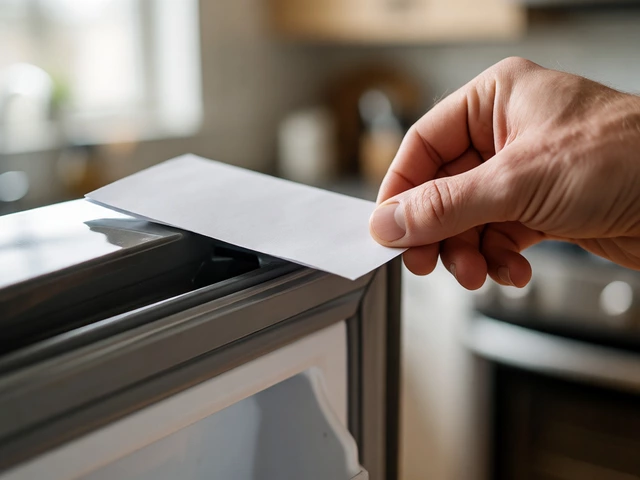
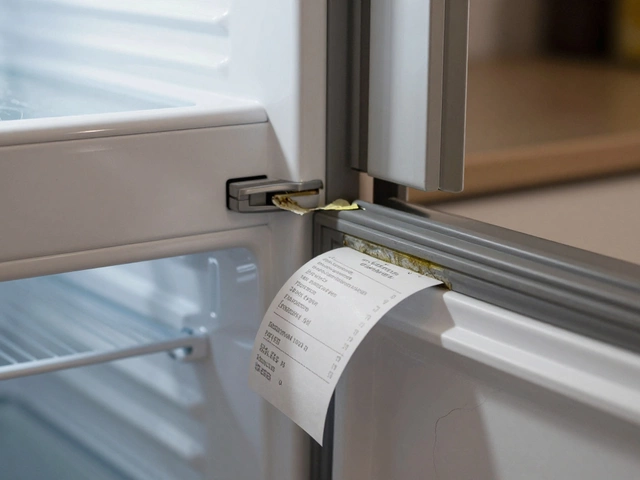
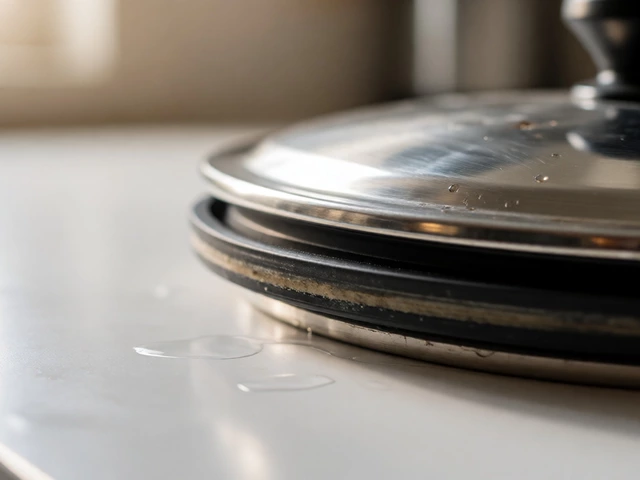
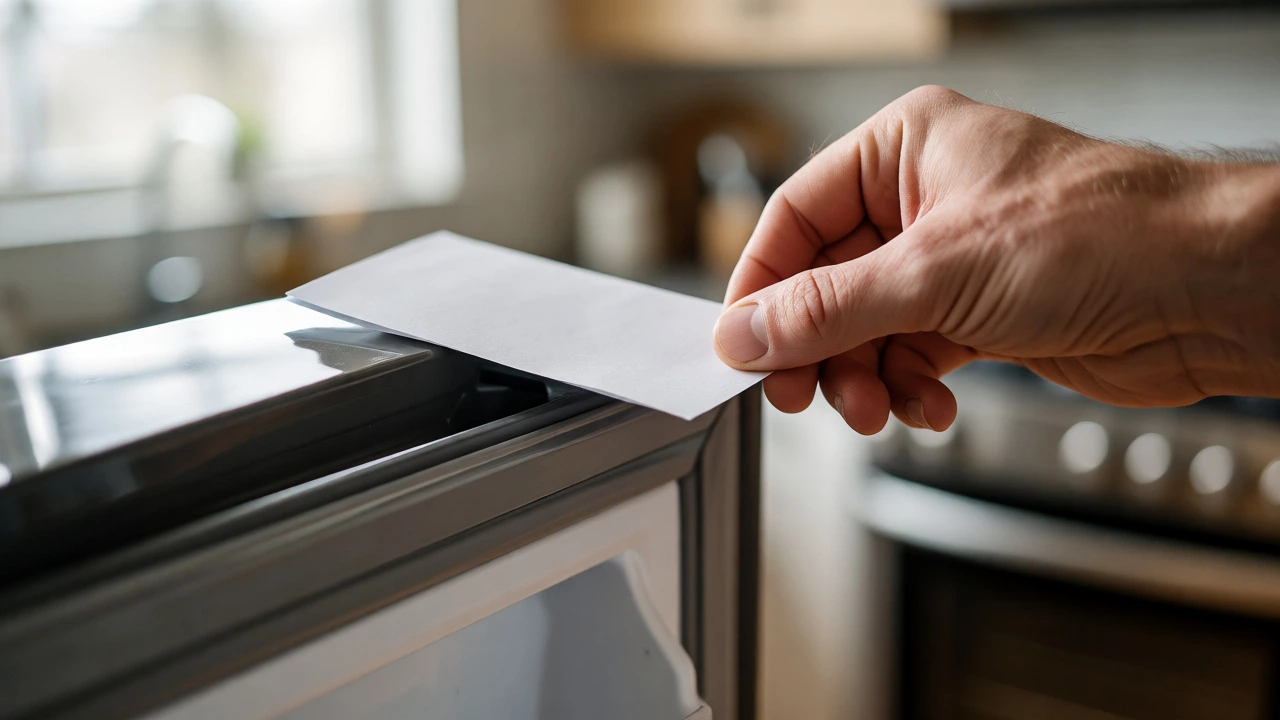
- Door Seals (Gaskets): Close the door on a piece of paper. If you can pull the paper out easily without resistance, your gasket is worn. Cold air escapes, forcing the compressor to run non-stop. Replace the gasket if it’s torn or stiff.
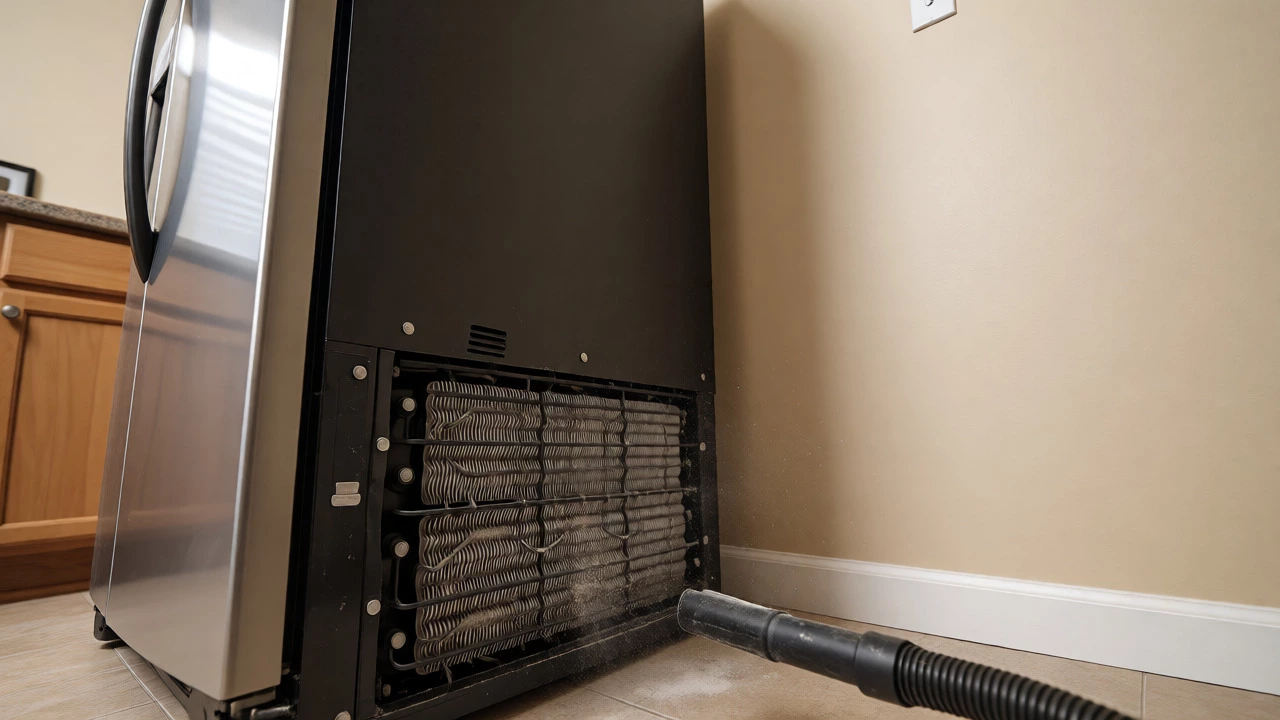
- Ventilation: Pull the fridge away from the wall. If the coils are clogged with dust or the unit is touching the back wall, it can’t dissipate heat. Clean the coils with a brush and vacuum, ensuring at least two inches of clearance.
If these basics check out, move to specific symptoms. The type of problem tells you which part to investigate.
Symptom 1: The Fridge Is Noisy
Noise is one of the most common complaints. But not all noises mean the same thing. Identifying the sound helps pinpoint the faulty component.
| Sound Type | Likely Cause | DIY Fixability |
|---|---|---|
| Rattling/Vibrating | Loose panels, unlevel feet, or objects inside touching walls. | High (Tighten screws, level unit) |
| Buzzing/Humming | Compressor struggling, dirty condenser coils, or failing fan motor. | Medium (Clean coils, check fans) |
| Clicking | Start relay trying to engage the compressor repeatedly. | Low (Replace start relay) |
| Gurgling/Bubbling | Normal refrigerant flow through lines. | N/A (Normal operation) |
If you hear a loud buzzing, check the condenser fan. This fan sits near the bottom rear of the fridge. If debris blocks it or the blades are broken, it hits the housing. Unplug the fridge, remove the back panel, and spin the fan by hand. It should turn freely. If it grinds or sticks, replace the fan motor.
A clicking sound usually points to the start relay. This small electrical component helps the compressor kick in. When it fails, the compressor tries to start, clicks, shuts off, waits, and tries again. Replacing a start relay is cheap and easy-just swap the old one for a new model matching your fridge’s serial number.
Symptom 2: The Fridge Is Too Warm
This is the serious one. If the freezer is fine but the fridge section is warm, or both are warm, you have a cooling issue. Don’t jump to buying a new compressor yet. Work through this checklist.
Check the Evaporator Fan
In many modern fridges, cold air is made in the freezer and blown into the fridge compartment by an evaporator fan. If this fan stops, the freezer stays cold, but the fridge warms up.
- Open the freezer door and press the door switch manually (or tape it down).
- Listen for the fan running. If it’s silent, the fan may be frozen due to a defrost issue or dead.
- If frozen, wait 24 hours with the door open to thaw. If the fan returns but stops again later, you have a defrost system failure.
Inspect the Defrost System
Ice buildup on the back wall of the freezer indicates a failed defrost heater or defrost thermostat. These components melt frost during automatic cycles. If they fail, ice insulates the evaporator coils, preventing heat exchange.
To test, locate the defrost timer or control board (varies by model). Manually advance the timer to the defrost cycle. You should hear a click, and the heater should get warm after a few minutes. If no heat, use a multimeter to check continuity on the heater and thermostat. Replace whichever component shows infinite resistance (open circuit).
Verify Compressor Operation
Is the compressor running constantly? Or is it never starting?
- Never starts: Likely a bad start relay, overload protector, or control board. Check voltage at the compressor terminals.
- Runs constantly but doesn’t cool: Could be low refrigerant (leak) or a sealed system failure. This usually requires a professional.
- Cycles on/off frequently: Might be a faulty thermostat (cold control). Test continuity across its terminals when set to different temperatures.
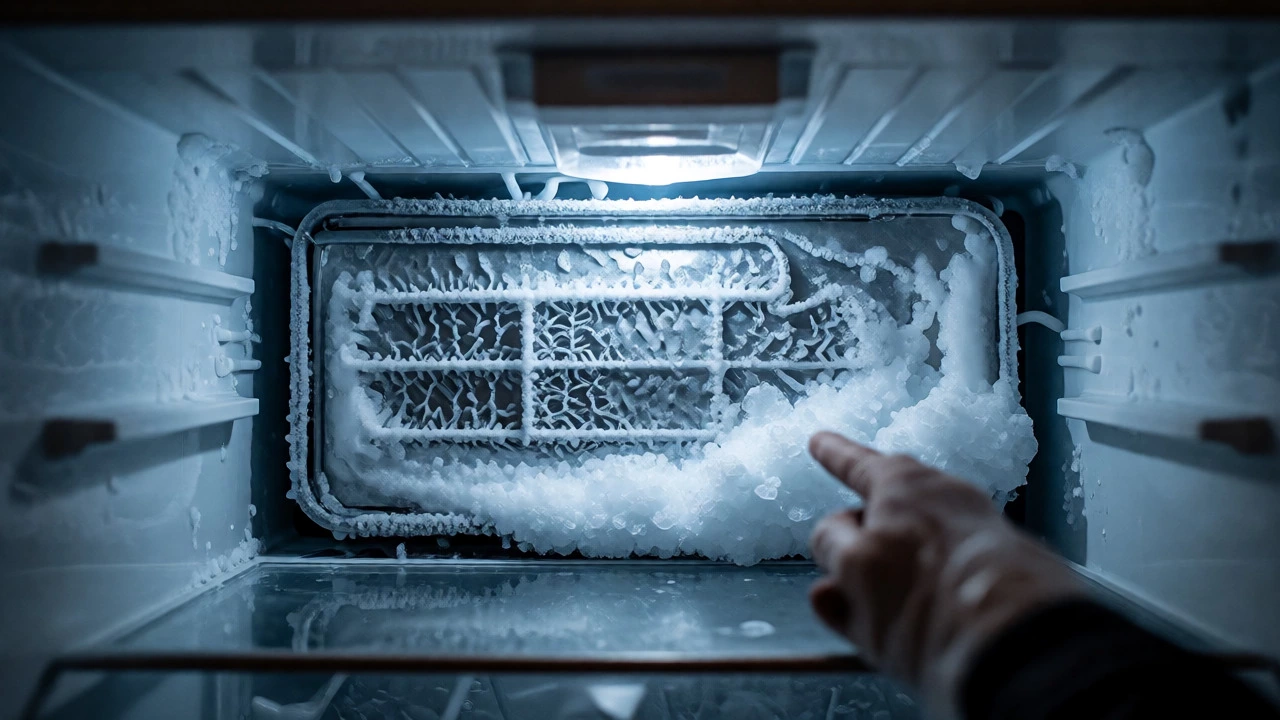
Symptom 3: Water Leaks Inside or Under the Fridge
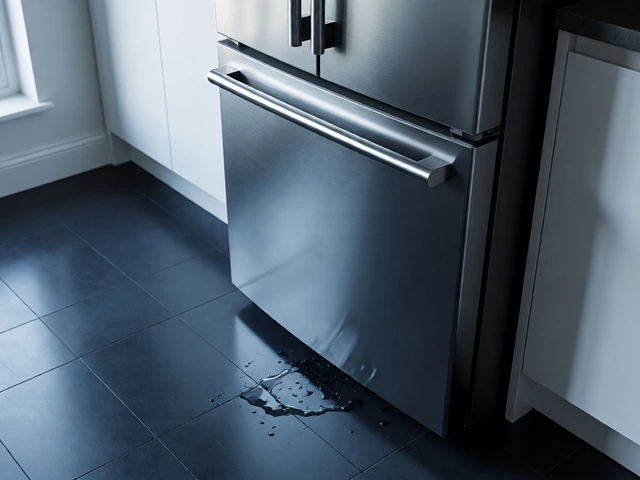
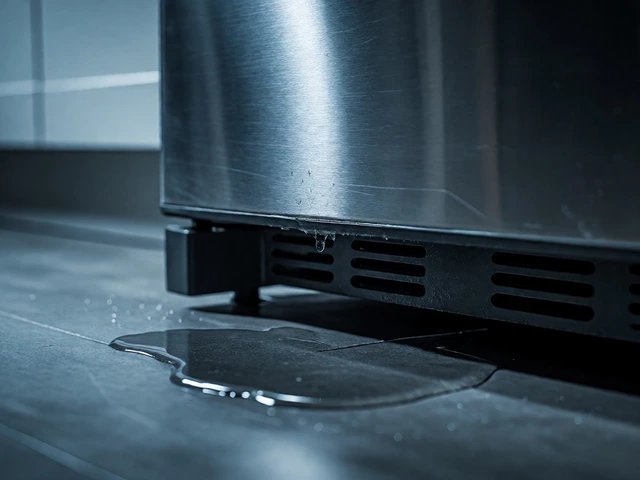
Puddles under the crisper drawers or on the floor are annoying but often easy to fix. The culprit is almost always a blocked drain.
Fridges produce condensation during defrost cycles. This water drains through a hole in the back of the freezer, travels down a tube, and lands in a pan above the compressor, where it evaporates. If food particles or mold block the drain hole, water backs up and spills onto the fridge floor.
Fix: Locate the drain hole (usually behind the back panel in the freezer). Use a turkey baster with hot water to flush it. For stubborn clogs, insert a flexible wire or pipe cleaner gently. Never use sharp objects that could puncture the tube.
If the leak is under the fridge, check the water supply line for the ice maker. Inspect connections for dampness. Also, ensure the fridge is level. If it tilts forward, water won’t drain properly into the pan.
Symptom 4: Ice Maker Problems
No ice or hollow cubes? Check these items before blaming the ice maker assembly.
- Water Filter: Replace if older than six months. Clogged filters reduce water flow, leading to small or no ice.
- Water Inlet Valve: Listen for a buzz when the ice maker calls for water. If silent, test the valve with a multimeter. If it has power but doesn’t open, replace it.
- Freezer Temperature: The freezer must be below 0°F (-18°C) for proper freezing. If the fridge is too warm, ice melts and refreezes into clumps.
When to Call a Professional
Some repairs involve high-pressure refrigerants and electrical hazards. If you’ve checked the fans, thermostats, seals, and defrost system, and the fridge still isn’t cooling, you likely have a sealed system issue.
A sealed system includes the compressor, condenser, evaporator, and refrigerant lines. Diagnosing a leak or compressor failure requires gauges and expertise. Replacement costs often exceed the value of older units. In New Zealand, labor rates for appliance technicians average $90-$120 per hour. Compare this against the price of a new energy-efficient model.
Pro Tips for Longevity
Once you’ve fixed the issue, keep it from happening again.
- Clean Coils Quarterly: Dust acts as insulation. Vacuum the condenser coils every three months.
- Don’t Overload: Air needs to circulate. Pack groceries loosely.
- Check Door Balance: If the fridge leans forward, doors won’t seal tight. Adjust the front legs so the unit tilts slightly backward, letting doors close automatically.
By methodically checking these areas, you save money and time. Most fridge problems are visible if you know where to look. Start simple, stay logical, and only call a pro when the problem hides inside the sealed system.
Why is my fridge running but not cooling?
If the compressor runs but the interior stays warm, check the evaporator fan first. If the fan works, inspect the condenser coils for dirt. If those are clean, you may have a refrigerant leak or a failed compressor, which typically requires professional service.
How do I know if my fridge thermostat is bad?
Use a multimeter to test continuity. Set the thermostat to different temperatures. At colder settings, it should show continuity (closed circuit); at warmer settings, it should break the circuit. If it doesn’t change state, replace the thermostat.
What causes ice buildup on the back wall of the freezer?
This usually indicates a defrost system failure. The defrost heater, defrost thermostat, or defrost control board may be faulty. Test each component for continuity. Replacing the defective part resolves the ice accumulation.
Can I fix a leaking fridge myself?
Yes, if the leak comes from a blocked defrost drain. Clear the drain hole with hot water and a pipe cleaner. If the leak is from the water supply line or a cracked drain pan, you might need parts replacement, which is still manageable for DIYers.
How long do refrigerators last?
The average lifespan is 10 to 15 years. Regular maintenance, such as cleaning coils and checking seals, can extend this life. If your fridge is over 12 years old and needs major repairs, consider replacing it with a more energy-efficient model.