Refrigerator Reliability & Repair Risk Calculator
Select your preferences to see which configuration offers the best balance of reliability and features.
Your Preferences
Reliability Score
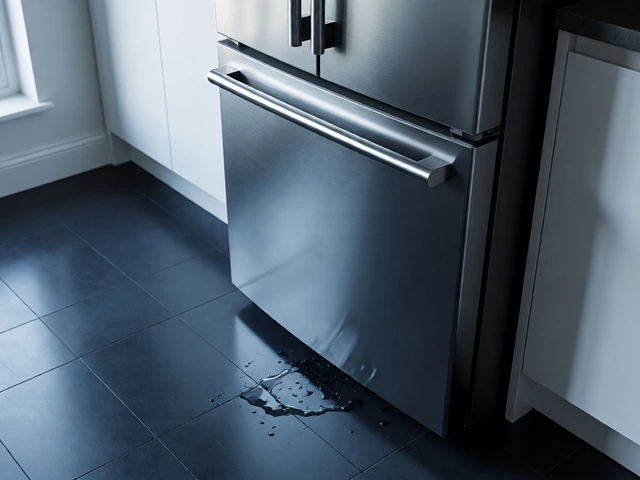
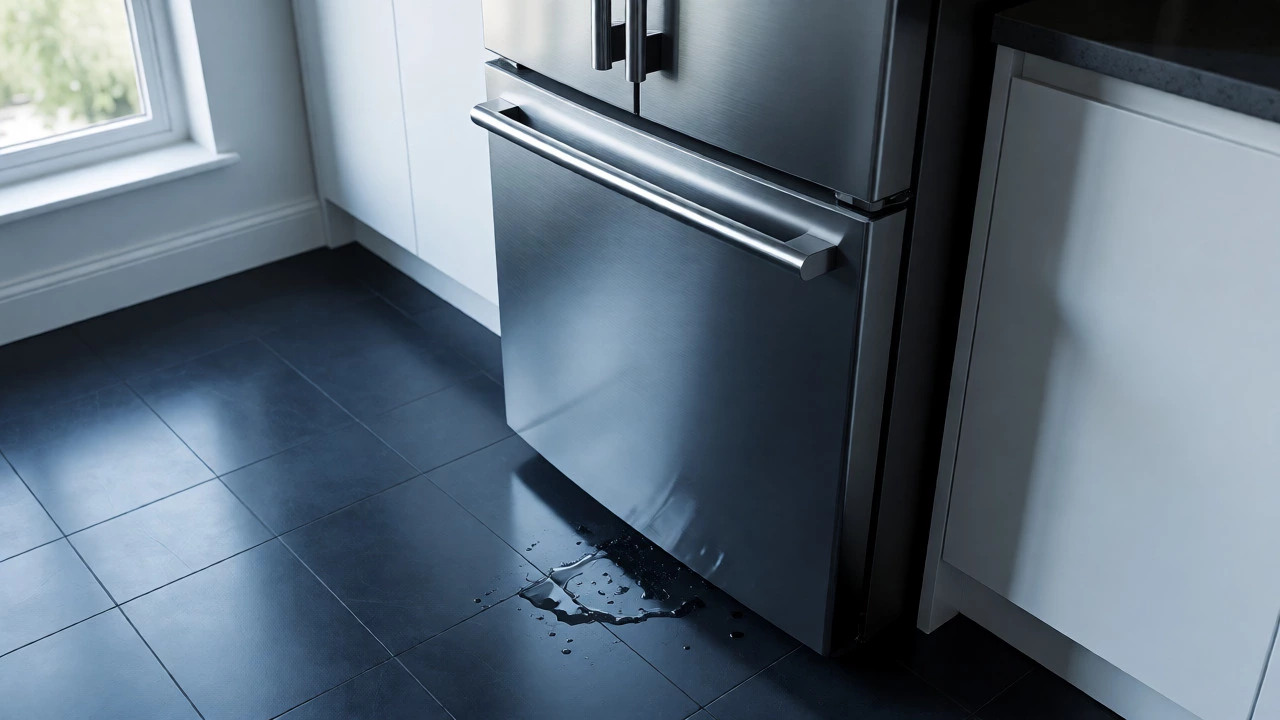
You just spent $1,500 on a new fridge. Six months later, it’s leaking water onto your kitchen floor, or worse, it stopped cooling entirely while you were away for the weekend. It’s frustrating, expensive, and frankly, annoying. If you are tired of calling appliance technicians to fix basic issues, you are not alone. The question on everyone's mind is simple: which brand actually lasts?
The honest answer isn't as black and white as you might hope. There is no single "magic bullet" brand that never breaks. However, data from major service networks like Yale Appliance and Consumer Reports reveals clear patterns in reliability. Some brands consistently rank at the bottom due to complex electronics, while others stand out for their mechanical simplicity. This guide cuts through the marketing noise to show you what really goes wrong with refrigerators and which brands minimize those headaches.
Key Takeaways
- Simplicity wins: Brands with fewer electronic features (like touchscreens) generally have lower failure rates.
- Top Tier Reliability: Whirlpool, GE, and Bosch consistently show the lowest service call rates per unit sold.
- Avoid Complexity: French-door models with built-in ice makers and Wi-Fi connectivity are statistically more likely to need repairs within five years.
- Installation Matters: A reliable brand installed poorly will still fail. Ensure proper ventilation and leveling.
The Reality of Refrigerator Failures
Before we name names, let’s look at why fridges break. Most people assume the compressor dies every time. That’s rare. According to industry repair data, the most common failures involve the ice maker assembly, the evaporator fan motor, and control boards. Why do these parts fail? Often, it’s because manufacturers pack too many moving parts into tight spaces.
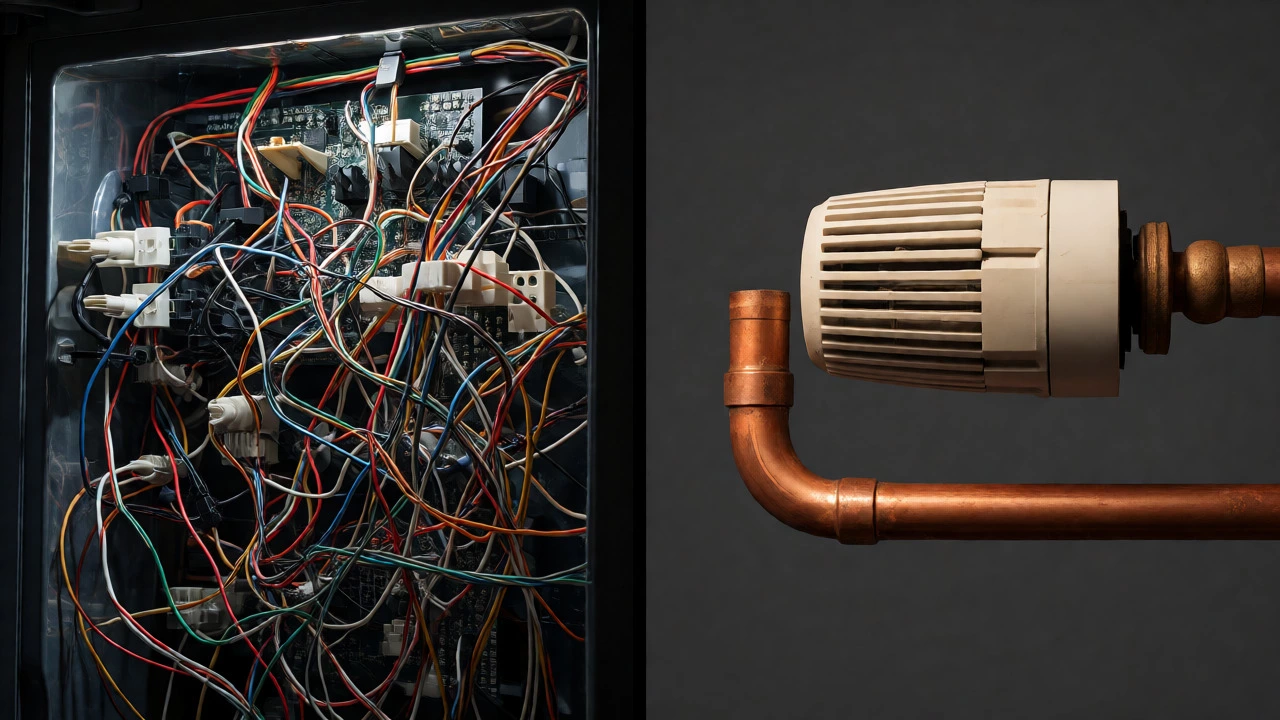
Think about modern fridges. They have dual evaporators, smart screens, door alarms, and automatic defrost cycles. Every added feature is another potential point of failure. When a technician opens up a high-end smart fridge, they often find a tangled mess of wires and plastic components that are difficult to access. In contrast, older or simpler models use robust, easily replaceable parts. If you want a fridge that doesn’t call a technician, you need to prioritize mechanical simplicity over digital bells and whistles.
Brands With the Lowest Problem Rates
When analyzing service call ratios-how many units need repair versus how many are sold-three names consistently rise to the top: Whirlpool, GE Appliances, and Bosch. Let’s break down why they perform better than the rest.
| Brand | Reliability Rating | Common Failure Points | Best For |
|---|---|---|---|
| Whirlpool | High | Ice maker jams, minor seal wear | Families wanting durability & ease of repair |
| GE | Medium-High | Control board glitches, fan motors | Standard kitchens needing good parts availability |
| Bosch | Very High | Rare; mostly cosmetic or sensor errors | Premium buyers avoiding complex tech |
| Samsung | Low-Medium | Compressor failures, PCB errors, ice maker leaks | Tech lovers who accept higher maintenance risk |
| LG | Medium | Inverter compressor issues, motherboard faults | Modern aesthetics with linear compressor tech |
Whirlpool remains the gold standard for reliability. Their strategy is conservative. They don’t rush to put giant touchscreens on every model. Instead, they focus on proven technology. Parts are cheap, and almost any local repair person knows how to fix them. If your Whirlpool ice maker breaks, the part costs under $50 and takes twenty minutes to swap. Compare that to some luxury brands where a similar repair requires a specialized technician and a $300 part.
GE Appliances is another solid choice, particularly for their standard top-freezer and side-by-side models. While their high-end Profile series has seen some complaints regarding electronic controls, their base models are workhorses. GE also has excellent parts distribution, meaning if something does break, you won’t wait three weeks for a replacement part to arrive from overseas.
Bosch deserves special mention. If you can afford the premium price tag, Bosch offers exceptional build quality. They avoid the flashy gimmicks that plague competitors. No massive screens, no complicated dispensers. Just cold food. Their failure rate is remarkably low, often cited as less than 1% for first-year service calls. The trade-off? Fewer features and a higher upfront cost. But for peace of mind, it’s hard to beat.
Why Samsung and LG Struggle with Reliability
You’ve probably heard horror stories about Samsung refrigerators. And yes, there is truth to them. Samsung pushes innovation aggressively. They introduced linear compressors and large interior capacities that appeal to consumers. But this innovation comes at a cost. Early models suffered from high compressor failure rates. While newer models have improved, the complexity of their electronics remains a hurdle.
The issue isn’t just the compressor. It’s the integration. When a Samsung fridge loses connection to Wi-Fi, users panic. Sometimes the fridge stops cooling because a software update failed. These are problems that didn’t exist ten years ago. If you value cutting-edge tech and don’t mind potentially dealing with it, Samsung is fine. But if you view your fridge as a utility that should just work, Samsung’s reputation for service calls makes it a risky bet.
LG faces similar challenges, though their approach differs. LG uses linear inverters which are efficient but sensitive to power surges. They also struggle with main control boards. If you live in an area with unstable electricity, an LG fridge might suffer repeated board failures unless you install a surge protector. Still, LG is generally considered more reliable than Samsung, sitting comfortably in the middle tier.
The Feature Trap: What Increases Breakdowns
It’s not just the brand; it’s the configuration. You can buy a reliable brand and still end up with a problematic machine if you choose the wrong features. Here is what drives up repair rates across all brands:
- In-Door Ice Makers: These require a water line running through the freezer door. The tubing freezes, cracks, or leaks. The mechanism itself is complex and prone to jamming. If you rarely use ice, skip this feature.
- Touchscreen Interfaces: Screens fail. Moisture gets behind them, buttons stop responding, or the software crashes. A physical dial or button panel is far more durable.
- Wi-Fi Connectivity: Adds a network module that can glitch. It rarely affects cooling but causes user frustration and unnecessary service calls.
- Dual Evaporators: Common in French-door models, these systems prevent odor transfer between fridge and freezer. But two evaporators mean twice the chance of a leak or frost buildup.
If you want the least problems, buy a top-freezer or a simple side-by-side without an external dispenser. Yes, it looks less fancy. But it cools reliably for fifteen years instead of breaking in year three.
Maintenance Tips to Prevent Repairs
Even the most reliable fridge needs care. Neglect kills appliances faster than bad engineering. Here is how to keep your unit running smoothly:
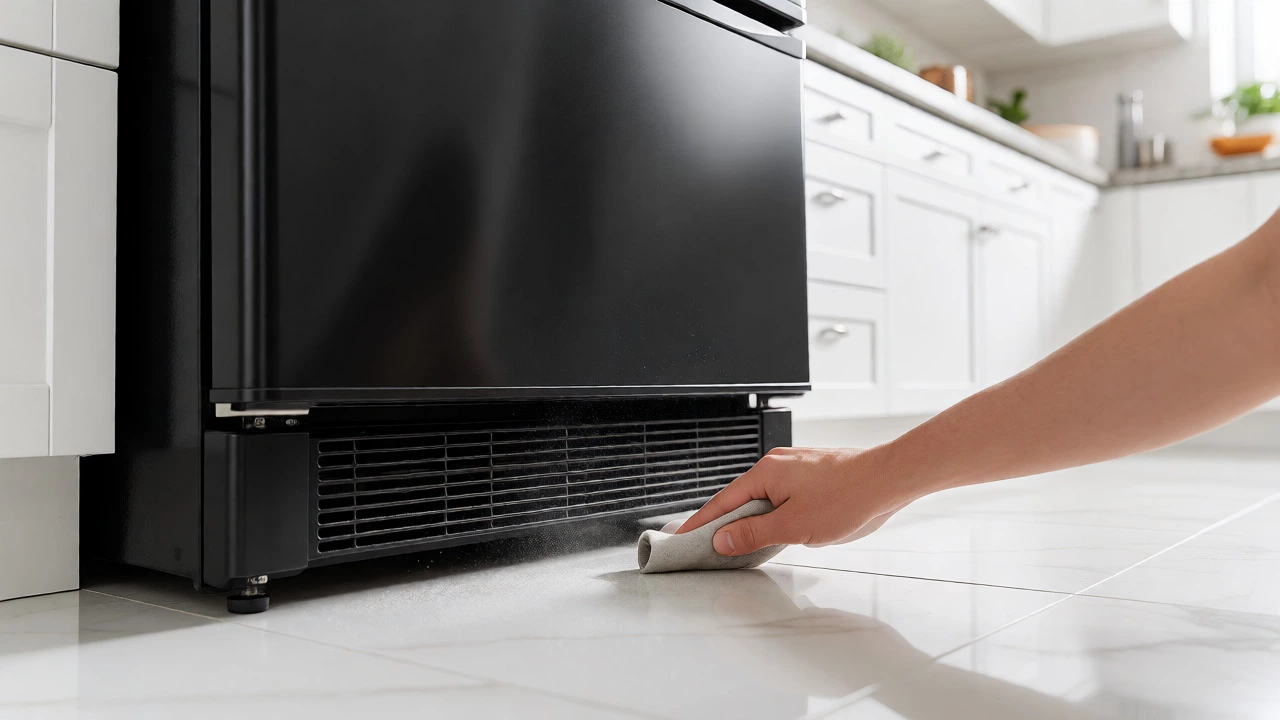
- Clean the Coils: Dust accumulates on the condenser coils (usually at the back or bottom). Dirty coils make the compressor work harder, leading to overheating and failure. Vacuum them every six months.
- Check Door Seals: Close the door on a dollar bill. If it slips out easily, your gasket is worn. Cold air escapes, forcing the fridge to run constantly. Replace seals annually if needed-they are cheap.
- Don’t Overload: Air needs to circulate. Stuffing the fridge blocks vents, causing uneven cooling and strain on the fan motor.
- Use Water Filters: If you have an ice maker, change the filter every six months. Clogged filters reduce water flow, causing the ice maker to grind and burn out its motor.
These small habits extend the life of any brand. A Whirlpool with dirty coils will fail sooner than a well-maintained Samsung. Maintenance is the great equalizer.
Final Verdict: Which Should You Buy?
If your priority is absolute minimal hassle, go with Whirlpool or Bosch. Choose Whirlpool if you want easy, affordable repairs and wide availability. Choose Bosch if you want premium build quality and can pay for it upfront. Avoid models with touchscreens and Wi-Fi if you hate troubleshooting electronics.
If you love tech and design, LG is a reasonable compromise. Just ensure you protect it from power surges. Be cautious with Samsung unless you are comfortable with potential early-life repairs or have a strong extended warranty. Ultimately, the "best" fridge is the one that matches your tolerance for maintenance. Simplicity remains the key to longevity.
Is it worth buying an extended warranty for a refrigerator?
For high-end brands with complex electronics like Samsung or Sub-Zero, yes. For reliable brands like Whirlpool, usually no. The cost of the warranty often exceeds the average repair cost over five years for simple models. However, if you buy a French-door model with an ice maker, consider it, as those components fail frequently.
How long should a refrigerator last?
The average lifespan is 10 to 14 years. However, well-maintained top-freezer models from reliable brands can last 15 to 20 years. Complex French-door models often start experiencing significant issues around year 7 to 9 due to electronic component aging.
Do expensive refrigerators break less often?
Not necessarily. Higher price often correlates with more features, which means more points of failure. A $3,000 fridge with a touchscreen may break more often than a $600 basic model. Luxury brands like Sub-Zero are exceptions due to superior materials, but mainstream premium brands often trade reliability for aesthetics.
What is the most common refrigerator repair?
The most common repairs involve the ice maker system, followed by faulty evaporator fans and clogged drain lines. Control board replacements are also frequent in smart-enabled models. Compressor failures are rare and usually indicate a severe electrical issue or poor installation.
Should I repair my old fridge or buy a new one?
Use the 50% rule. If the repair cost exceeds 50% of the price of a new comparable model, replace it. Also, if your fridge is over 10 years old and uses R-12 or older refrigerants, replacement is often cheaper than fixing efficiency losses. Newer models save significantly on energy bills.