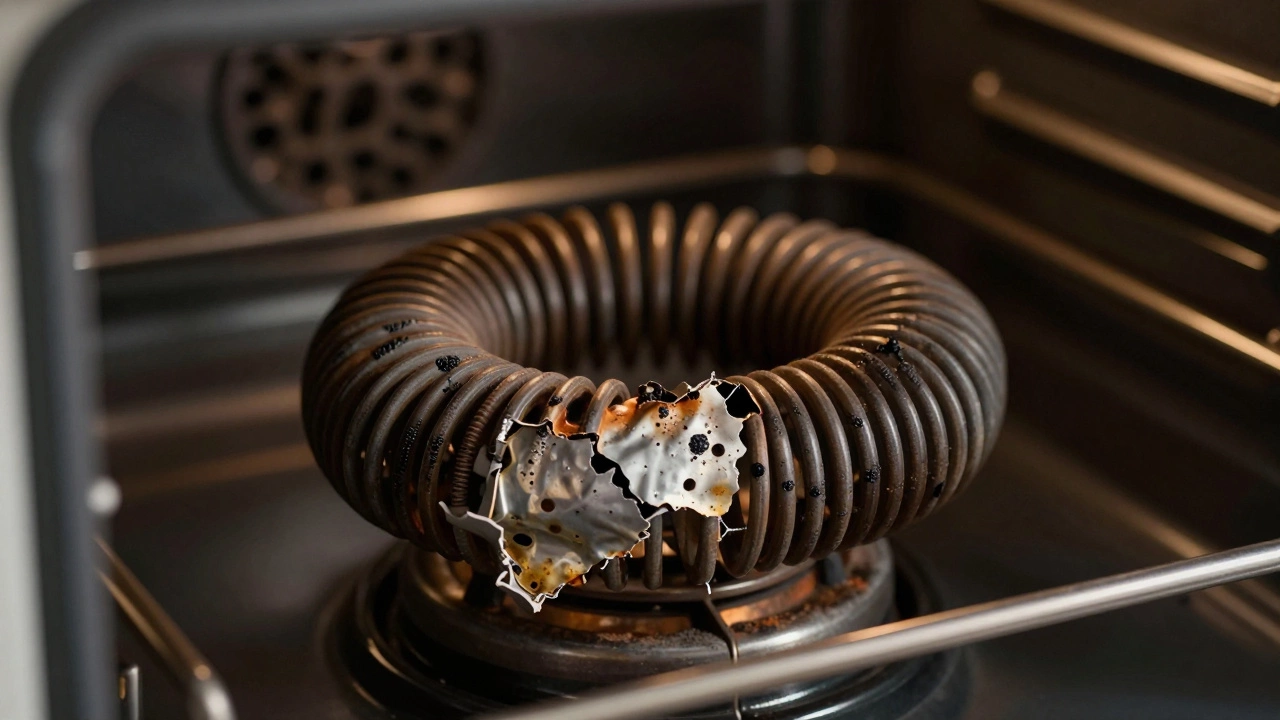
If your oven won’t heat up, or it’s taking forever to cook food, the most likely culprit isn’t the thermostat, the control board, or even a power issue-it’s the oven element. It’s the simple, visible coil inside your oven that glows red when it’s working. When it blows, the whole oven stops doing its job. And the good news? You don’t need to be an electrician to check it yourself.
What a blown oven element looks like
When an oven element fails, it doesn’t always make a loud pop or smoke. Often, it just stops working quietly. The first thing to look for is physical damage. Turn off the power at the circuit breaker, open the oven door, and take a close look at the heating element-usually at the top or bottom of the oven cavity.
A healthy element looks like a smooth, evenly spaced coil, usually made of metal with a shiny finish. If you see any of these signs, it’s blown:
- Blackened or burnt spots along the coil
- Cracks or gaps in the metal
- Sections that look melted or sagging
- Broken ends where the element connects to the terminals
One time, a customer in Lower Hutt brought me a brand-new oven that wouldn’t heat. The element looked fine at first glance. But when I touched it lightly, a 3-inch section snapped off in my hand. It had cracked internally from thermal stress. No visible burn marks, no sparks-just dead.
Does the element glow when you turn the oven on?
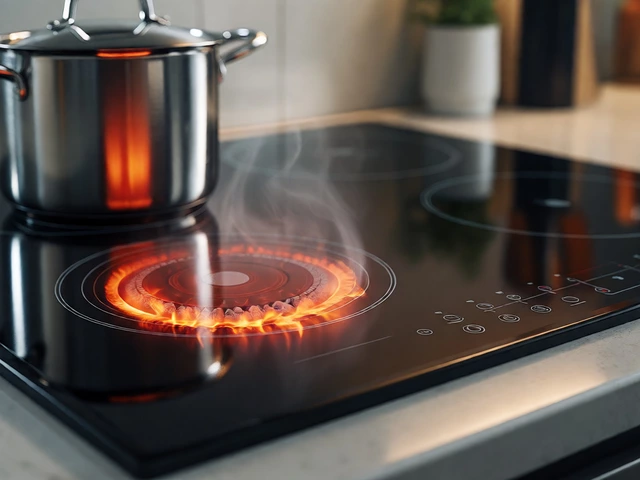
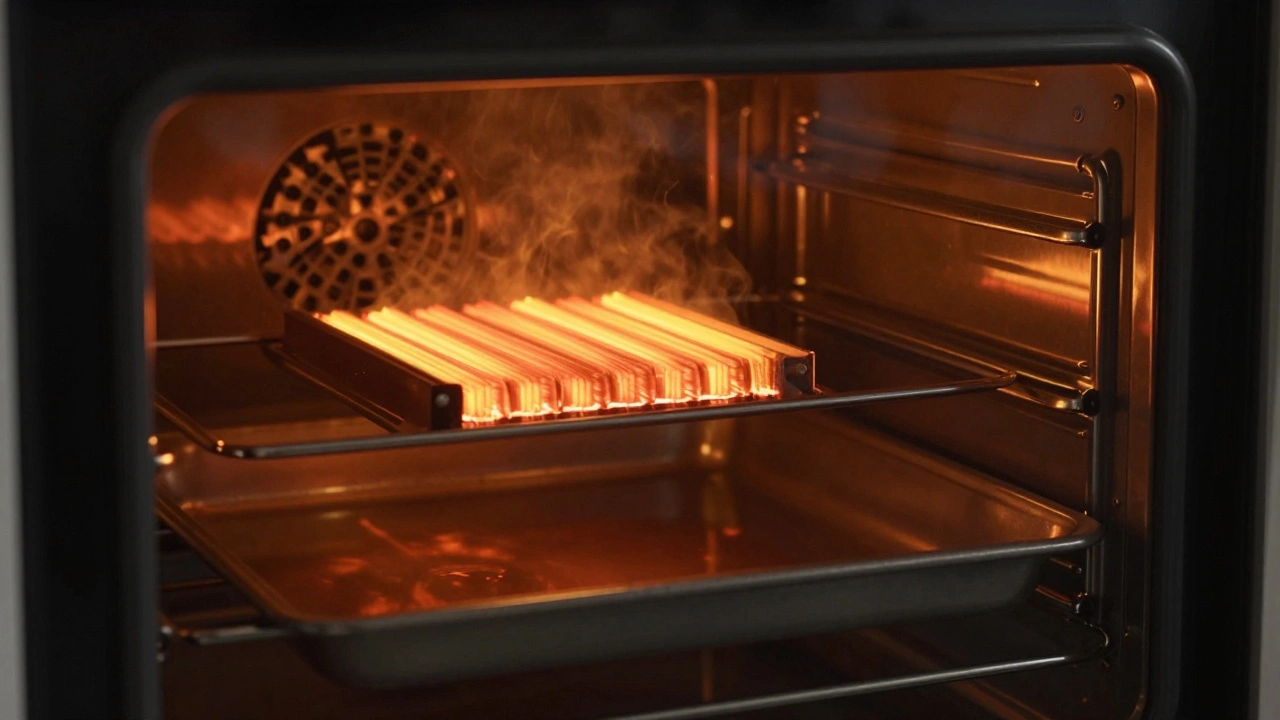
Power on the oven and set it to bake at 180°C. Wait 5-10 minutes. Don’t just glance-watch closely. A working element glows a bright, even orange-red. If it’s blown, it won’t glow at all. Or worse, it might glow in one spot and stay dark in another.
Some people think if the light inside the oven turns on, the element must be fine. That’s not true. The light and the heating element run on separate circuits. Your oven’s interior light working tells you nothing about the heating element.
Also, don’t rely on the oven’s display or beep. Modern ovens will still show “Preheating” and beep when it’s done-even if the element is dead. The control panel doesn’t know the element isn’t working. It just follows the command.
Use a multimeter to test continuity (if you have one)
If you’re comfortable with a multimeter, you can test for continuity. This is the most accurate way to confirm a blown element. But you don’t need to buy one. Most hardware stores rent them for under $10, or you can borrow one from a neighbor.
Here’s how:
- Turn off the power at the circuit breaker. Unplug the oven if it’s a plug-in model.
- Remove the oven element by unscrewing the mounting screws and gently pulling it out a few inches. Don’t yank the wires.
- Set your multimeter to the lowest ohm (Ω) setting.
- Touch one probe to each metal terminal on the end of the element.
- Watch the reading.
A good element will show a resistance between 20 and 120 ohms, depending on the model. If the meter reads “OL” (open loop) or nothing at all, the element is blown. If it reads zero, that’s also bad-it means there’s a short.
One common mistake? People test the element while it’s still connected to the oven. That gives false readings because the circuit is still live through other components. Always disconnect it first.
What else could be wrong if the element isn’t blown?
Just because the element looks okay doesn’t mean the oven will work. Here are three other common issues:
- Thermostat failure: If the thermostat can’t sense the right temperature, it won’t turn the element on. Test this by checking if the oven heats briefly then shuts off. That’s a sign the thermostat is cutting power too early.
- Broken selector switch: On older ovens, the dial that selects bake, broil, or convection can wear out. If the broil element works but the bake element doesn’t, the bake selector switch is likely the issue.
- Tripped thermal fuse: Many ovens have a safety fuse that cuts power if the oven overheats. It’s usually near the element or on the back wall. If it’s blown, the oven won’t heat at all, even if the element is fine. You can test it with a multimeter the same way as the element.
If you’ve checked the element and it’s good, and you still have no heat, start with the thermal fuse. It’s cheaper and easier to replace than the control board.
Why do oven elements blow in the first place?
Elements don’t just die randomly. They wear out over time. Here’s what actually causes them to fail:
- Age: Most elements last 5-10 years. If your oven is older than that, it’s not surprising.
- Moisture: Spills that aren’t cleaned up can seep into the terminals and cause corrosion. Salt from baked-on food is especially damaging.
- Overheating: If the oven’s temperature sensor fails and the element stays on too long, it burns out faster.
- Physical damage: Scrubbing the element with a metal brush, or accidentally knocking it with a pan, can crack the coil.
One family in Porirua replaced their element three times in two years. Turned out, they were using the self-clean function every week. That kind of extreme heat cycles kill elements fast. Once they switched to cleaning with vinegar and baking soda, their new element lasted seven years.

How to replace a blown oven element
Replacing an element is one of the easiest oven repairs you can do. Most elements cost between $30 and $80, depending on your oven model. You can find the right one by searching your oven’s make and model number online. Look for the part number printed on the old element itself.
Steps:
- Turn off power at the breaker.
- Remove the old element: unscrew the mounting brackets, pull it out far enough to access the terminals.
- Unplug the wires from the terminals. Take a photo first so you know which wire goes where.
- Connect the new element the same way.
- Screw it back in, turn the power on, and test.
You don’t need to remove the whole oven. No special tools. Just a screwdriver and patience.
When to call a professional
You should call a repair tech if:
- You smell burning plastic or see smoke when you turn the oven on.
- The oven trips the circuit breaker every time you use it.
- You’ve replaced the element and it still doesn’t work.
- You’re uncomfortable working with electricity.
Most of the time, though, it’s just the element. And fixing it yourself saves you $150-$300 in labor fees.
Can I still use my oven if one element is blown?
If the bottom element is blown and you’re using a convection oven, you might still be able to use the top broil element for short tasks like browning. But you won’t be able to bake or roast properly. The oven needs both elements to heat evenly. Using it with a blown element risks overheating other parts and could damage the control board. Don’t risk it.
Why does my oven heat unevenly after replacing the element?
If the new element is the right part but the oven still heats unevenly, the issue is likely the thermostat or the fan (in convection models). The element might be working, but it’s not cycling on and off correctly. Check the temperature sensor or have the control board tested.
How long does an oven element usually last?
Most oven elements last between 5 and 10 years. If your oven is older than that and the element fails, it’s normal. Newer ovens with better insulation and temperature control can push that to 12-15 years. Frequent use of self-clean mode or spills left uncleaned can cut that lifespan in half.
Can a blown oven element cause a fire?
A blown element itself won’t start a fire. But if the wires are frayed, the terminals are corroded, or the element is touching the oven wall, it can overheat and ignite nearby insulation or grease. Always turn off the power and inspect the wiring when you replace an element. Never ignore sparking or burning smells.
Is it worth repairing an old oven, or should I replace it?
If your oven is less than 10 years old and the rest of it works fine-no rust, no broken door seals, no control panel issues-then replacing the element is almost always worth it. It costs under $100 and takes an hour. If your oven is 15+ years old and you’re having multiple problems, it might be time to upgrade. Newer models use 20-30% less energy and heat more evenly.