Freezer Failure Food Safety Calculator
This tool helps determine if frozen food remains safe after a freezer failure. Enter the details below to get specific guidance based on USDA food safety guidelines.
If your freezer suddenly stops working, your first thought isn’t about repair bills-it’s about the food inside. That bag of ground beef, the batch of homemade soup, the frozen berries you bought on sale last month. Are they still safe? Or is it all trash now?
The short answer: it depends. Not all frozen food goes bad the moment the power cuts out. But waiting too long to act can turn a manageable problem into a health risk. Here’s what actually happens inside your freezer when it stops cooling-and what you should do next.
How Long Can Food Stay Safe Without Power?
A full freezer will keep food frozen for about 48 hours if the door stays shut. A half-full freezer? About 24 hours. This isn’t a guess-it’s from the USDA’s food safety guidelines, tested in real-world conditions. The key is insulation and how full the unit is. The more frozen food you have, the more it acts like a thermal battery, keeping everything cold longer.
Think of it like a cooler. If you pack it full of ice, the ice lasts longer. Same with your freezer. If it’s half-empty, the cold air escapes faster. That’s why keeping your freezer reasonably full helps-not just for efficiency, but for emergencies.
Check the Temperature Before You Touch Anything
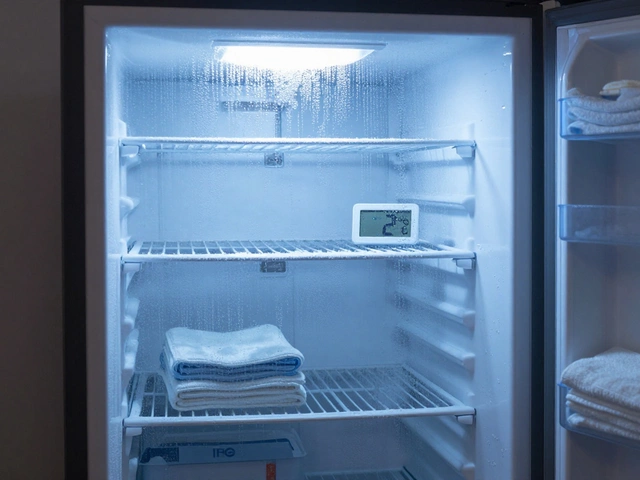
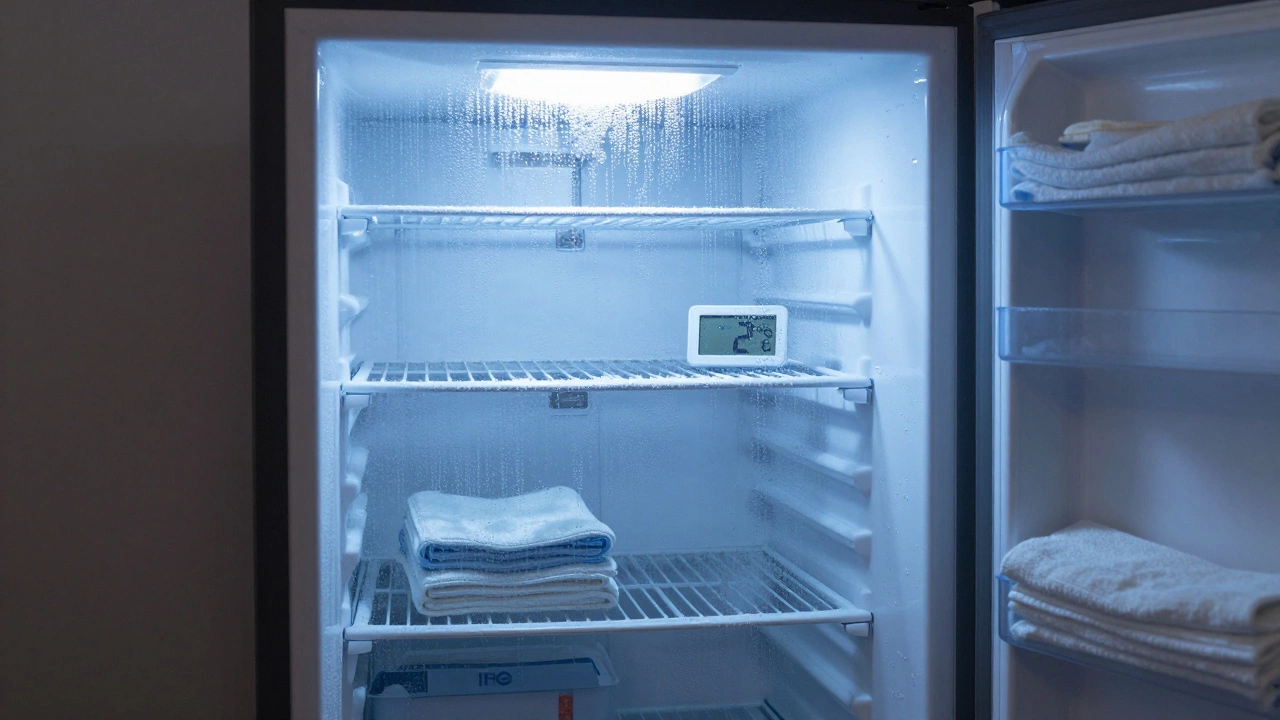
Don’t just open the door and start pulling things out. First, check the internal temperature. Most modern freezers have a digital display. If it’s above 4°C (40°F), it’s time to evaluate each item. If you don’t have a display, use a standalone freezer thermometer. Keep one in there anyway-it’s cheap and saves you from guessing later.
Here’s the rule: if the food still has ice crystals, or feels as cold as a refrigerator (4°C or below), it’s safe to refreeze. That’s true even if it’s a little soft. You might lose some texture-ice crystals can break down cell walls-but it won’t make you sick.
What to Save and What to Toss
Not all frozen food reacts the same way to thawing. Here’s a simple breakdown:
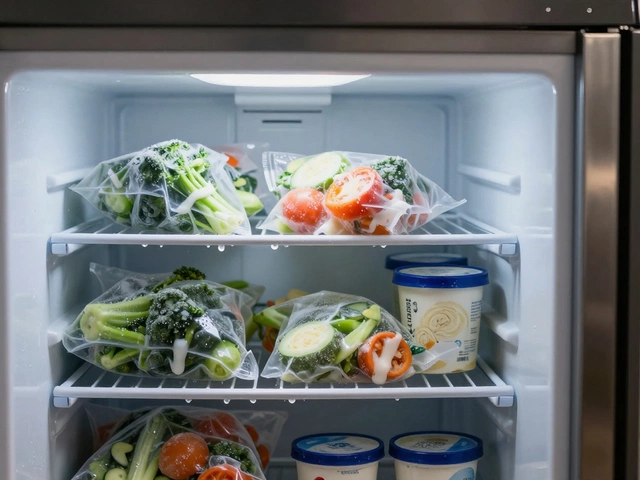
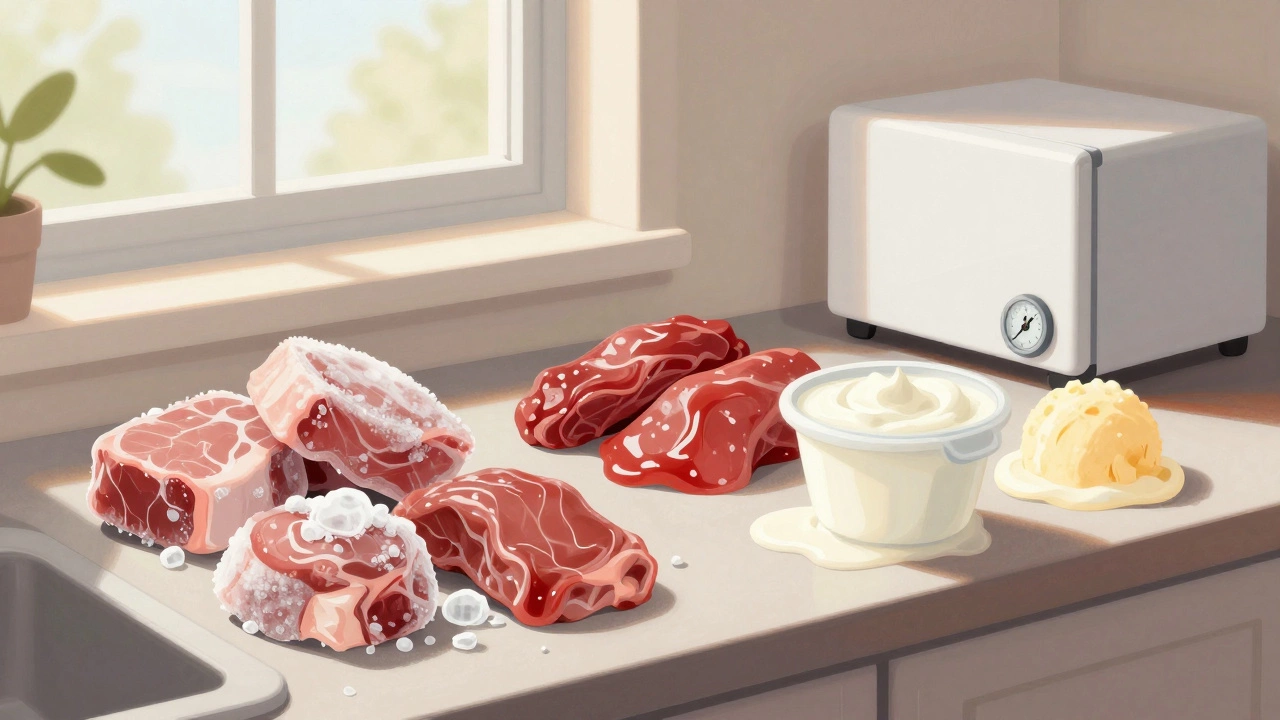
- Save: Meat, poultry, seafood, frozen vegetables, fruits, bread, baked goods, ice cream (if still firm), and frozen meals. If they have ice crystals or are cold to the touch, refreeze them.
- Toss: Thawed raw meat or poultry that’s been above 4°C for more than 2 hours. Any food with an odd smell, slimy texture, or unusual color. Thawed dairy products like cheese or yogurt if they’ve been warm too long. Cooked meals that were previously frozen and then thawed completely.
Don’t rely on taste to decide. Spoiled food doesn’t always taste bad before it’s dangerous. If you’re unsure, throw it out. The cost of replacing food is less than the cost of a hospital visit.
What About Ice Cream?
Ice cream is the most dramatic example. If it’s soft, melty, and has formed a slushy layer, it’s not just ruined-it’s unsafe. The sugar and fat content makes it prone to bacterial growth when it warms up. Even if you refreeze it, the texture will be gritty and unappetizing. And that’s the least of your worries. The USDA says: if ice cream has thawed completely, toss it.
Same goes for frozen yogurt, sorbet, and other dairy-based desserts. They’re not like meat or veggies. Their structure breaks down faster, and they’re more likely to harbor pathogens like Listeria.
What If the Freezer Died Days Ago?
Let’s say you were away for the weekend, or the power went out for three days. You come home to a warm freezer and a faint smell. What now?
Open the door slowly. If you smell anything sour, rancid, or just “off,” close it again and call a technician. Don’t risk opening everything. If the food is warm and smells bad, it’s not worth saving. Even if it looks okay, bacteria like Clostridium botulinum can grow without visible signs-and that’s deadly.
When in doubt, throw it out. No one will judge you for being extra careful. But if you eat spoiled food and get sick, you’ll regret the cost savings.
Can You Refreeze Food After It Thaws?
Yes-but only if it’s still cold. The USDA says refreezing is safe as long as the food hasn’t gone above 4°C for more than two hours. You won’t get the same quality, though. Meat might get dry. Vegetables might turn mushy. But it’s not dangerous.
What you can’t do: refreeze food that was thawed at room temperature, left out overnight, or sat in a warm kitchen. That’s where bacteria multiply fast. Once it’s been in the danger zone (4°C to 60°C) for more than two hours, it’s not coming back.
What to Do While You Wait for Repair
While you’re waiting for a technician to fix your freezer, don’t just sit there. Here’s what to do right now:
- Keep the door closed. Every time you open it, you lose 15-20 minutes of cold retention.
- Fill empty spaces with towels or newspaper. This helps insulate the cold air inside.
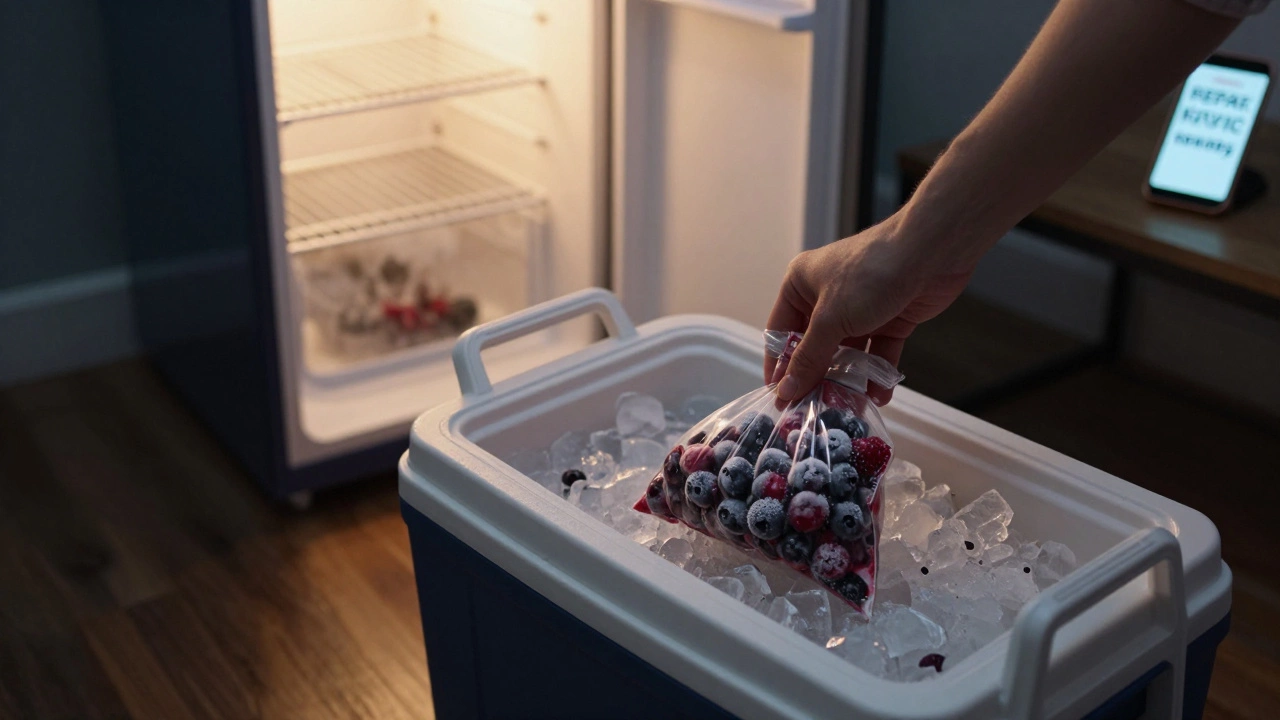
- If you have access to a cooler, move perishable items there. Add ice packs or bags of ice from the grocery store.
- Call a repair service immediately. Don’t wait. Freezers don’t fix themselves, and delays cost more.
Some people try to use dry ice to keep things cold. That’s fine if you have it, but don’t handle it without gloves. Dry ice is -78°C. Touching it directly causes frostbite. And never put it in a sealed container-it can explode.
Preventing This in the Future
Freezer failure isn’t always random. Often, it’s a sign of something older. If your freezer is over 10 years old, it’s more likely to break down. The compressor wears out. The seals dry up. The condenser coils get dusty.
Here’s how to avoid a repeat:
- Check the door seals every six months. If you can pull a piece of paper out easily, the seal is weak.
- Clean the condenser coils once a year. Dust buildup makes the compressor work harder.
- Don’t overload the freezer. Air needs to circulate. Packed too tight, and the cooling system can’t do its job.
- Keep a thermometer inside. You’ll know the moment things start warming up.
- Consider a backup power source. A small UPS or battery backup can keep the freezer running for 4-6 hours during a power outage.
Most freezers last 12-15 years. If yours is older than that and just broke, it might be cheaper to replace it than repair it. A new energy-efficient model can save you hundreds on electricity over time.
When to Call a Pro
You don’t need to be a technician to know when it’s time to call one. Here are signs your freezer needs professional help:
- It’s running constantly but not cooling.
- You hear loud buzzing or clicking noises.
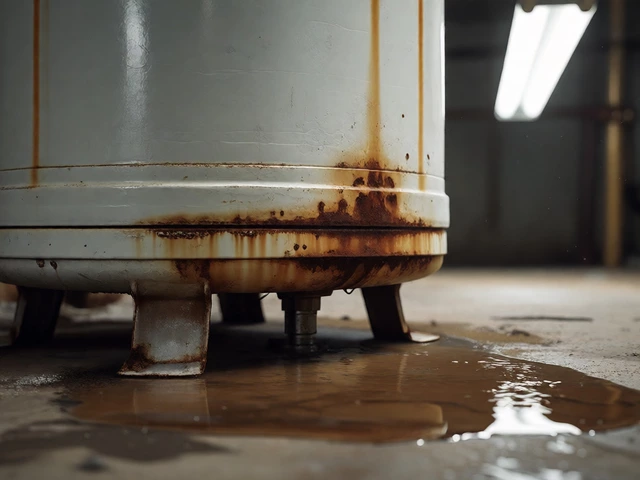
- Water is pooling under or around the unit.
- The back of the freezer feels unusually hot.
- It’s over 10 years old and has had multiple repairs.
Trying to fix a freezer yourself can be dangerous. Refrigerant lines are under pressure. Electrical components can shock you. And if you damage the system, you’ll pay more to fix it later.
Call a certified appliance repair technician. They’ll check the compressor, refrigerant levels, thermostat, and seals. Most repairs take less than an hour. And if it’s not worth fixing, they’ll tell you-no pressure to sell you a new unit.
Final Advice: Don’t Panic, But Don’t Wait
When your freezer stops working, don’t assume everything is lost. And don’t assume it’s fine. Take action within the first 24 hours. Check the temperature. Sort the food. Call a repair service. Keep the door shut.
Food safety isn’t about being perfect. It’s about making smart choices when things go wrong. Most people panic and throw out perfectly good food-or they ignore the problem and risk illness. You don’t have to be either.
Keep your freezer full. Keep it clean. Know the signs of trouble. And when it fails? You’ll know exactly what to do next.