Oven Repair vs. Replace Calculator
Use this calculator to apply the "50% Rule" and assess your specific situation. Enter your repair quote and the cost of a comparable new oven to see if it's worth fixing.
Additional Factors
Recommendation
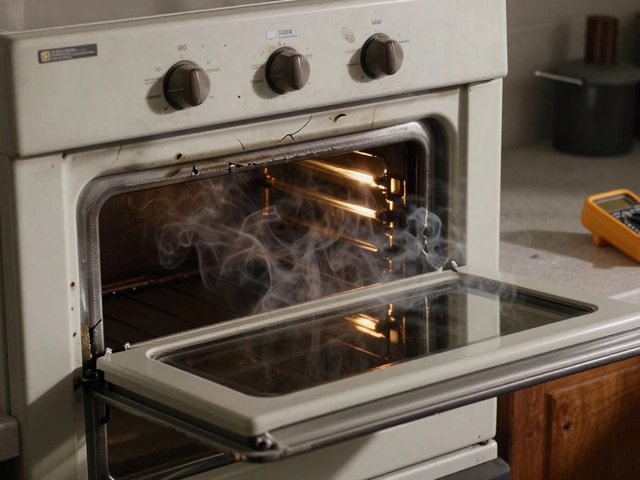
You’re standing in your kitchen, staring at an electric oven that refuses to heat evenly or has started making a weird buzzing noise. It’s five years old. Not ancient, but not exactly new either. The technician just quoted you $350 for the fix. Your gut says “new oven,” but your bank account whispers “maybe wait.” So, what do you actually do?
This isn’t just about money. It’s about reliability, energy bills, and how much hassle you want in your life. A five-year-old oven sits right on the fence of the appliance lifecycle. Most major brands design these units to last between 10 and 15 years with proper care. If yours is failing now, it might be a minor glitch, or it might be the beginning of a slow decline. Let’s break down exactly when to pay the repair bill and when to start shopping.
The 50% Rule: A Simple Financial Test
Appliance technicians often use a quick heuristic called the 50% rule. Here is how it works: if the cost of the repair exceeds 50% of the price of a comparable new unit, you should generally buy a replacement instead.
Let’s look at real numbers from the current market. A decent mid-range electric oven costs between $800 and $1,200. If your repair quote is $450, that’s more than half the value of a brand-new machine with a full warranty. You are essentially paying premium prices for used technology. However, if the repair is $150-say, replacing a faulty heating element or a door seal-that’s only 15% of the replacement cost. In this scenario, fixing it is almost always the smarter financial move.
| Scenario | Estimated Repair Cost | New Oven Cost | Verdict |
|---|---|---|---|
| Minor Part Failure (Element, Seal) | $100 - $200 | $900+ | Repair |
| Control Board Issue | $300 - $500 | $900+ | Replace |
| Fan Motor Burnout | $250 - $400 | $900+ | Borderline |
| Multiple Failures | $600+ | $900+ | Replace |
Diagnosing the Problem: Is It Fixable?
Not all breakdowns are created equal. Some issues are isolated incidents; others are symptoms of systemic failure. Understanding the specific component that failed helps you predict future reliability.
Heating Elements are the most common failure point in electric ovens. They are consumable parts, similar to lightbulbs. If one element blows out, replacing it is cheap and straightforward. This does not mean the rest of the oven is dying. It just means you used it a lot. Conversely, if the Electronic Control Board fails, that’s different. These boards manage temperature, timers, and safety locks. They are expensive ($300-$500) and sensitive to power surges. If your board dies, other components may have been stressed by the same electrical event. Replacing the board on a five-year-old unit often leads to another failure within six months.
Consider the Convection Fan
. If the fan motor seizes, heat doesn't circulate, leading to uneven baking. Repairing this usually involves labor-intensive access to the back panel. If the fan bearing was noisy for months before seizing, it suggests long-term wear. A new oven will have a fresh motor, better insulation, and updated electronics. If the fan just stopped suddenly without warning, it might be a simple capacitor issue, which is cheaper to fix.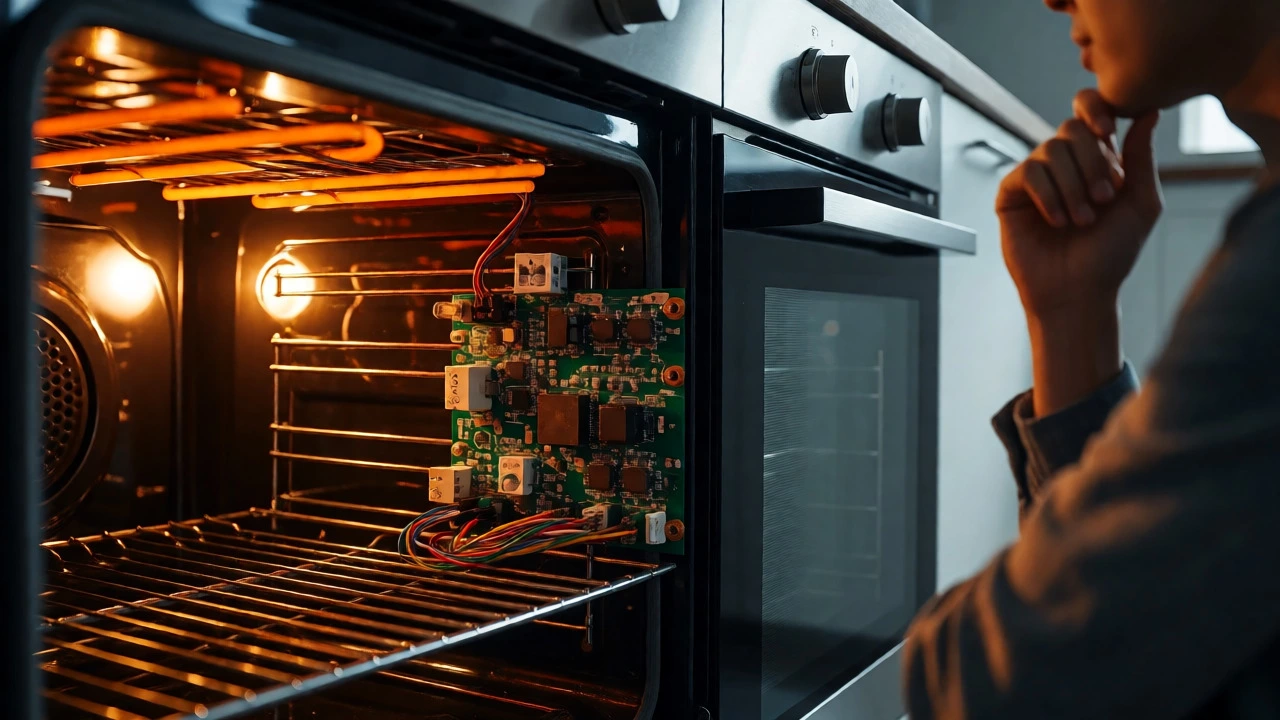
Energy Efficiency: The Hidden Cost of Old Tech
A five-year-old oven isn’t terribly inefficient compared to models from 2010. However, technology has moved fast in the last few years. Modern appliances focus heavily on insulation quality and smart heating algorithms.
Check your energy bill. If you notice a spike in electricity usage correlated with heavy cooking days, your oven’s insulation might be degrading. Broken door seals allow heat to escape, forcing the elements to work harder. While replacing a seal is cheap ($50-$80), check the glass panels too. If the inner glass is cracked, heat loss is significant, and repair costs for double-glazed oven doors can skyrocket to $300+. Newer models often feature triple-glazed doors and better cavity insulation, reducing preheat times by up to 20%. Over five years, those savings can offset part of the purchase price.
Brand Reputation and Parts Availability
Who made your oven? This matters more than you think. Premium brands like Miele, Gaggenau, or high-end Bosch units are built with metal internals rather than plastic. They are designed to be repaired multiple times over their lifespan. If you own a premium unit, repairing it is almost always worth it because the chassis itself lasts decades.
On the other hand, budget brands often use proprietary parts that become scarce after five years. If you call a technician and they say, “I can get the part, but it takes three weeks and costs extra for shipping,” consider that a red flag. You don’t want to be without an oven for a month waiting for a discontinued thermostat. Check online forums or contact local repair shops to see if parts for your specific model number are readily available. If parts are hard to find, the risk of prolonged downtime outweighs the savings of a repair.
Lifestyle Factors: Do You Actually Need New Features?
Sometimes, the decision isn’t purely financial. Ask yourself: What do I hate about my current oven? Five years ago, steam cleaning might have been a luxury. Now, many users rely on it to avoid harsh chemicals. If your current model lacks self-cleaning capabilities, and you dread scrubbing grease, a replacement offers a quality-of-life upgrade.
Also, consider your cooking habits. If you bake frequently, precise temperature control is vital. Older ovens often suffer from calibration drift, where the dial says 180°C but the actual temp is 170°C. Calibrating an old oven is possible but temporary. New digital models maintain tighter tolerances. If you are a serious home baker, the frustration of ruined soufflés might justify the cost of a new unit even if the old one is technically repairable.
The Verdict: When to Keep and When to Toss
Here is a quick checklist to make your final decision:
- Repair if: The issue is a single, cheap part (element, seal, light bulb); the oven is otherwise clean and well-maintained; you own a premium brand; the repair cost is under $250.
- Replace if: The control board or wiring harness fails; multiple components have broken in the last year; the repair cost exceeds $400; the exterior shows significant rust or damage; you want upgraded features like steam assist or air frying.
A five-year-old oven is in its prime, but it’s also entering the zone where wear-and-tear becomes noticeable. Don’t let a salesperson pressure you into buying new. Get a firm repair quote first. Compare it against the 50% rule. If the math checks out, keep your reliable workhorse running. If the repair feels like throwing good money after bad, invest in a modern appliance that will serve you reliably for the next decade.
How long do electric ovens typically last?
Most electric ovens are designed to last between 10 and 15 years. High-end brands can last longer with regular maintenance, while budget models may fail sooner due to lower-quality internal components like thermostats and wiring.
Is it cheaper to repair an oven or buy a new one?
It depends on the repair cost. Generally, if the repair is less than 50% of the cost of a new equivalent model, repairing is cheaper. For minor issues like heating elements, repair is almost always cheaper. For major electronic failures, replacement is often more cost-effective long-term.
What are the most common oven repairs?
The most frequent repairs include replacing heating elements, fixing faulty door seals, repairing or replacing the thermostat, and addressing issues with the convection fan motor. Electronic control board failures are less common but significantly more expensive to fix.
Does a new oven save money on energy bills?
Newer ovens are generally more energy-efficient due to better insulation and improved heating elements. However, the savings are gradual. Unless your old oven has poor insulation or broken seals causing massive heat loss, the energy savings alone rarely justify immediate replacement.
Can I replace just the oven door glass?
Yes, but it can be complex and costly depending on the model. Double or triple-pane doors require specialized assembly. If the frame is damaged or the glass is integrated into a sealed unit, replacement costs can approach $300-$400, which may trigger the 50% rule for replacement.