Microwave Repair vs. Replace Calculator
Configure Your Appliance
Analyze Configuration
Adjust the settings to see our recommendation.
Estimated Cost Breakdown
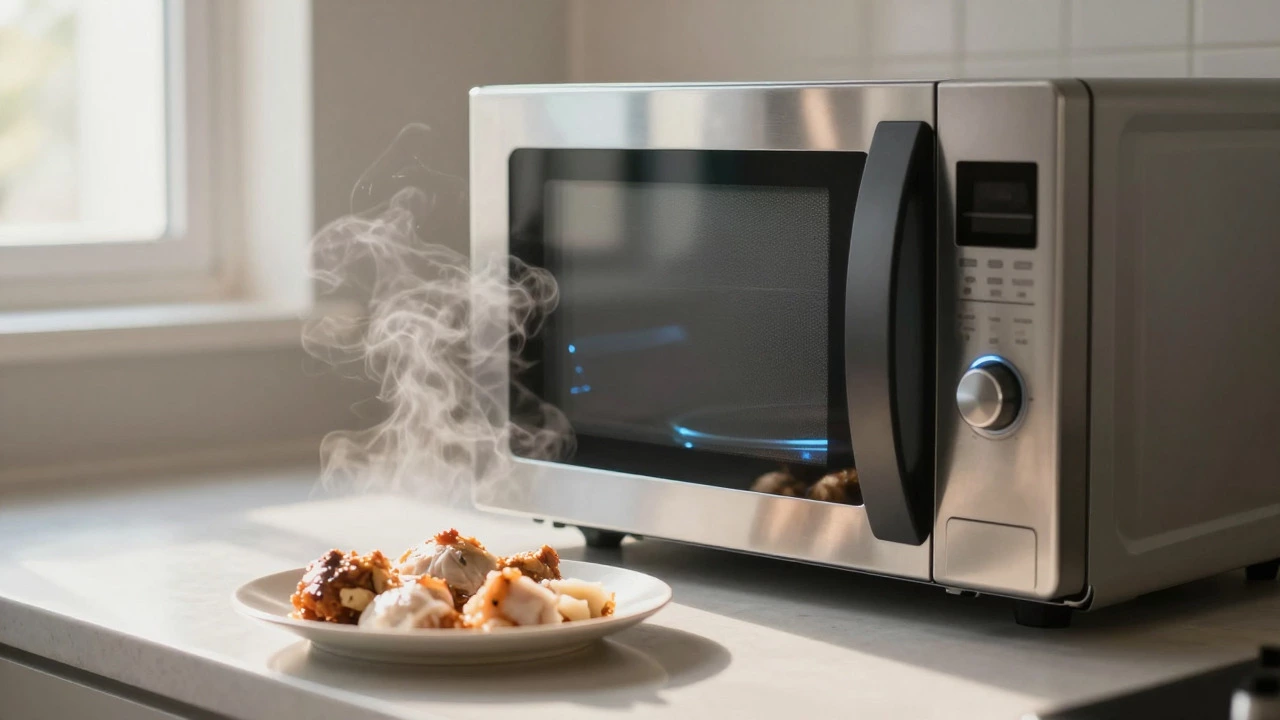
That sinking feeling when you put your dinner in the microwave and it just sits there, cold, while the turntable spins mockingly? We’ve all been there. Before you toss that perfectly good appliance into the recycling bin, you need to know one thing: is fixing the heart of the machine actually cheaper than buying a brand-new one?
The short answer is: usually no. But like most things in life, it depends on what kind of microwave you own. If you have a basic countertop model from a big-box store, replacing the magnetron-the component that generates the microwaves-is often more expensive than the entire unit. However, if you own a high-end built-in unit, an over-the-range model with powerful ventilation, or a commercial-grade workhorse, the math flips completely.
What Exactly Is a Magnetron and Why Does It Fail?
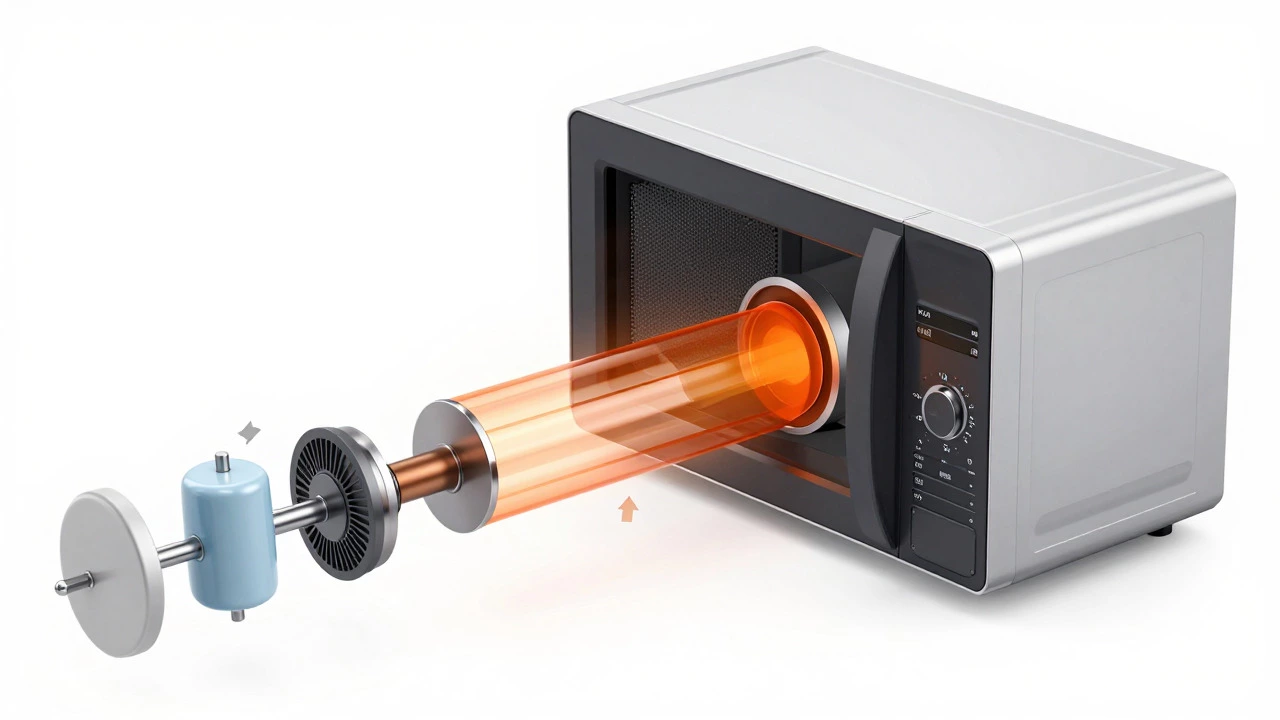
To decide if repair is worth it, you first need to understand what broke. The magnetron is a specialized vacuum tube that converts electrical energy into electromagnetic waves (microwaves) used to heat food. Think of it as the engine of your microwave. Without it, you just have a very expensive lighted box with a fan.
Magnetrons typically last between 7 to 10 years under normal use. They fail because they wear out. The cathode inside erodes over time, reducing its ability to emit electrons. Other causes include:
- Running empty: Microwaves need something to absorb the energy. Running them dry reflects energy back into the magnetron, overheating it.
- Sparking: Metal objects or damaged waveguide covers can cause arcing, which damages the magnetron’s antenna.
- Power surges: A sudden spike in voltage can fry the internal components instantly.
If your microwave hums but doesn’t heat, or if you see sparks coming from inside, the magnetron is likely dead. Sometimes, the issue isn’t the magnetron itself but the high-voltage capacitor or the diode, which are much cheaper to replace. Always check those first before condemning the magnetron.
The Cost Breakdown: Parts vs. Labor vs. New Unit
Let’s talk numbers. This is where the decision gets real. In 2026, prices for parts and labor have shifted, so let’s look at current market rates.
| Item | Estimated Cost (NZD) | Notes |
|---|---|---|
| Universal Magnetron Part | $80 - $150 | Price varies by wattage (700W-1000W). Universal fits many models. |
| OEM Magnetron Part | $120 - $250+ | Original Equipment Manufacturer part. Harder to find for older models. |
| Professional Labor | $100 - $200 | Typical service call + 1 hour labor. Wellington rates may vary. |
| Total Repair Cost | $180 - $450 | Parts + Labor combined. |
| New Basic Countertop Microwave | $150 - $300 | Standard 20-25 liter capacity. |
| New Premium/Built-in Microwave | $600 - $1,500+ | Includes installation costs for built-ins. |
As you can see, if you’re dealing with a standard $200 countertop microwave, spending $250 to fix it makes zero financial sense. You’d be paying more to keep the old one than to buy a shiny new one with a fresh warranty.
However, if you have a built-in microwave installed above your oven, the story changes. These units often cost $800 to $1,500. Plus, replacing them involves demolition, potential cabinetry adjustments, and professional installation. In this scenario, a $250 repair is a no-brainer.
When Should You Definitely Replace the Magnetron?
There are specific scenarios where pulling the trigger on a repair is the smart move. Don’t just look at the price tag; look at the value proposition.
- You Own a High-End Brand: Brands like Miele, Gaggenau, or high-tier Samsung and LG models offer features you won’t get in cheap replacements. Their convection capabilities, sensor cooking, and build quality justify the repair cost.
- It’s an Over-the-Range Model: These microwaves double as range hoods. Removing and reinstalling one requires ductwork checks and mounting hardware that’s a pain to redo. Saving $300 on a new unit isn’t worth the hassle of reinstallation.
- Environmental Concerns: E-waste is a massive problem. Extending the life of a durable appliance by five years reduces landfill waste. If you care about sustainability, repair wins.
- The Rest of the Unit Is Solid: If the door seals are tight, the keypad works perfectly, and the turntable motor is strong, why throw away a functioning chassis just because one component failed?
When Should You Just Buy a New Microwave?
Conversely, there are clear signs that your microwave has had its run. Here’s when you should walk away from the repair shop and head to the store.
- Age Over 10 Years: Even if you fix the magnetron, other components like the door switch, control board, or transformer are likely nearing failure. You’ll be throwing good money after bad.
- Cheap Generic Brand: If your microwave cost less than $150 new, it was never designed to be repaired. Parts may be obsolete or unavailable.
- Multiple Failures: Did the diode fail too? Is the interior rusting? Rust compromises safety and structural integrity. If multiple systems are failing, the whole unit is compromised.
- Technology Leap: Newer microwaves are more energy-efficient, quieter, and have better sensors. An old model might take longer to heat food and use more electricity per cycle.
DIY Repair: Can You Do It Yourself?
If you’re handy with tools and have a steady hand, you can save the labor cost. But warning: microwaves contain lethal voltages even when unplugged. The high-voltage capacitor can hold a charge of up to 4,000 volts. One wrong move, and you could end up in hospital-or worse.
If you decide to DIY, follow these strict safety rules:
- Discharge the Capacitor: Use an insulated screwdriver to safely discharge the capacitor before touching anything. Watch tutorials specifically for your model.
- Buy the Right Part: Not all magnetrons fit all microwaves. Check the wattage, frequency (usually 2.45 GHz), and physical dimensions. Universal magnetrons exist but require careful fitting.
- Check the Waveguide Cover: While you’re in there, inspect the mica sheet (waveguide cover). If it’s burnt or cracked, replace it. It’s a $5 part that prevents future magnetron damage.
- Test Before Reassembly: Once installed, test the unit without the outer casing on (carefully!) to ensure it heats properly before sealing everything up.
If you’re not comfortable working with high-voltage electronics, hire a pro. The peace of mind is worth the extra $100.
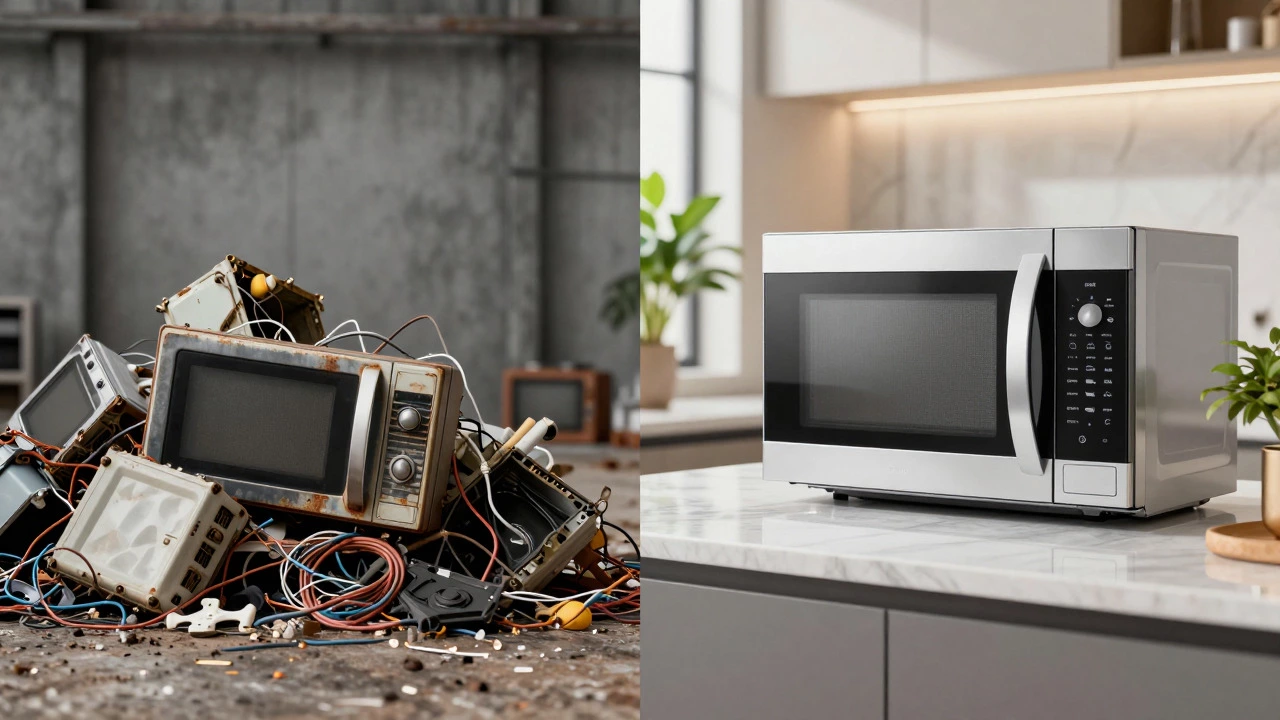
Signs Your Microwave Needs More Than a Magnetron Fix
Sometimes, the magnetron is the victim, not the culprit. Before ordering a new magnetron, rule out these common issues:
- Bloated Capacitor: If the top of the capacitor looks swollen, it’s leaking electrolyte. Replace it ($20 part).
- Failed Diode: A multimeter test can reveal if the diode is open or shorted. Cheap fix ($15 part).
- Blown Fuse: Some models have a thermal fuse. If it trips, the microwave stops heating. Reset or replace it.
- Broken Turntable Motor: If food isn’t rotating, heating is uneven. This doesn’t mean the magnetron is dead, but it affects performance.
A quick diagnostic can save you hundreds. If the control panel lights up and the turntable spins, but there’s no heat, focus on the high-voltage circuit: capacitor, diode, and magnetron.
Conclusion: Make the Smart Choice
So, is it worth replacing a magnetron? For most people with basic microwaves, no. The cost of parts and labor outweighs the benefit. But for owners of premium, built-in, or over-the-range models, yes-it’s a smart investment that saves money, hassle, and environmental impact.
Ask yourself: How much did I pay for this microwave originally? How old is it? Are there other issues creeping in? If the answers point to a younger, higher-value unit, go ahead and repair it. If it’s an old, cheap model, treat the broken magnetron as nature’s way of telling you it’s time for an upgrade.
How long does a microwave magnetron last?
A typical microwave magnetron lasts between 7 to 10 years with regular use. Factors like running the microwave empty, frequent power surges, or poor ventilation can shorten its lifespan significantly.
Can I replace a microwave magnetron myself?
Yes, but it carries significant risk due to high voltage. You must safely discharge the high-voltage capacitor before handling any components. If you are not experienced with electronics, hiring a professional is safer and often worth the cost.
What are the symptoms of a bad magnetron?
The primary symptom is the microwave humming but not heating food. Other signs include sparking inside the cavity, unusual noises during operation, or the trip of the circuit breaker when the microwave is turned on.
How much does it cost to replace a magnetron in NZ?
In New Zealand, expect to pay between $180 and $450 NZD total, including parts and labor. The magnetron part itself ranges from $80 to $250 depending on whether you buy universal or OEM parts.
Should I repair my 10-year-old microwave?
Generally, no. At 10 years old, other components are likely near failure. Unless it is a high-end built-in model, buying a new, more energy-efficient unit is usually the more economical choice.