Boiler Replacement Estimator
Project Details
Your Estimated Project Plan
Cost Breakdown (NZD)
What to Expect
Select your options and click "Get Estimate" to see your timeline and costs.
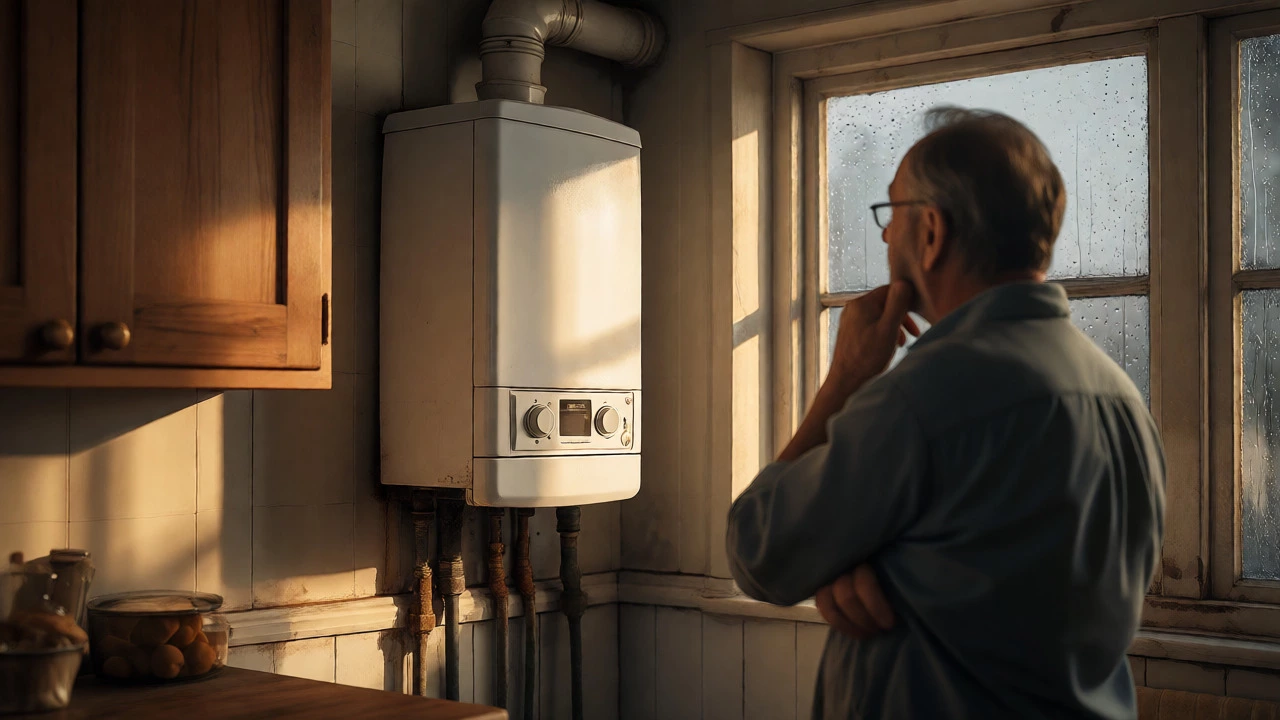
You’re staring at your old boiler, which is sputtering, leaking, or just refusing to heat your home. The repair quote comes back higher than you expected, and the technician drops the dreaded phrase: "It might be time for a replacement." Your stomach drops. Is this going to take weeks? Will they tear up your kitchen? Do you need to move out?
Here’s the straight answer: replacing a boiler is a significant job, but it is rarely the chaotic nightmare people imagine. For most standard swaps-where you are putting a new unit in the same spot as the old one-it is often done in a single day. However, the complexity depends entirely on whether you are sticking with the same fuel type and location or making major changes to your heating setup.
Quick Summary / Key Takeaways
- Standard Swap: If you replace an existing combi or system boiler with a similar model in the same location, expect a 1-day job (4-8 hours).
- Fuel Switch: Moving from oil to gas, or LPG to natural gas, involves running new pipes and can take 2-3 days.
- System Overhaul: Adding underfloor heating or moving the boiler to a different room extends the timeline to 3-5 days.
- Cost Factor: Labor usually accounts for 40-50% of the total bill; complex jobs drive this percentage up.
- Prep Work: Clearing the area around your old boiler saves time and money.
The "Like-for-Like" Replacement: The Fast Track
If your current setup works fine except for the boiler itself, you are in luck. This is what engineers call a like-for-like replacement. You aren’t changing where the pipes run, you aren’t adding radiators, and you aren’t switching fuels. In Wellington, where many homes have older cast-iron systems updated with modern units, this is common.
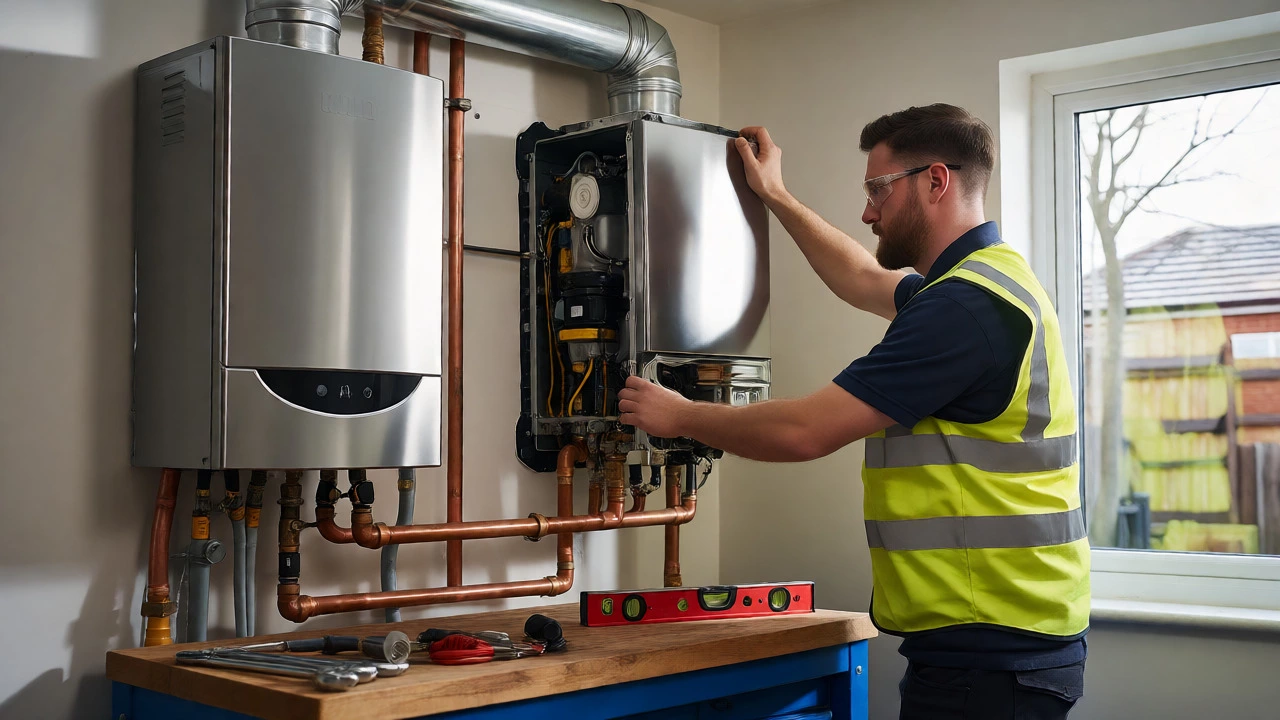
A qualified gas fitter will isolate the water and gas supplies, remove the old unit, install the new bracket, connect the flue, and commission the new heating system. They will also flush the system to remove sludge, which protects your new investment. Because the plumbing routes already exist, there is minimal mess. You’ll likely wake up to a cold house and go to bed with hot showers and warm radiators.
This speed is possible because the core infrastructure remains untouched. The engineer doesn’t need to chase walls or lift floorboards unless there is a hidden leak. It is efficient, predictable, and generally cheaper than any other scenario.
When the Job Gets Bigger: Fuel Changes and Relocations
Things get complicated when you decide to change the fundamentals. Maybe you want to switch from an old oil-fired boiler to a gas condensing boiler because natural gas lines were recently laid in your street. Or perhaps you want to move the boiler from the airing cupboard to the garage to free up space.
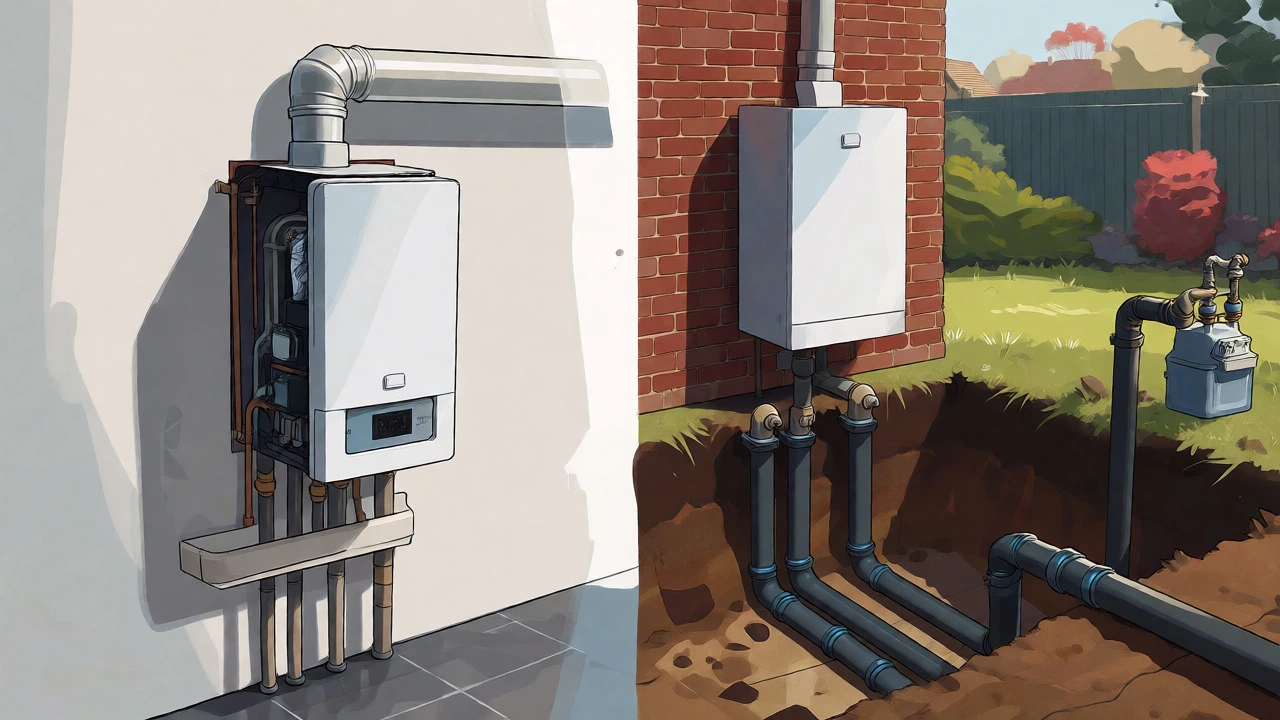
Switching fuels isn’t just about swapping the box on the wall. It requires running a new gas supply line from the meter to the new location. This often means digging trenches in the garden or chasing channels into brickwork. If you are moving the boiler, you have to extend the gas pipe, reroute the condensate drain, and potentially extend the flue exhaust to the outside wall. Each of these steps adds labor hours. A simple swap takes a few hours; a relocation with new pipework can easily stretch into two full days.
Consider the flue. Modern condensing boilers require a plastic PVC flue that must exit within specific distance regulations from windows and boundaries. If your old chimney breast is being bricked up, or if the new flue needs to go through a different wall, masonry work becomes part of the job. That means dust, noise, and potential painting touch-ups.
Understanding the Hidden Costs and Time Sinks
Why do some quotes vary so wildly? It’s rarely about the boiler price tag. It’s about the ancillary work. Here is what actually eats up time and budget:
- System Flushing: If your old system has sludge (black, dirty water), a simple drain-and-refill won’t cut it. Power flushing uses high-velocity water to clean the pipes. This can add half a day to the job and costs extra, but skipping it voids warranties and kills efficiency.
- Gas Safety Checks: Before touching anything, a registered engineer must check the integrity of the existing gas pipework. If they find corrosion or leaks, repairs must happen before the new boiler goes in.
- Electrical Connections: New boilers often need a dedicated spur or upgraded wiring. An electrician might need to visit separately, adding coordination delays.
- Building Consents: In New Zealand, while minor changes don’t always need consent, moving a boiler or altering structural elements might. Dealing with paperwork adds administrative time.
Don’t forget the removal fee. Disposing of an old cast-iron boiler is heavy work. Some quotes include it; others charge extra. Always ask if "waste removal" is included.
How Long Does It Really Take? A Realistic Timeline
Let’s break down the schedule based on typical scenarios in residential homes. These estimates assume access to the property is easy and no unexpected surprises pop up behind the walls.
| Scenario | Estimated Duration | Complexity Level | Key Tasks Involved |
|---|---|---|---|
| Like-for-Like Swap | 4-8 Hours | Low | Disconnect, mount, connect, test. |
| Same Location, Different Type | 1 Day | Medium | Adjusting flue, updating controls, minor pipe mods. |
| Relocation (Same Fuel) | 1-2 Days | High | New pipework runs, wall chasing, new flue route. |
| Fuel Change (e.g., Oil to Gas) | 2-3 Days | Very High | New gas main connection, tank removal, extensive testing. |
| Full System Upgrade | 3-5 Days | Extreme | New radiators, zoning controls, power flush, new boiler. |
Notice how quickly the timeline expands once you start moving things around. If you are planning a renovation, try to align the boiler swap with other trades. Having plumbers and plasterers on-site simultaneously saves you from having to patch holes later.
Do You Need to Move Out?
This is the big worry for families. For a standard replacement, absolutely not. The worst part is the first hour when they drain the system. You might lose hot water and central heating for 6-10 hours. Most people manage by using electric heaters and boiling kettles for tea. Showers might be tricky if you rely solely on the boiler for hot water, so plan a trip to the gym or a neighbor’s house for the afternoon.
If you are doing a major overhaul involving lifting floors or cutting into concrete foundations for a new gas line, you might want to stay elsewhere for a night due to noise and dust. But for 90% of jobs, you can sleep in your own bed that night.
Choosing the Right Engineer Matters More Than the Brand
In New Zealand, you must use a licensed gasfitter for any gas work. Never hire a handyman for this. A licensed professional ensures compliance with NZS 5601 standards, which govern gas installations. They handle the safety certificates required for insurance and resale value.
Ask for three quotes. Compare them not just on price, but on what is included. Does the quote cover: * Removal of the old unit? * Magnetic filter installation? (Crucial for protecting the new boiler). * Smart thermostat integration? * Warranty registration?
A cheap quote that skips the magnetic filter might look good now but could cost you in repairs five years down the track. Sludge buildup is the number one killer of modern boilers.
Signs You Should Replace Rather Than Repair
Before you commit to the job, make sure it’s necessary. If your boiler is over 15 years old, parts are becoming scarce. If it makes banging noises (kettling), loses pressure frequently, or heats slowly, it’s dying. Repairing a dying boiler is like putting a bandage on a broken leg. It might hold for a month, but you’ll pay again soon.
Calculate the "repair-to-replace" ratio. If the repair cost exceeds 50% of the price of a new boiler, replace it. Also, consider energy efficiency. Old non-condensing boilers operate at 70-80% efficiency. Modern condensing models hit 90-94%. The savings on your gas bill can help offset the installation cost over time.
Frequently Asked Questions
Can I replace my boiler myself?
No. In New Zealand, gas work must be performed by a licensed gasfitter. DIY installation is illegal, unsafe, and will void your manufacturer warranty. Insurance companies may also refuse claims related to unlicensed gas work.
How much does it cost to replace a boiler in Wellington?
As of 2026, expect to pay between $2,500 and $4,500 NZD for a standard combi boiler replacement including labor. Complex relocations or high-capacity systems can exceed $6,000. Prices vary based on brand (e.g., Rinnai, Bosch, Viessmann) and accessibility.
Will a new boiler lower my power bill?
Yes, significantly. Modern condensing boilers are far more efficient than units installed 15+ years ago. By reducing waste heat and optimizing combustion, you can see a 20-30% reduction in gas usage, depending on your home's insulation and usage habits.
Do I need building consent to replace a boiler?
Usually, no. Replacing a boiler with a similar one in the same location is considered maintenance. However, if you move the boiler to a new location or alter the structure of the wall/chimney, you may need a building consent. Your gasfitter or local council can confirm this.
What happens to my old boiler?
The installer should remove and dispose of the old unit. Ensure this is included in your quote. Scrap metal dealers often buy old boilers, but transport and disposal fees apply. Professional installers handle recycling responsibly.
Next Steps: Preparing for Installation Day
To ensure your job stays on schedule, do your part. Clear out the area around the boiler. Remove shelves, boxes, or coats hanging nearby. If the boiler is in a tight cupboard, take everything out. This gives the engineer elbow room to work safely and quickly.
Check your hot water cylinder. If it’s over 10 years old, consider replacing it at the same time. Since the plumber is already disconnecting pipes, adding a new cylinder is marginal effort compared to calling them back next year. Bundle the work to save on call-out fees.
Finally, keep your manual. Store the warranty documents in a safe place. Register your product online immediately after installation. If something goes wrong in the first year, you’ll want that support line ready to go.