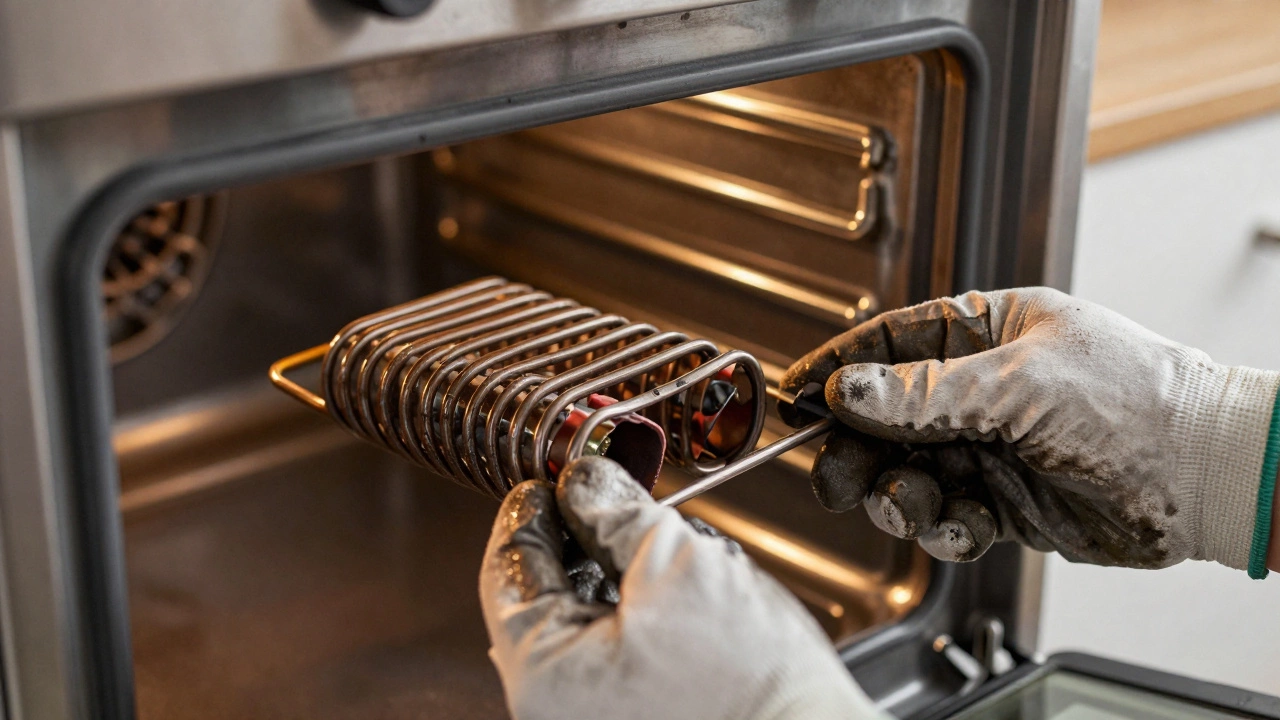
Electric Oven Longevity & Cost Estimator
Analysis Results
You spend hours cooking, only to have your oven quit on you during a holiday dinner or a weeknight meal. It is frustrating, expensive, and stressful. Before you buy that shiny new appliance, you need to know which brands actually last. Reliability isn't just about marketing slogans; it is about how often you call a technician like me.
As someone who fixes these machines daily, I see the patterns. Some brands flood my shop with broken heating elements every few years. Others sit quietly for a decade. This guide cuts through the noise to tell you which electric oven brands are built to survive real kitchen life.
Key Takeaways
- Bosch and Miele lead in reliability due to superior build quality and consistent heating elements.
- GE Profile offers the best balance of affordability and durability for mid-range buyers.
- Avoid brands with frequent control board failures, such as certain models from Frigidaire and KitchenAid.
- Self-cleaning features significantly reduce lifespan by degrading door seals and igniters.
- Professional installation and regular maintenance extend oven life by 3-5 years.
Why Brand Matters More Than Features
We often get distracted by smart Wi-Fi controls, steam injection, or sleek glass finishes. These features look great in showrooms but break down faster than the core components. The heart of an electric oven is its heating element, thermostat, and control board. If these fail, your oven is useless.
Bosch is a German appliance manufacturer known for engineering precision and durable components. Their ovens use thicker gauge steel and higher-quality wiring harnesses. In my experience, Bosch heating elements rarely burn out before year eight. Compare this to budget brands where elements crack within three years due to thin metal construction.
Reliability also depends on supply chain consistency. Brands that manufacture their own control boards rather than outsourcing them tend to have fewer software glitches. When a control board fails, it often requires a full replacement costing $150-$300. That is why understanding the brand's internal manufacturing standards matters more than reading five-star reviews from people who owned the oven for six months.
Top Tier: The Gold Standard Brands
If budget allows, investing in premium brands pays off in reduced repair calls. Here are the top performers based on failure rates and component longevity.
| Brand | Avg Lifespan | Common Failure Point | Repair Cost Range | Best For |
|---|---|---|---|---|
| Miele | 15+ years | Door seal degradation | $80 - $120 | Serious home cooks |
| Bosch | 12-14 years | Control board (rare) | $150 - $250 | Consistent performance |
| GE Profile | 10-12 years | Heating element | $60 - $90 | Value seekers |
Miele is a luxury German appliance brand engineered for 20-year lifespans. They test components under extreme conditions before release. Miele ovens use ceramic enamel interiors that resist cracking and staining better than standard porcelain. While they cost 30-50% more upfront, the repair frequency drops significantly.
Bosch strikes a sweet spot between price and durability. Their "PerfectBake" sensors help maintain temperature accuracy, reducing stress on the heating elements. Fewer thermal cycles mean less wear and tear. I rarely see Bosch ovens in my shop unless there is an installation error.
Mid-Range Contenders: Good Value with Caveats
Not everyone wants to spend $2,000+ on an oven. Mid-range brands offer decent reliability if you choose wisely. GE Profile stands out here. Owned by Haier, GE has improved its quality control in recent years. Their heating elements are robust, and parts are widely available.
Whirlpool is an American appliance manufacturer offering affordable, easy-to-repair models. Whirlpool ovens are simple mechanically. This simplicity is a strength. Fewer complex electronics mean fewer things to break. However, their insulation quality varies by model line. Cheaper Whirlpool models may lose heat faster, causing the oven to work harder and shorten element life.
Avoid the entry-level lines from major brands. These models cut corners on wire gauges and switch contacts. A $500 oven might save money now but cost $200 in repairs within two years. Always check the specific model number reviews, not just the brand name.
Brands to Approach with Caution
Some brands consistently show up in repair shops with recurring issues. This doesn't mean they are all bad, but certain models have design flaws.
KitchenAid is a premium brand under Whirlpool Corporation known for stylish designs. While aesthetically pleasing, many KitchenAid electric ovens share internal components with cheaper Whirlpool models. Users report frequent control panel failures and uneven heating. The fancy handles and knobs do not fix underlying electrical instability.
Frigidaire offers very affordable ovens, but reliability suffers. Thin heating elements and fragile door hinges are common complaints. If you buy Frigidaire, expect to replace parts sooner. Their warranty support is also slower compared to Bosch or GE.
LG has made strides in innovation but lags in long-term durability for ovens. Their smart features are impressive, but the touchscreens and electronic locks fail prematurely. Mechanical dials and buttons are far more reliable than capacitive touch panels.
The Self-Cleaning Trap
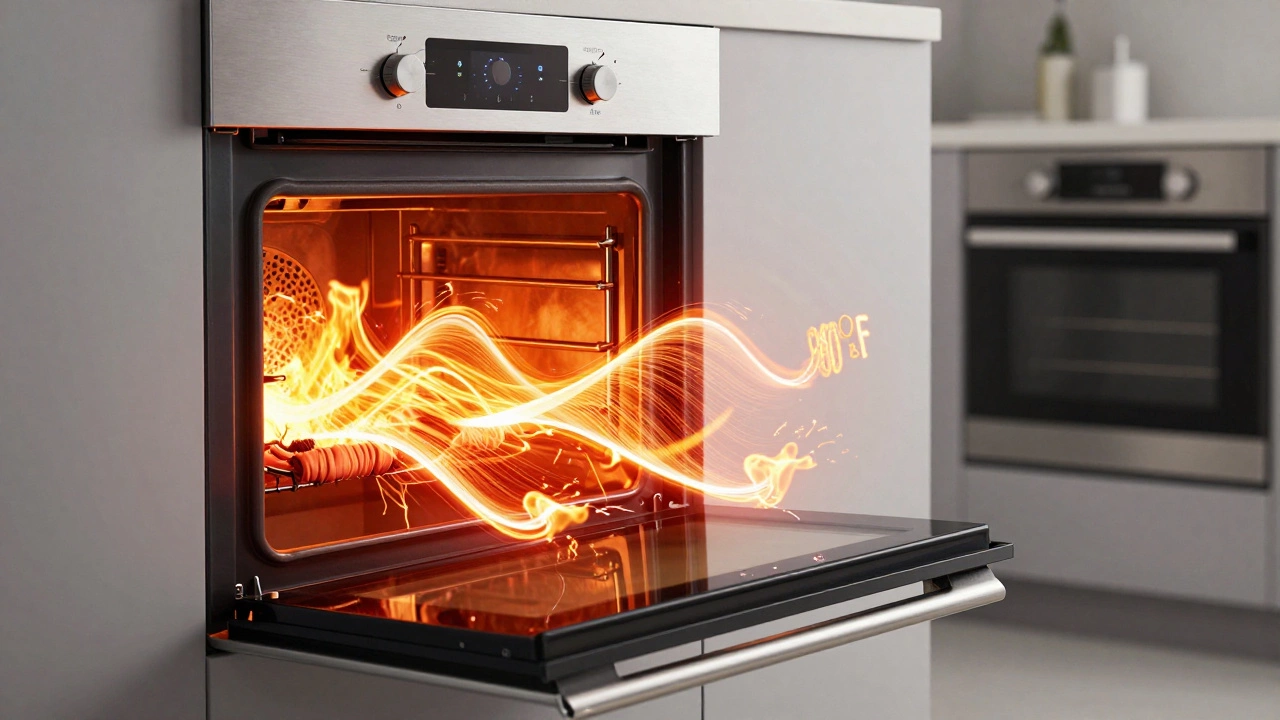
Self-cleaning ovens sound convenient until you realize they destroy the oven's interior over time. The process heats the cavity to 900°F (480°C) to burn off residue. This extreme heat weakens door gaskets, cracks enamel linings, and degrades wiring insulation.
I see self-clean ovens in my shop twice as often as manual-clean models. The high temperatures cause thermal shock to the heating elements. Over five years, this leads to premature burnout. If you want reliability, skip the self-clean feature. Wipe down spills regularly instead. It takes ten minutes and saves hundreds in repairs.
Installation and Maintenance Impact
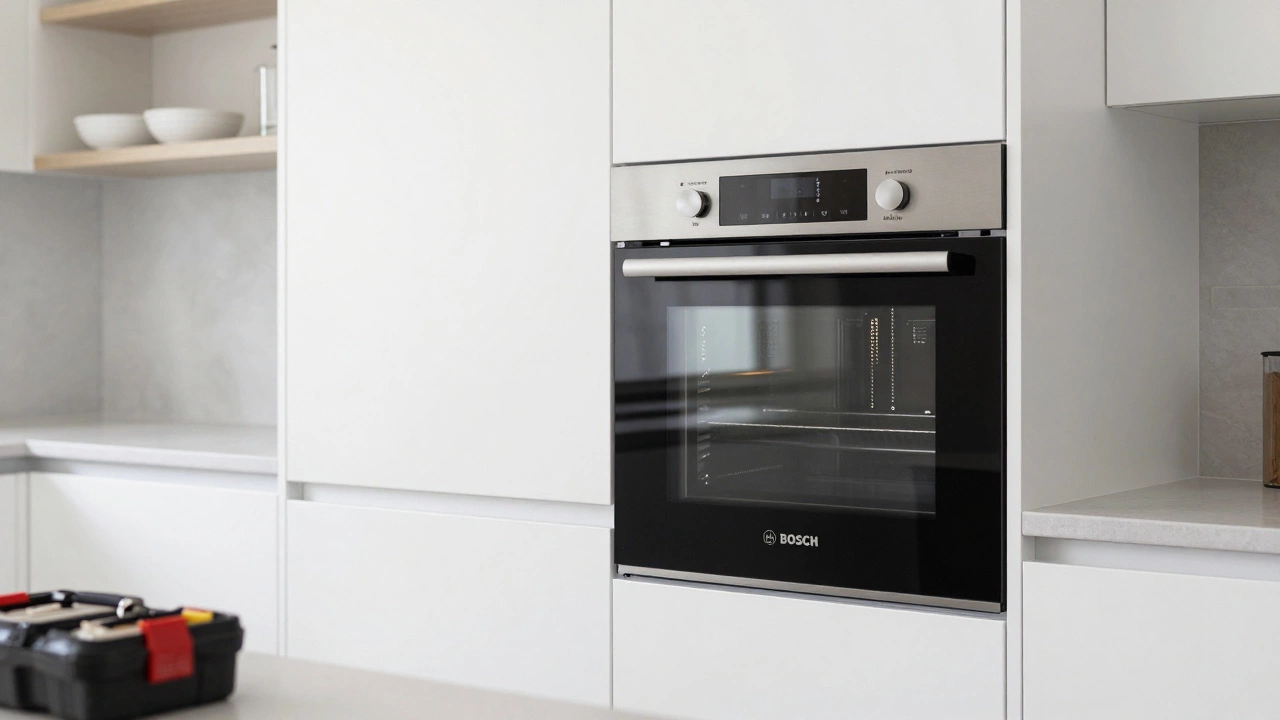
Even the most reliable oven will fail if installed incorrectly. Proper ventilation is critical. Electric ovens generate significant heat. If the cabinet surrounding the oven lacks adequate airflow, components overheat. This accelerates aging of plastic connectors and circuit boards.
Ensure the outlet matches the oven's voltage requirements. Most residential electric ovens require 240V. Using an undersized circuit causes voltage drops, stressing the heating elements. Hire a licensed electrician for installation. Do not attempt DIY if you are unsure.
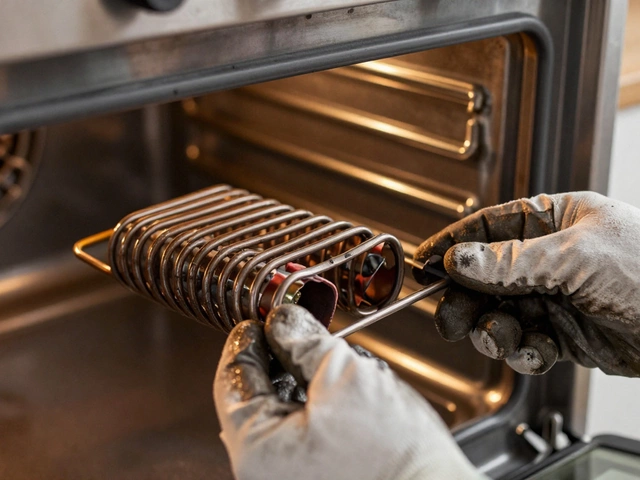
Regular maintenance extends life. Clean the door seal monthly. Grease buildup traps heat and damages the rubber. Check the heating elements for cracks annually. Replace them immediately if damaged to prevent further strain on the thermostat.
Warranty Considerations
Warranties reflect manufacturer confidence. Bosch and Miele offer comprehensive parts and labor coverage for longer periods. GE typically provides one year full coverage, with extended options available. Read the fine print. Many warranties exclude labor costs after the first year, making repairs expensive despite free parts.
Consider purchasing an extended service contract only if it covers labor. Otherwise, you pay for parts you could buy yourself online. Independent technicians often charge less than authorized dealers for labor while using OEM parts.
Final Thoughts on Choosing Durability
Choosing a reliable electric oven means prioritizing build quality over flashy features. Bosch and Miele lead the pack for long-term dependability. GE Profile offers solid mid-range performance. Avoid cheap models and self-cleaning functions if longevity is your goal. Proper installation and basic maintenance complete the equation. Your oven should be a tool that works silently for years, not a project that demands constant attention.
Which electric oven brand lasts the longest?
Miele and Bosch generally last the longest, often exceeding 12-15 years with proper care. Their superior build quality and high-grade components reduce the frequency of mechanical and electrical failures.
Is it worth buying a premium oven brand?
Yes, if you plan to stay in your home long-term. Premium brands like Miele and Bosch have lower lifetime costs due to fewer repairs and replacements. Budget brands may seem cheaper initially but often require costly fixes within 3-5 years.
Do self-cleaning ovens break down faster?
Yes. The extreme heat used in self-cleaning cycles degrades door seals, cracks enamel linings, and stresses heating elements. Ovens without self-clean features typically last 30-50% longer because they avoid this thermal shock.
What is the most common oven repair?
Heating element failure is the most common issue. Elements burn out due to age, thermal stress, or poor quality materials. Replacement is relatively inexpensive ($50-$100) but requires professional diagnosis to ensure the correct part is installed.
How does installation affect oven reliability?
Improper installation can void warranties and cause premature failure. Incorrect voltage, poor ventilation, or misaligned doors create excessive strain on components. Professional installation ensures optimal airflow and electrical safety, extending the oven's lifespan.