Gas to Electric Appliance Cost Calculator
Calculate Your Savings
See how much you could save by switching from gas to electric appliances. Our calculator factors in energy costs, rebates, and long-term savings.
Gas appliances have been in homes for decades. Your stove, water heater, furnace, or fireplace might be running just fine-but now you’re hearing about all the buzz around electrification, climate change, and safety risks. You’re wondering: should I get rid of my gas appliances? It’s not a simple yes or no. It’s about your budget, your home, your health, and what’s actually practical right now.
Gas Appliances Aren’t All Bad-But They Have Real Downsides
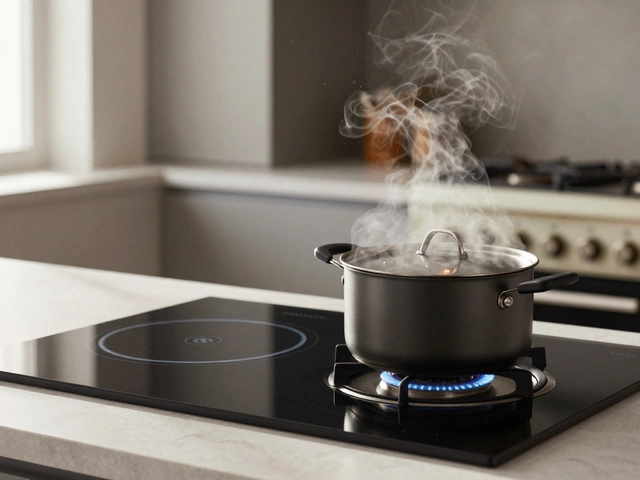
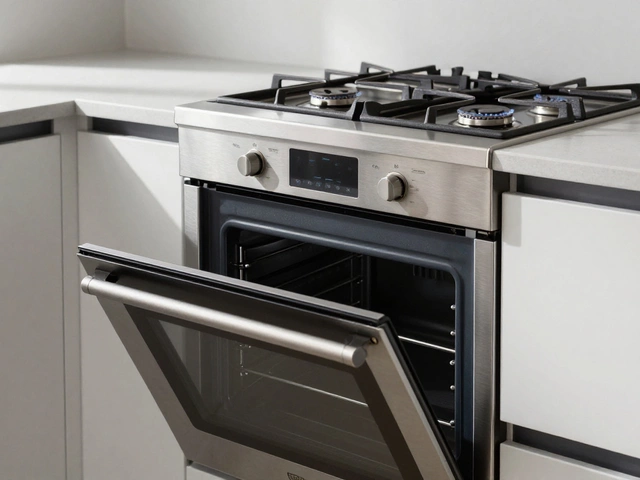
Let’s start with the truth: gas appliances work. They heat water fast, cook food evenly, and keep your home warm even when the power goes out. A gas stove gives you instant, precise control that even high-end electric induction cooktops can’t always match. Gas water heaters recover heat faster than electric ones, so you won’t run out of hot water during a long shower.
But here’s what most people don’t talk about: gas appliances leak. Not always dramatically, but slowly, over time. Natural gas contains methane, a greenhouse gas 80 times more potent than CO2 over 20 years. The EPA estimates that U.S. homes leak enough gas annually to equal the emissions from 5 million cars. That’s not just a climate issue-it’s a safety issue. Gas leaks can cause explosions, and even small leaks contribute to indoor air pollution. Studies from the Lawrence Berkeley National Lab found that gas stoves alone can raise indoor nitrogen dioxide levels above outdoor air quality standards, especially in poorly ventilated kitchens.
And then there’s maintenance. Gas lines corrode. Burners clog. Pilot lights go out. If your gas water heater is over 10 years old, it’s already past its average lifespan. Repairing it might cost $300 to $600-but replacing it with an electric heat pump model could save you 50% on energy bills long-term.
Electric Alternatives Are Better Than Ever
Five years ago, switching from gas to electric felt like a downgrade. But now? The tech has caught up-and then some.
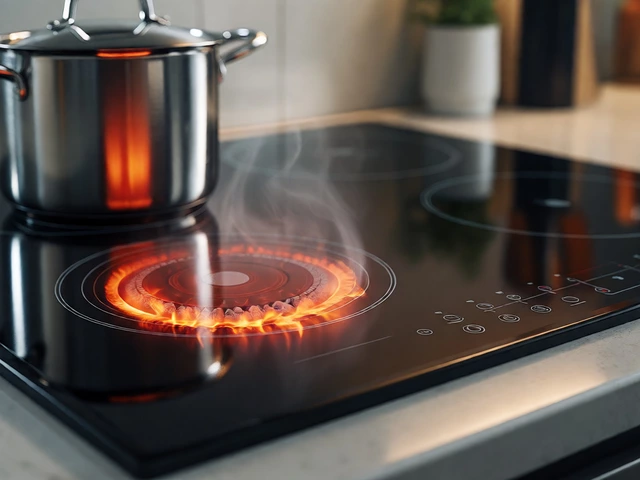
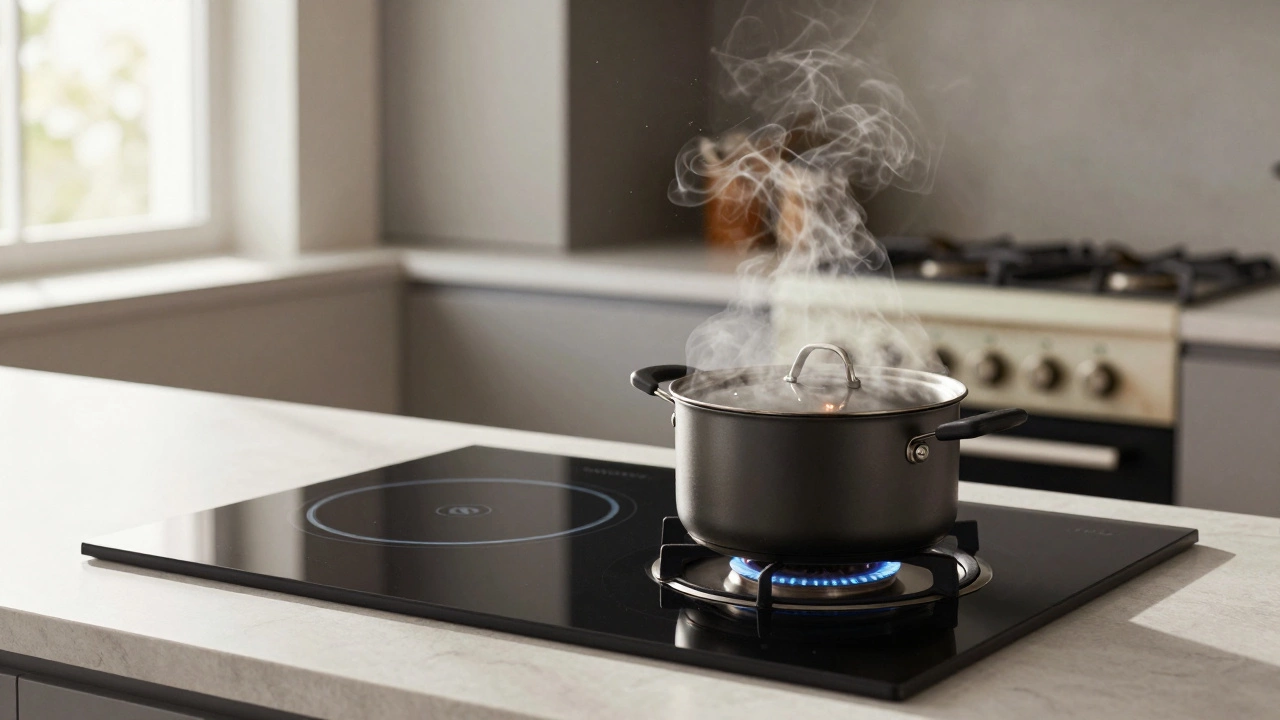
Electric induction cooktops heat pans directly using magnetic fields. They’re faster than gas, safer (the surface doesn’t get hot), and easier to clean. A 2024 Consumer Reports test showed induction stoves boil water 25% faster than gas. And they don’t release combustion byproducts into your kitchen.
Heat pump water heaters? They’re not your old electric tank. They move heat from the air into the water, using about 60% less energy than standard electric models. In mild climates, they cut water heating costs by half. Even in colder areas, modern units now work efficiently down to 0°F.
Heat pump furnaces and ductless mini-splits are replacing gas boilers and forced-air systems. They’re quieter, more efficient, and don’t burn fuel. The Department of Energy says heat pumps can reduce home heating emissions by up to 70% compared to gas furnaces.
And here’s the kicker: you might qualify for cash to make the switch. The Inflation Reduction Act still offers rebates up to $840 for heat pump water heaters, $800 for induction stoves, and $1,750 for full-home heat pump systems. Many states add their own bonuses. In California, New York, and Massachusetts, you can get $1,000+ just for switching from gas to electric.
When It Makes Sense to Keep Gas
Not everyone should ditch gas right now. If your gas furnace is only 3 years old and working perfectly, replacing it just to go electric is a waste of money. Same with a gas water heater that’s under 7 years old. You’d be throwing away 80% of its useful life.
Some homes just aren’t ready. If your electrical panel is old-say, 60 or 100 amps-you’ll need a costly upgrade before you can run a heat pump or induction stove. That upgrade alone can cost $2,000 to $5,000. If you’re on a tight budget, it’s smarter to wait until your gas appliance fails.
Also, if you live in a place with unreliable electricity-frequent outages, brownouts, or rolling blackouts-gas appliances give you backup. A gas stove works during a power cut. A gas furnace keeps running if the grid goes down. If you’re in a rural area or a region prone to extreme weather, keeping at least one gas appliance as backup might be smart.
What Happens When You Replace Gas With Electric?
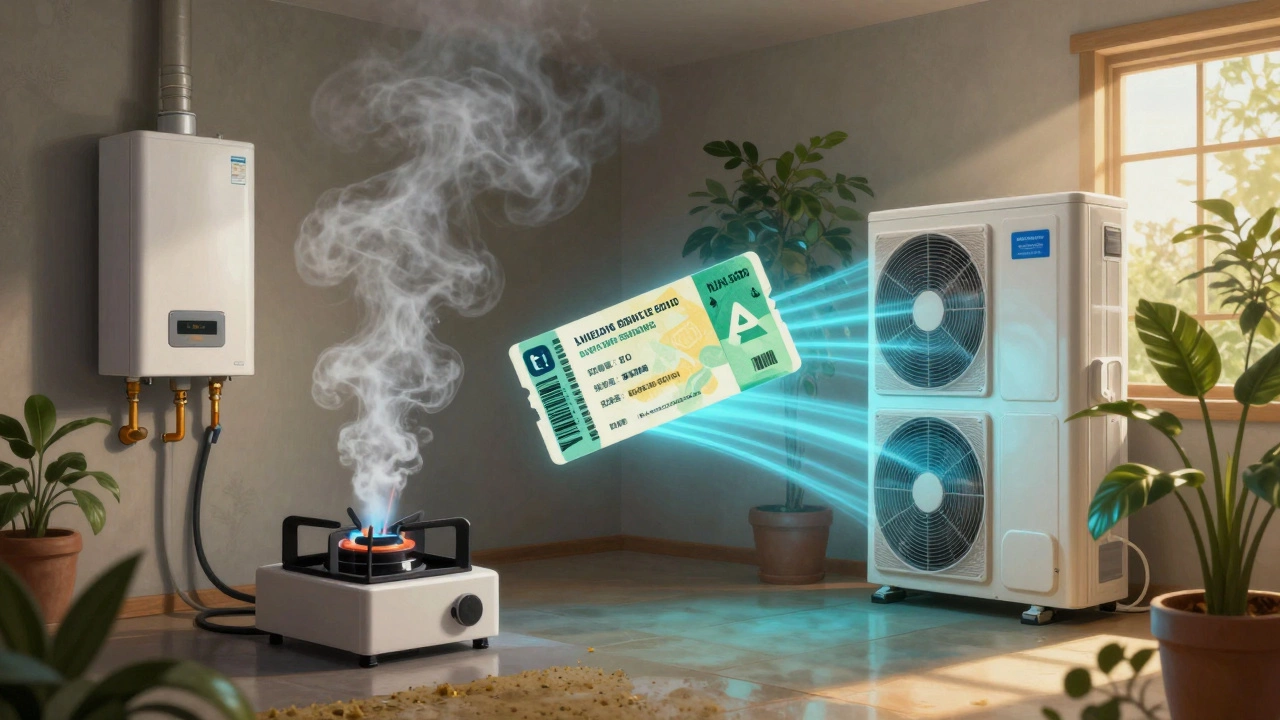
Switching isn’t just about buying a new appliance. There’s a process.
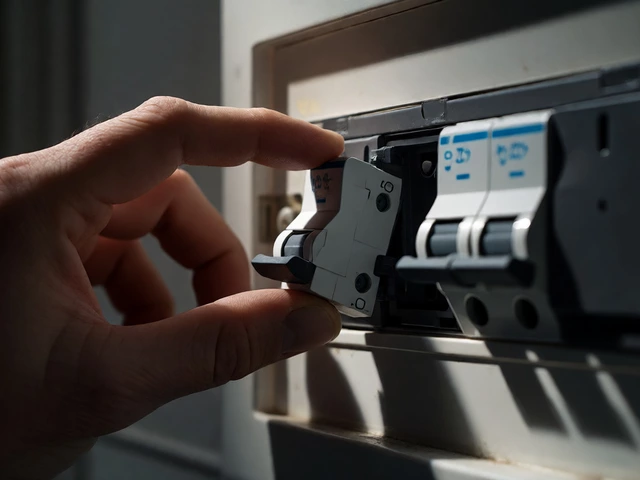
- Call a licensed electrician to check your panel capacity. Most homes need 200 amps minimum for full electrification.
- Ask your utility company about rebates. Many offer free energy audits and cash back.
- Don’t just swap appliances. Consider upgrading insulation and windows first. A well-sealed home needs less heating overall.
- For gas stoves, you’ll need to cap the gas line. That’s a job for a plumber or gas technician. Don’t try to DIY it.
- Dispose of old gas appliances properly. Many cities have appliance recycling programs that remove gas lines safely.
One common mistake: people replace their gas stove with an electric coil range. That’s not an upgrade. It’s a downgrade. Stick with induction. It’s the only electric cooking tech that truly matches gas performance.
The Hidden Costs of Keeping Gas
Most people only think about the upfront price of a new appliance. But the real cost of gas is hidden.
Gas bills keep rising. In 2025, the average U.S. household paid 32% more for natural gas than in 2020. That’s not inflation-it’s infrastructure decay and supply chain issues. Meanwhile, electricity prices have stayed flat or even dropped in many areas thanks to wind and solar growth.
Insurance companies are starting to charge more for homes with gas appliances. In California, some insurers now require a gas leak detection system for coverage-and charge extra if you don’t have one. In Florida and Texas, homes with gas lines face higher premiums after storm damage because of explosion risks.
And then there’s resale value. A 2025 Zillow study found homes with all-electric kitchens sold 7% faster and for 4% more than homes with gas stoves. Buyers are asking about appliances before they tour the house.
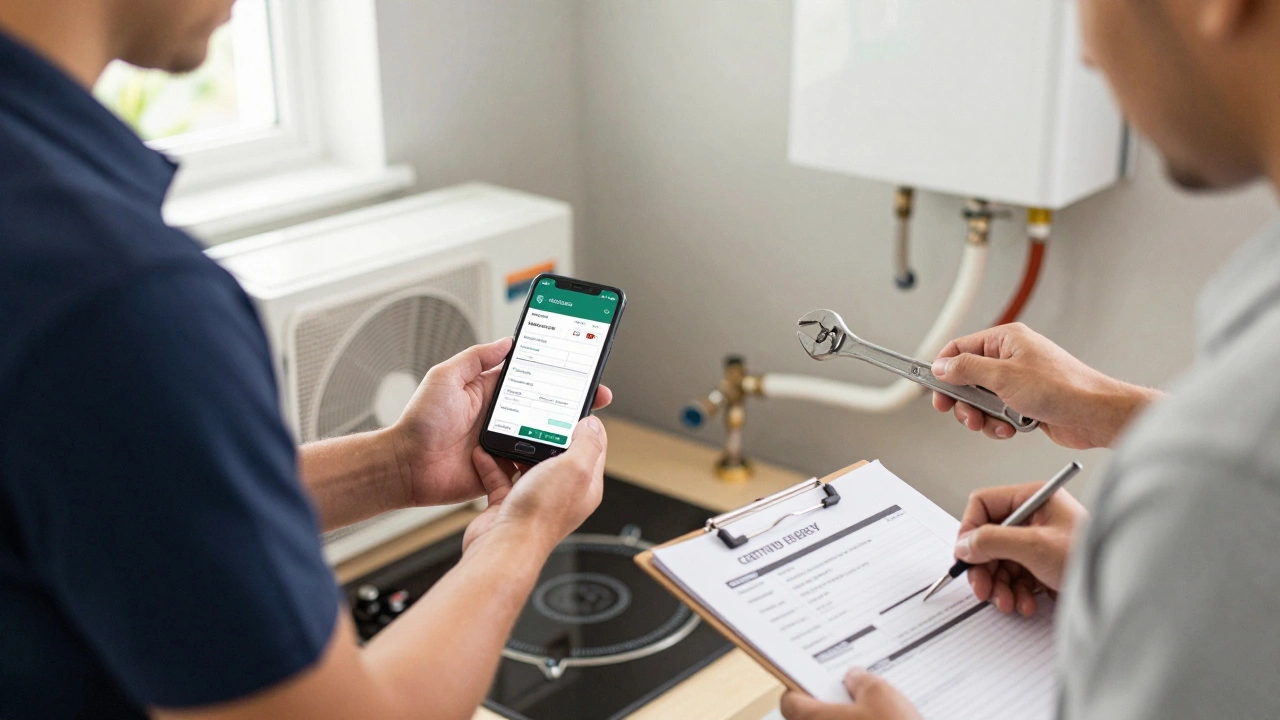
What to Do Next
Here’s a simple plan:
- Check the age of your gas appliances. If any are over 10 years old, start planning for replacement.
- Call your utility company. Ask: "What rebates do you offer for switching from gas to electric?" Many don’t advertise them.
- Get a home energy audit. It’s often free or under $100. It tells you where your home loses heat and how much you’d save by switching.
- Replace one appliance at a time. Start with the one that’s broken or the one you use most-probably the stove or water heater.
- Don’t rush. If your furnace is fine, wait. But if it’s failing, go electric. You’ll save money over time.
You don’t need to rip out every gas line tomorrow. But if you’re thinking about it, the time to start is now. The tech is better. The money’s there. And the risks of waiting are growing.
Frequently Asked Questions
Are gas appliances dangerous?
Yes, they can be. Gas leaks, even small ones, release methane and nitrogen dioxide, which can harm indoor air quality and increase asthma risk. Over 400 people in the U.S. die each year from accidental gas explosions, and thousands more suffer injuries from burns or poisoning. Proper maintenance reduces risk, but no gas appliance is 100% safe.
Is it cheaper to run gas or electric appliances?
It depends. Gas is often cheaper per unit of energy, but electric heat pumps and induction cooktops are so efficient they use far less energy overall. In most cases, switching to electric saves money over 5-7 years, especially with rebates. A gas stove might cost $50 a year to run; an induction cooktop might cost $30. Over 10 years, that’s $200 saved-plus the rebate.
Can I keep my gas water heater and switch everything else to electric?
Yes, you can. Many people do this as a middle step. Replace your stove and furnace first, then wait until your water heater fails. Heat pump water heaters are now the standard replacement-they’re quieter, more efficient, and last longer than gas tanks. You don’t need to switch everything at once.
Do I need to rewire my house to go electric?
Maybe. If your electrical panel is under 150 amps, you’ll likely need an upgrade. Most homes built before 2000 have 100-amp panels. Upgrading to 200 amps costs $1,500-$4,000. But if you’re only replacing a stove or water heater, you might not need a full upgrade. A licensed electrician can check your panel and tell you what’s needed.
What if I rent my home?
Ask your landlord. Some are open to upgrades if you offer to split the cost or if they get a tax credit. You can’t replace a gas furnace yourself, but you can use a portable induction cooktop or a countertop heat pump water heater (like a tankless unit). These don’t require permanent changes and still cut your energy use.