Boiler Problem Checker
Answer a few questions about your boiler's behavior to identify potential issues and learn what to do next. This tool is for informational purposes only - always consult a Gas Safe engineer for serious problems.
Boilers are the unsung heroes of winter. They hum away quietly, keeping your home warm while you sleep, work, or watch TV. But when they break, it’s not just inconvenient-it’s cold, expensive, and sometimes dangerous. If your boiler’s acting up, you’re not alone. Millions of homeowners face the same issues every year, and most of them are predictable, fixable, and preventable-if you know what to look for.
Low Boiler Pressure
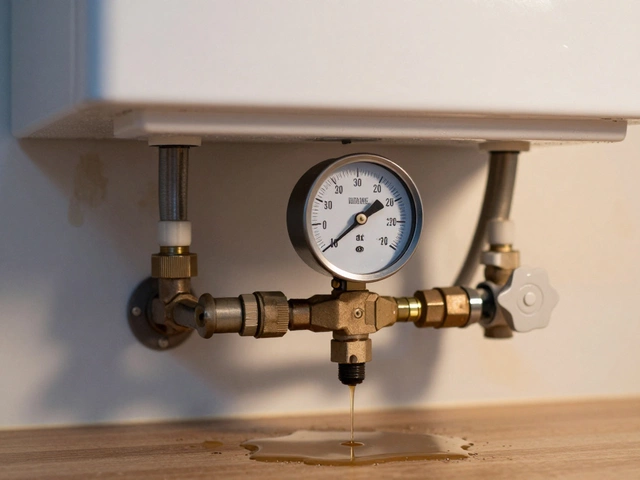
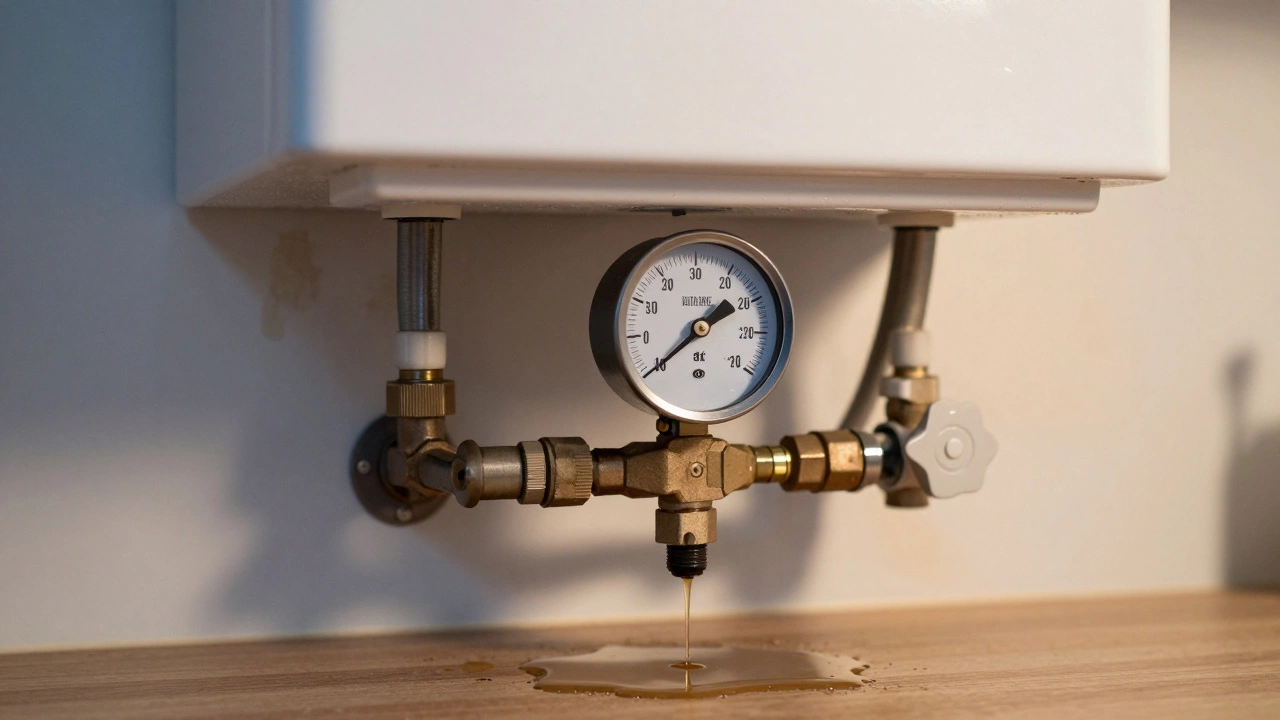
Low pressure is the number one reason boilers stop working. Most boilers run best between 1.0 and 1.5 bar. If the gauge reads below 1.0, your system can’t circulate hot water properly. You’ll notice cold radiators, even when the boiler is running.
This isn’t always a sign of a major leak. Sometimes, pressure drops simply because water was bled from the system during maintenance or because tiny air pockets formed. But if you’re topping up the pressure every few weeks, something’s wrong. A persistent drop usually means a hidden leak-maybe behind a wall, under the floor, or in the pipe joints near the boiler. Check for damp patches on walls or ceilings near the boiler or radiators. If you find any, don’t wait. A small leak today can turn into a flooded basement by next week.
Boiler Not Turning On
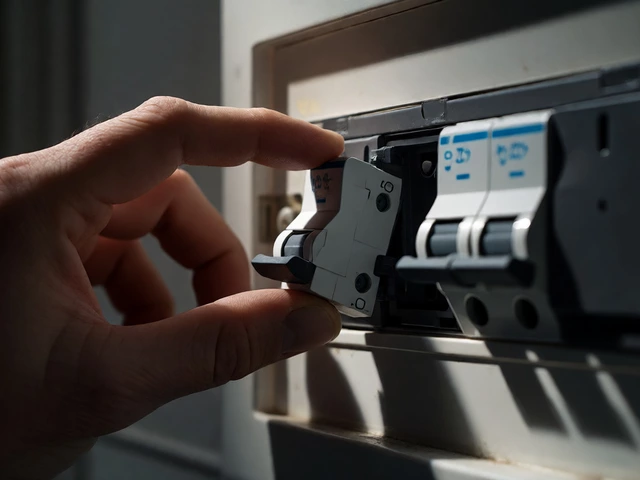
If your boiler is completely silent when you turn up the thermostat, it’s not broken yet-it might just be confused. Start simple: check the power. Is the boiler plugged in? Did a circuit breaker trip? Many people overlook this because they assume boilers are hardwired. Some are, but others run on standard plugs, especially newer combi models.
Next, check the thermostat. Is it set to ‘on’? Is the battery dead? A faulty thermostat sends no signal, and the boiler just sits there. Replace the batteries before calling a technician. If the thermostat is fine, the issue could be the ignition system. Gas boilers need a spark to light the burner. If the spark electrode is dirty or cracked, it won’t ignite. You might hear a clicking sound but no flame. That’s a sign the ignition system needs cleaning or replacement.
Strange Noises
Boilers shouldn’t sound like a kettle on full blast. If you hear banging, gurgling, or whistling, something’s wrong inside the system.
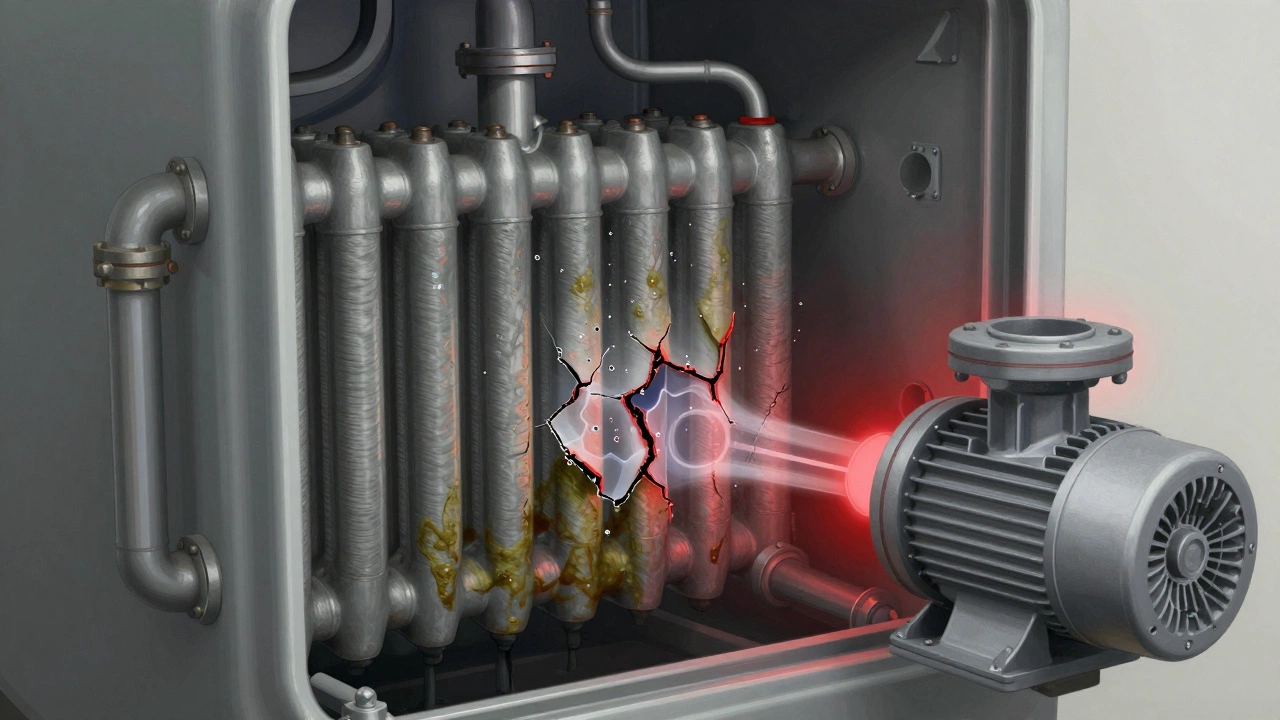
Banging (also called kettling) happens when limescale builds up on the heat exchanger. Hard water leaves mineral deposits that trap water and cause it to boil in pockets. The sudden expansion creates loud bangs. This is common in areas with hard water like Birmingham, Leeds, or Manchester. The fix? A power flush. It clears the sludge and restores efficiency. Left unchecked, it can crack the heat exchanger-costing hundreds to replace.
Gurgling usually means air trapped in the pipes. Bleeding the radiators often fixes this. But if it keeps coming back, your pump might be failing or the system isn’t properly filled.
Whistling is often caused by low water flow. A blocked filter, a faulty pump, or a partially closed valve can restrict water movement. The boiler forces water through a narrow space, creating a high-pitched noise. Don’t ignore it. It strains the pump and can lead to failure.
Leaking Water
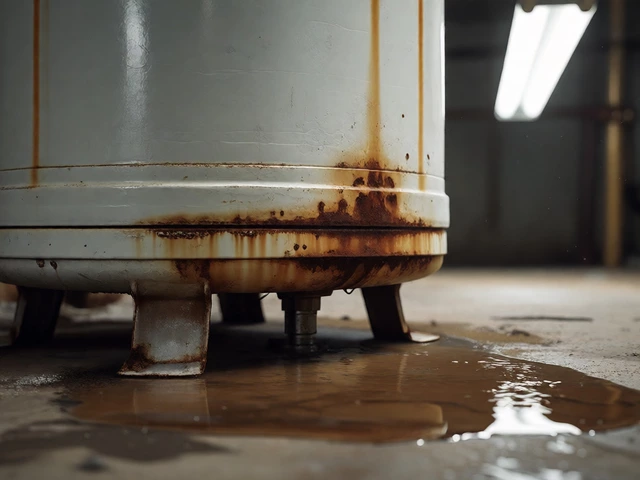
A dripping boiler is never normal. Even a slow drip can cause mold, rot, or electrical shorts. Common leak points include the pressure relief valve, pipe joints, or the pump seal.
The pressure relief valve leaks when the system pressure gets too high-usually because the expansion vessel has failed. This small tank absorbs pressure changes. If it’s flat or waterlogged, pressure spikes and the valve opens to release steam and water. You’ll see water pooling under the boiler. Replacing the expansion vessel fixes this, but it’s not a DIY job.
Leaks from pipe joints are often loose fittings. Tightening them might help, but if the pipe is corroded, you’ll need a new section. Pump seals wear out over time. If you see water around the bottom of the boiler, especially near the pump, that’s likely the culprit.
Boiler Cycling On and Off Too Often
Boilers aren’t meant to turn on and off every five minutes. Normal cycles last 10-20 minutes. If yours fires up every few minutes, it’s short-cycling. This wastes fuel, wears out parts faster, and makes your home feel inconsistent.
One common cause is an oversized boiler. If your boiler is too powerful for your home, it heats the water too quickly and shuts off before the heat can spread. This is common in older homes where boilers were replaced without recalculating the heat load.
Another cause is a faulty thermostat or sensor. If it misreads the temperature, it tells the boiler to turn on even when the water is already hot. A dirty flame sensor can also trick the boiler into thinking the fire went out, causing it to relight repeatedly.
No Hot Water or Radiators Stay Cold
If your boiler runs but you get no hot water, the issue is likely in the heat exchanger or diverter valve. Combi boilers use one unit to heat both water and radiators. The diverter valve switches between the two. If it’s stuck, hot water might go to the radiators but not the taps-or vice versa.
If your radiators are cold at the bottom but warm at the top, air is trapped. Bleed them. If they’re cold all over, the pump might be broken, or the system is full of sludge. A power flush can restore flow. If the problem is only in one radiator, it might be a stuck valve or a closed lockshield valve. Check both ends.
Boiler Displays Error Codes
Modern boilers have digital displays that show error codes. Don’t ignore them. They’re there to help you, not confuse you. Common codes include:
- E119 or EA: Low pressure
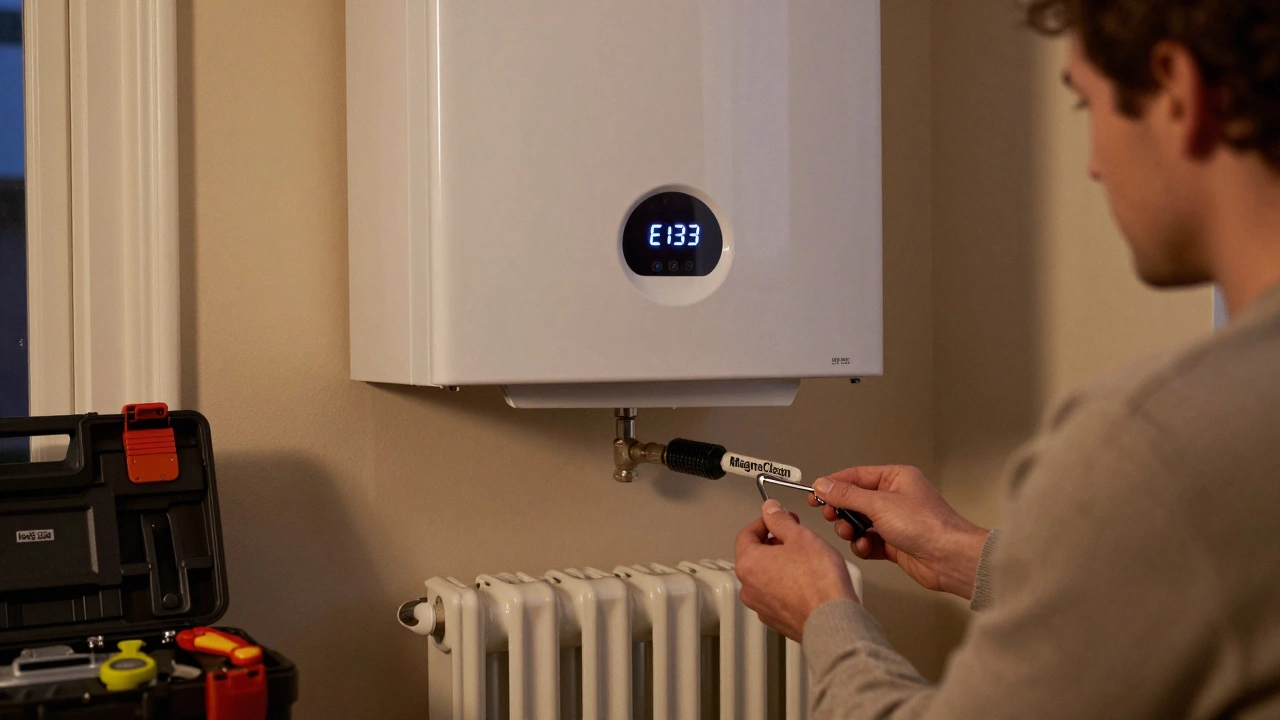
- E133: Ignition failure
- E164: Overheating
- E22: Pump failure
- E28: Flame failure
Look up your boiler brand and model online. Most manufacturers list what each code means. But don’t assume the code tells the full story. E133 could mean a dirty spark electrode-or a blocked gas valve-or even a faulty control board. A professional diagnosis is still needed for anything beyond pressure or simple resets.
What You Can Do Before Calling a Pro
You don’t need to panic the moment your boiler acts up. Here’s what to try first:
- Check the pressure gauge. If it’s below 1.0 bar, top it up using the filling loop (usually under the boiler).
- Bleed your radiators. Use a radiator key to open the valve at the top until water comes out, then close it.
- Reset the boiler. Turn it off, wait 60 seconds, turn it back on. Many faults clear with a reset.
- Check the thermostat batteries and settings.
- Look for obvious leaks or damp spots.
If none of that works, don’t keep guessing. A faulty boiler can be dangerous. Gas leaks, carbon monoxide, or electrical faults can put your family at risk. Call a Gas Safe registered engineer. They’ll diagnose it properly and fix it safely.
Prevention Is Cheaper Than Repair
Most boiler problems don’t come out of nowhere. They build up over months or years. The best way to avoid them is annual servicing. A qualified engineer will:
- Check gas pressure and burner efficiency
- Inspect the heat exchanger for cracks or scale
- Test the flue for proper ventilation
- Clear the condensate pipe (a common winter freeze point)
- Check for carbon monoxide leaks
That service costs around £80-£120. A new heat exchanger? £500-£1,000. A full boiler replacement? £2,000-£4,000. Prevention pays off.
Also, install a magnetic filter (like a MagnaClean) near the boiler. It catches sludge before it clogs the system. It’s a one-time install, lasts 10+ years, and cuts repair calls by half.
When to Replace Instead of Repair
Not every problem means a new boiler. But here are signs it’s time:
- Your boiler is over 15 years old
- You’re spending more than £500 a year on repairs
- The heat exchanger is cracked (confirmed by a technician)
- It’s inefficient-your energy bills are rising despite stable usage
- Parts are discontinued and hard to find
New boilers are 90%+ efficient. Older ones? Often 70% or less. That means you’re wasting 30% of your gas bill on heat lost up the flue. A new A-rated boiler can cut your heating bill by 25-40% in a year. The payback period? Usually under three years.
Why does my boiler keep losing pressure?
If your boiler loses pressure frequently, there’s likely a leak somewhere in the system-possibly in pipes, joints, or the pressure relief valve. It could also mean the expansion vessel has failed and can’t absorb pressure changes. A professional should inspect the system with pressure tests to locate hidden leaks.
Can I fix a boiler leak myself?
You can temporarily tighten loose pipe fittings or bleed air from radiators. But if water is leaking from the boiler casing, pump, or valves, don’t attempt a fix. Gas appliances require certified technicians. DIY repairs on gas lines or internal components can be dangerous and void your warranty.
Is it normal for my boiler to make noise?
No. A healthy boiler runs quietly. Banging, whistling, or gurgling sounds indicate problems like limescale buildup, air in the system, or a failing pump. These issues won’t fix themselves and can lead to costly damage if ignored.
How often should I service my boiler?
Once a year. Annual servicing keeps your boiler running efficiently, catches small problems before they become big ones, and keeps your warranty valid. It’s also required by law in many places if you’re renting out your property.
What should I do if my boiler shows an error code?
First, check your boiler’s manual or the manufacturer’s website for what the code means. Try a reset. If the code returns, don’t keep guessing. Call a Gas Safe registered engineer. Error codes point to symptoms, not root causes-and some, like flame failure or overheating, can be serious.
Next Steps
If your boiler is acting up, start with the basics: check pressure, bleed radiators, reset the unit. If that doesn’t help, take note of the symptoms-noises, leaks, error codes-and call a certified technician. Don’t wait until you’re without heat in the middle of January. Most boiler problems get worse fast. The sooner you act, the cheaper and safer the fix.
And if your boiler is over 10 years old and you’re facing repeated repairs, consider upgrading. Modern boilers are quieter, smarter, and far more efficient. You’ll save money every month-and sleep better knowing your home is safe.