When someone says "my appliance broke," what do they actually mean? It sounds simple, but not everything that plugs in or runs on electricity is considered an appliance. Even some professionals get this wrong. If you're calling a repair service, or trying to figure out if your device even qualifies, knowing the line between an appliance and just another gadget matters. It affects warranty terms, repair costs, insurance claims, and even how you dispose of it.
What Exactly Is an Appliance?
An appliance is a device designed to perform a specific household function, usually involving energy use, and typically installed or placed in a fixed location. It’s not just something that plugs in - it’s something that does essential work around the home. Think of it this way: if the device helps you eat, clean, stay warm, or store food reliably, it’s likely an appliance. If it’s for entertainment, communication, or personal mobility, it’s probably not.
The U.S. Department of Energy defines major appliances as those that use significant amounts of electricity or gas and are typically permanently installed or hardwired. That includes refrigerators, ovens, dishwashers, washing machines, dryers, and water heaters. These are the ones that show up on energy bills and require professional installation.
Major Appliances: The Core Group
These are the devices most people think of when they hear "appliance." They’re expensive, critical to daily life, and usually require professional repair or installation.
- Refrigerators and freezers - Keep food safe. If they stop cooling, you lose groceries fast.
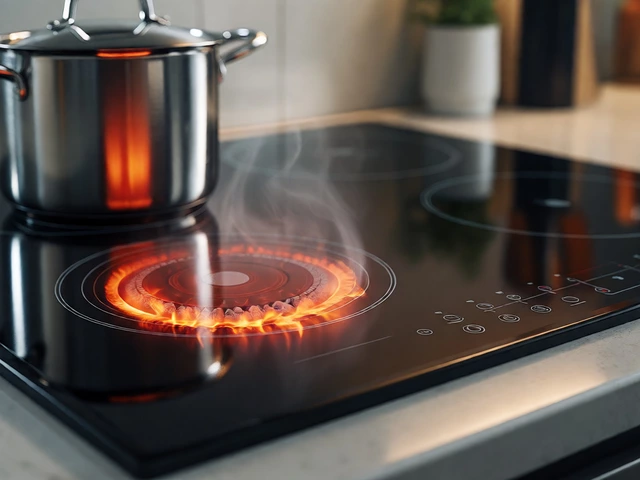
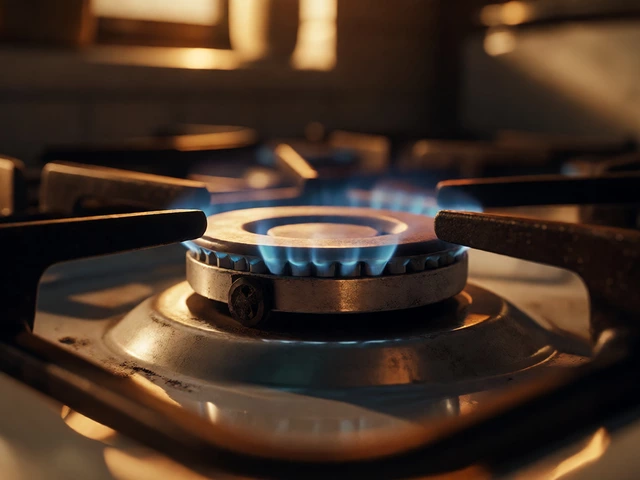
- Ovens and cooktops - Gas or electric, they’re built into the kitchen and used daily.
- Dishwashers - Hardwired into plumbing and electrical systems. Not a luxury - a time-saver.
- Washing machines and dryers - Often paired. If one breaks, the other often follows.
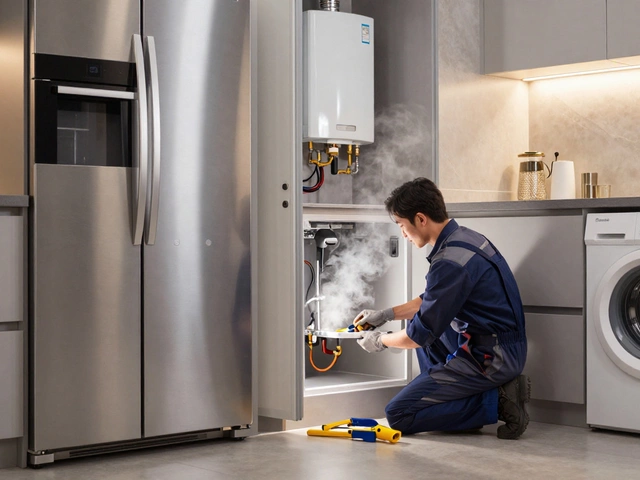
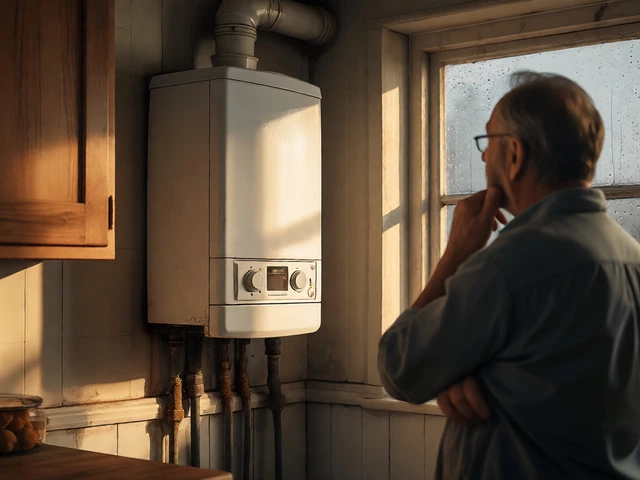
- Water heaters - Gas or electric. Without one, you have no hot showers or laundry.
- HVAC systems - Furnaces and central air conditioners. They’re technically appliances, even if they’re part of the home’s structure.
These items are what repair technicians specialize in. They’re the ones with serial numbers, manufacturer warranties, and replacement parts that cost hundreds of dollars. If your fridge stops running, you don’t just unplug it and try a reset - you call someone who knows how to test the compressor, check the refrigerant, and diagnose the control board.
Small Appliances: The Gray Area
These are portable, plug-in devices that do useful tasks but aren’t permanently installed. They’re still appliances, just not "major" ones.
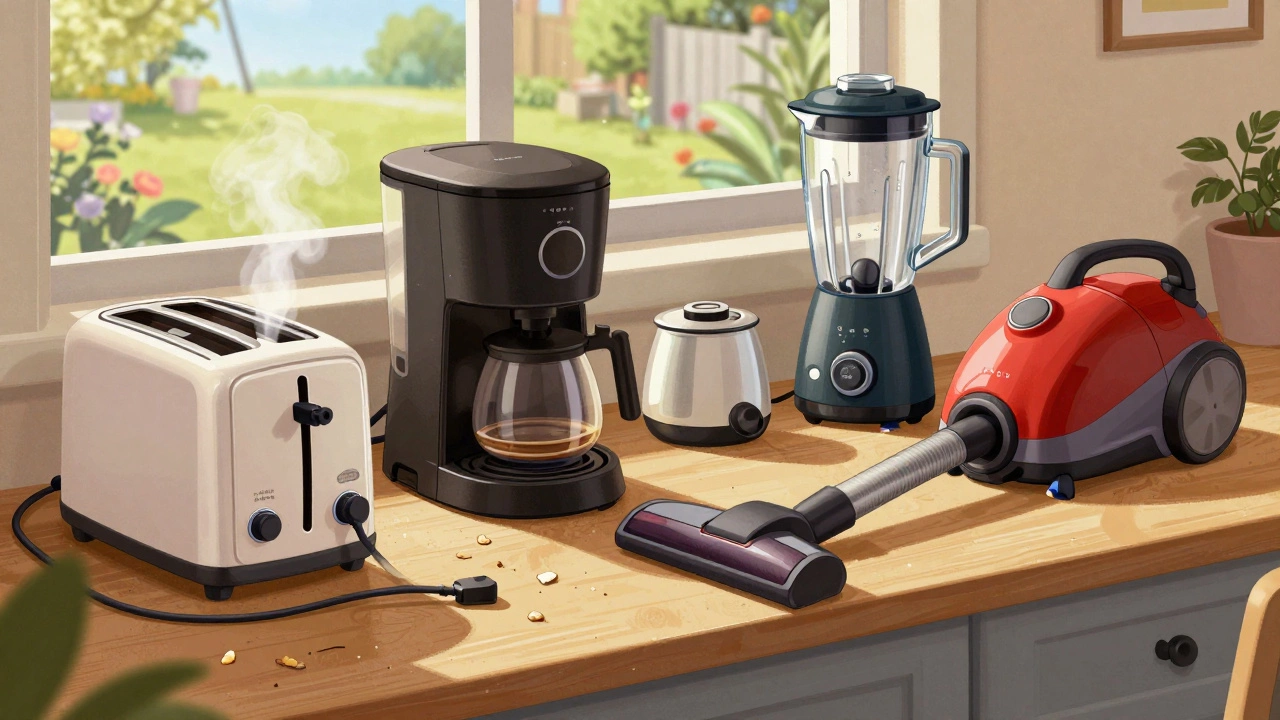
- Toasters and blenders - Used daily but easily replaced.
- Coffee makers - Especially drip machines with built-in timers and heating elements.
- Slow cookers and pressure cookers - Designed for food prep, not just heating.
- Vacuum cleaners - Not a toy. It’s a cleaning tool with motors, filters, and suction systems.
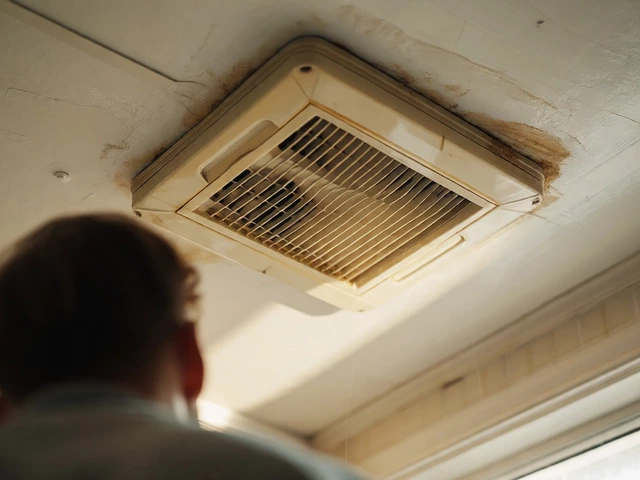
- Extractor fans - Installed over stoves to remove smoke and steam. Often overlooked, but definitely an appliance.
Small appliances are cheaper, easier to fix, and often replaced rather than repaired. But they still qualify as appliances because they perform a specific, essential home function. If your extractor fan stops working, you’re not just losing ventilation - you’re risking mold, grease buildup, and poor air quality. That’s not a gadget. That’s a safety device.
What’s NOT an Appliance?
Not everything that plugs in counts. Here’s where people get confused:
- Televisions - Entertainment devices. Even big-screen TVs aren’t appliances. They don’t maintain temperature, clean, or prepare food.
- Computers and laptops - These are electronics, not appliances. They process information, not physical tasks.
- Smart speakers - Alexa, Google Home. They’re connected gadgets, not functional appliances.
- Electric toothbrushes - Personal care devices. Too small, too specialized.
- Power tools - Drills, saws, sanders. These are tools, not home appliances.
- Electric blankets - While they use electricity, they’re classified as heating devices, not appliances.
The key difference? Appliances solve a domestic problem. Electronics solve a communication or entertainment need. Tools help you build or fix things. Appliances make your home run.
Why Does This Matter?
If you’re trying to get something repaired, knowing whether it’s an appliance affects everything:
- Repair costs - Major appliances often cost $150-$400 just to diagnose. Small ones might be $50-$100.
- Warranty coverage - Manufacturer warranties usually cover only true appliances, not electronics.
- Insurance claims - Homeowners insurance often covers appliance breakdowns but not TV or laptop failures.
- Disposal rules - Appliances like fridges and washing machines have special recycling laws. TVs and laptops fall under e-waste.
- Service technician qualifications - Appliance technicians are trained on gas lines, refrigerants, and electrical codes. Laptop repair techs aren’t.
Calling a "repair service" for a broken toaster is different than calling for a broken oven. One might be worth fixing. The other? Probably not. Knowing what counts as an appliance helps you make smarter decisions - and avoid being overcharged.
Appliance vs. Fixture: The Line Gets Blurrier
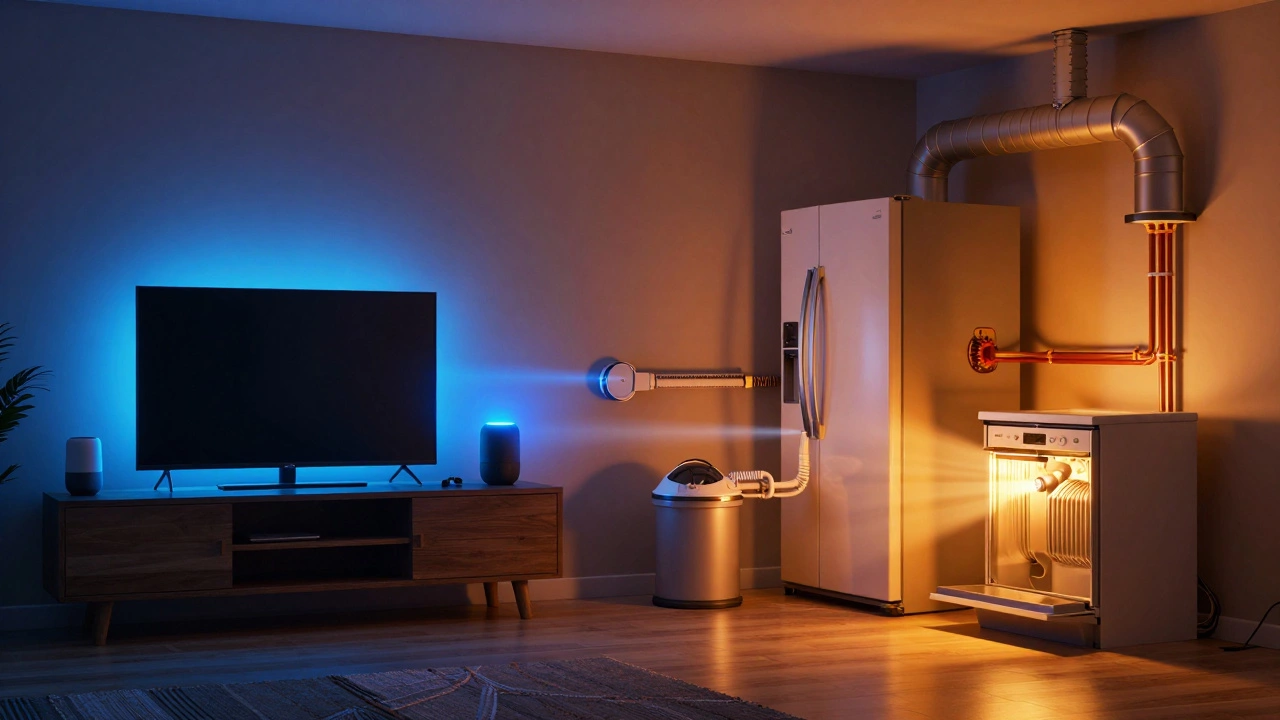
Some devices sit between categories. Take built-in microwaves. They’re installed like cabinetry but function like appliances. Or garbage disposals - mounted under the sink, hardwired, and essential. Are they fixtures or appliances?
In most building codes, anything that plugs into a circuit and performs a mechanical task counts as an appliance. Fixtures are permanent structures: sinks, bathtubs, light fixtures. Appliances are the machines that use those fixtures. So your garbage disposal? Appliance. Your sink? Fixture.
Same with built-in dishwashers. They’re installed into cabinetry, but they’re still appliances because they use water, electricity, and motors to clean dishes - not just sit there.
Real-World Example: The Broken Coffee Maker
Imagine your coffee maker dies. You call a repair service. The technician says, "I don’t fix those." Why? Because it’s a small appliance. Most repair shops focus on major units. You’ve got two choices: replace it for $40, or find a specialist who fixes small appliances. The latter might cost $80 - but if it’s a high-end model, it’s worth it.
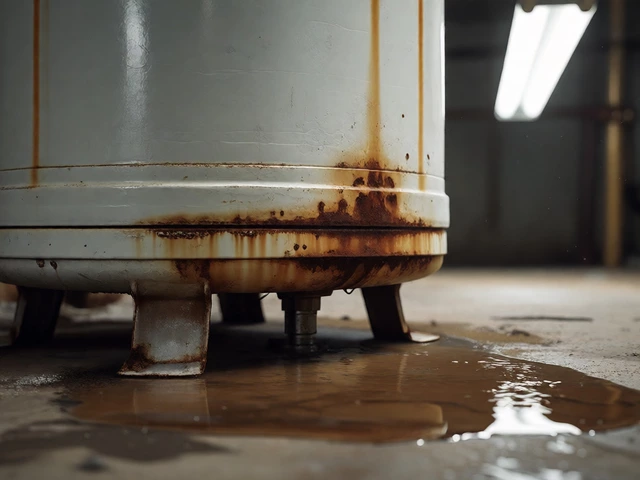
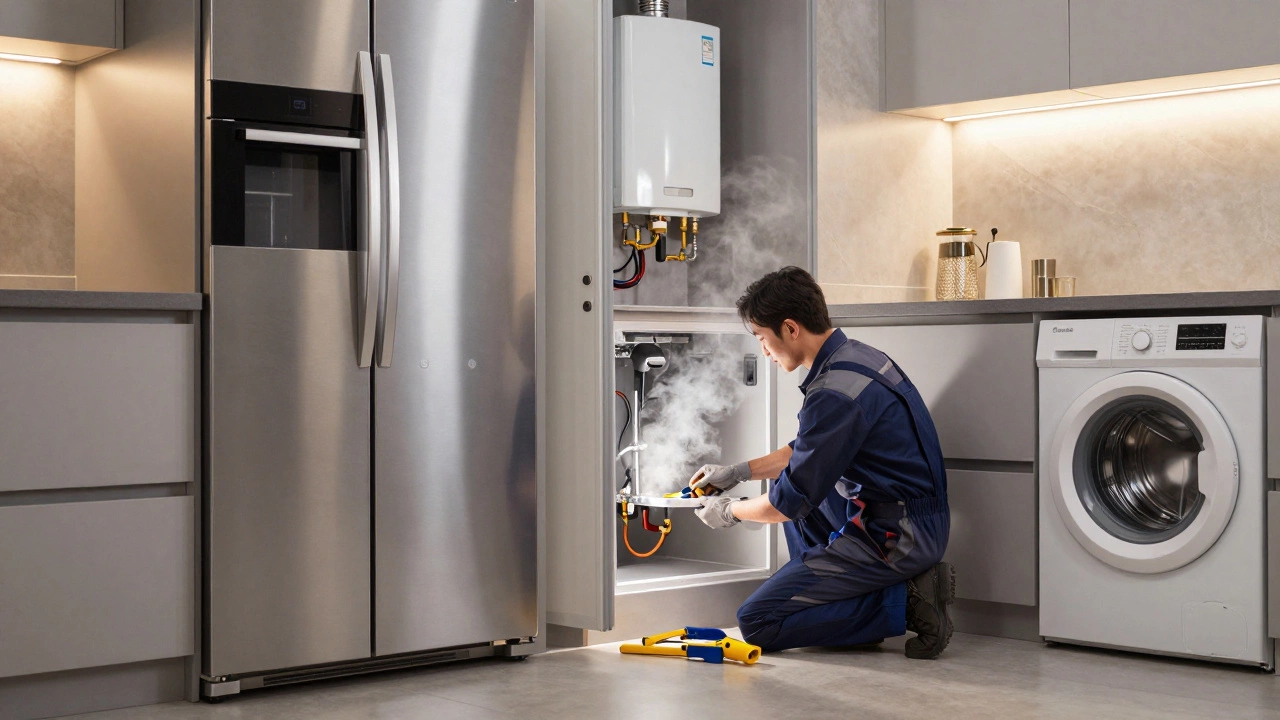
Now imagine your water heater leaks. You call the same service. They show up with a pressure gauge, a wrench, and a tank replacement. That’s because it’s a major appliance. It’s connected to gas lines, plumbing, and electrical panels. It’s not a gadget. It’s infrastructure.
That’s the difference.
Final Rule of Thumb
If it does one of these five things, it’s an appliance:
- Stores food at safe temperatures
- Cleans clothes or dishes
- Heats or cools your home or water
- Prepares or cooks food
- Removes air pollutants (like smoke, steam, or odors)
If it doesn’t do one of those, it’s probably not. Your smart speaker? Not an appliance. Your vacuum? Yes. Your electric kettle? Yes. Your gaming console? No.
Knowing this isn’t just trivia. It saves money, time, and stress. Next time something breaks, ask yourself: does this keep my home running? If yes, you’ve got an appliance. If no, you’ve got something else - and you might not need a specialist to fix it.
Is a microwave considered an appliance?
Yes, a microwave is considered an appliance. Whether it’s a countertop model or built into the cabinetry, it performs the essential function of heating and cooking food. Built-in microwaves are often treated like major appliances because they’re hardwired and integrated into the kitchen layout. Countertop models are classified as small appliances but still qualify as true appliances under standard definitions.
Is a vacuum cleaner an appliance?
Yes, a vacuum cleaner is classified as a small appliance. It’s not permanently installed, but it performs a critical household function: cleaning floors and removing dust and debris. It has a motor, filters, and a suction system designed specifically for home maintenance. Unlike a toy or gadget, it’s built for repeated, heavy-duty use - which fits the definition of an appliance.
Are smart home devices like thermostats considered appliances?
A smart thermostat is not classified as an appliance - it’s a control device. It manages your HVAC system, which is the actual appliance. The thermostat itself doesn’t heat or cool air; it sends signals to the furnace or AC unit. Think of it like a remote control for your heating system. It’s essential, but not an appliance by technical standards.
Is a garbage disposal an appliance?
Yes, a garbage disposal is an appliance. It’s mounted under the sink and connected to plumbing and electrical systems. It performs a mechanical function - grinding food waste - which makes it a dedicated household appliance. Most building codes list it alongside dishwashers and water heaters as a required kitchen appliance.
Can an appliance be repaired if it’s out of warranty?
Yes, most appliances can be repaired even after the warranty expires. Many major appliances last 10-15 years, and repairs often cost less than replacement. For example, replacing a faulty door seal on a refrigerator might cost $120, while a new unit runs $1,000+. Repair is usually the smarter choice unless the appliance is over 10 years old or requires multiple expensive parts.