Extractor Fan Troubleshooter
What's happening with your extractor fan?
Select the symptoms you're experiencing to determine who to call for help.
Extractor fans don’t just make your kitchen or bathroom smell better-they prevent mold, reduce condensation, and protect your home’s structure. But when one stops working, it’s not always clear who you need to call. Electrician? Plumber? Handyman? The answer depends on what’s broken.
Most extractor fan problems are electrical
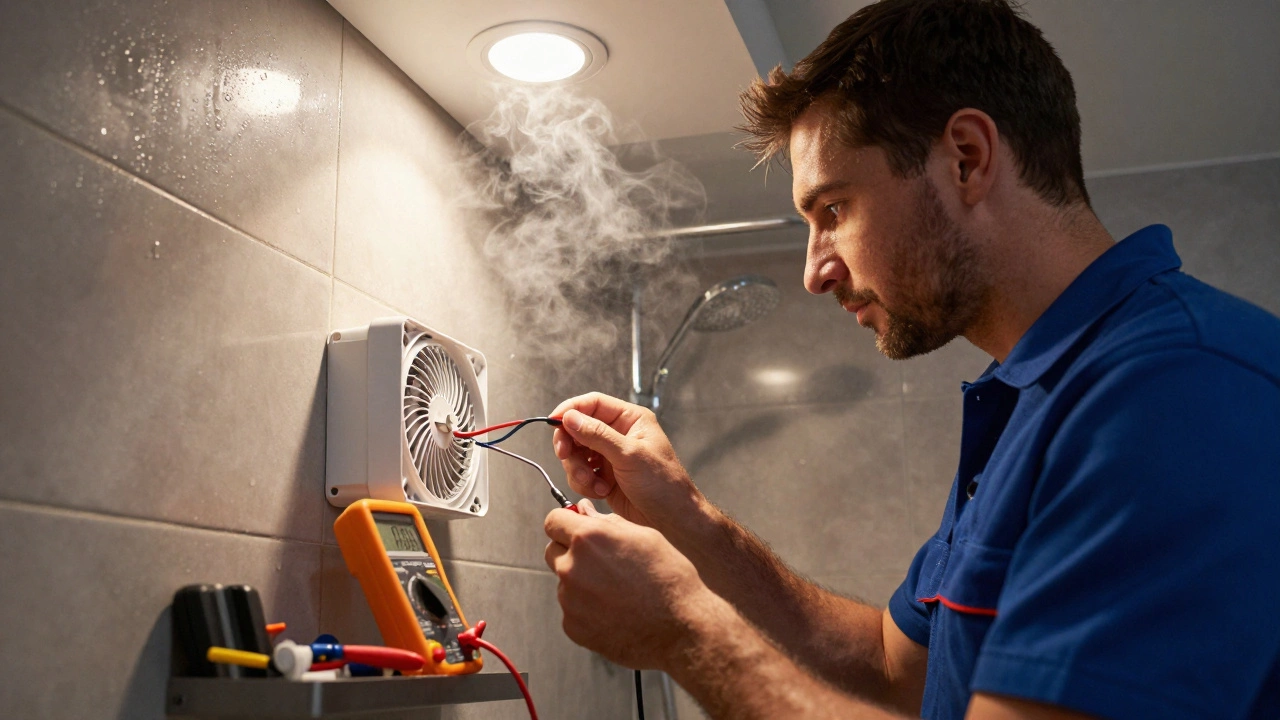
If your extractor fan doesn’t turn on at all, the issue is almost always electrical. No hum, no spin, no light on the switch? That’s not a blocked duct or a dirty blade-it’s a dead motor, a tripped circuit, or a faulty switch. These are jobs for a licensed electrician.In New Zealand, electrical work in wet areas like bathrooms and kitchens must comply with AS/NZS 3000. That means only a registered electrician can legally replace wiring, install a new switch, or swap out the motor inside the fan housing. Even if you’re handy, you can’t legally do this yourself unless you’re certified.
A common mistake is assuming the fan is broken because it’s noisy. But noise usually means the bearings are worn or the blades are caked with grease. That’s a cleaning job. The motor might still be fine. An electrician will test the voltage at the fan terminals. If it’s getting power but won’t run, they’ll replace the motor. If it’s not getting power, they’ll trace the circuit back to the switch or the fuse box.
When you need a plumber
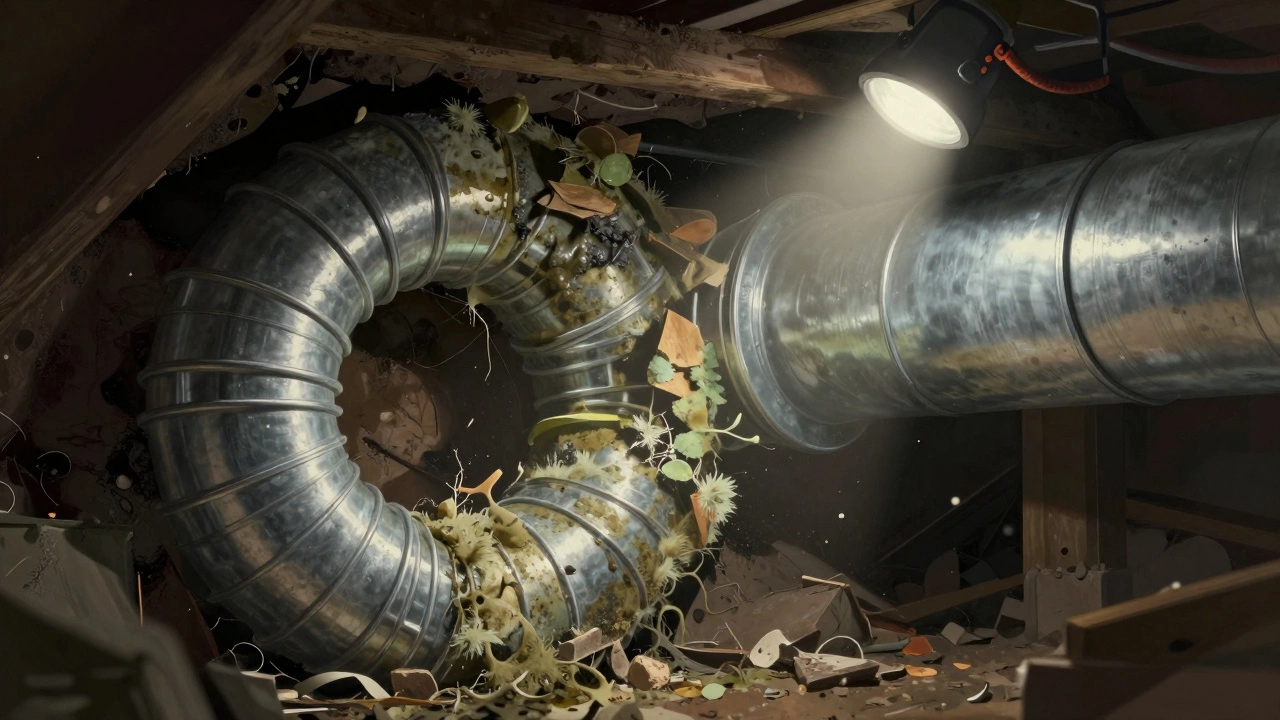
Plumbers don’t fix motors. But they do fix ducting. If your extractor fan runs fine but the air isn’t moving outside, the problem is likely blocked or collapsed ductwork. This happens often in older homes where flexible plastic ducts were used instead of rigid metal.Over time, condensation builds up inside these ducts. Dust sticks to the moisture. Mold grows. Eventually, the duct collapses under its own weight or gets pinched by insulation. A plumber or ventilation specialist can access the ducting through the roof cavity or wall cavity, clear the blockage, and replace the section with rigid PVC or galvanized steel. They’ll also check for proper slope-ducts must angle slightly downward toward the outlet to prevent water pooling.
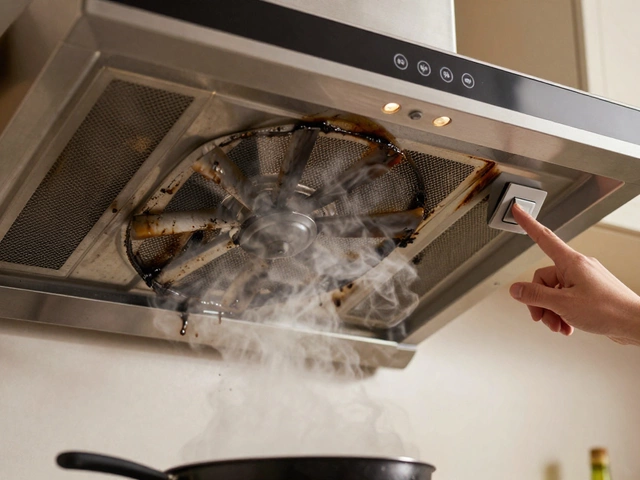
Don’t confuse this with a dirty fan. If you take off the grille and see thick grease buildup on the blades, that’s not a plumbing issue. That’s a cleaning job. You can do it yourself with warm soapy water and a soft brush. But if the duct behind it is full of sludge, that’s a pro job.
Handymen can help-with limits
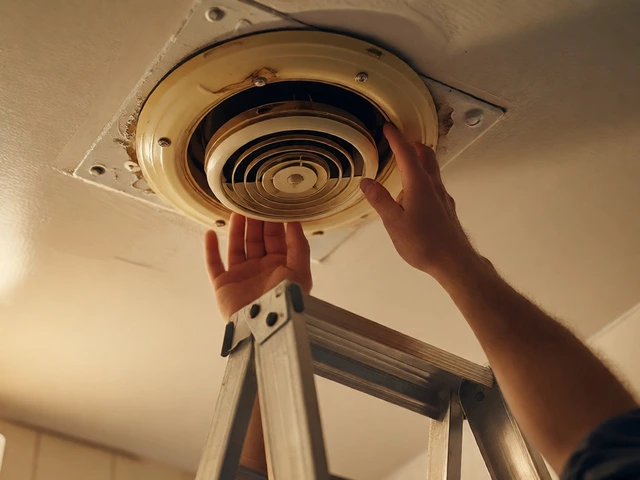
A good handyman can replace a broken grille, clean the fan blades, or install a new wall-mounted fan unit. They can also reattach loose ducting or tighten mounting brackets. But they can’t touch wiring in a bathroom or kitchen unless they’re also a licensed electrician.In Wellington, many homeowners hire handymen for the easy stuff because it’s cheaper. But if the fan stops working after a handyman replaces the grille, you’ll still need an electrician to diagnose the real problem. That’s two visits, two fees, and more time lost.
Ask any handyman upfront: "Can you test the electrical circuit and replace the motor if needed?" If they say yes, ask for their registration number with the Electrical Workers Registration Board. If they can’t provide it, don’t let them touch the wiring.
What’s inside an extractor fan?
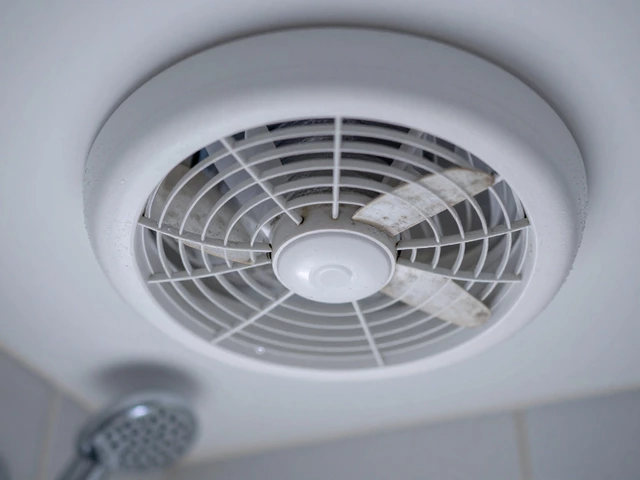
Most extractor fans have four main parts:- The motor-the heart of the system. Usually 15-40 watts, runs on 240V. Lasts 8-12 years.
- The impeller (blades)-plastic or metal, pulls air through the housing. Gets greasy fast in kitchens.
- The housing-plastic or metal casing that holds everything together. Can crack over time.
- The duct connection-where the fan vents to the outside. Often the weakest link.
When the motor fails, it’s rarely worth repairing. Motors are sealed units. You can’t service them. You replace them. A replacement motor for a standard 100mm extractor fan costs between $40 and $80. Labor is usually $80-$120. If the whole unit is over 10 years old, it’s cheaper to replace the entire fan.
When to replace instead of repair
There’s a simple rule: if the fan is over 10 years old and needs more than one fix, replace it. Why?- New fans are quieter. Modern ones run at 25-35 decibels. Old ones can be 50+.
- New fans use 30-50% less power. A 15W modern fan does the job of a 30W old one.
- Modern fans come with timers, humidity sensors, and reverse airflow for cleaning.
- Warranty. Most new units come with 2-5 years.
For example, a basic 100mm bathroom extractor fan with a timer and humidity sensor costs around $120-$180 installed. That’s less than two repair visits. And you get better performance, lower electricity bills, and less noise.

What to look for in a technician
Not everyone who says they fix extractor fans can actually do it right. Here’s how to pick:- For electrical work-Ask for their Electrical Workers Registration Board number. Verify it online.
- For ducting-Ask if they’ve installed rigid metal or PVC ducts. Avoid anyone who says "flexible duct is fine." It’s not.
- For full replacements-Ask if they carry common models like Vent-Axia, extract, or Ebac. If they say "I’ll order it," you might wait days.
- Always get a quote in writing-including parts, labor, and whether they’ll clean the duct or just replace the fan.
Don’t fall for the "$50 fan fix" ads. If they don’t test the voltage, they’re guessing. If they don’t check the duct, they’re leaving the real problem behind.
Quick checklist before calling anyone
Before you pay for a service call, do this:- Turn off the power at the circuit breaker.
- Remove the fan grille and check for visible grease or dust buildup.
- Try spinning the blades by hand. Do they turn freely? If not, clean them.
- Turn the power back on and listen. Do you hear a hum? If yes, the motor is getting power but stuck. If no hum, it’s electrical.
- Check the wall switch. Does it click? Try toggling it 10 times.
If the blades spin freely and there’s no hum, call an electrician. If the blades are stuck and greasy, clean them. If the fan runs but air doesn’t exit the house, call a plumber or ventilation specialist.
What happens if you ignore a broken extractor fan?
Ignoring a broken extractor fan isn’t just about smell. In Wellington’s damp climate, moisture builds up fast. Within months, you’ll see:- Black mold on bathroom tiles or window frames
- Peeling paint or wallpaper
- Warped skirting boards
- Musty smell that won’t go away
Insurance companies in New Zealand have started denying claims for mold damage if they find no extractor fan or evidence it was ever working. You’re not just risking your health-you’re risking your home’s value.
Can I fix my extractor fan myself?
You can clean the blades and grille yourself with warm soapy water. You can also replace a broken plastic grille. But if the fan doesn’t turn on, or you need to touch wiring, switch, or motor, you must hire a licensed electrician. Electrical work in wet areas like bathrooms and kitchens is illegal for unregistered people in New Zealand.
Is it cheaper to repair or replace an extractor fan?
If the fan is under 8 years old and only needs a motor replacement, repair is cheaper-around $150 total. But if it’s older than 10 years, replacement is usually better. A new fan with a timer and humidity sensor costs $120-$180 installed, uses less power, runs quieter, and comes with a warranty. Repairing an old unit often leads to more problems down the road.
Do I need a plumber or electrician for my extractor fan?
If the fan doesn’t turn on, call an electrician. If it turns on but no air comes out, call a plumber or ventilation specialist to check the ducting. Many people assume it’s one or the other, but the problem could be both. A good technician will check both the electrical side and the ducting.
How often should extractor fans be cleaned?
Kitchen extractor fans should be cleaned every 3-6 months because of grease buildup. Bathroom fans need cleaning once a year unless you have high humidity. Use a soft brush and warm soapy water. Never use harsh chemicals-they can damage plastic blades or motor housings.
What’s the best type of ducting for extractor fans?
Rigid metal ducting (galvanized steel) or rigid PVC is best. Avoid flexible plastic ducts-they sag, trap moisture, collect dust, and are harder to clean. Flexible ducts are cheaper to install but cause 80% of airflow problems in older homes. Always insist on rigid ducting for new installations or replacements.
If you’ve had your extractor fan for more than a decade, consider upgrading. Modern units are quieter, smarter, and more efficient. Don’t wait until mold appears. A simple fix today can save you thousands in repairs tomorrow.