Hot Water Troubleshooter
Answer the questions below to narrow down why your hot water has gone off. This tool is designed for New Zealand residential heating systems.
There is nothing quite like the shock of stepping into a freezing shower when you were expecting warmth. You turn the tap, wait, and then... nothing but cold air or lukewarm trickle. If you are asking why has my hot water gone off, you are likely dealing with one of a few specific mechanical failures or utility interruptions. It’s rarely random bad luck. Whether you have an electric storage tank, a gas continuous flow system, or a central boiler, the causes usually fall into clear categories: power supply issues, component failure, or safety lockouts.
Before you call a plumber, spend ten minutes checking these basics. Most "no hot water" emergencies can be diagnosed from your kitchen table or utility closet. This guide walks through the most common culprits for homes in New Zealand, where weather fluctuations and older housing stock often play a role.
Check the Power Supply First
It sounds obvious, but electrical faults are the number one reason electric water heaters stop working. Your water heater is essentially a large kettle plugged into the wall (or hardwired). If it loses power, it stops heating.
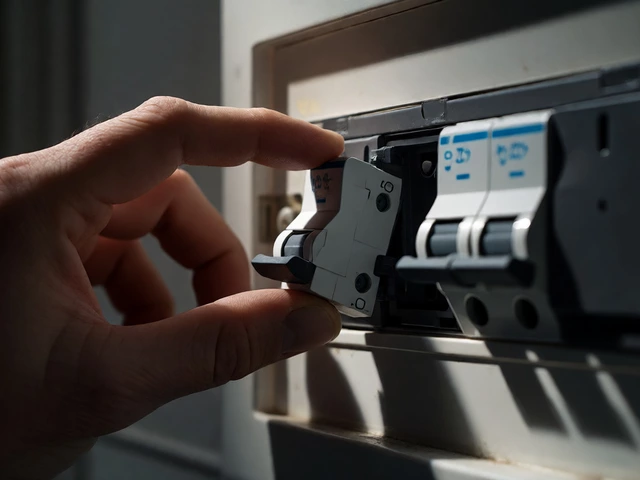
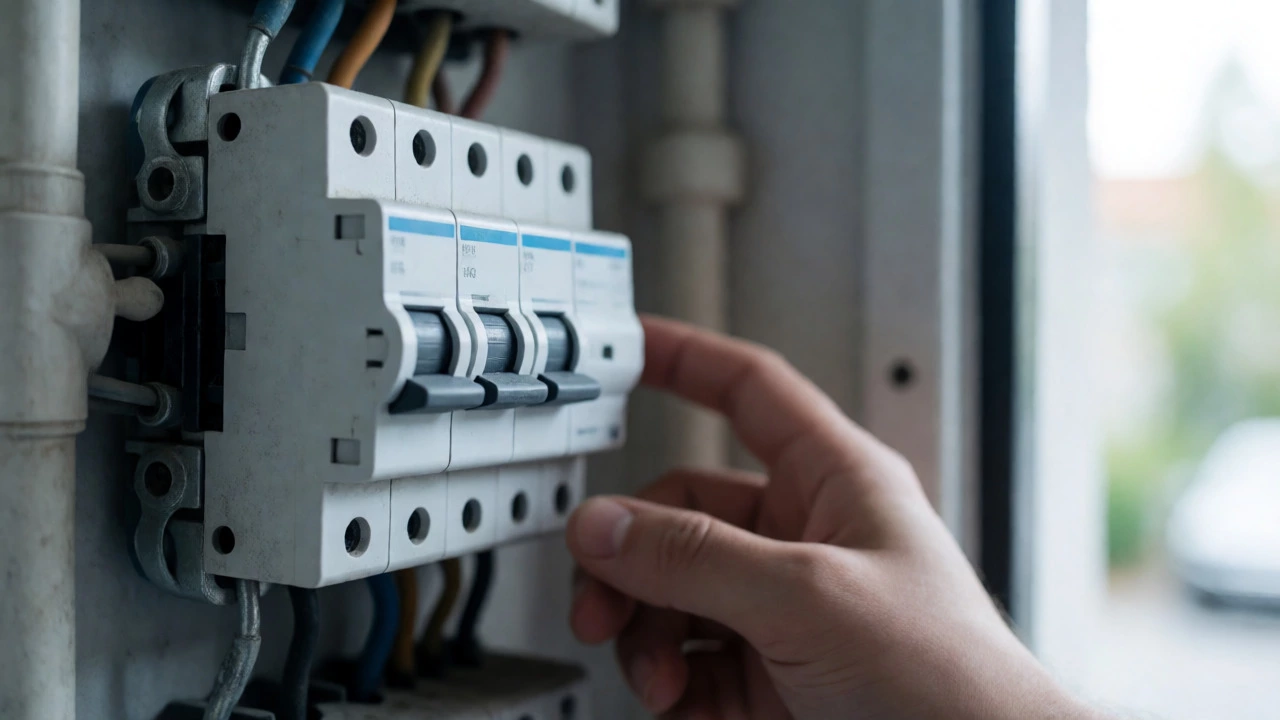
Start by looking at your switchboard. Do you see a tripped circuit breaker? If a breaker is in the middle position or clearly switched off, try resetting it. If it trips immediately again, do not keep forcing it; you have a short circuit or a failed element. For many older homes, there might also be a separate isolator switch near the unit itself. Ensure this hasn't been accidentally knocked off while moving furniture or cleaning.
The Electric Storage Water Heater is a common appliance in NZ homes, typically holding 80 to 315 liters of water. It relies on internal heating elements submerged in the tank to maintain temperature. If the power feed is cut, the thermostat cannot signal these elements to activate.
If the power is definitely on, check if you have other appliances running. A heavy load on the same circuit can sometimes cause voltage drops that affect sensitive thermostats, though this is less common than a simple trip.
Thermostat Failures and Safety Cuts
Every water heater has a thermostat. Its job is simple: turn the heat on when the water gets too cold, and off when it gets hot enough. When this part fails, it usually fails "open," meaning it never sends the signal to heat up. Sometimes, however, it fails "closed," causing the water to overheat until a high-limit safety switch cuts the power entirely.
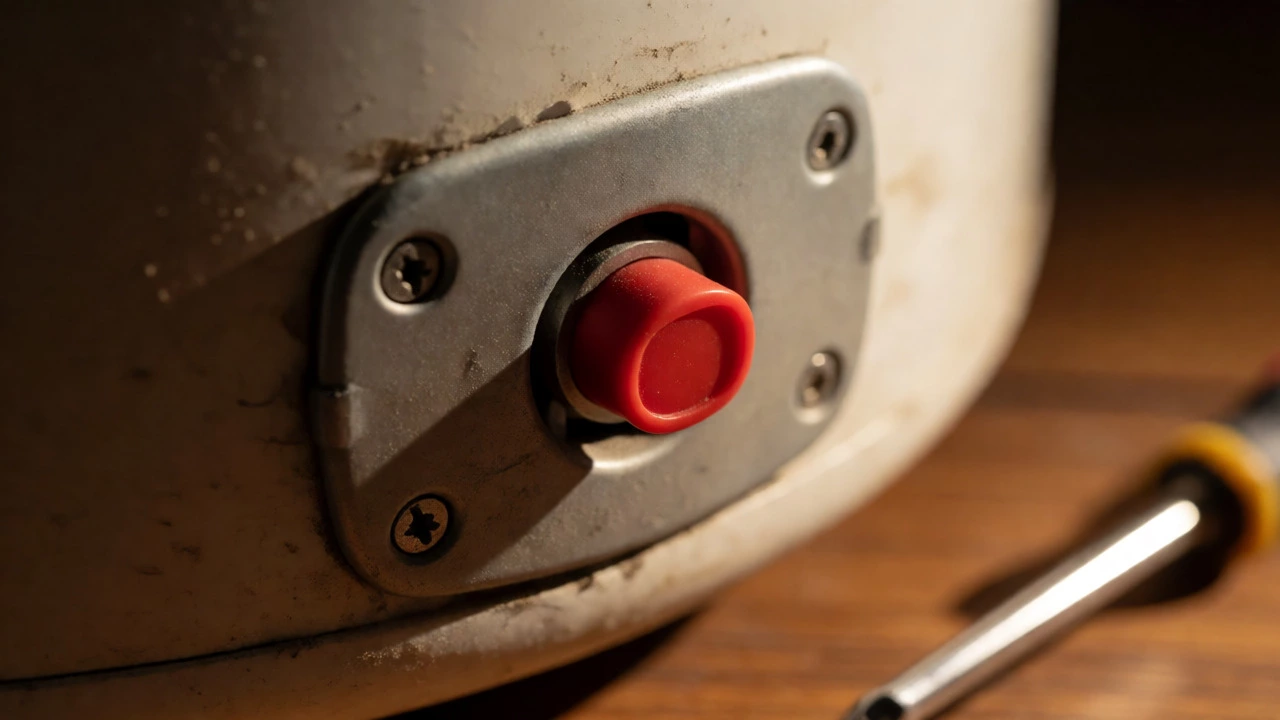
This high-limit switch is a critical safety feature. If your tank overheated because the main thermostat stuck, this switch popped out to prevent a explosion or steam release. On many units, this button is located behind a small access panel on the side of the tank. You might need a screwdriver to remove the cover. Look for a red button. If it has popped out, press it firmly back in. You should hear a click. Wait an hour, then test the hot water.
- Symptom: Water was scalding hot yesterday, now it's cold.
- Cause: Thermostat malfunction triggered the high-limit safety cut-out.
- Action: Reset the high-limit switch and monitor temperature closely.
If the button pops out again immediately after resetting, the thermostat is faulty and needs replacement. Don't ignore repeated resets; they indicate a serious component failure that could damage the tank lining over time.
Gas Heater Ignition Problems
If you run a gas continuous flow heater (often called a Rinnai or similar brand), the issue is usually ignition-related. These units don't store water; they heat it instantly as it passes through a coil. If the pilot light won't stay lit, or the electronic igniter clicks but doesn't spark, you get no hot water.
First, check the gas supply. Is the main gas valve open? Have you recently had gas work done nearby? Next, listen to the unit when you turn on a hot tap. Do you hear the fan start? Does it attempt to ignite? If it tries three times and gives up, it locks out. This is often due to dirty burners, a blocked flue, or low battery power in older models.
| Symptom | Likely Cause | User Fixable? |
|---|---|---|
| Fan runs, no click | Igniter failure or gas valve closed | No |
| Clicks but no flame | Dirty burner or thermocouple issue | Maybe (cleaning) |
| Unit shuts down quickly | Blocked flue or wind pressure | No |
In Wellington, strong southerly winds can sometimes blow out the pilot or disrupt the combustion air intake in poorly installed units. If your heater is outside, check that the flue isn't obstructed by leaves or debris.
Plumbing Issues: The Mixing Valve Trap
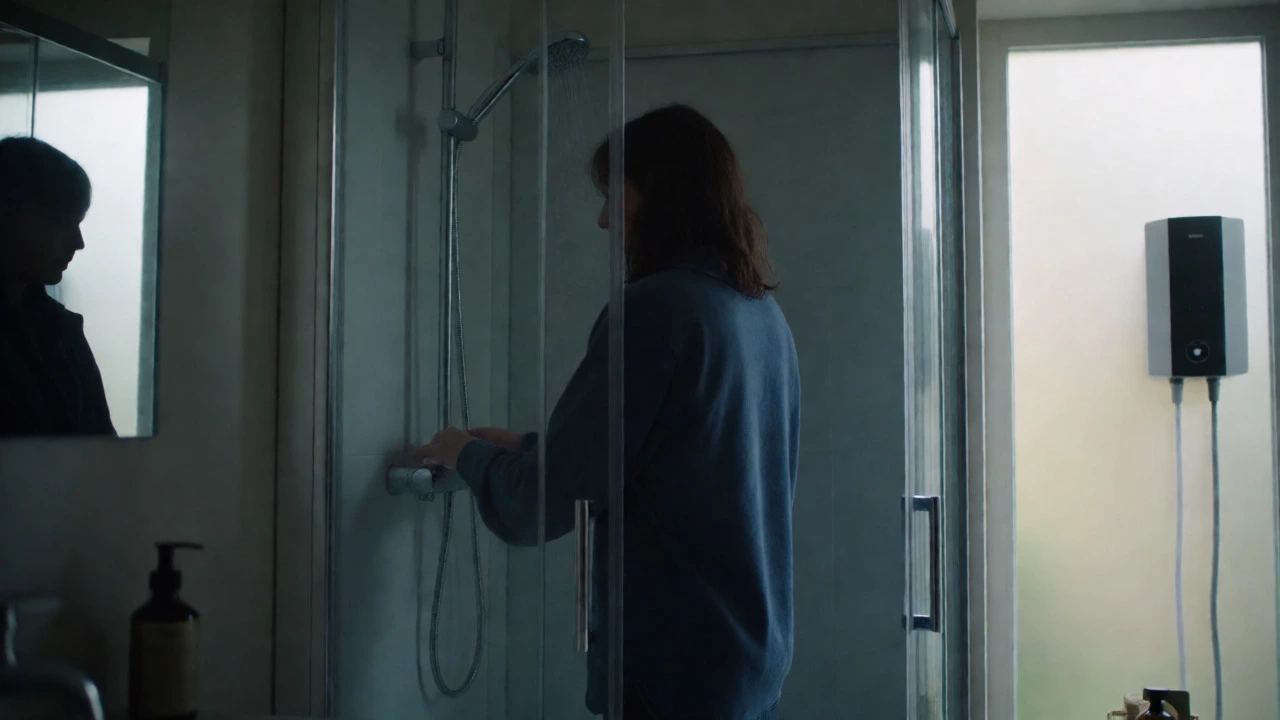
Sometimes the water heater is working perfectly, but the water reaching your shower is cold because of how it's mixed. Many modern bathrooms use a single-lever mixer tap. Inside this tap is a cartridge that blends hot and cold water. If this cartridge fails, it can default to sending only cold water through, even if the hot tap is fully open.
Test this by checking another hot water outlet in the house. Is the hot water working in the kitchen sink but not the bathroom shower? If yes, the problem is isolated to that specific tap or shower fixture, not the central heater. Replacing a shower mixer cartridge is a cheap DIY job, costing around $30-$50 in parts, whereas replacing a whole heater costs hundreds.
Another plumbing culprit is a stuck check valve or a cross-connection between hot and cold lines. If your cold water pressure is significantly higher than your hot water pressure, cold water can force its way into the hot line, cooling it down before it reaches the tap. This is more common in systems with poor balancing valves.
Heating Element Burnout
For electric storage tanks, the heating elements are consumables. They sit in corrosive water and eventually burn out, much like the filament in an old light bulb. When one element fails, you might notice a change in performance rather than a total loss. For example, the water heats slower, or you run out of hot water faster than usual.
However, if both upper and lower elements fail simultaneously (rare but possible), you get zero hot water. Diagnosing this requires a multimeter. You can test continuity across the element terminals. If there is no continuity, the element is broken. In areas with hard water, mineral buildup insulates the element, causing it to overheat and burn out prematurely. Installing a sacrificial anode rod helps protect the tank, but it doesn't save the elements.
Replacing an element involves draining the tank, removing the access plate, and unscrewing the old part. It’s a messy job best left to professionals if you aren’t comfortable working with wet electricity.
Boiler System Specifics
If you have a combi-boiler or a system boiler providing both heating and hot water, the diagnosis changes. Check your boiler’s display screen for error codes. Common errors relate to low water pressure, pump failure, or diverter valve issues.
The diverter valve is responsible for switching the flow between radiators and hot water. If it gets stuck in the "heating" position, your radiators will get hot, but your taps will remain cold. Conversely, if it’s stuck in "hot water," your heating won't work. Tapping the valve gently with a wrench handle can sometimes free it temporarily, giving you time to book a service.
Also, check your system pressure. Most boilers operate between 1 and 1.5 bar. If the pressure has dropped below 0.5 bar, the system may lock out to protect itself. Top up the pressure using the filling loop, but investigate why it dropped-likely a leak or a faulty expansion vessel.
When to Call a Professional
You should call a licensed plumber or gasfitter if:
- The circuit breaker trips repeatedly after resetting.
- You smell gas near the heater.
- There is visible water leaking from the tank base.
- The unit makes banging, knocking, or hissing noises.
- You have replaced fuses and reset switches with no result.
Working with gas requires certification in New Zealand. Never attempt to repair gas components yourself unless you hold the appropriate license. Electrical repairs on hardwired heaters also carry significant risk if isolation procedures aren't followed correctly.
How long does it take for hot water to come back after a power outage?
If you have an electric storage tank, it typically takes 1 to 2 hours to reheat a full tank of 180 liters, depending on the incoming water temperature and the wattage of the elements. Gas continuous flow heaters provide instant hot water once power and gas are restored.
Can I fix a tripped hot water breaker myself?
Yes, you can reset the breaker. Turn the breaker fully OFF, then ON. If it stays on, you are good. If it trips again immediately, do not reset it again. This indicates a fault inside the heater (like a grounded element) that requires professional repair to avoid fire hazards.
Why is my hot water lukewarm instead of cold?
Lukewarm water usually means one heating element has failed (in dual-element tanks), the thermostat is set too low, or the mixing valve in your tap is failing. It can also happen if you have just used a large amount of hot water and the tank hasn't recovered yet.
Does a broken thermostat mean I need a new water heater?
No. Thermostats are inexpensive parts ($20-$50) and easy to replace compared to buying a new unit ($600+). However, if the tank is over 10 years old and leaking, replacement is often more cost-effective than repairing multiple aging components.
What if my hot water works upstairs but not downstairs?
This suggests a localized plumbing issue, such as a blocked pipe, a failed zone valve (if you have underfloor heating/hot water zones), or a specific tap cartridge failure. It is unlikely to be a problem with the central heater itself.