Heat Pump Repair vs. Replace Calculator
Use the industry-standard "5,000 Rule" to make an informed decision about your heat pump. Multiply the age of your unit by the estimated repair cost. If the result exceeds 5,000, replacement is typically more cost-effective.
There is nothing worse than waking up to a cold house in winter or a sweltering one in summer, only to realize your heat pump has stopped working. The immediate question on every homeowner's mind is simple but stressful: are heat pumps expensive to fix?
The short answer is that it depends entirely on what broke. A simple thermostat replacement might cost you less than $100, while a failed compressor can run into the thousands. However, compared to traditional gas furnaces or central air conditioning units, heat pumps often have lower long-term repair bills because they do more work with fewer moving parts. Understanding where the money goes-and how to keep it from going-can save you hundreds of dollars annually.
Understanding Heat Pump Repair Costs
To know if a repair is "expensive," you first need a baseline for standard pricing. In New Zealand and similar markets, labor rates for qualified HVAC technicians typically range between $80 and $150 per hour. Most service calls include a diagnostic fee, which usually falls between $70 and $120. This fee is often credited toward the actual repair cost if you proceed with the work.
Minor repairs, such as replacing a capacitor, fixing a wiring issue, or swapping out a contactor, generally cost between $150 and $400. These are relatively inexpensive fixes that extend the life of the unit significantly. On the other hand, major component failures tell a different story. Replacing an outdoor fan motor might set you back $300 to $600, including labor. If the evaporator coil inside your home is corroded or leaking, expect to pay between $800 and $1,500.
The most dreaded scenario is compressor failure. The compressor is the heart of the system. If it dies, the repair cost can range from $1,500 to $3,000 or more, depending on the size and type of the unit. At this price point, many homeowners find themselves debating whether to repair or replace the entire system.
| Component | Common Issue | Estimated Cost (NZD) |
|---|---|---|
| Thermostat | Malfunctioning sensors or dead batteries | $80 - $250 |
| Capacitor | Unit won't start or hums loudly | $150 - $300 |
| Contactor | Electrical connection failure | $150 - $400 |
| Fan Motor | Reduced airflow or grinding noise | $300 - $600 |
| Evaporator Coil | Refrigerant leak or corrosion | $800 - $1,500 |
| Compressor | Complete system failure | $1,500 - $3,000+ |
Why Do Heat Pumps Break Down?
Heat pumps are robust machines, but they are not immune to wear and tear. Most breakdowns stem from three main culprits: neglect, electrical issues, and refrigerant problems.
Neglect is the number one killer of HVAC systems. If you never change your air filters, dust and debris clog the coils. This forces the system to work harder to move air, leading to overheating and eventual component failure. In Wellington, where coastal winds carry salt and sand, outdoor units require even more attention. Salt buildup can corrode copper lines and aluminum fins rapidly if not cleaned regularly.
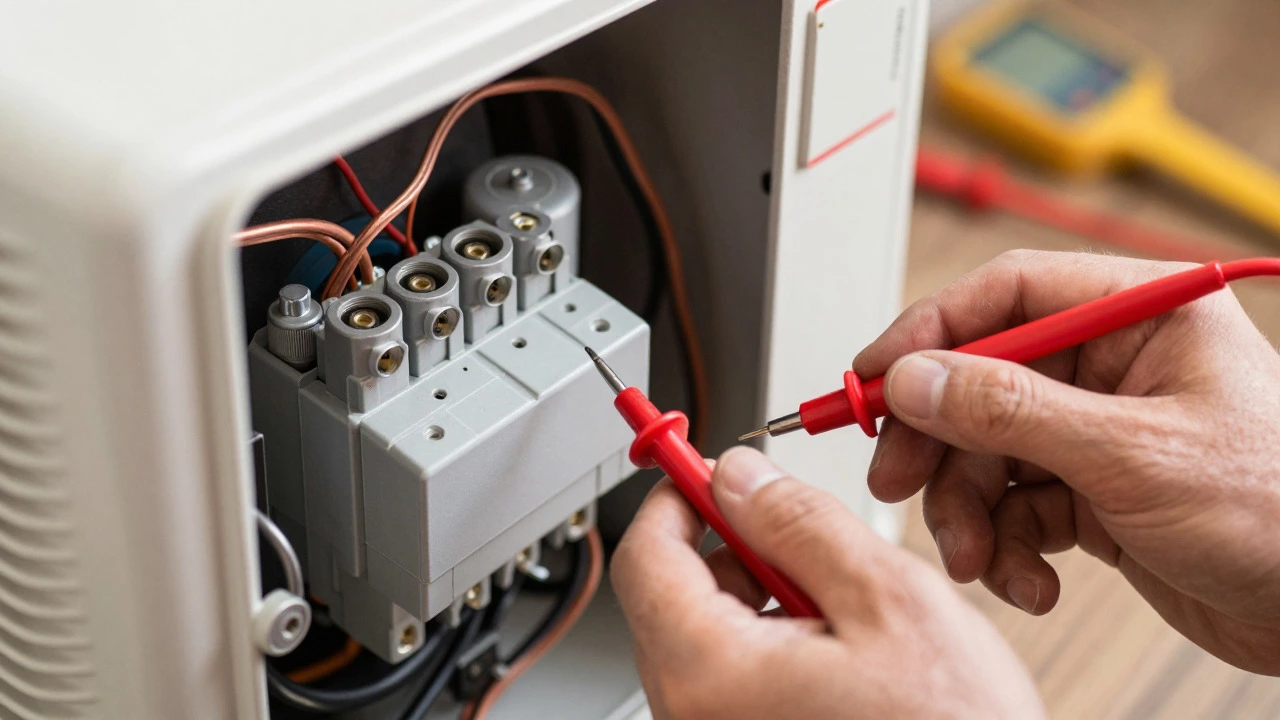
Electrical components like capacitors and contactors are designed to handle high voltage surges repeatedly. Over time, these parts degrade. A weak capacitor might still spin the fan but fail to engage the compressor, leaving you with no heat or cool air. These are cheap parts, but ignoring them can lead to cascading damage.
Refrigerant leaks are another serious issue. Unlike cars, where you can simply top off the oil, heat pumps are sealed systems. If there is a leak, it means there is a hole somewhere in the copper piping. Technicians must locate the leak, weld it shut, vacuum the system, and recharge it with the correct amount of refrigerant. This process is labor-intensive and costly. Furthermore, environmental regulations restrict the types of refrigerants available, making replacements pricier than they were a decade ago.
Repair vs. Replace: When Does It Make Sense?
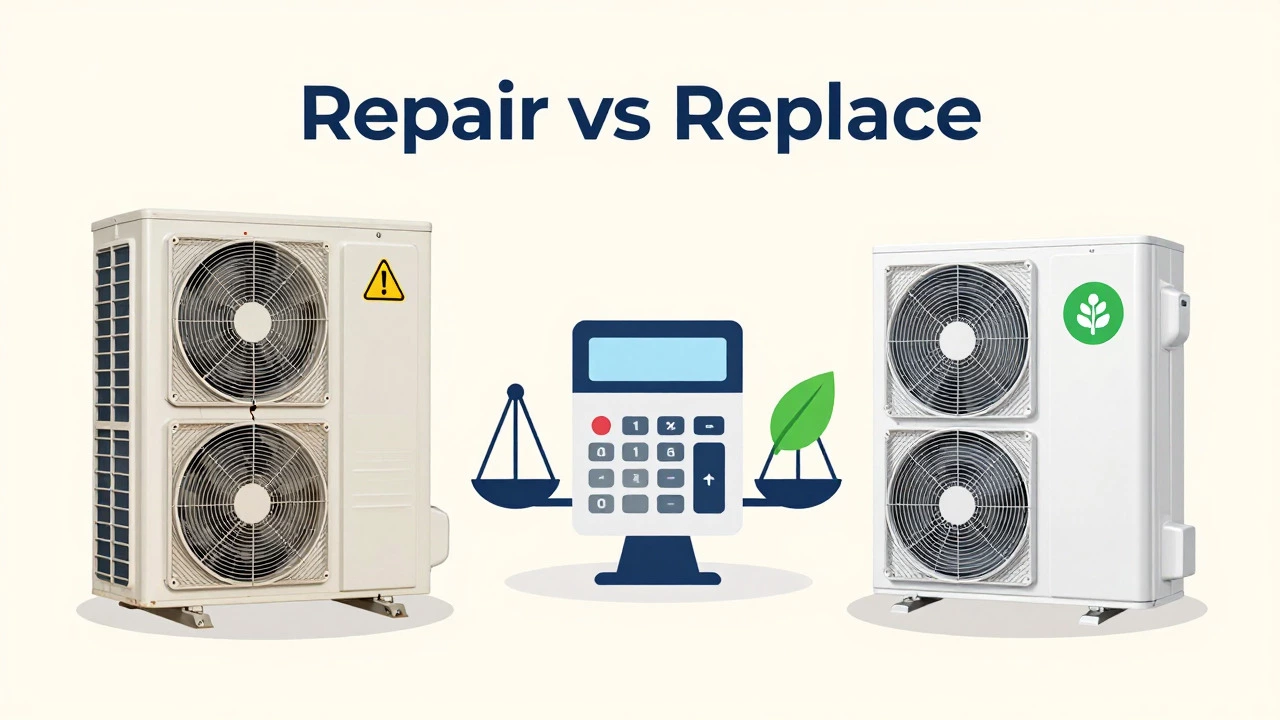
Facing a big repair bill triggers a difficult decision. Should you spend $1,200 to fix a ten-year-old unit, or invest $4,000 to $6,000 in a new one? There is no universal rule, but industry experts often use the "5,000 Rule" as a guideline. Multiply the age of your unit in years by the cost of the repair. If the result is greater than 5,000, it is usually smarter to replace the system.
For example, if your heat pump is 10 years old and the repair costs $600, the calculation is 10 x 600 = 6,000. Since 6,000 is greater than 5,000, replacement is likely the better financial choice. Conversely, if the unit is only five years old, 5 x 600 = 3,000, suggesting repair is the wiser option.
However, numbers aren't everything. Consider efficiency. Modern heat pumps are significantly more efficient than models from ten years ago. If your current unit is struggling to maintain temperature during extreme weather, a new model will not only reduce repair risks but also lower your electricity bills. In regions with rising energy costs, the return on investment for a new, high-efficiency unit can be surprisingly fast.
How to Lower Your Repair Bills
You don't have to wait for disaster to strike. Proactive maintenance is the single most effective way to keep repair costs low. Here is a practical checklist to follow:
- Change Filters Monthly: During peak heating and cooling seasons, check your filters every month. A clogged filter restricts airflow, causing the compressor to overwork and potentially freeze up.
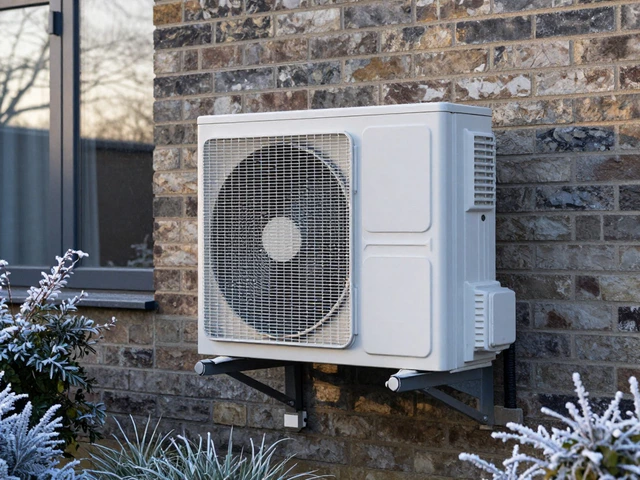
- Keep the Outdoor Unit Clear: Ensure at least two feet of clearance around the outdoor condenser. Trim back bushes, remove leaves, and hose down the coils gently once a year to remove dirt and pollen.
- Listen for Strange Noises: Grinding, squealing, or banging sounds are early warning signs. Addressing a loose screw or worn bearing early can prevent a total motor failure later.
- Schedule Annual Professional Servicing: Just like a car needs an oil change, your heat pump needs a professional inspection. A technician will check refrigerant levels, test electrical connections, and clean internal components that you can't reach.
In coastal areas like Wellington, inspect the outdoor unit for corrosion after heavy storms. Applying a protective coating to metal parts can extend their lifespan significantly.
Common Myths About Heat Pump Repairs
Misinformation can lead to poor decisions. One common myth is that heat pumps are fragile and break down constantly. In reality, they are quite durable if maintained properly. Another myth is that all repairs are prohibitively expensive. While major components are pricey, many issues are minor and affordable to fix.
Some homeowners believe that turning the thermostat down to the lowest setting in winter will save money. This is false and harmful. Extreme settings force the system to run continuously without resting, leading to premature wear. Set your thermostat to a comfortable, consistent temperature and let the system cycle on and off as designed.
The Impact of Climate on Repair Frequency
Your location plays a huge role in how often your heat pump needs attention. In mild climates, heat pumps operate efficiently year-round. In extreme cold or heat, they face greater stress. For instance, in very cold regions, older heat pumps may struggle to extract heat from the air, requiring supplemental electric resistance heating. This adds strain on the electrical system and increases the likelihood of breaker trips or relay failures.
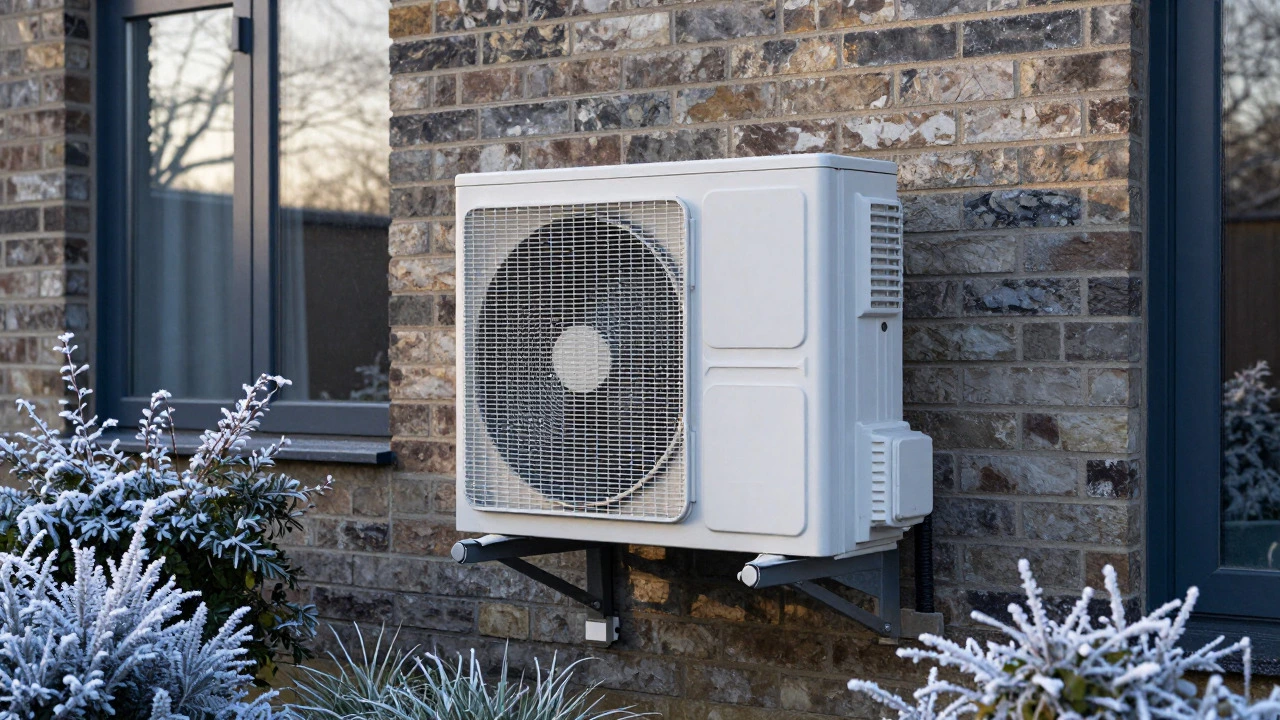
Newer cold-climate heat pumps are designed to handle temperatures well below freezing, but they still require careful maintenance. Ice buildup on the outdoor coil is normal during defrost cycles, but excessive ice indicates a problem with the defrost sensor or timer. Ignoring this can lead to water damage and compressor stress.
Is it cheaper to repair or replace a heat pump?
It depends on the age of the unit and the cost of the repair. Use the "5,000 Rule": multiply the age of the unit by the repair cost. If the number exceeds 5,000, replacement is usually more cost-effective. Additionally, consider the efficiency gains of a new model, which can lower long-term energy bills.
What is the most common heat pump repair?
The most common repairs involve capacitors, contactors, and thermostats. These electrical components wear out over time due to voltage fluctuations and regular cycling. They are relatively inexpensive to replace and often resolve issues like the unit not starting or blowing lukewarm air.
How much does it cost to fix a heat pump that isn't heating?
Costs vary widely. Simple issues like dirty filters or faulty thermostats may cost under $200. More complex problems involving refrigerant leaks or compressor failures can range from $800 to over $3,000. A diagnostic fee will help identify the root cause before committing to a full repair.
Can I fix my heat pump myself?
You can perform basic maintenance like changing filters and cleaning the outdoor unit. However, most repairs involve high-voltage electricity and pressurized refrigerant, which require licensed professionals. Attempting DIY repairs on electrical or refrigerant components can void warranties and pose safety risks.
How long do heat pumps last?
With proper maintenance, a heat pump typically lasts 15 to 20 years. Regular servicing, timely filter changes, and keeping the outdoor unit clean can extend its lifespan. Neglect can shorten this period significantly, leading to premature failure and higher repair costs.