Boiler Health & Maintenance Checklist
DIY Maintenance Tracker
Check off the tasks you have completed recently.
Symptom Checker
Are you experiencing any of the following?
Quick Wins for Boiler Health
- Check the water pressure every few months.
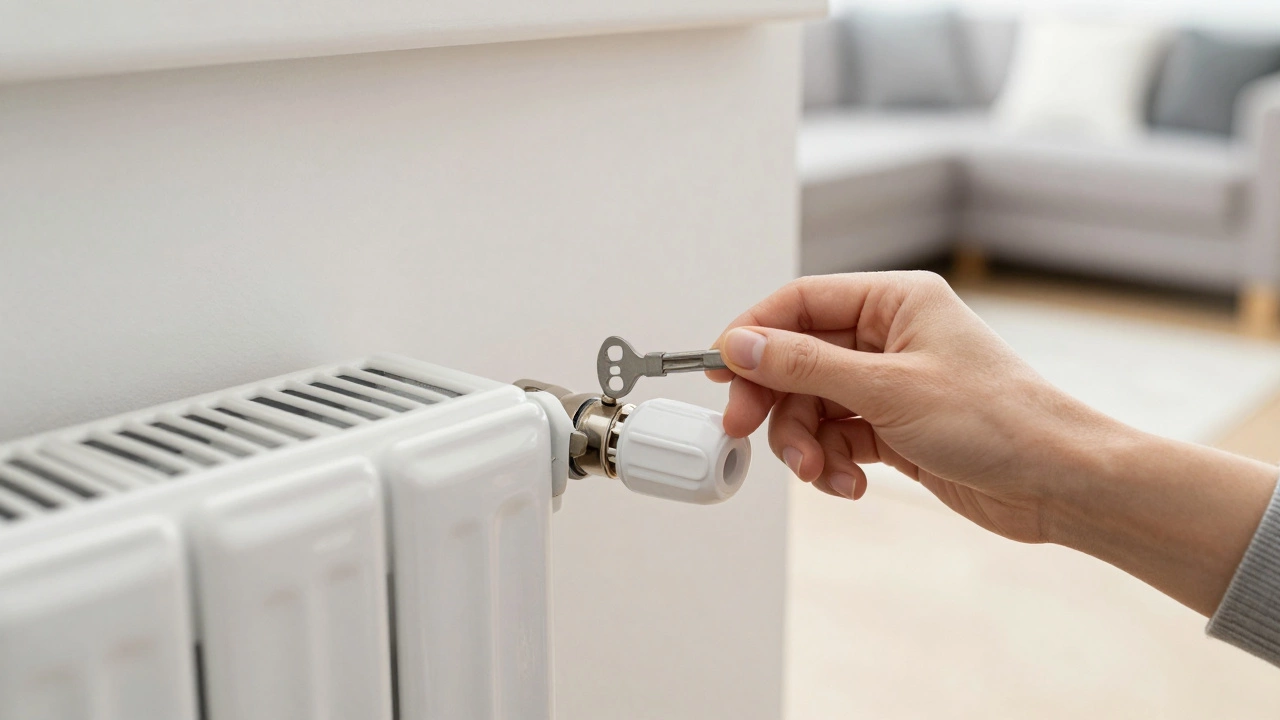
- Bleed your radiators to remove trapped air.
- Keep the area around the boiler clear of clutter.
- Listen for weird noises like banging or whistling.
- Schedule a professional service once a year.
Managing Water Pressure and Air Pockets
One of the most common reasons a boiler stops working is simply a loss of pressure. Your system is a closed loop of water; if that pressure drops, the pump can't push water to your radiators, and the boiler will shut down to protect itself from overheating. You'll usually see a gauge on the front of the unit. If it dips below 1 bar, you likely need to top it up using the filling loop.
Then there is the issue of air. Have you ever noticed a radiator that is warm at the bottom but cold at the top? That's air trapped in the system. This forces your Boiler to work harder to push heat through, which wastes gas. Using a radiator key to bleed these air pockets is a five-minute job that can immediately improve the warmth of your rooms.
The Importance of the Annual Service
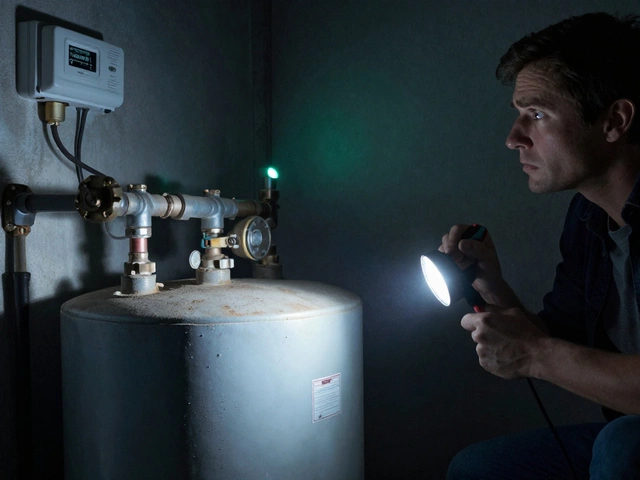
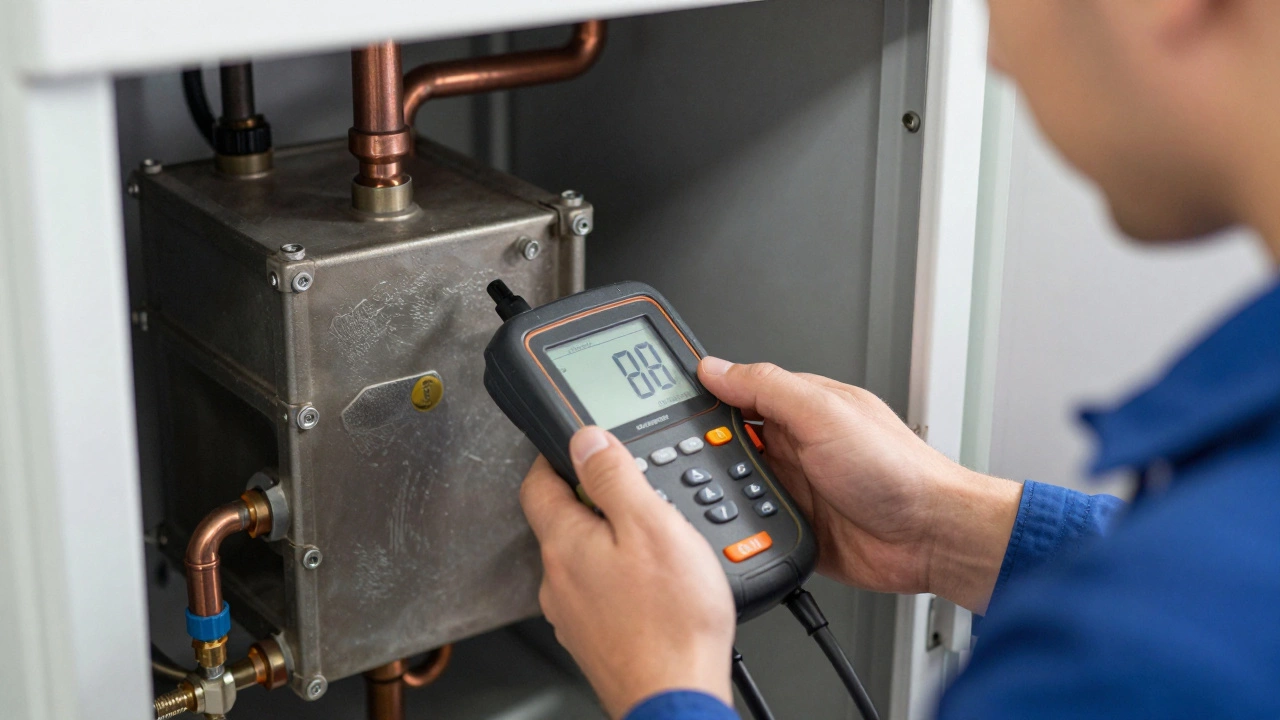
While you can handle the pressure gauge, you shouldn't be poking around the internal gas valves. An annual service by a certified technician is the only way to ensure your home is safe. A pro will check the Heat Exchanger-the part where the fire actually heats the water. Over time, this gets coated in debris and scale, which acts like an insulating blanket, making the boiler less efficient.
During a service, a technician also performs a flue gas analysis. This is critical because they are checking for Carbon Monoxide leaks. Since this gas is colorless and odorless, a faulty flue is a silent killer. They will also check the Expansion Vessel to make sure it's holding the right charge of air, preventing the system from over-pressurizing and leaking.
| Task | Who Does It? | Frequency | Why It Matters |
|---|---|---|---|
| Checking Pressure Gauge | Homeowner | Monthly | Prevents system shutdown |
| Bleeding Radiators | Homeowner | Once a Year | Removes cold spots |
| Flue Inspection | Professional | Yearly | Prevents gas poisoning |
| Cleaning Burners | Professional | Yearly | Boosts fuel efficiency |
| Sludge Removal (Flushing) | Professional | Every 5 Years | Stops pump failure |
Dealing with Sludge and Corrosion
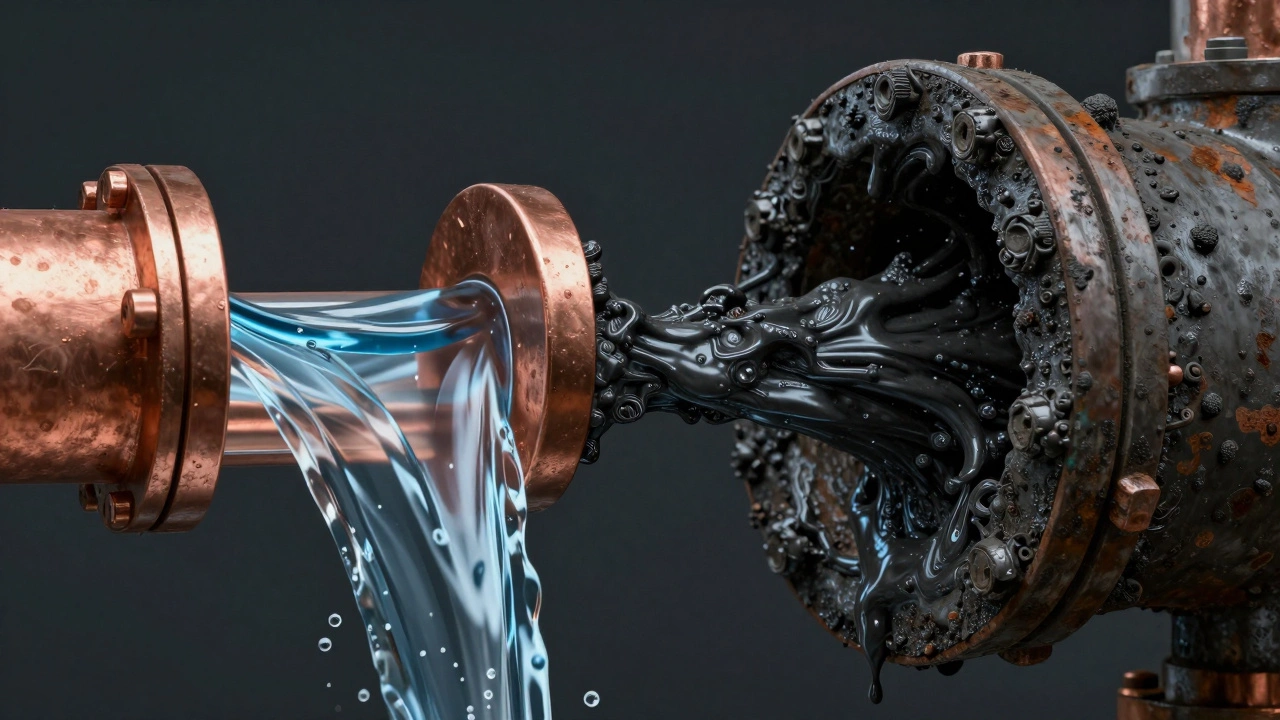
If you live in an area with hard water, your boiler is fighting a constant battle against minerals. Over time, these minerals settle in the pipes as a thick, black sludge known as magnetite. This gunk clogs up the narrow passages in a Condensing Boiler and puts massive strain on the pump.
If you start hearing a rattling sound-often called "kettling"-it's a sign that sludge has built up around the heat exchanger. To fix this, you need a power flush. This involves pumping a chemical cleanser through the entire system to strip away the debris. If you ignore the sludge, you'll eventually face a total pump failure, which is a much more expensive fix than a periodic flush.
Understanding the Role of Magnetic Filters
If you're installing a new system or upgrading an old one, ask about a magnetic filter. This is a small device installed on the return pipe that uses a powerful magnet to trap metallic particles before they ever reach the boiler. It's essentially a kidney for your heating system.
By capturing the magnetite, the filter extends the life of the Circulation Pump and keeps the heat exchanger clean for longer. Instead of a full system flush every few years, a technician can simply open the filter and wipe away the collected sludge during your annual visit.
Warning Signs You Need Immediate Help
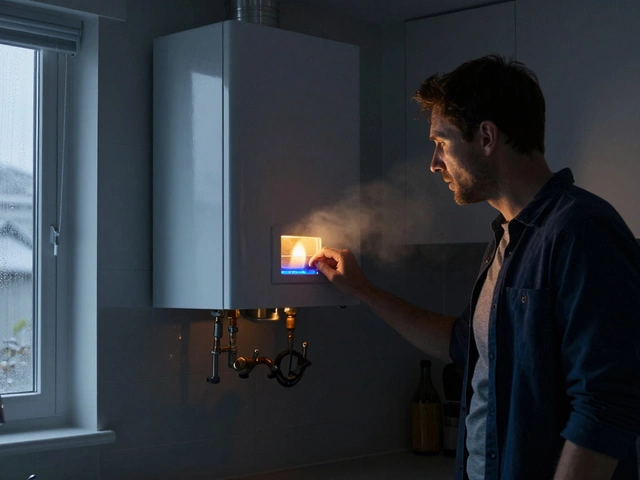
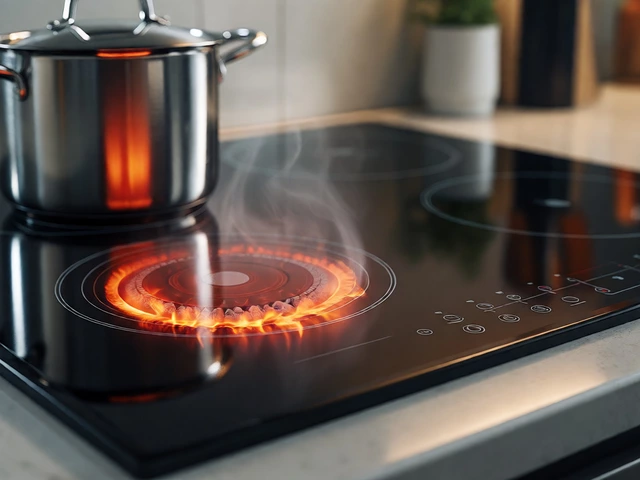
Not every problem is a maintenance issue; some are emergencies. You should call a professional immediately if you see a yellow flame instead of a crisp blue one. A yellow flame means the gas isn't burning properly, which often indicates a lack of oxygen or a blocked flue.
Another red flag is a sudden spike in your heating bills without any change in your habits. If your boiler is running constantly but the house is still chilly, you likely have a major efficiency drop or a leak. Don't wait for the unit to stop completely; a small leak today becomes a flooded kitchen and a dead boiler tomorrow.
How often should I actually service my boiler?
You should have a professional service your boiler once every 12 months. Even if it seems to be working perfectly, a yearly check ensures the safety valves are functioning and the combustion is efficient. Many manufacturers also require an annual service to keep your warranty valid.
Why does my boiler keep losing pressure?
If you have to top up the pressure every few weeks, you likely have a slow leak somewhere in the system. This could be a leaking valve, a pinhole in a pipe, or a faulty expansion vessel. While topping it up is a temporary fix, you need a technician to find the source of the leak to avoid water damage.
What is the difference between a service and a repair?
A service is preventative; it's like a check-up at the doctor to make sure everything is healthy. A repair is reactive; it happens when something has already broken. Regular servicing is designed to catch small problems before they turn into expensive repairs.
Is it safe to bleed my own radiators?
Yes, bleeding radiators is a safe task for homeowners. All you need is a radiator bleed key. Just remember to check your boiler pressure after you finish, as letting air out of the radiators can sometimes cause the system pressure to drop slightly.
How do I know if my boiler is inefficient?
Common signs of inefficiency include radiators that take a long time to heat up, cold spots in the rooms, and gas bills that are significantly higher than in previous years. If your boiler makes loud banging noises (kettling), it's a clear sign that the heat exchanger is struggling.
Next Steps for Homeowners
If you haven't looked at your boiler in a year, start today. Check your pressure gauge and look for any signs of moisture around the pipes. If everything looks okay, find a certified technician to book your annual inspection before the winter rush hits. If you're hearing strange noises or seeing a yellow flame, don't wait-turn the system off and call a professional immediately to avoid a safety hazard.