Washing Machine Repair vs. Replace Calculator
Input Details
Enter the details of your current situation.
Analysis Result
Enter values and click analyze to see if you should repair or replace.
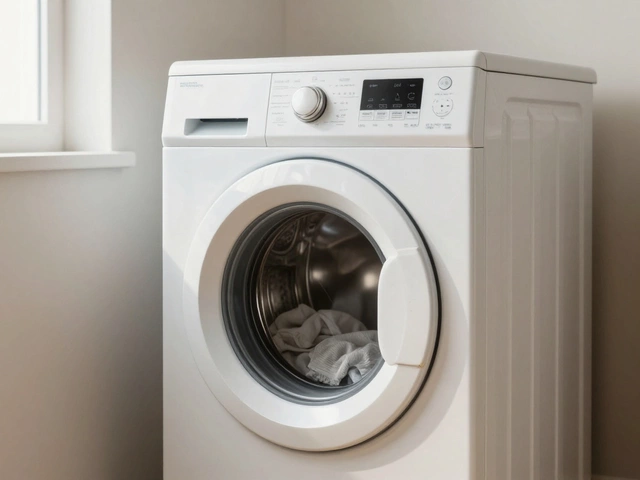
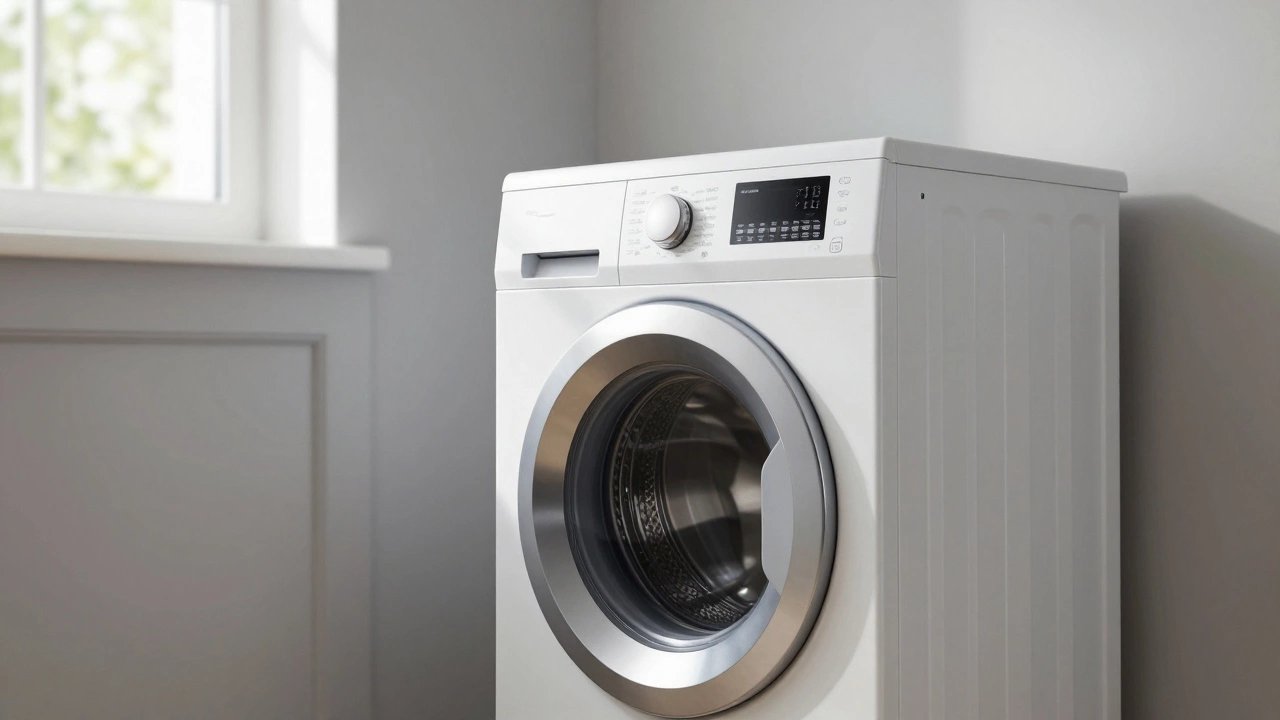
You stand in front of your humming laundry room, wondering if that shuddering drum is just a quirky personality trait or the final gasp of a dying beast. The question on everyone’s mind is simple: what is the longest average lifespan of a washing machine? The short answer is that while most machines last between 10 and 15 years, some high-end models can push past two decades with proper care. But before you rush out to buy a replacement, there’s a lot more nuance to this number than meets the eye.
The Real Numbers Behind Washing Machine Lifespans
When we talk about the lifespan of a washing machine, we aren't just looking at one single number. Different sources track this data differently, leading to a range that can feel confusing. According to the U.S. Census Bureau, the average age of a washing machine in an American home is around 13 years. However, Consumer Reports suggests that top-loading models typically last about 18 years, while front-loaders tend to hit their stride closer to the 14-year mark.
Why the difference? It often comes down to usage patterns and build quality. A heavy-duty machine used by a family of five will wear out faster than one used by a single person who only does laundry once a week. Additionally, the shift toward energy-efficient models has changed how these appliances are built. Older machines from the 1990s were often simpler and easier to repair, which extended their functional life even if they weren't as efficient. Today's machines are packed with electronics, sensors, and complex pumps, which can fail sooner but offer better performance while they last.
If you're looking for the absolute longest average lifespan, you're usually talking about commercial-grade units or premium residential brands known for durability. These machines can sometimes reach 20 to 25 years, but they require significant investment upfront and consistent maintenance throughout their life.
Front-Load vs. Top-Load: Which Lasts Longer?
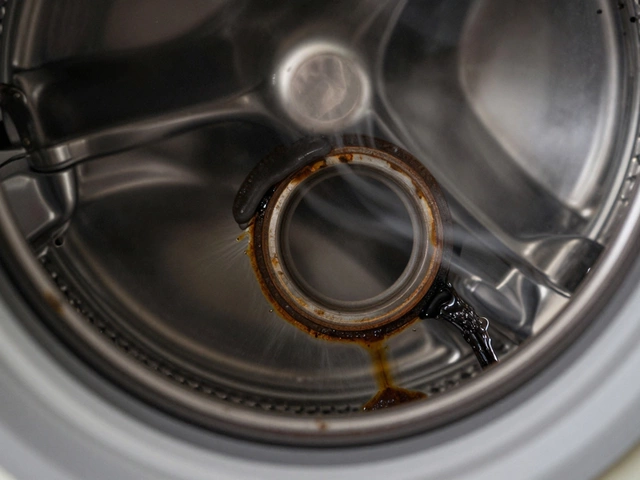
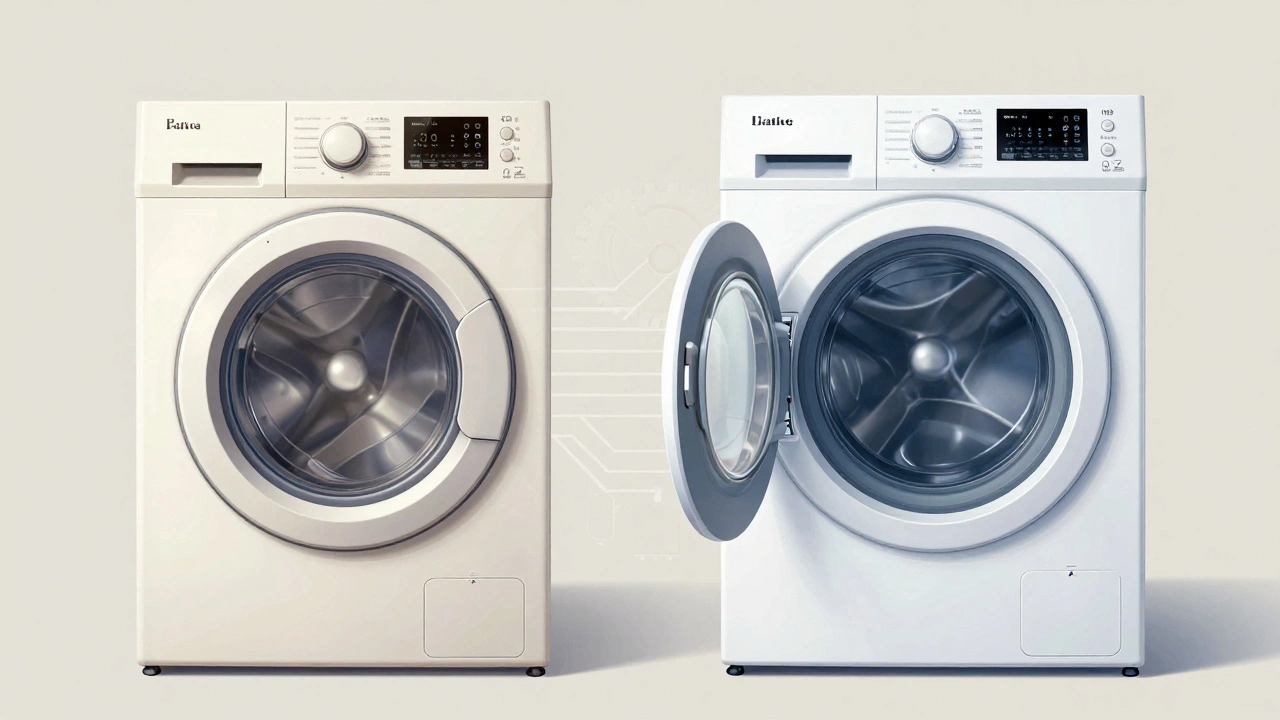
The type of washer you own plays a huge role in how long it survives. This isn't just about preference; it's about mechanics. Front-loading washing machines generally have a slightly shorter average lifespan compared to traditional top-loaders, but they are more efficient. Front-loaders use less water and energy, which is great for your utility bill, but their door seals (gaskets) are prone to mold and mildew if not cleaned regularly. This moisture buildup can lead to internal corrosion over time.
On the other hand, Top-loading washing machines, especially those with an agitator, are mechanically simpler. There are fewer electronic components to fail, and they don't suffer from the same seal issues. However, modern high-efficiency top-loaders without agitators share many parts with front-loaders, including direct drive motors and complex suspension systems, bringing their lifespan closer to that of front-loaders.
| Type | Average Lifespan | Common Failure Points | Maintenance Needs |
|---|---|---|---|
| Traditional Top-Load (Agitator) | 14-18 years | Belt, Agitator Cam | Low |
| High-Efficiency Top-Load | 11-14 years | Drive Motor, Suspension Springs | Medium |
| Front-Load | 12-15 years | Door Seal, Drain Pump, Bearings | High (Regular Cleaning) |
Signs Your Washing Machine Is Near the End
Knowing when to replace your machine saves you from unexpected breakdowns during a rainy weekend. While the average lifespan gives you a guideline, individual machines show warning signs well before they completely quit. Here are the red flags that suggest your washer is done:
- Excessive Noise: If your machine sounds like a jet engine taking off every spin cycle, the bearings or motor mounts are likely worn out. Replacing these is expensive and often not worth it if the machine is over 10 years old.
- Frequent Repairs: If you’ve had to call a technician more than twice in the last year, it’s time to consider a replacement. The cost of repairs will eventually exceed the value of the machine.
- Poor Cleaning Performance: If your clothes come out dirty or smell musty despite using fresh detergent, the machine’s ability to agitate or rinse effectively is compromised.
- Leaking Water: Small leaks might be fixable with a new hose, but persistent leaking from the bottom of the unit often indicates a cracked tub or severe pump failure.
- Error Codes That Persist: Modern washers communicate problems through error codes. If you’re constantly resetting the same code, the control board or sensor is failing.
How to Extend the Life of Your Washing Machine
You don’t have to accept the average lifespan as destiny. With a little effort, you can push your machine well beyond its expected retirement date. Most premature failures are caused by neglect rather than mechanical defects. Here’s how to keep your washer running smoothly for years to come.
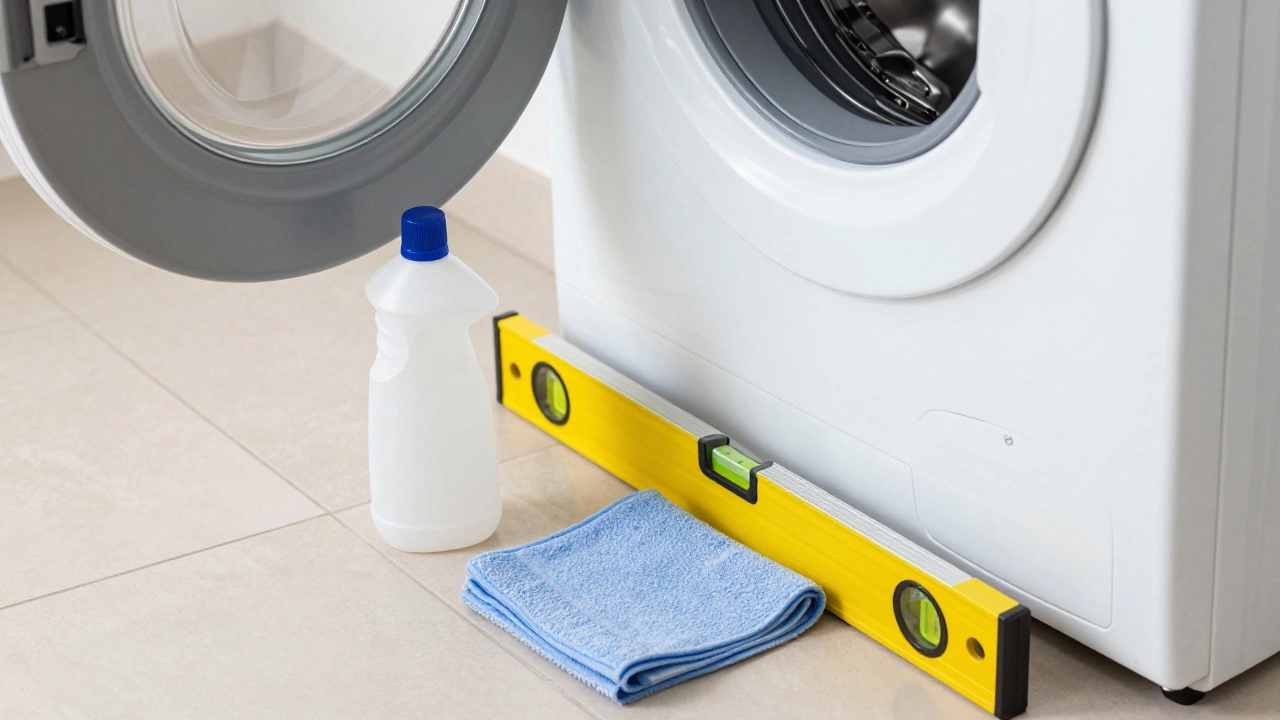
First, clean the machine regularly. For front-loaders, wipe down the door seal after every use to prevent mold and mildew buildup. Run a hot water cycle with vinegar or a specialized cleaner once a month to remove detergent residue and lint from the drums and hoses. For top-loaders, check the filter trap (usually located behind a small panel) and clean out any debris.
Second, avoid overloading. It’s tempting to stuff as many clothes as possible into the drum, but this puts excessive strain on the motor, suspension, and bearings. Follow the manufacturer’s guidelines for load size. Overfilling also prevents clothes from moving freely, which means they won’t get clean anyway.
Third, use the right amount of detergent. High-efficiency detergents are formulated to produce fewer suds. Using too much soap creates excess foam that can clog pumps and damage sensors. Stick to the recommended dosage on the bottle, and reduce it further if you live in an area with soft water.
Finally, level the machine properly. An unbalanced washer vibrates excessively, which wears out the shock absorbers and springs prematurely. Use a carpenter’s level to ensure the machine is perfectly flat, and tighten the shipping bolts if you’ve recently moved it.
Repair vs. Replace: Making the Right Decision
When your washer starts acting up, the biggest question is whether to repair it or buy a new one. This decision depends on several factors, including the age of the machine, the cost of the repair, and the availability of parts.
A good rule of thumb is the "50% Rule." If the cost of the repair is more than half the price of a new machine, it’s usually better to replace it. For example, if a new washer costs $800 and the repair quote is $450, you’re better off buying new. You’ll get a warranty, improved efficiency, and peace of mind.
However, if the machine is relatively young (under 7 years old) and the repair is minor, such as replacing a drain pump or a belt, it’s often worth fixing. These parts are inexpensive and easy to replace. Additionally, if you have a high-end model with a long remaining lifespan, investing in repairs can extend its life significantly.
Consider the environmental impact as well. Manufacturing a new washing machine requires significant resources. Extending the life of your current machine by even a few years reduces waste and carbon footprint. If repair is feasible and affordable, it’s the greener choice.
Choosing a Durable Replacement
If you decide it’s time for a new washer, look for models known for reliability and longevity. Brands like LG, Samsung, and Whirlpool consistently rank high in consumer satisfaction surveys. Look for features like direct drive motors, which eliminate belts and pulleys, reducing potential points of failure.
Also, consider the warranty. A longer warranty period often indicates that the manufacturer has confidence in the durability of their product. Some brands offer extended warranties on specific components like the motor or drum, which can provide additional protection against costly repairs.
Don’t forget to factor in installation costs. Professional installation ensures that the machine is leveled correctly and connected safely, which can prevent early failures due to improper setup.
What is the average lifespan of a front-loading washing machine?
The average lifespan of a front-loading washing machine is typically between 12 and 15 years. These machines are more efficient but require regular maintenance, such as cleaning the door seal, to prevent mold and mildew buildup.
Is it worth repairing a 10-year-old washing machine?
It depends on the cost of the repair. If the repair costs less than 50% of the price of a new machine, it may be worth fixing. However, if the machine has required frequent repairs in recent years, replacing it might be more cost-effective in the long run.
How can I tell if my washing machine is dying?
Signs include excessive noise, frequent error codes, poor cleaning performance, and persistent leaking. If your machine is over 10 years old and exhibiting multiple issues, it’s likely near the end of its lifespan.
Do top-loading washing machines last longer than front-loaders?
Traditionally, yes. Top-loading machines with agitators are mechanically simpler and often last 14-18 years. However, modern high-efficiency top-loaders share similar components with front-loaders, narrowing the gap in lifespan.
What maintenance extends the life of a washing machine?
Regular maintenance includes cleaning the door seal (for front-loaders), avoiding overloading, using the correct amount of detergent, and ensuring the machine is level. Running a monthly hot water cycle with vinegar helps remove buildup.
How much does it cost to replace a washing machine?
Prices vary widely depending on brand, features, and capacity. Basic models start around $500, while high-end models with advanced features can cost $1,500 or more. Installation fees typically add another $100-$200.