Gas Oven Repair vs. Replace Calculator
Recommendation
Repair Option
Cost:
Likelihood of Recurrence:
Remaining Life:
Replace Option
Cost:
Benefits: New warranty, better efficiency, modern safety features
Environmental Impact: Higher carbon footprint from manufacturing/shipping
Financial Analysis
Potential Savings by Repairing:
Safety Considerations
Note: This calculator provides general guidance. Always consult with a licensed technician for professional advice specific to your situation.
That sinking feeling when your gas oven refuses to light up or stays cold is hard to beat. You’ve got dinner plans, a roast in the queue, or just need to bake some bread, and suddenly your kitchen’s most reliable workhorse is on strike. The immediate question that pops into your head isn’t “How do I cook without this?” but rather, “Is this thing even fixable, or am I looking at a costly replacement?”
The short answer is yes. Most gas ovens can be repaired. In fact, repairing one is often far cheaper and more environmentally friendly than buying a new unit. But there’s a catch: gas appliances involve open flames and combustible gases, which means they demand respect and caution. Unlike plugging in a toaster, messing with gas lines requires specific knowledge-or at least knowing exactly when to call a pro.
Why Repairing Makes Sense Over Replacing
Before you start measuring for a new stove, consider the economics. A mid-range gas range can easily set you back $800 to $1,500, not including installation costs if your old model doesn’t fit the new gas line configuration. Repair costs, depending on the issue, usually fall between $100 and $300. If your oven is less than ten years old, it almost always makes financial sense to fix it.
There’s also the environmental angle. Manufacturing, shipping, and installing a new appliance has a significant carbon footprint. Extending the life of your current unit by fixing a faulty ignition system or replacing a worn-out door seal keeps waste out of landfills. Plus, older models sometimes have better build quality-thicker enamel linings and heavier cast-iron racks-that modern budget units lack.
However, age does matter. If your oven is over 15 years old and starts having major issues, especially with the main burner assembly or internal gas valves, it might be time to upgrade. Newer models offer better efficiency, precise temperature control, and improved safety features like automatic shut-off timers.
Safety First: The Golden Rules of Gas Appliance Work
If you’re considering any hands-on approach, safety isn’t just a suggestion; it’s non-negotiable. Gas leaks are invisible, odorless (until mercaptan is added), and potentially deadly. Here are the rules you must follow:
- Turn off the gas supply: Before touching anything inside the oven, locate the gas shut-off valve behind or under the appliance and turn it to the closed position.
- Disconnect power: Even though it’s a gas oven, it likely has electric components like lights, clocks, or digital displays. Unplug it or flip the breaker.
- Ventilate the area: Open windows and doors. If you smell gas at any point during your inspection, stop immediately, evacuate, and call your gas provider from outside.
- No sparks: Don’t use metal tools that could spark near gas lines. Use plastic or wood tools for initial disassembly if possible.
- Know your limits: If the issue involves the gas valve, manifold, or any part of the gas delivery system, call a professional. These parts require specialized calibration tools.
When in doubt, err on the side of caution. A small repair bill is better than a house fire.
Common Gas Oven Problems You Can Diagnose Yourself
Many gas oven issues aren’t actually broken parts-they’re simple blockages or user errors. Before calling a technician, run through these common culprits:
1. The Oven Won’t Light
This is the most frequent complaint. Modern gas ovens use an electronic ignition system, typically a hot surface igniter or a spark electrode. If the igniter glows red but the gas doesn’t light, the igniter might be cracked or weak. If it doesn’t glow at all, it’s likely dead and needs replacement. For spark systems, check if the electrode is dirty or misaligned. Clean it gently with a soft brush or replace it if it looks eroded.
2. Uneven Heating or Cold Spots
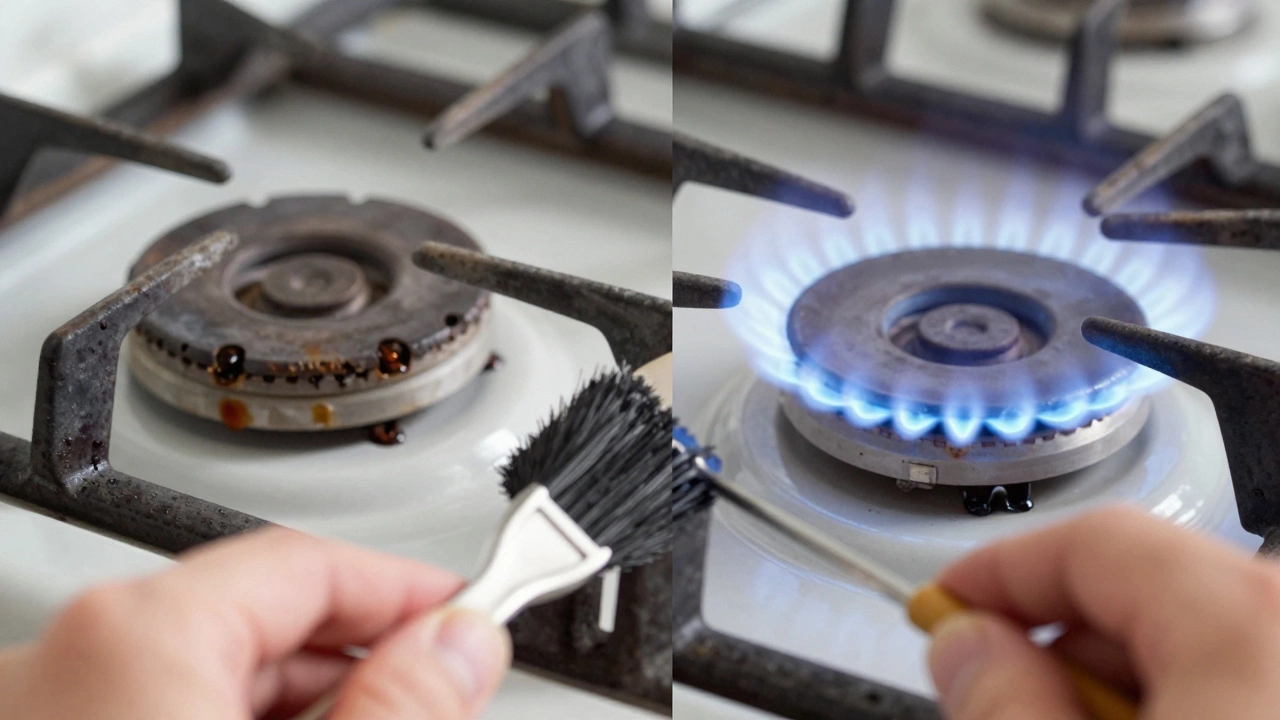
If your food burns on one side and stays raw on another, the problem might be as simple as a dirty burner. Food spills and grease can clog the burner ports, disrupting the flame pattern. Remove the burner cap and base, soak them in warm soapy water, and scrub away debris. Make sure all ports are clear before reassembling.
3. Temperature Inaccuracy
Your oven says 350°F, but your cookies are burning? The thermostat or thermocouple might be off. Many modern ovens allow you to recalibrate the temperature via the control panel settings. Check your manual for instructions. If it’s an older model with a mechanical dial, the thermostat might need adjustment by a pro, or replacement if it’s stuck.
4. Door Seal Leaks
A damaged gasket around the oven door lets heat escape, making your oven work harder and wasting energy. Inspect the seal for cracks, tears, or gaps. If it’s loose, try reseating it. If it’s brittle or torn, order a replacement gasket specific to your model number. Installation is usually straightforward-just snap it into place.
When to Call a Professional Technician
Some problems look simple but hide complex dangers. Call a licensed gas appliance repair technician if you encounter any of these:
- Gas smells persistently: Even after turning off the oven, if you smell gas, there’s a leak in the line or valve. Do not attempt to fix this yourself.
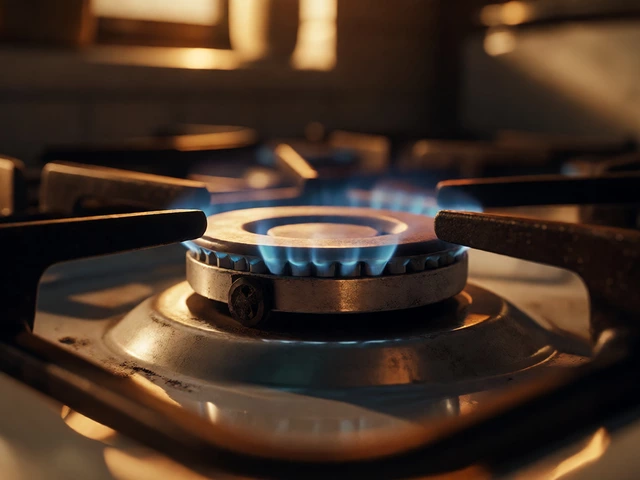
- Yellow or orange flames: A healthy gas flame should be blue. Yellow or orange flames indicate incomplete combustion, which produces carbon monoxide-a silent killer. This could mean improper ventilation, a dirty burner, or a faulty air shutter.
- Ignition failures despite new parts: If you’ve replaced the igniter and it still won’t light, the issue might be with the gas valve or control board, which require diagnostic tools.
- Electrical shorts or tripping breakers: If your oven trips the circuit breaker every time you turn it on, there’s an electrical fault that needs professional diagnosis.
In Wellington, where winter dampness can affect appliance performance, having a local technician who understands regional humidity impacts on ignition systems can be invaluable.
Cost Breakdown: Repair vs. Replace Scenarios
| Issue | Repair Cost Estimate | Likelihood of Recurrence | Recommendation |
|---|---|---|---|
| Hot Surface Igniter Replacement | $150 - $250 | Low | Repair |
| Thermocouple Replacement | $100 - $200 | Low | Repair |
| Door Gasket Replacement | $80 - $150 | Very Low | Repair |
| Gas Valve Assembly | $300 - $500+ | Medium | Evaluate Age |
| Control Board Failure | $250 - $400 | Medium | Evaluate Age |
| New Mid-Range Gas Range | $800 - $1,500 | N/A | Replace Only If >10 Years Old |
Note: Labor rates vary by location. In urban centers like Wellington, expect higher hourly rates due to cost of living adjustments. Always get a written estimate before authorizing work.
Maintenance Tips to Extend Your Oven’s Life
Prevention is cheaper than cure. Regular maintenance can keep your gas oven running smoothly for years:
- Clean burners monthly: Wipe down burner caps and bases to prevent grease buildup. Use a soft brush to clear ports.
- Check door seals annually: Look for cracks or gaps. A tight seal ensures efficient heating.
- Calibrate temperature yearly: Use an oven thermometer to verify accuracy. Adjust settings if needed.
- Inspect gas lines visually: Look for signs of corrosion or damage on external connections. Never tighten fittings yourself-call a pro.
- Keep vents clear: Ensure nothing blocks the oven’s ventilation openings. Proper airflow prevents overheating and improves combustion.
Setting a reminder on your phone for quarterly checks can save you hundreds in emergency repairs.
Finding Reliable Help in Your Area
If you decide to hire someone, don’t just pick the first name online. Look for technicians certified by recognized bodies like Gas Safe Register (if applicable in your region) or equivalent local licensing authorities. Ask for references, check reviews, and ensure they carry liability insurance. A reputable technician will explain the problem clearly, provide a detailed quote, and never pressure you into unnecessary repairs.
In New Zealand, always verify that your repair person holds a valid license from Energy Work NZ. This ensures they’re trained to handle gas installations and repairs safely.
Is it safe to clean my own gas oven burner?
Yes, cleaning the burner cap and base is generally safe if you follow precautions. Turn off the gas supply first, let the oven cool completely, then remove the parts. Soak them in warm soapy water and scrub gently. Avoid harsh chemicals that could damage the metal. Reassemble carefully, ensuring all ports are clear. If you notice cracks or severe corrosion, replace the burner instead of cleaning it.
How do I know if my gas oven has a leak?
The strongest indicator is smell-natural gas has a distinct rotten egg odor due to added mercaptan. Other signs include hissing sounds near the oven, yellow or flickering flames, or plants dying near the appliance. If you suspect a leak, evacuate immediately, avoid using electrical switches (which can spark), and call your gas provider from outside. Never use a flame to test for leaks.
Can I replace the igniter myself?
Replacing a hot surface igniter is often a DIY-friendly task if you’re comfortable with basic tools. You’ll need to access the bottom of the oven, disconnect the wiring harness, and swap the old igniter for a new one matching your model. However, if you’re unsure about handling electrical connections or removing panels, hire a professional. Incorrect installation can lead to ignition failure or safety hazards.
Why does my gas oven take forever to preheat?
Slow preheating can stem from several issues: a failing igniter that takes too long to glow, a partially blocked burner restricting gas flow, or a malfunctioning thermostat not signaling the gas valve correctly. Start by checking if the burner lights promptly. If it hesitates, clean or replace the igniter. If the flame is weak, inspect for blockages. Persistent delays may require professional diagnosis of the control system.
What’s the average lifespan of a gas oven?
With proper maintenance, a gas oven typically lasts 10 to 15 years. High-end models with stainless steel interiors and robust components can exceed 15 years. Factors affecting longevity include usage frequency, cleaning habits, and environmental conditions like humidity. Regular servicing every 2-3 years can extend its life significantly by catching minor issues before they become major failures.