Washing Machine Repair vs. Replace Calculator
Result
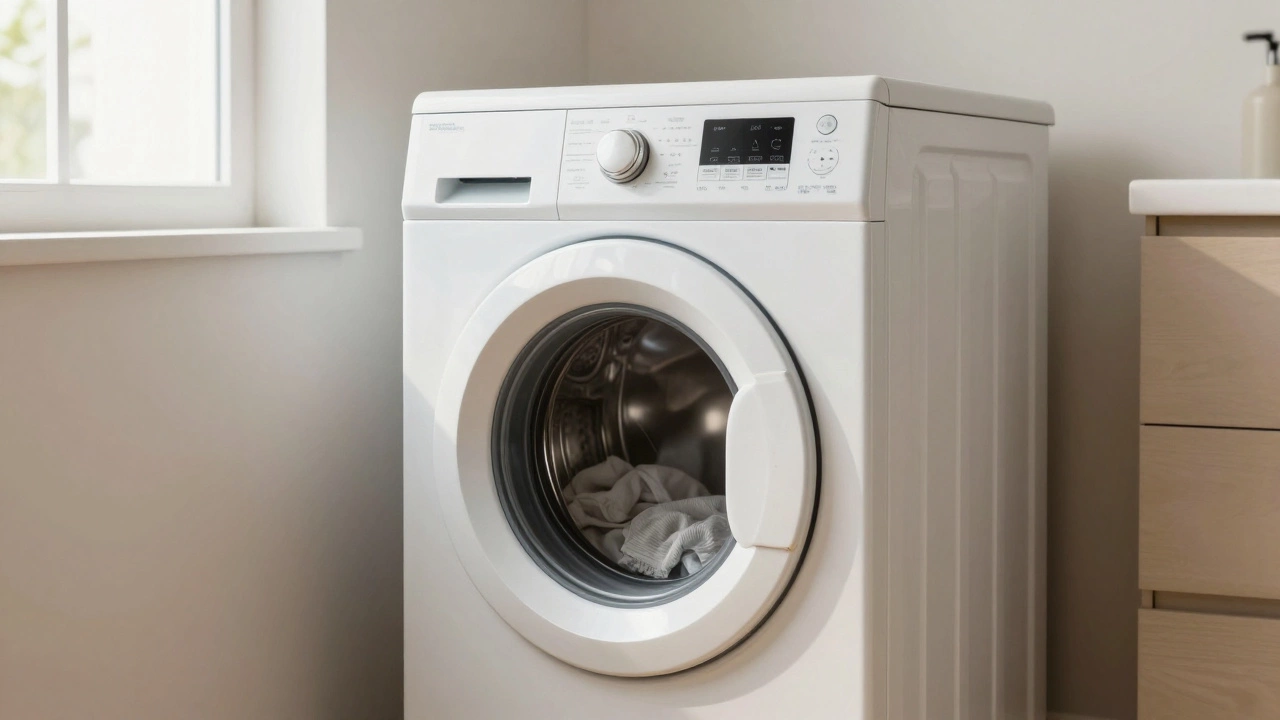
There is no single expiration date stamped on the back of your laundry appliance. You might see a machine chugging along for fifteen years while another neighbor’s unit gives up the ghost after six. So, what is actually considered old for a washing machine is a household appliance designed to clean clothes using water, detergent, and mechanical agitation or tumbling.? The short answer is that anything over ten years is entering its senior phase, but the real answer depends on how hard you push it, what kind of technology sits inside the drum, and whether parts are still available.
If you are staring at a leaking tub or hearing a noise that sounds like a blender full of gravel, you need to know if you are fighting a losing battle. Understanding the expected lifespan helps you decide whether to call a technician or walk into an appliance store with your wallet ready.
The Average Lifespan: What the Data Says
Most manufacturers and consumer reports suggest that the average lifespan of a top-loading washing machine is about eleven years. For front-loading models, which tend to be more complex with their seals and sensors, the average drops slightly to around nine to ten years. These numbers come from large-scale surveys of households and warranty claims data.
However, averages can be misleading. A simple, direct-drive top loader with fewer electronic boards can easily last fifteen to twenty years if treated gently. On the flip side, a budget-friendly front loader used daily by a large family might struggle to hit the seven-year mark. The key factor here isn't just time; it's usage cycles. A machine that runs four loads a day will wear out much faster than one that handles two loads a week.
| Type | Average Lifespan | Common Failure Points |
|---|---|---|
| Top-Load (Agitator) | 11-13 years | Drive belt, lid switch, motor |
| Top-Load (Impeller/Direct Drive) | 10-14 years | Control board, drain pump |
| Front-Load | 9-11 years | Dock seal, bearings, suspension springs |
Signs Your Machine Is Past Its Prime
You don’t need a calendar to tell you when your washer is old. It will usually start complaining before it completely dies. Here are the specific red flags that indicate your appliance has reached the end of its useful life.
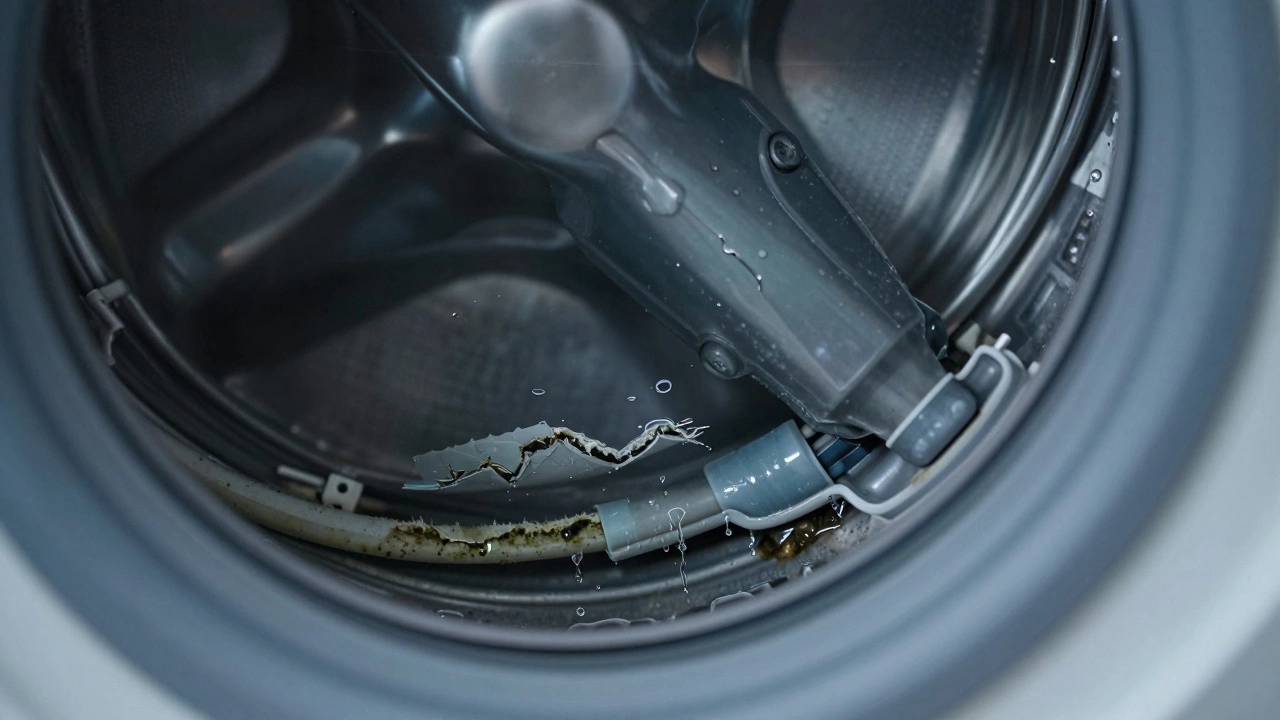
- Persistent Leaks: A small drip under the door might be a clogged filter. But if water pools around the base every cycle, the internal tub or hoses are likely cracked. In older machines, these plastic components become brittle and prone to splitting.
- Loud Noises: Grinding, screeching, or loud banging during the spin cycle often points to worn-out bearings or broken suspension rods. Replacing bearings requires draining the entire machine and removing the outer tub, a job that often costs more than the machine is worth if it’s over ten years old.
- Failure to Drain or Spin: If the clothes come out soaking wet, the drain pump or lid switch might have failed. While these are cheap parts, frequent electrical failures suggest the main control board is degrading.
- Mold and Odors: Front-loaders are notorious for mold buildup in the rubber gasket. If cleaning doesn’t remove the smell, the mold has likely penetrated the inner workings. This isn’t just unpleasant; it can ruin delicate fabrics.
- Excessive Vibrations: If your machine walks across the floor during high-speed spins, the shock absorbers or leveling feet have failed. This causes structural stress on the cabinet and motor mounts.
The Repair vs. Replace Decision Matrix
This is where most people get stuck. You have a $150 repair quote for a machine that is twelve years old. Does it make sense? There is a simple rule of thumb used by many technicians: the 50% rule. If the cost of the repair is more than half the price of a new, comparable machine, you should probably buy a new one.
Let’s break this down with real-world scenarios. Imagine you own a basic top-loader that originally cost $600. It is now ten years old. The motor fails, and the repair quote is $300 including labor. Since $300 is 50% of the original value, and the machine is already at the end of its statistical lifespan, replacing it is the smarter financial move. Newer models are also significantly more efficient, saving you money on water and electricity bills.
Conversely, if you have a high-end front-loader that cost $1,200 five years ago, and the issue is a faulty door lock costing $80 to fix, repairing it makes perfect sense. You have plenty of life left in the major components, and the part is inexpensive.
Another critical factor is parts availability. Manufacturers often stop producing replacement parts for models that are eight to ten years old. If your local appliance repair shop cannot source a specific sensor or control panel, your "repairable" machine becomes a paperweight. Always check with a technician to see if the specific model number is still supported by the manufacturer.
How Maintenance Extends Life
Not all old machines are bad machines. Some units last decades because they were well-maintained. Simple habits can add three to five years to your washer’s life.
Clean the lint filter regularly. For front-loaders, wipe down the rubber gasket after every use to prevent moisture buildup. Leave the door ajar between cycles to let the interior dry out. Use high-efficiency (HE) detergent exclusively if you have an HE machine; using regular detergent creates excess suds that strain the pump and sensors. Finally, avoid overloading the drum. Packing clothes tightly prevents proper agitation and puts unnecessary stress on the motor and bearings.
In Wellington, where humidity can be high, leaving the door open is especially important to prevent mold growth. Also, ensure the machine is level. An unlevel washer vibrates excessively, which loosens bolts and damages internal components over time.
Technological Shifts: Why Newer Models Are Different
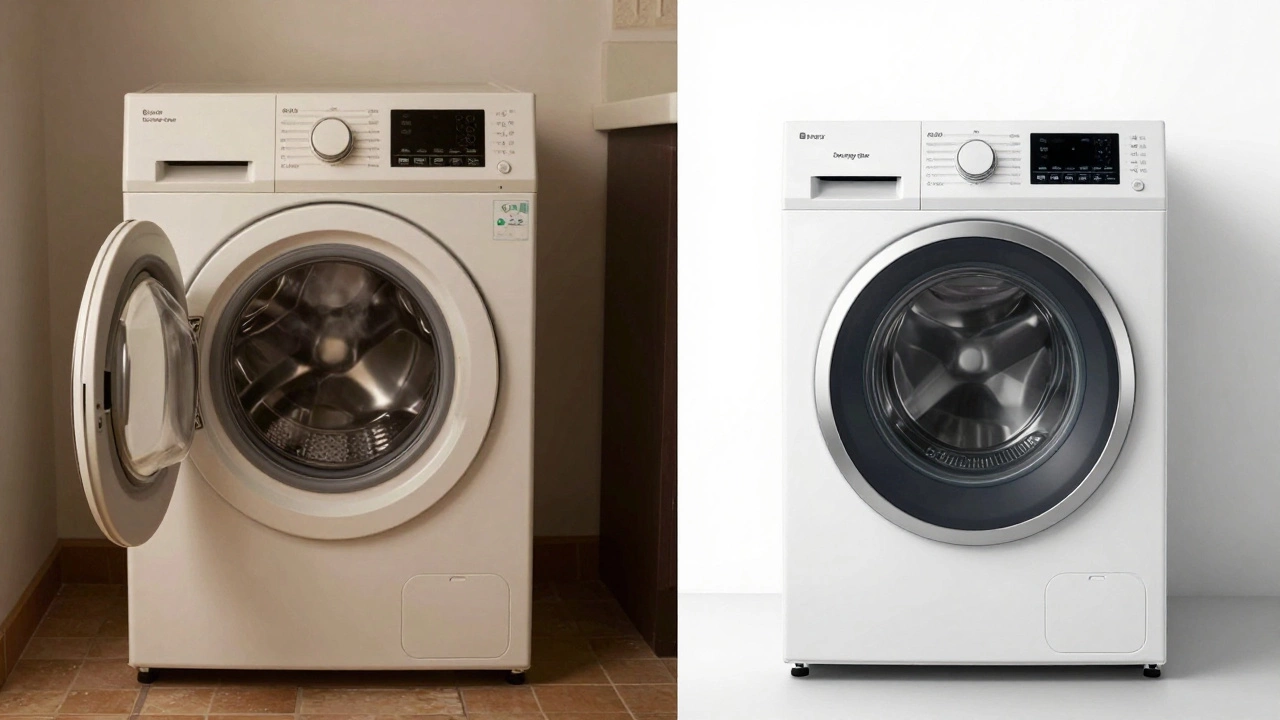
One reason older machines sometimes seem more durable is that they were simpler. Machines from the 1990s had mechanical timers and fewer electronic components. Today’s washers are essentially computers with drums. They feature smart sensors that adjust water levels and spin speeds based on load size and fabric type.
This technology offers benefits like lower utility bills and gentler care for clothes. However, it introduces new points of failure. Electronic control boards are sensitive to power surges and moisture. When these boards fail, they are often expensive to replace. Additionally, modern washers use less water and shorter cycles, which means they rely heavily on precise chemical reactions. Using the wrong detergent can cause errors that mimic mechanical failures.
Energy Star ratings have improved dramatically. A new Energy Star certified washer uses approximately 30% less water and 25% less energy than models from ten years ago. Over five years, these savings can amount to hundreds of dollars, further tipping the scale toward replacement rather than repair for older, inefficient units.
When to Definitely Keep It
Despite the advice to replace, there are cases where keeping an older machine is the right choice. If you have a premium brand known for longevity, such as certain European models or high-tier American brands, and the core mechanical components (motor, transmission, tub) are intact, it may be worth investing in repairs.
Also, consider the environmental impact. Manufacturing a new washing machine requires significant resources and energy. If your current machine works adequately and only needs minor fixes, extending its life is a sustainable choice. Just ensure it isn’t wasting excessive amounts of water or electricity compared to modern standards.
Ultimately, "old" is not just about age. It’s about reliability, efficiency, and cost. If your machine is causing stress, costing more to run than to replace, or breaking down frequently, it’s time to let it go. If it’s quiet, efficient, and reliable, give it another few years with proper care.
Is a 15-year-old washing machine too old?
A 15-year-old washing machine is definitely considered old. While some robust models can last this long, most appliances have an average lifespan of 10-11 years. At 15 years, you are likely facing increased repair costs, higher water and energy consumption, and potential safety risks from worn electrical components. Unless it is a very simple, low-use machine, replacement is usually the better option.
Should I repair or replace my 10-year-old washing machine?
Use the 50% rule: if the repair cost is more than half the price of a new machine, replace it. At 10 years, your machine is at the average lifespan limit. If the repair is minor (like a hose or pump), fixing it is reasonable. If it involves the motor, control board, or tub, buying a new, more efficient model is typically more cost-effective in the long run.
Do front-load washers last longer than top-load washers?
Generally, no. Top-load washers, especially those with agitators, tend to last slightly longer (11-13 years) due to simpler mechanics. Front-load washers (9-11 years) have more complex seals and sensors that are prone to failure. However, front-loaders are more gentle on clothes and use less water, which can offset their shorter lifespan with operational savings.
How can I tell if my washing machine is failing?
Look for persistent leaks, loud grinding or banging noises during spin cycles, failure to drain or spin, excessive vibrations, and musty odors that won’t go away. Frequent error codes or inconsistent performance are also strong indicators that internal components are wearing out.
Are replacement parts available for old washing machines?
Availability varies by brand and model. Most manufacturers support parts for 8-10 years. After that, finding specific electronic boards or sensors can be difficult. Mechanical parts like belts and pumps are often generic and easier to find. Always check with a local repair technician to confirm parts availability before committing to a repair on an older unit.