Electric Oven Repair vs. Replace Calculator
Our Recommendation:
Enter your oven details to see if it's worth fixing.
The big question: Fix or scrap?
You're halfway through prepping a Sunday roast when you realize the oven isn't heating up, or worse, it's scorching everything on the top rack while leaving the bottom raw. It's a frustrating moment that usually leads to one question: is this thing actually fixable, or should I just start browsing for a new one? The short answer is yes, the vast majority of electric ovens can be fixed. Unlike some modern electronics that are glued shut, ovens are mostly modular. When a part dies, you swap it out. However, whether you electric oven repair yourself or call a pro depends on what's actually broken and how old the unit is.
Before you panic, remember that ovens are essentially big metal boxes with heating coils and a few switches. Most failures aren't catastrophic; they're just worn-out components. If your oven is five years old and the heating element snapped, replacing it is a no-brainer. If it's twenty years old and the main control board fried, you might be looking at a replacement. The goal here is to figure out where your situation falls on that spectrum.
| Problem | Typical Cause | Fix Difficulty | Verdict |
|---|---|---|---|
| Not heating at all | Bake Element | Easy | Fix it |
| Uneven cooking | Temperature Sensor | Medium | Fix it |
| Control panel dead | Main Control Board | Hard | Case-by-case |
| Door won't close | Hinge/Gasket | Easy | Fix it |
Identifying the culprit: Common failure points
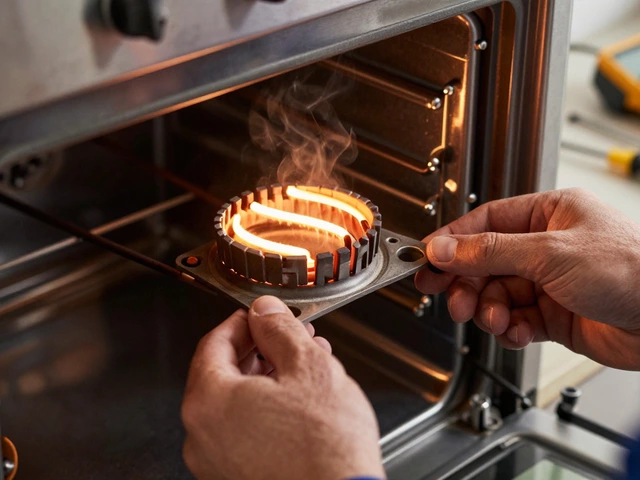
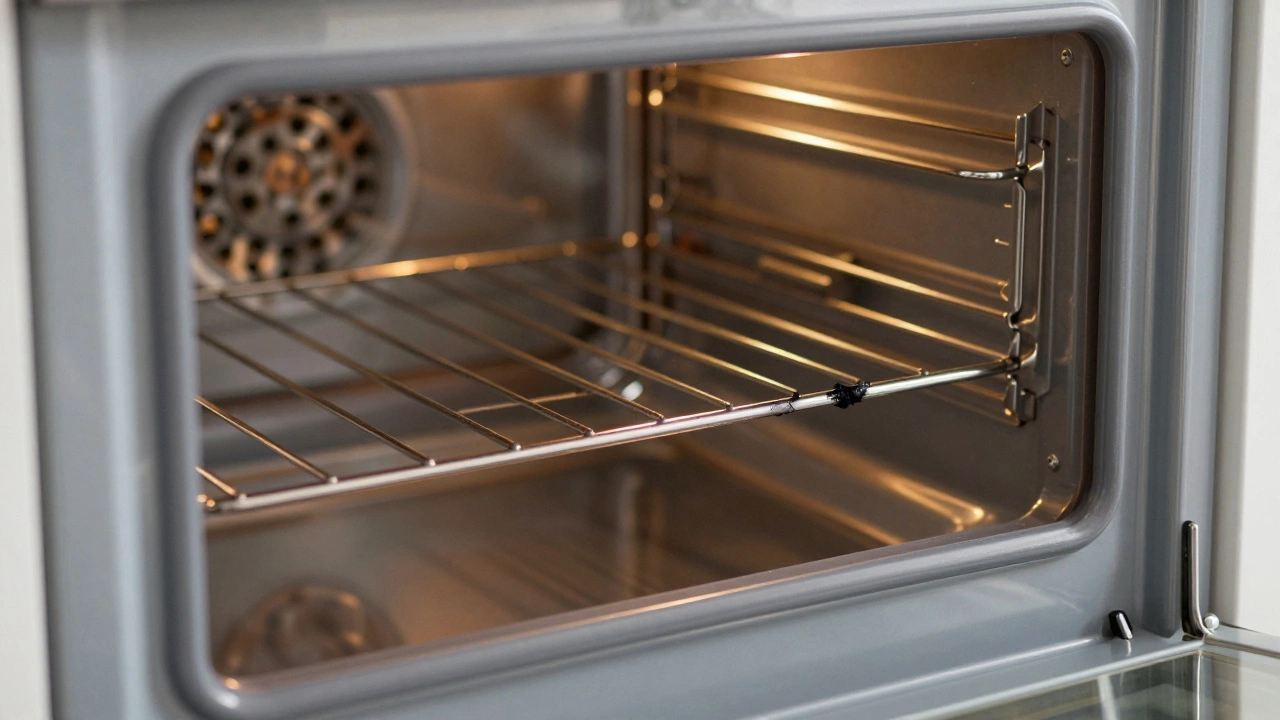
To know if an oven can be fixed, you first have to know what's broken. Most electric ovens rely on a few key components to work. First, there is the Bake Element, which is the metal coil at the bottom of the oven that provides the primary heat source. These things are designed to heat and cool rapidly, which eventually causes the metal to fatigue and crack. If you see a visible break or a blister on the coil, it's dead. Replacing an element usually takes about 30 minutes and a screwdriver.
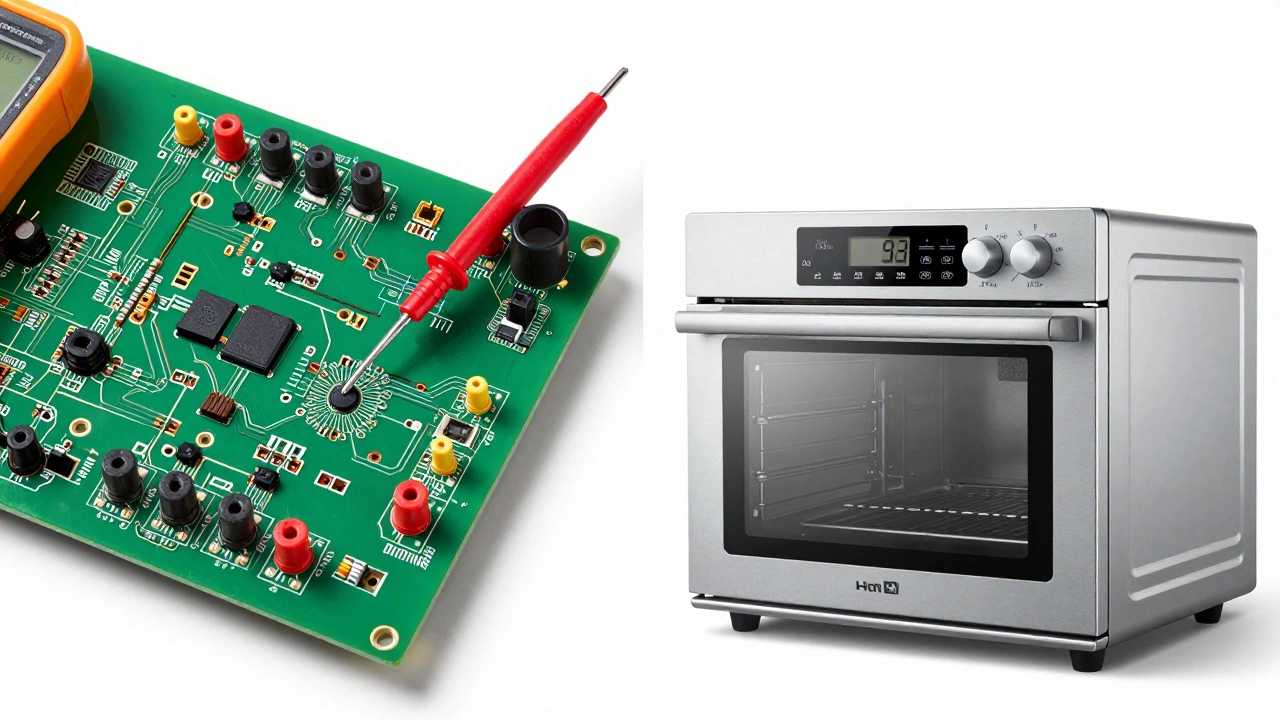
Then you have the Oven Thermostat, or more accurately in modern ovens, the temperature sensor. This is a small probe that monitors the air temperature and tells the control board when to stop heating. When this fails, your oven might run 50 degrees too hot or simply refuse to reach the set temperature. Since it's just a sensor, it's a cheap part, though diagnosing it usually requires a multimeter to check for continuity.
Lastly, there's the Control Board. Think of this as the brain of the oven. It manages the timers, the temperature settings, and the power distribution. If your display is flickering, buttons aren't responding, or the oven is behaving erratically, the board is likely the issue. This is the most expensive part to replace and the one most likely to push a homeowner toward buying a new appliance.
When is it actually time to replace the oven?
While almost everything can be fixed, not everything should be. There is a general rule of thumb in the repair world: if the repair cost exceeds 50% of the price of a new, comparable unit, it's time to move on. But it's not just about the money; it's about the remaining lifespan of the machine. If you have a 15-year-old oven and the control board dies, you're gambling. Even if you fix the board today, the heating elements or the door seals could go tomorrow.
Another red flag is the availability of parts. If you own a vintage model and the manufacturer no longer produces the specific circuit board you need, you're stuck. While some specialty shops carry old stock, you're often paying a premium for a part that is already used. If you find yourself searching through obscure forums just to find a part number, the oven has probably reached its natural end.
Also, consider the energy efficiency. Electric ovens from a decade ago use significantly more power than modern convection models. If you're replacing a major component, it's a great time to look at whether a newer model with better insulation and a more efficient Convection System-which uses a fan to circulate hot air-would save you money on your monthly power bill.
DIY vs Professional Repair: Drawing the line
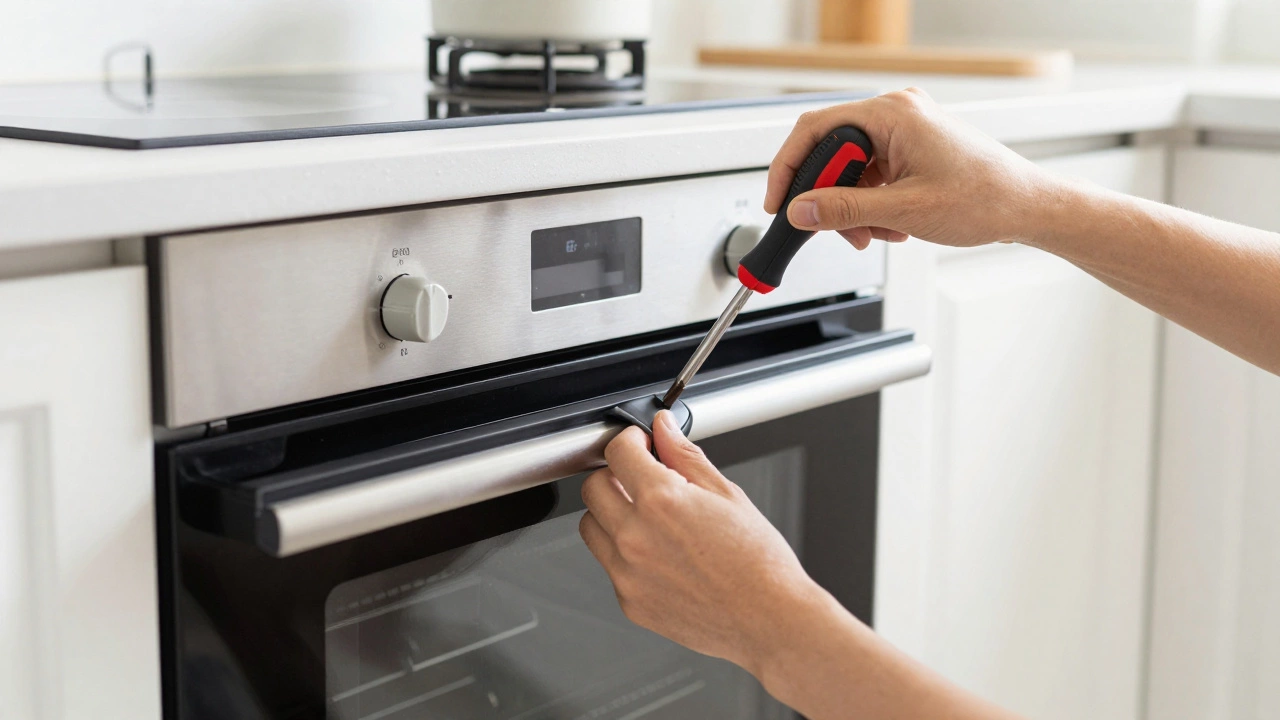
If you're handy with a screwdriver and a pair of pliers, some fixes are easy. Replacing a bake element or a door gasket is a great weekend project. You just turn off the power at the breaker, unscrew the old part, and plug in the new one. It's straightforward and doesn't require specialized training. Just be careful not to scratch the enamel lining of the oven, as that can lead to rust over time.
However, the moment you deal with the Electrical Wiring or the main power supply, you should stop. Electric ovens pull a massive amount of current-usually requiring a 240-volt circuit. A loose wire or a poorly seated connection can lead to electrical fires or severe shocks. If you see charred wires or smell burning plastic coming from the back of the unit, that's a job for a certified technician.
A professional will have the tools to do a proper diagnostic. While you might spend two hours guessing which part is broken, a pro with a multimeter can pinpoint the failure in ten minutes. They can also check for "ghost" problems, like a failing breaker in your electrical panel that's causing the oven to shut off prematurely, which a DIYer might mistake for a broken oven.
Step-by-step troubleshooting for common issues
If your oven is acting up, don't call the repairman immediately. Try these steps first to see if the problem is a simple fix or a major failure:
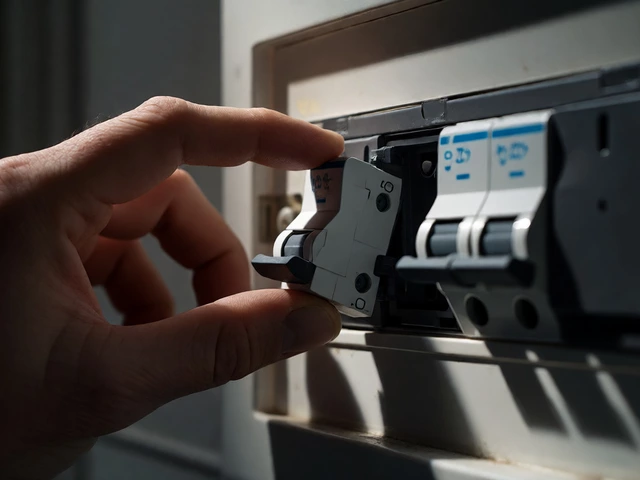
- Check the power. It sounds silly, but check your breaker panel. Sometimes a power surge trips the breaker. If only the stovetop works but the oven doesn't, you might have a partial trip or a blown fuse within the appliance.
- Inspect the heating elements. Turn on the oven and look at the bottom coil. Is it glowing red? If it's dark or has a visible break, you've found your problem. Do the same for the broiler element at the top.
- Test the temperature. If you suspect the oven isn't hitting the right temperature, buy a cheap oven thermometer. Place it in the center of the rack. If the display says 350°F but the thermometer says 300°F, your temperature sensor is likely drifting and needs replacement.
- Listen for the fan. If you have a convection oven, listen for the fan. If the oven is heating but the fan isn't spinning, your food won't cook evenly. This is often a failed motor or a stuck impeller.
Maintaining your oven to avoid future breakdowns
Once you've fixed your oven, the best way to keep it running is basic maintenance. The biggest enemy of an electric oven is grease buildup. When grease drips onto a heating element, it creates a concentrated hot spot that can warp the metal and lead to a premature burnout. Cleaning the bottom of your oven regularly doesn't just keep it sanitary; it extends the life of the hardware.
Be careful with the "self-clean" feature. Many technicians hate this mode because it cranks the oven to extreme temperatures (often over 800°F) to burn off residue. This heat stress can occasionally blow a thermal fuse or fry a control board. If you notice your oven acting up right after a self-clean cycle, you'll know exactly where the problem started.
Finally, keep an eye on the door seal. If the rubber or fiberglass gasket is cracked or peeling, heat escapes. This forces the oven to run longer and harder to maintain temperature, which puts extra strain on the elements and the thermostat. A replacement gasket is one of the cheapest and easiest upgrades you can make to improve efficiency.
How do I know if my oven heating element is burnt out?
The most obvious sign is a visible break, blister, or blackened spot on the coil. If the coil doesn't glow red when the oven is on, or if it takes significantly longer than usual to preheat, the element is likely failed. You can confirm this by using a multimeter to check for continuity; if the circuit is open, the element needs replacing.
Is it worth fixing a 10-year-old electric oven?
Generally, yes, if the fix is a simple component like an element or sensor. These parts are relatively cheap and don't affect the overall integrity of the oven. However, if the main control board or the chassis itself is damaged, the cost of labor and parts might be too high compared to the value of the old unit. Consider the cost of the repair versus the price of a new energy-efficient model.
Why is my oven heating unevenly?
Uneven heating is usually caused by a failing temperature sensor or a broken convection fan. If the sensor is inaccurate, the oven may shut off heat too early in some areas. If the fan isn't circulating air, you'll get hot and cold spots. It could also be as simple as the oven not being properly leveled, which affects how heat rises within the cavity.
Can I replace an oven part myself?
Yes, simple components like bake elements, broiler elements, and door seals can typically be replaced by a homeowner with basic tools. However, you must disconnect the power at the circuit breaker first. Any repair involving the internal wiring, gas lines (in dual-fuel models), or the main power terminal should be left to a professional to avoid electrical hazards.
Does the self-cleaning feature damage the oven?
While designed for the appliance, the extreme heat of a self-clean cycle can put immense stress on the control board and thermal fuses. In some cases, this can lead to component failure. To mitigate this, ensure the oven is well-ventilated and avoid using the feature if the oven is already showing signs of electrical instability.
Next steps and troubleshooting
If you've gone through the checks and still aren't sure what's wrong, your next step is to find your oven's model number-usually found on a sticker inside the door frame. This allows you to look up the specific service manual or a parts diagram. Knowing exactly which version of the Appliance Repair parts you need prevents the frustration of ordering a component that looks right but doesn't fit.
For those in an apartment or rental, remember to check your lease before attempting any repairs. Many landlords prefer to send their own licensed technicians to ensure the work meets building codes. If you're a homeowner and the problem is an electrical short, avoid the temptation to "bridge" a fuse or bypass a safety switch; call an electrician immediately to prevent a house fire.