
Ventilation Solution Finder
Answer three quick questions to find the most effective way to improve your air quality without installing a traditional ducted system.
Kitchen
Cooking odors, grease, steamBathroom
High humidity, foggy mirrors, mold riskGeneral / Whole House
Stale air, stuffiness, CO2 buildupImplementation Tips:
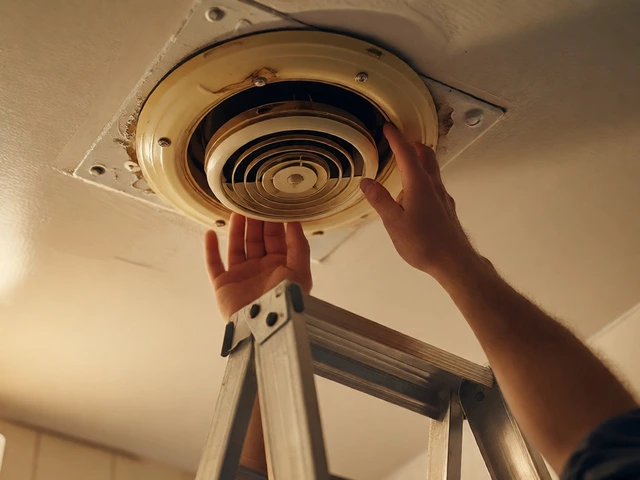
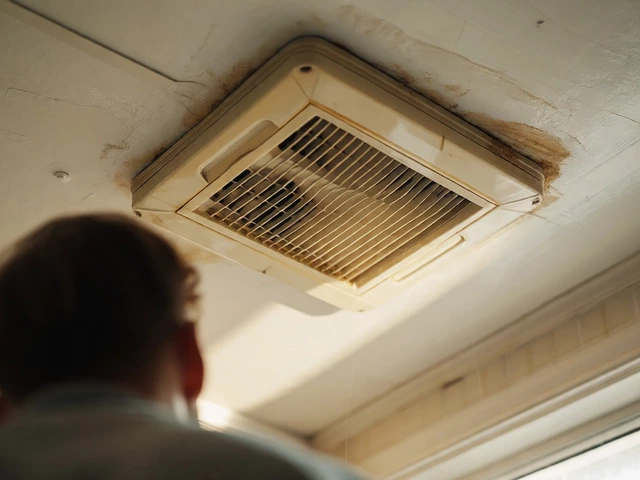
That constant humming noise from your kitchen or bathroom vent is gone. Silence falls over the room, but so does the moisture. You wipe down a foggy mirror or smell that lingering odor of last night’s garlic dinner, and you realize the problem isn’t just noise-it’s air quality. Maybe the unit broke, maybe it’s too loud, or perhaps you’re in a rental where drilling holes in the wall is strictly forbidden. Whatever the reason, you need to move stale, humid, or smelly air out of your space without installing a traditional extractor fan is a mechanical device designed to remove contaminated air from a specific area.
The good news? You don’t have to live in a sauna or a fish market. There are several effective ways to manage airflow, reduce humidity, and eliminate odors. Some methods are cheap and immediate; others require a bit more setup but offer long-term comfort. Let’s look at what actually works when the electric fan isn’t an option.
Natural Ventilation: The Zero-Cost Solution
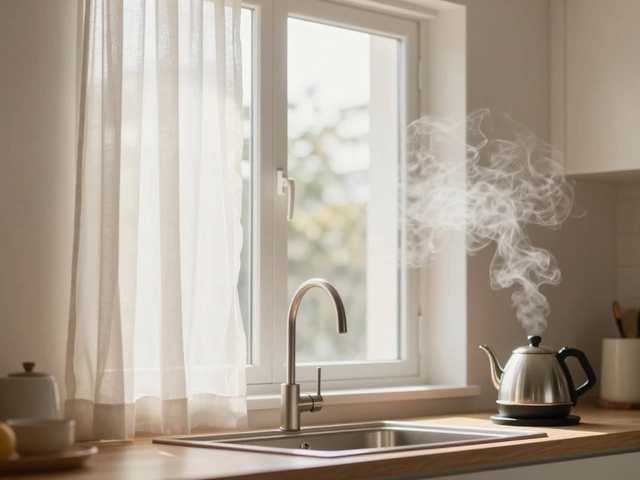
Before buying anything, check your windows. Natural ventilation is the oldest and most energy-efficient way to clear a room. It relies on wind pressure and thermal buoyancy-the principle that hot air rises. If you open a window near the floor and another near the ceiling (or use a high transom window), you create a cross-breeze that pulls fresh air in and pushes stale air out.
In a kitchen, this means opening the window above the sink while cooking. In a bathroom, cracking the door slightly and opening a window creates a path for moist air to escape. For this to work effectively, you need two openings. Air doesn’t like to go into a dead end; it needs an exit route. If your home has only one window per room, try opening doors to adjacent rooms to create a pathway through the house. This method costs nothing and requires no maintenance, but it depends entirely on weather conditions and outdoor air quality. On a still, humid day, it won’t do much. In winter, it might make the room cold. But as a primary strategy or a supplement to other methods, it’s powerful.
Window Fans: Portable Power
If opening a window isn’t enough, add a push. Window fans are affordable, plug-in devices that fit into standard sash or casement windows. They come in single and dual models. A single fan blows air either in or out. A dual fan has one side blowing in and the other blowing out, creating forced convection. This is significantly more effective than passive window opening because it moves a higher volume of air quickly.
To use a window fan for extraction, place it in the window closest to the source of moisture or odor-above the stove or in the bathroom-and set it to blow outward. To maximize efficiency, keep a window on the opposite side of the house slightly open to allow fresh air to enter. This prevents negative pressure buildup, which can make the fan struggle and reduce its effectiveness. Look for models with reversible blades so you can switch between cooling (blowing in) and ventilating (blowing out). These units typically cost between $30 and $100 and are easy to install and remove, making them perfect for renters or temporary fixes.
Portable Exhaust Fans for Doors
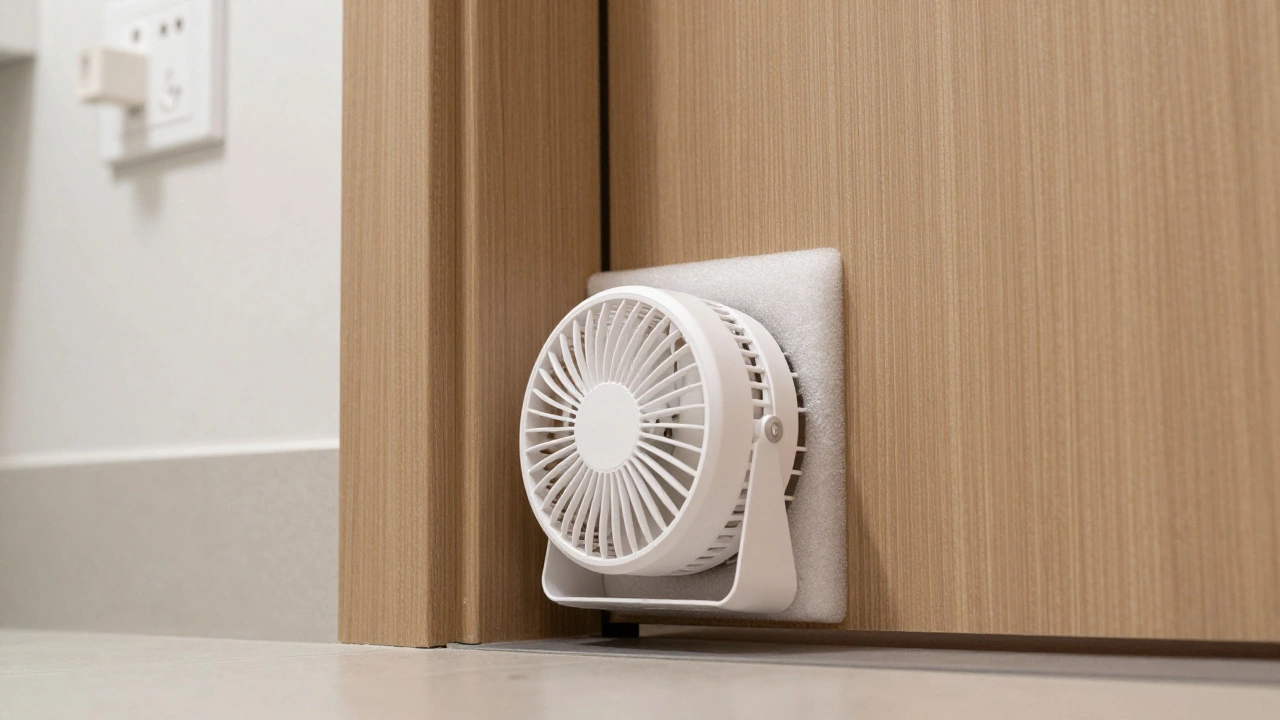
What if you don’t have a suitable window? Or what if your window faces a noisy street or a polluted area? Consider a portable exhaust fan designed for doors. These units slide under a standard interior or exterior door, sealing the gap around the edges with foam gaskets. They plug into a nearby outlet and pull air from the room, exhausting it outside or into a hallway.
This is particularly useful in bathrooms without windows. Place the fan under the bathroom door, set it to exhaust, and ensure the main door to the rest of the house is slightly ajar to provide intake air. Some models are battery-operated, giving you flexibility in placement. While not as powerful as built-in ducted systems, they are surprisingly effective for small spaces. The key is sealing. If air leaks back in around the fan, you’re just circulating the same stale air. Check the gaskets regularly and replace them if they become compressed or cracked.
Range Hood Substitutes for Kitchens
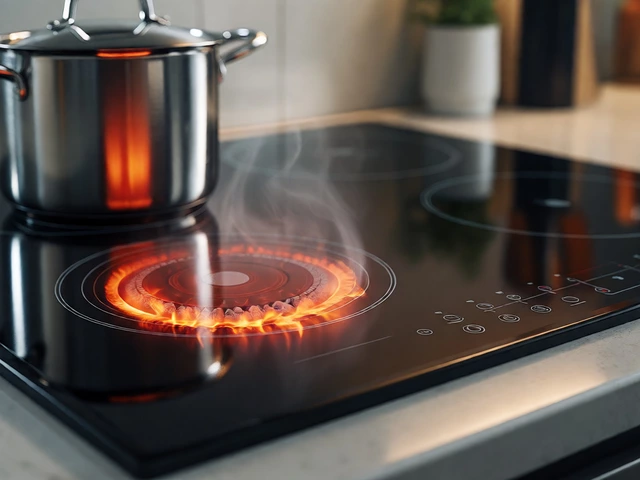
Kitchen ventilation has unique challenges: grease, smoke, and strong odors. A standard extractor fan handles these by capturing particles before they spread. If you lack a range hood, you need to contain the mess at the source. One highly effective alternative is a portable countertop range hood. These devices sit directly on the counter next to your stove. They feature a motorized fan and a charcoal filter that captures smoke and odors before they rise into the room.
While they don’t vent air outside like a traditional ducted hood, modern activated carbon filters are quite good at neutralizing smells. You’ll need to replace the filters every few months depending on usage. Another low-tech trick is using a large pot lid or a glass cover to physically trap steam and splatter while cooking. Covering pots reduces the amount of moisture released into the air by up to 50%. Combine this with a window fan, and you’ve got a solid defense against kitchen haze. For heavy frying, consider moving the activity to an outdoor grill if possible, or cook smaller batches to minimize smoke generation.
Bathroom-Specific Solutions
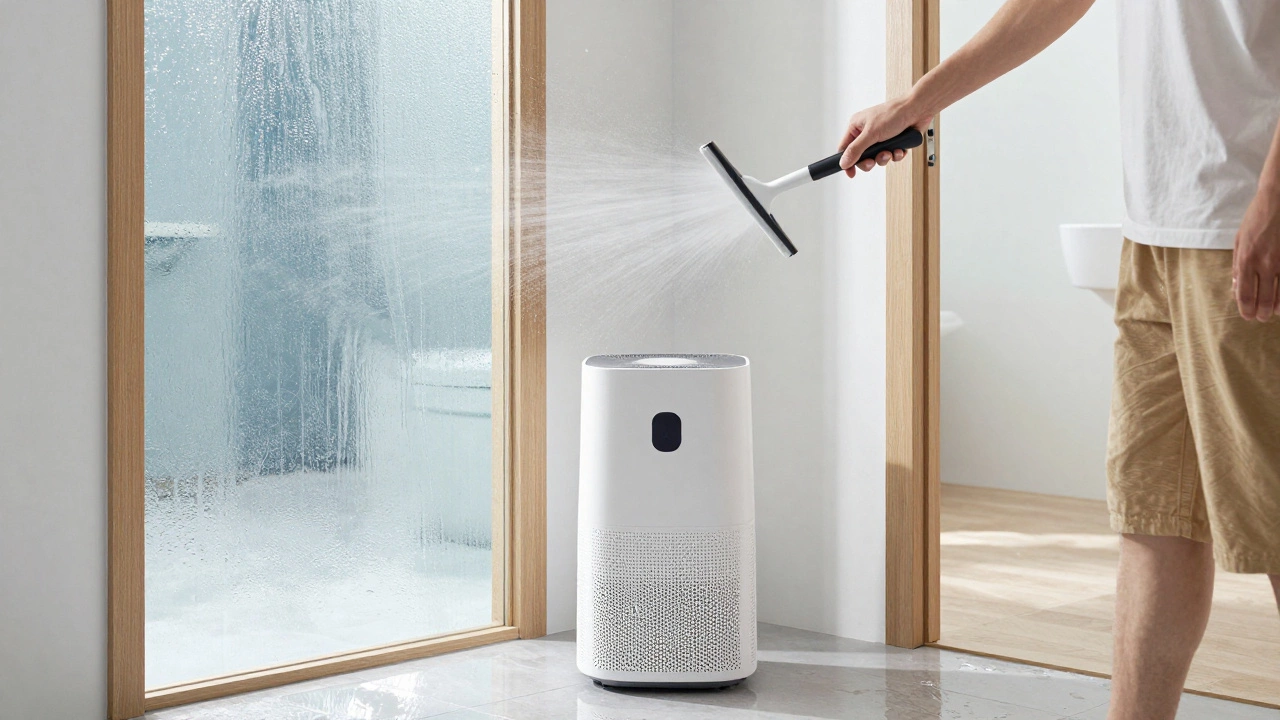
Bathrooms generate intense bursts of humidity during showers. Without proper ventilation, this leads to mold, mildew, and peeling paint. If you can’t install a fan, you must manage the moisture manually and mechanically. First, use a squeegee on mirrors and walls after every shower. This removes water droplets before they evaporate into the air, reducing overall humidity levels. Second, run a dehumidifier. Unlike fans that move air, dehumidifiers actively remove water vapor from the air. A compact, portable dehumidifier placed in the bathroom or hallway can maintain relative humidity below 50%, which inhibits mold growth.
Leave the bathroom door open after showering to allow moisture to disperse into drier areas of the house rather than concentrating in one spot. If your bathroom has a window, open it immediately after bathing. Even a small crack helps. For homes with central heating, running the heater briefly after a shower can warm the air, increasing its capacity to hold moisture, which then gets pulled out by other ventilation methods. Never rely solely on closing the door and hoping for the best-that’s a recipe for structural damage over time.
Whole-House Ventilation Strategies
Sometimes the issue isn’t just one room but the entire home’s air stagnation. If you feel stuffy throughout the house, consider upgrading your whole-house ventilation approach. Heat Recovery Ventilators (HRVs) and Energy Recovery Ventilators (ERVs) are sophisticated systems that exchange indoor and outdoor air while retaining temperature. However, these are expensive installations. A simpler alternative is using a smart thermostat with integrated air quality sensors. These devices can trigger fans or HVAC systems when CO2 or humidity levels rise.
If you already have a central HVAC system, ensure your return air vents are unblocked. Furniture or rugs covering returns restrict airflow, causing poor circulation. Upgrade your air filters to ones with higher MERV ratings (8-13) to capture more particulates. While this doesn’t remove moisture, it improves air clarity and reduces allergens. For older homes, adding attic vents or soffit vents can help draw hot, moist air up and out of the living spaces naturally through the stack effect.
| Method | Cost | Effectiveness | Best For | Maintenance |
|---|---|---|---|---|
| Natural Ventilation | Free | Low to Medium | All rooms, mild climates | None |
| Window Fan | $30-$100 | High | Kitchens, bedrooms | Clean blades quarterly |
| Door Exhaust Fan | $40-$80 | Medium | Windowless bathrooms | Replace gaskets yearly |
| Countertop Range Hood | $50-$150 | Medium | Stovetop cooking | Replace filters every 3-6 months |
| Dehumidifier | $100-$300 | High (for moisture) | Bathrooms, basements | Empty tank, clean filter |
When to Call a Professional
While these alternatives work well for many situations, there are limits. If you notice persistent mold, musty odors, or condensation on windows despite using these methods, you may have a deeper issue. Poor insulation, hidden leaks, or inadequate structural ventilation can cause long-term damage. In such cases, consult a professional HVAC technician or building inspector. They can assess your home’s air exchange rate and recommend permanent solutions like installing a ducted system or upgrading your existing ventilation infrastructure. Don’t ignore signs of water damage; addressing them early saves money and health risks later.
Can I use a box fan instead of an extractor fan?
Yes, a box fan is an excellent substitute. Place it in a window facing outward to pull air from the room. For better results, use two box fans: one blowing in and one blowing out to create a cross-breeze. This is especially effective in kitchens and bathrooms during peak usage times.
How do I remove odors without a fan?
Combine absorption with air movement. Place bowls of baking soda, activated charcoal, or white vinegar in the room to absorb odors. Simultaneously, open windows or use a portable fan to circulate air. Avoid synthetic air fresheners, which mask smells rather than removing them.
Is it okay to leave a bathroom door open after showering?
Yes, leaving the door open allows moisture to dissipate into larger, drier areas of the house, reducing the risk of mold in the bathroom. Ensure the rest of the house has adequate ventilation to handle the extra humidity, or use a dehumidifier in the main living area.
Do portable range hoods actually work?
They work moderately well for light to medium cooking. They capture some smoke and odors via carbon filters, but they cannot match the power of a ducted hood. Replace filters regularly, and combine their use with window ventilation for best results.
What is the best way to ventilate a windowless bathroom?
Use a combination of a door-mounted exhaust fan, a dehumidifier, and manual practices like squeegeeing walls and leaving the door open. If possible, install a ductless mini-split system with a ventilation mode, though this is a larger investment.