Boiler Repair Safety Checker
Describe the issue you are experiencing with your boiler to get immediate safety advice.
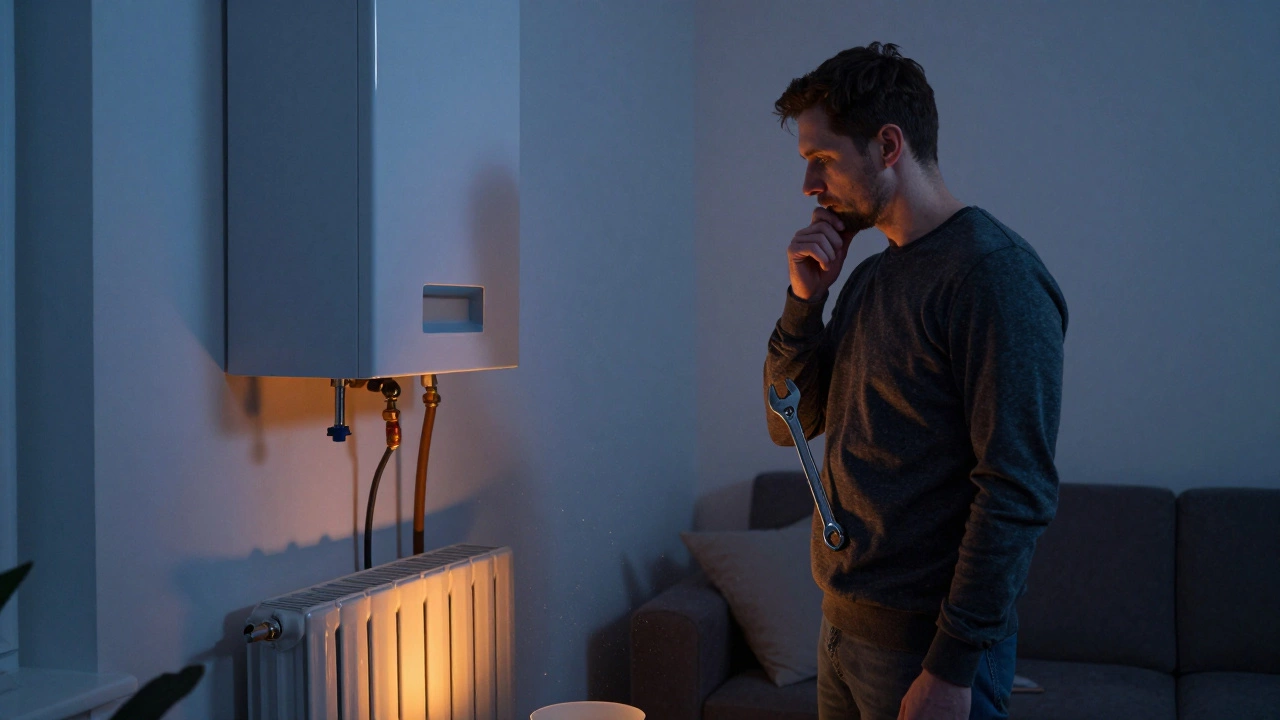
It’s the middle of winter. The temperature outside is dropping fast, and your home feels like a refrigerator. You hear a strange noise from the utility room, or maybe you just notice the radiators aren't getting warm. Your first thought might be: "I bet I can fix this myself and save on that expensive technician call-out fee." It is a natural reaction. We are all looking to save money and time. But when it comes to boilers, especially those running on gas or oil, the line between a simple tweak and a life-threatening mistake is dangerously thin.
The short answer to whether you can fix your boiler yourself is: it depends entirely on what is wrong. Some tasks are safe and easy for any homeowner. Others require certified professionals by law and logic. Mixing them up could lead to carbon monoxide poisoning, fire hazards, or voiding your insurance policy. Let's break down exactly what you can handle, what you must leave to the pros, and how to tell the difference before you pick up a screwdriver.
What You Can Safely Do Yourself
There are several maintenance tasks and minor fixes that do not involve opening the sealed combustion chamber or touching gas lines. These are generally considered "safe" DIY jobs. They often resolve common issues without needing an engineer.
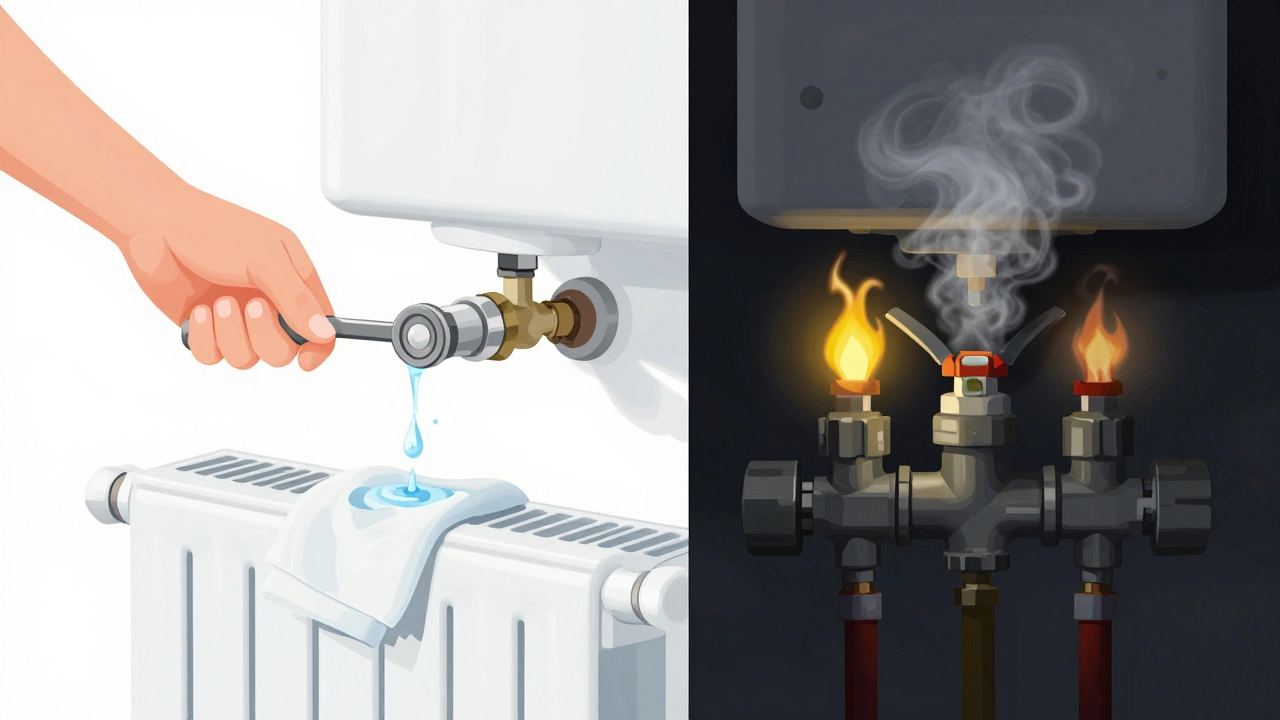
- Bleeding Radiators: If your radiators have cold spots at the top, they likely contain air. Use a radiator key to open the valve until water squirts out, then close it. This improves heat distribution significantly.
- Resetting the Boiler: Modern boilers have fault codes. If the pressure drops slightly or there is a temporary sensor glitch, pressing the reset button (often a small red button) can clear the error. If it keeps coming back, stop resetting and call a pro.
- Checking the Pressure Gauge: Most systems need to be between 1 and 1.5 bar. If it is lower, you can usually repressurize it using the filling loop connected to the mains water supply. Follow the manufacturer's instructions carefully.
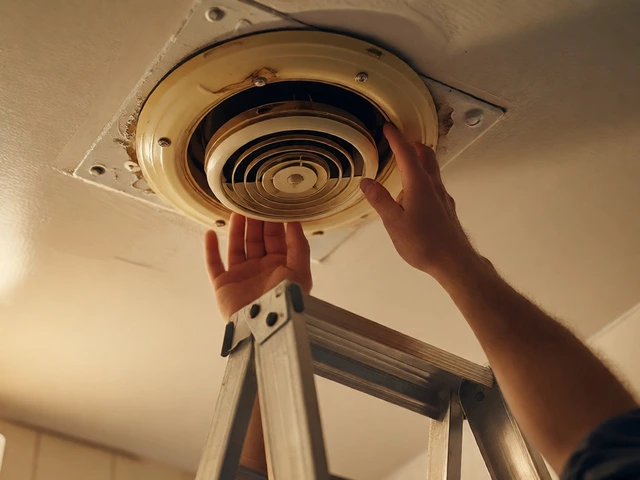
- Cleaning External Vents: Ensure the flue outlet on the outside wall is not blocked by bird nests, leaves, or snow. Blockages can cause dangerous fumes to build up inside.
- Replacing Thermostats: Swapping out a faulty room thermostat or programmer is usually a low-voltage electrical job that most homeowners can manage if they follow the wiring diagram.
These tasks keep your system running efficiently and can prevent minor glitches from becoming major breakdowns. They require basic tools and a bit of patience, but no specialized certification.
The Danger Zone: What Never to Touch
Now, let's talk about what you should absolutely avoid. Boilers are complex machines that burn fuel to create heat. When fuel burns incompletely, it produces carbon monoxide (CO). This gas is odorless, colorless, and deadly. It is the reason why strict regulations exist in places like New Zealand, the UK, and the US.
If your boiler involves gas, oil, or propane, you must never attempt to repair internal components yourself. This includes:
- Gas Valves and Manifolds: Adjusting gas pressure requires calibrated tools. Incorrect pressure leads to inefficient burning or CO leaks.
- Heat Exchangers: Cracks or corrosion here mean exhaust gases can mix with your domestic hot water. This is a critical failure.
- Ignition Systems: Faulty igniters can cause gas to build up before lighting, leading to small explosions or fires.
- Sealed Combustion Chambers: Opening these voids warranties and safety certifications immediately.
In New Zealand, under the Building Code and Gasworks Safety Regulations, only licensed gasfitters can work on gas appliances. In the UK, it must be a Gas Safe registered engineer. Ignoring this isn't just risky; it's illegal. If you try to fix these parts and something goes wrong, your home insurance will likely refuse to cover the damage or injuries. That potential savings turns into a financial disaster overnight.
| Task | DIY Friendly? | Risk Level |
|---|---|---|
| Bleeding Radiators | Yes | Low |
| Repressurizing System | Yes | Low |
| Resetting Error Codes | Yes | Low |
| Cleaning Flue Outlet | Yes (External Only) | Medium |
| Fixing Leaking Pipes | No (Call Plumber) | High (Water Damage) |
| Repairing Gas Valve | No | Critical (Death/Fire) |
| Replacing Heat Exchanger | No | Critical (CO Poisoning) |
Signs You Need a Professional Immediately
How do you know if your issue is a simple bleed or a serious hazard? Look for these red flags. If you see any of these, turn off the boiler and call a certified technician right away.
- The Smell of Gas: If you smell rotten eggs (added scent for natural gas) or strong fumes, evacuate the house, do not use electrical switches, and call emergency services.
- Yellow Flame: A healthy gas flame should be blue. A yellow or orange flame indicates incomplete combustion, which produces carbon monoxide.
- Soot or Black Marks: Check around the boiler casing and flue pipe. Soot means the fuel is not burning cleanly.
- Condensation on Windows: Excessive condensation near the boiler can indicate poor ventilation or CO leakage.
- Physical Symptoms: Headaches, nausea, dizziness, or breathlessness in the household are classic signs of carbon monoxide exposure. Get fresh air and seek medical help immediately.
- Loud Noises: Banging, gurgling, or whistling sounds can indicate kettling (limescale buildup), airlocks, or pump failures. While some are DIY-able, others need professional diagnosis.
Don't guess. Carbon monoxide detectors are cheap and essential. Install one on every floor of your home, especially near sleeping areas. They are your silent guardians against invisible killers.
The Cost-Benefit Analysis: DIY vs Pro
Let's look at the numbers. A standard call-out fee for a boiler engineer in Wellington might range from $100 to $150 NZD, plus labor and parts. A full service costs more. On the surface, doing it yourself seems free. But consider the hidden costs of DIY errors.
If you misdiagnose a problem, you might buy the wrong part. A faulty pump or valve can cost hundreds of dollars. If you install it incorrectly, you could damage the boiler further, turning a $200 repair into a $3,000 replacement. Then there is the risk of injury. Medical bills for CO poisoning or burns far exceed any repair savings.
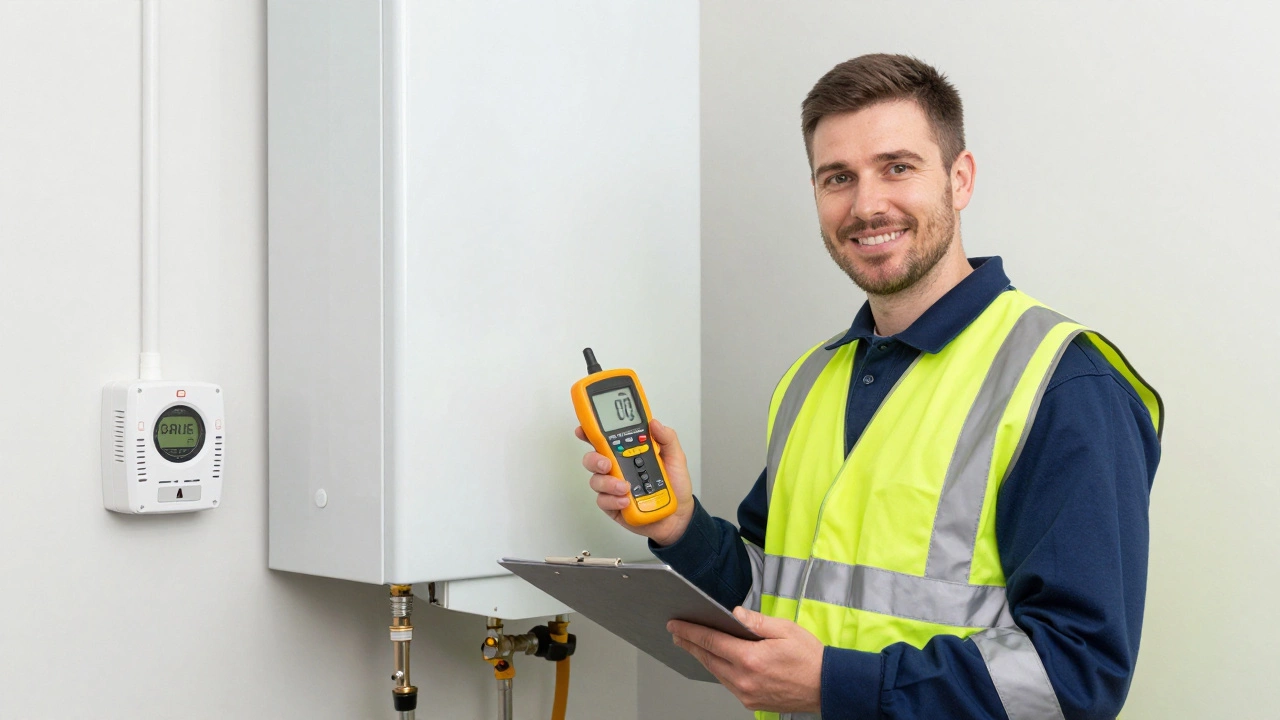
Professionals bring more than just tools. They have diagnostic equipment to measure gas pressure, combustion efficiency, and flue gas composition. They understand the specific quirks of brands like Worcester Bosch, Vaillant, or Rinnai. They also provide a warranty on their work. If they fix it and it breaks again within a month, they come back for free. With DIY, you are on your own.
Maintenance Tips to Prevent Breakdowns
The best way to save money on repairs is to prevent them. Regular maintenance extends the life of your boiler and keeps it efficient. Here is a checklist for homeowners:
- Annual Service: Hire a professional to service your boiler once a year. They will clean internal components, check seals, and test safety devices.
- Check Pressure Monthly: Glance at the gauge. If it drops frequently, you may have a leak in the system that needs fixing.
- Keep the Area Clear: Ensure there is at least 30cm of space around the boiler for airflow. Don't store boxes or laundry next to it.
- Flush Power Washing: Every few years, ask your engineer to power flush the system. This removes sludge and magnetite that clog pipes and reduce efficiency.
- Upgrade Controls: Smart thermostats and zone valves can reduce energy bills by up to 20% by heating only the rooms you use.
Think of your boiler like your car. You wouldn't ignore the check engine light or skip oil changes. Treat your heating system with the same respect. It works hard all winter to keep your family warm and comfortable.
Legal and Insurance Implications
In many jurisdictions, including New Zealand, working on gas appliances without a license is a criminal offense. Even if you are handy and confident, the law does not make exceptions for DIY enthusiasts. This is because the consequences of failure are so severe.
Furthermore, most home insurance policies have clauses requiring that gas and electrical work be performed by licensed professionals. If you perform unlicensed work and a fire or explosion occurs, the insurer can deny your claim. You would be liable for all damages, including rebuilding your home. This single fact alone makes DIY boiler repair financially irresponsible for anything beyond basic maintenance.
Always check your insurance policy documents. Look for sections on "alterations," "repairs," or "maintenance." They will explicitly state the requirement for certified tradespeople. Keep records of all professional services done on your boiler. These documents prove due diligence and can speed up claims if something goes wrong later.
Conclusion: Know Your Limits
So, can you fix your boiler yourself? Yes, but only for very specific, low-risk tasks like bleeding radiators, resetting controls, or checking pressure. For anything involving gas, flames, electricity, or internal mechanics, the answer is a firm no. The risks of carbon monoxide poisoning, fire, and legal liability are simply too high.
Your goal should be to maintain your boiler safely and efficiently, not to become an uncertified engineer. Use your DIY skills for the safe tasks listed above. Save the complex repairs for the professionals who have the training, tools, and insurance to do the job right. Your safety, and that of your family, is worth far more than the cost of a service call.
Is it legal to fix my own gas boiler in New Zealand?
No. Under New Zealand law, only licensed gasfitters can install, repair, or service gas appliances. Doing so yourself is illegal and can result in fines. It also voids your home insurance coverage if an accident occurs.
How much does it cost to service a boiler?
In Wellington, a standard annual boiler service typically costs between $150 and $250 NZD. This includes cleaning, safety checks, and testing. Prices vary based on the brand and complexity of the unit.
What are the signs of carbon monoxide leakage?
Signs include a yellow or flickering gas flame, soot marks around the boiler, excessive condensation on windows, and physical symptoms like headaches, nausea, and dizziness in occupants. Always install a carbon monoxide detector.
Can I replace my boiler thermostat myself?
Yes, replacing a room thermostat is generally safe for DIY as it involves low voltage. However, ensure the power is turned off before starting and follow the manufacturer's wiring diagram carefully. If unsure, consult an electrician.
Why is my boiler making a banging noise?
Banging noises often indicate "kettling," caused by limescale buildup in the heat exchanger, or airlocks in the system. While bleeding radiators can fix airlocks, kettling usually requires a professional power flush or component replacement.