Gas Cooktop Repair Decision Tool
Answer 5 quick questions to determine if you can fix it yourself or need a professional
Recommended Actions:
Imagine this: you’re in the middle of cooking dinner, and suddenly your gas cooktop a kitchen appliance that uses natural gas or propane to heat pots and pans via open flames sputters out. Or worse, you smell something faintly rotten-like old eggs or sulfur-in the air. Your first instinct might be panic, but your second should be curiosity. Can you actually fix it yourself, or do you need to call a pro?
The short answer is yes, you can repair many common issues with a gas cooktop. But there’s a big asterisk attached to that statement. Gas appliances involve fire, flammable fuel, and carbon monoxide risks. So while swapping a burner cap is totally within reach for most homeowners, digging into the internal gas valves requires expertise.
When Is It Safe to DIY?
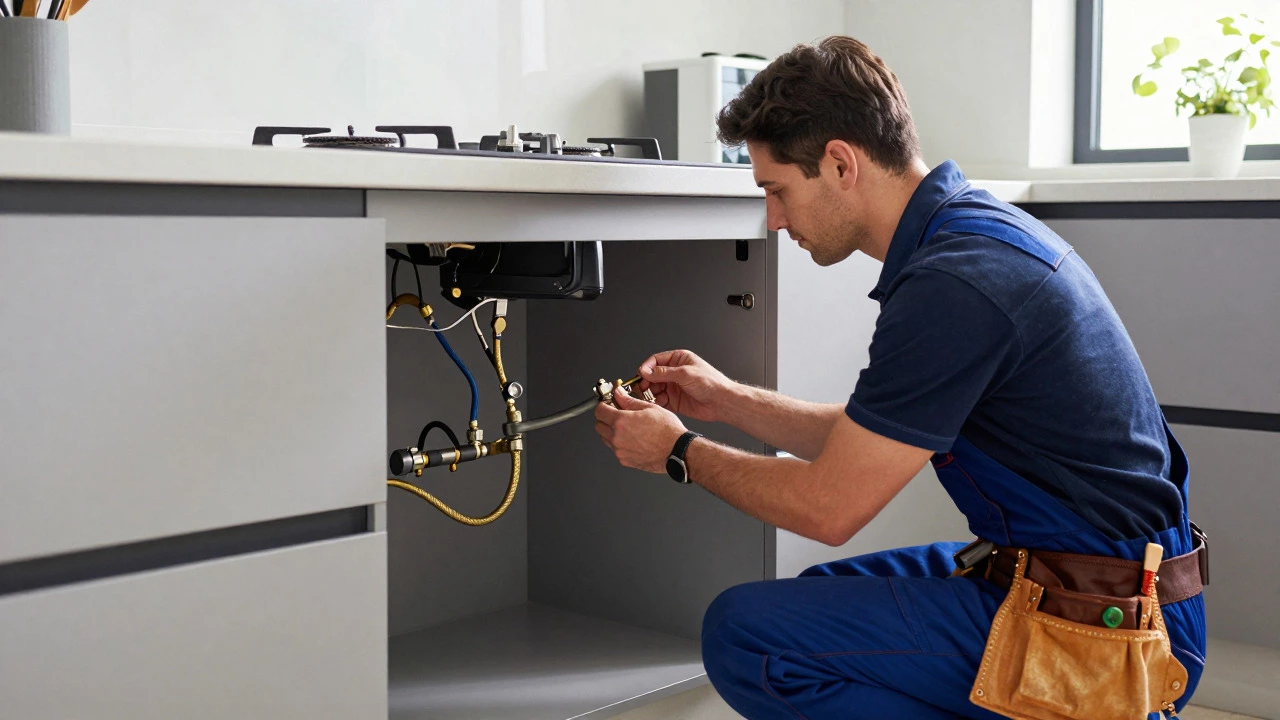
Not every problem on your gas cooktop needs a technician. Some fixes are straightforward enough that you can handle them with basic tools and a bit of patience. Here’s where you can safely step up:
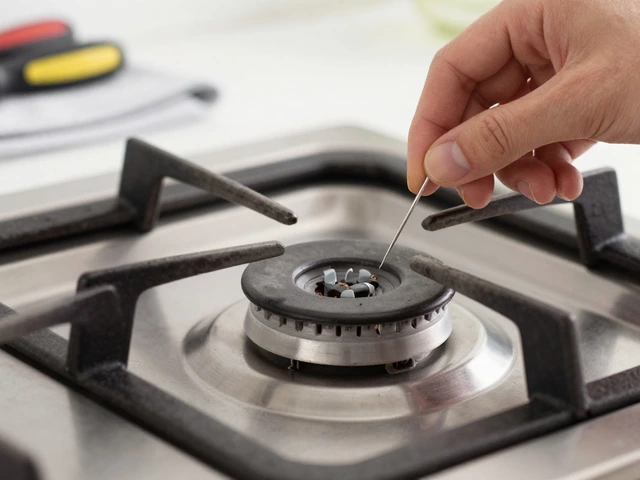
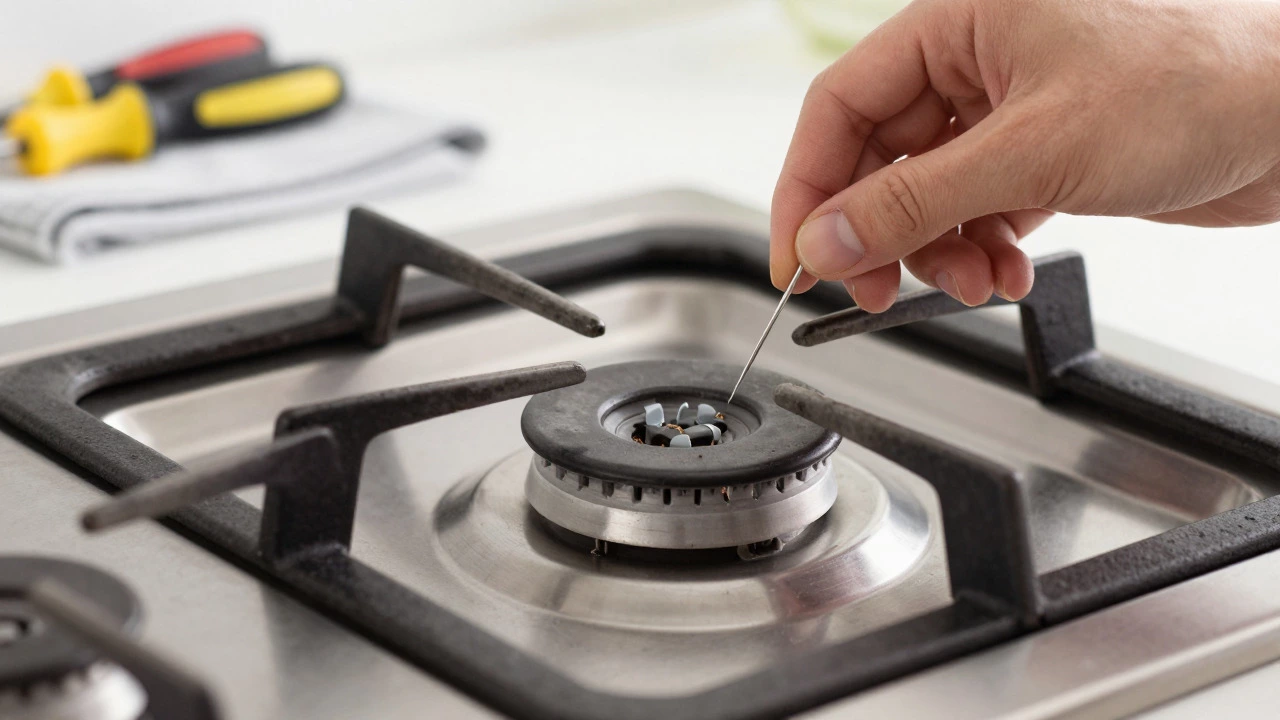
- Clogged burners: Food spills, grease buildup, or debris can block the gas flow. Cleaning the burner ports with a needle or toothpick often restores proper flame distribution.
- Loose connections: If a burner isn’t lighting consistently, check if the ignition module is securely connected. Loose wires or corroded contacts can cause intermittent sparking.
- Dirt under grates: Grease and food particles trapped beneath the heavy cast-iron grates can interfere with airflow and cause uneven heating. A thorough cleaning may solve the issue entirely.
- Faulty igniters: The spark generator (igniter) wears out over time. Replacing it involves removing the burner assembly and installing a new unit-a task manageable for anyone comfortable with simple electrical components.
These tasks don’t require special permits or certifications. They’re routine maintenance steps that keep your appliance running smoothly without risking safety hazards.
Signs You Should Call a Professional
Some problems scream “leave this alone.” Ignoring these signs could lead to dangerous situations like gas leaks, incomplete combustion, or even explosions. Watch for these red flags:
- Rotten egg smell: Natural gas itself is odorless, but utilities add mercaptan to give it a distinct scent. If you detect this smell near your cooktop-even when it’s off-shut off the gas supply immediately and evacuate the area before calling emergency services or a licensed plumber.
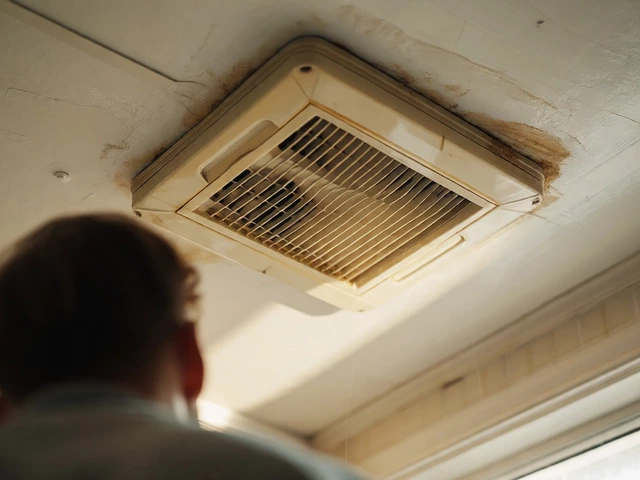
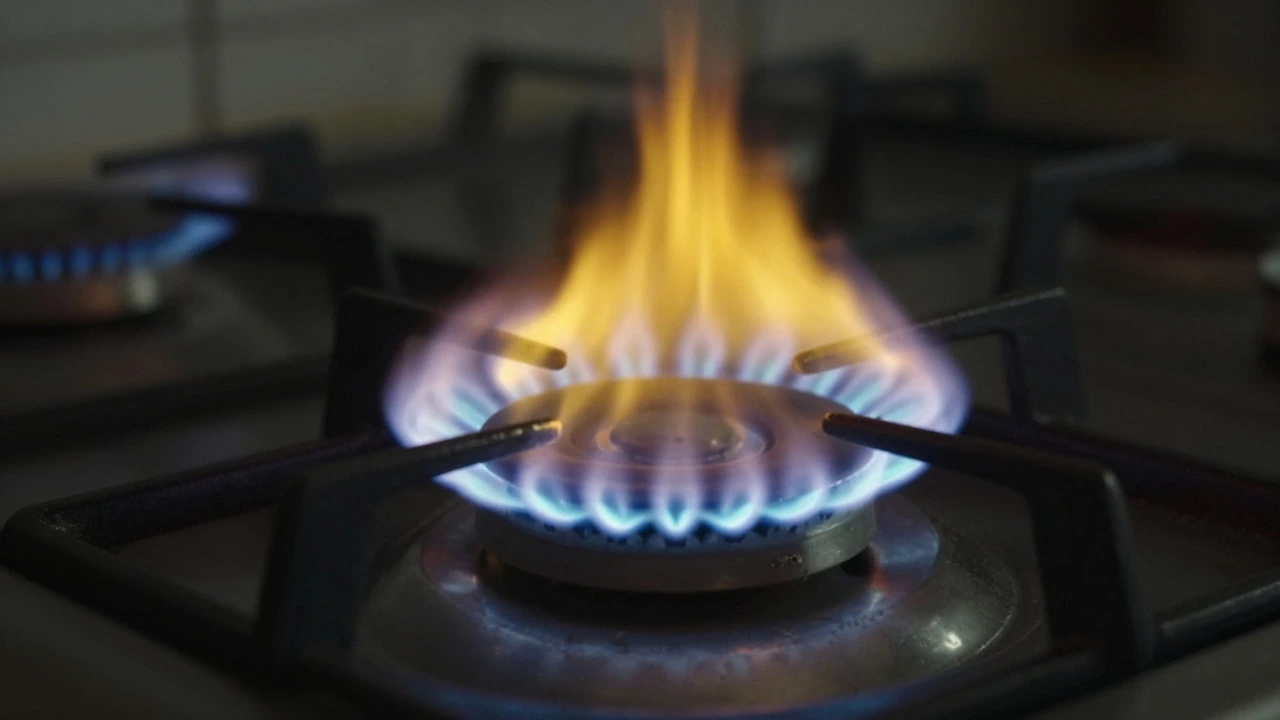
- Yellow or orange flames: Properly adjusted gas burners produce blue flames. Yellow or flickering flames indicate incomplete combustion, which releases carbon monoxide-a deadly, invisible gas. This usually means dirty jets, blocked vents, or faulty air mixers inside the unit.
- No spark at all: While replacing an igniter is possible, diagnosing why no spark occurs might involve checking control boards, thermocouples, or wiring harnesses-all areas best left to professionals unless you have experience with low-voltage electronics.
- Hissing sounds after turning off: If gas continues escaping once you’ve turned the knob, there’s likely a leak in the valve system. Don’t touch anything; turn off the main gas line and get help fast.
In New Zealand, only certified plumbers or gasfitters can legally perform work involving pressurized gas lines. Attempting unauthorized repairs not only voids warranties but also puts you at risk of fines or insurance claims being denied.
Tools You’ll Need for Basic Repairs
If you decide to tackle minor issues yourself, having the right gear makes all the difference. Keep these items handy:
- Screwdriver set (Phillips and flathead)
- Nail file or pin tool for clearing clogs
- Soft brush or vacuum cleaner for dust removal
- Isopropyl alcohol and microfiber cloths for cleaning
- Replacement parts specific to your model number
Always refer to your user manual before starting any repair. Most manufacturers provide detailed diagrams showing how each component fits together. For example, brands like Bosch, Samsung, and Whirlpool offer downloadable guides online tailored to their models.
Step-by-Step Guide to Fixing Common Issues
Let’s walk through two typical scenarios-one easy fix and one slightly more involved-to show what’s realistically achievable.
Scenario 1: Burner Won’t Light Consistently
- Turn off the gas supply to the cooktop using the isolation valve behind the cabinet.
- Remove the grate and lift out the burner head carefully.
- Inspect the small holes around the edge of the burner base. Use a straightened paperclip or sewing needle to gently clear any blockages.
- Check the electrode wire leading to the spark generator. Ensure it’s firmly attached and free from corrosion.
- Reassemble everything, restore power, and test the burner again.
This process takes about ten minutes and costs nothing beyond your time. Many people overlook simple obstructions because they assume the issue lies deeper within the machine.
Scenario 2: Replace a Faulty Igniter
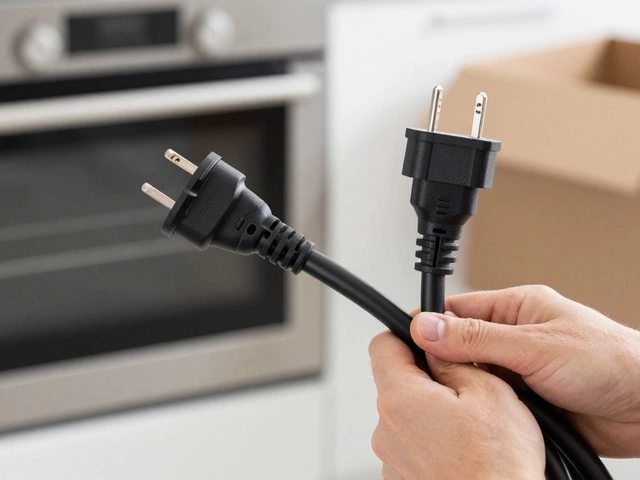
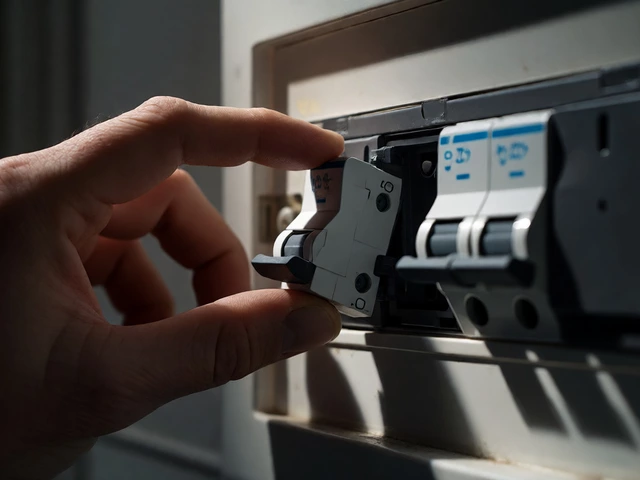
- Disconnect electricity by unplugging the cooktop or switching off the circuit breaker.
- Lift the top panel slightly to access screws holding down the burner assemblies.
- Unscrew and remove the affected burner along with its mounting bracket.
- Locate the igniter module-it looks like a small black box with wires coming out of it-and disconnect the plug.
- Install the replacement part exactly as shown in the manual, reconnecting cables precisely where they belong.
- Secure the brackets, replace panels, and restore power.
Cost-wise, replacement igniters range between $20-$60 depending on brand compatibility. Labor savings alone make this worth trying if you feel confident handling basic disassembly.
Safety First: Preventive Maintenance Tips
Prevention beats cure every time. Regular upkeep extends the life of your gas cooktop and reduces unexpected breakdowns. Follow these habits:
- Clean spills promptly to prevent hardened residue blocking burner ports.
- Wipe down surfaces weekly with mild detergent and water-avoid abrasive cleaners that scratch enamel finishes.
- Run diagnostic tests annually using built-in features available on modern digital models.
- Have a qualified technician inspect hidden components such as thermocouples and pressure regulators once every three years.
Think of preventive care like brushing your teeth. Doing it regularly avoids costly root canal procedures later!
Comparison Table: DIY vs. Professional Repair
| Factor | DIY Approach | Professional Service |
|---|---|---|
| Cost | $0-$60 for parts | $80-$250+ including labor |
| Time Required | 15 mins - 2 hours | Same-day service typically |
| Skill Level Needed | Basic mechanical aptitude | Gasfitting certification required |
| Risk Factor | Moderate if following instructions | Low due to trained personnel |
| Warranty Impact | Possible voidance if done incorrectly | No impact; authorized work preserved |
Use this table to weigh options based on your comfort level, budget constraints, and urgency. Remember, peace of mind has value too.
Frequently Asked Questions
How much does it cost to repair a gas cooktop?
Minor DIY repairs cost anywhere from $0 to $60 for replacement parts. Professional services charge between $80 and $250+, depending on complexity and location. In Wellington, average rates hover around $120 per hour plus materials.
What causes a gas cooktop to stop working?
Common culprits include clogged burner ports, failed igniters, loose wiring, or tripped thermal fuses. More serious causes involve gas valve malfunctions or control board failures requiring expert attention.
Is it safe to clean a gas cooktop with vinegar?
Yes, diluted white vinegar works well for cutting through grease without damaging enamel coatings. Avoid soaking electronic components directly, though. Always dry thoroughly afterward.
Do I need a license to fix my own gas cooktop in NZ?
For non-gas-related fixes like cleaning burners or replacing igniters, no license is needed. However, touching anything connected to the gas supply-including valves, pipes, or regulators-requires a registered gasfitter under Health and Safety regulations.
How long does a gas cooktop last?
With regular maintenance, most units function reliably for 10-15 years. High-end models from premium brands sometimes exceed two decades. Factors affecting lifespan include usage frequency, cleaning routines, and environmental conditions.
Can I convert a gas cooktop to electric?
Technically yes, but practically very difficult and expensive. Conversion kits exist, yet installation demands extensive rewiring, ventilation changes, and possibly structural modifications. Often cheaper to buy a new electric range instead.
Why is my gas cooktop making clicking noises?
Clicking indicates the igniter is attempting to create sparks. Continuous clicking without ignition suggests moisture interference, misaligned electrodes, or a dying battery in standalone models. Dry the area completely or replace the igniter module.
Should I unplug my gas cooktop during storms?
While gas doesn’t conduct electricity, surge protectors safeguard sensitive electronics controlling ignition systems. Unplugging prevents potential damage from lightning strikes or power spikes. Also consider shutting off the main gas valve temporarily.