No Hot Water Diagnostic Tool
Answer these questions to identify the most likely cause of your cold water issue and get step-by-step instructions.
Analysis Result
There is nothing quite as shocking as stepping into a shower expecting warmth and getting hit with ice-cold water. It ruins your morning routine, makes washing dishes miserable, and leaves you wondering if your entire heating system has failed. Before you panic or call an expensive technician, there is one specific thing you need to check first. Depending on whether you have a gas or electric unit, that first step changes slightly, but it always involves the source of heat itself.
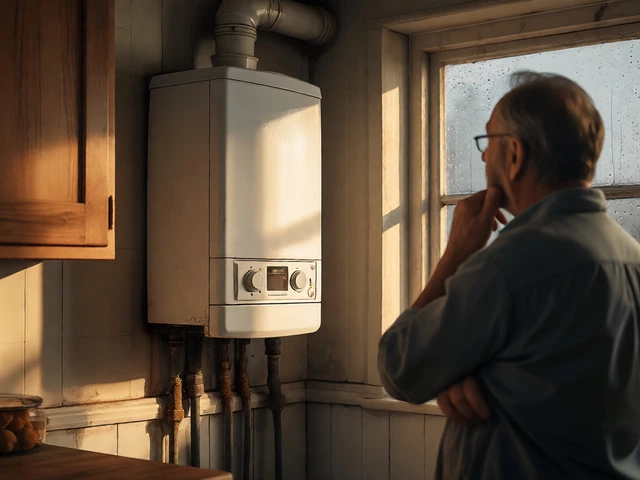
If you have a gas water heater is a tank-based appliance that uses natural gas or propane to heat domestic water, the absolute first thing to check is the pilot light.
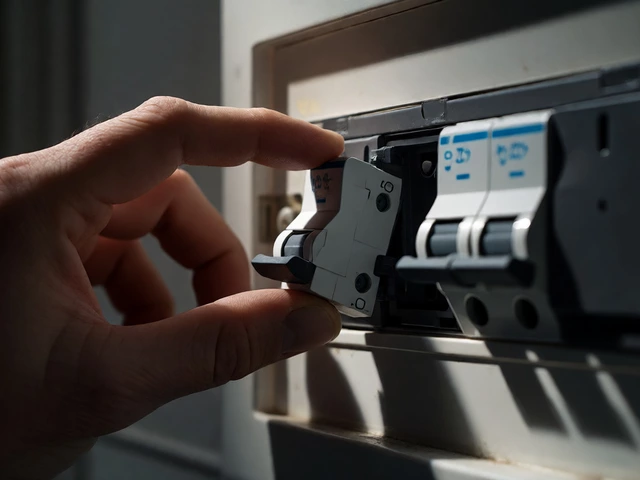
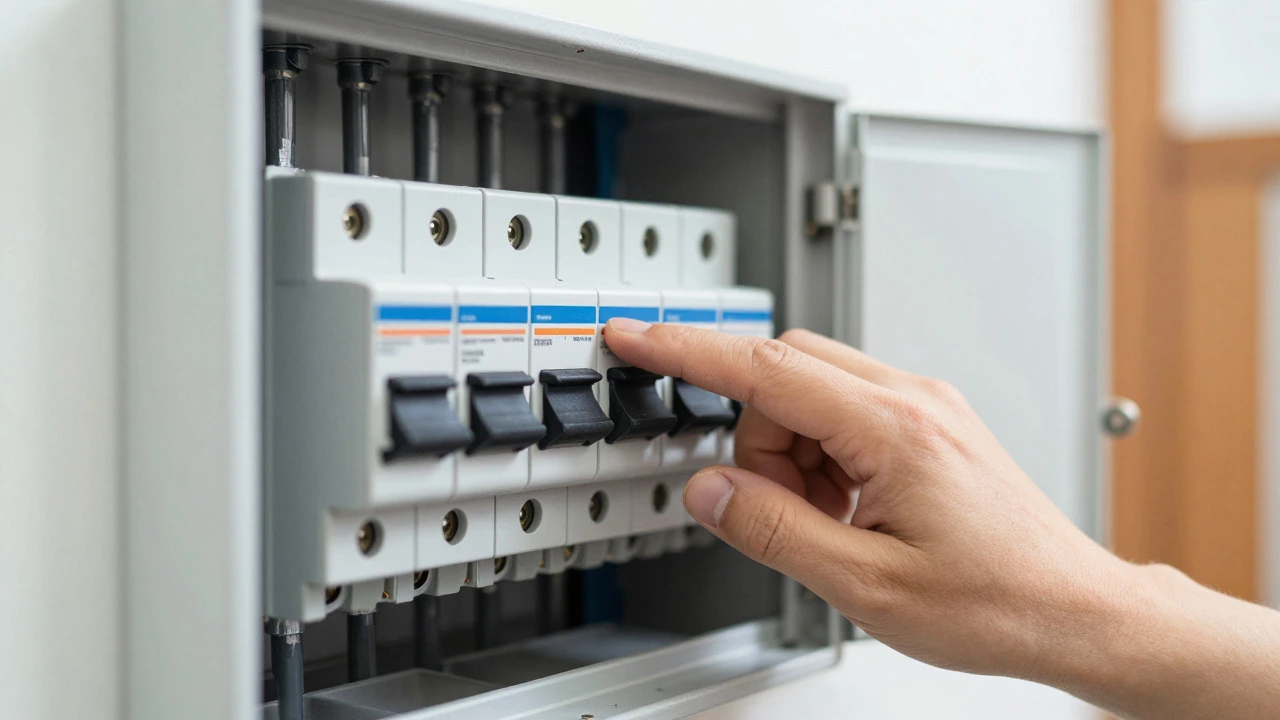
If your unit is electric, the first thing to check is your home’s circuit breaker box. This guide will walk you through exactly what to look for, why these components fail, and how to safely restore your hot water without unnecessary stress.
The Gas Unit: Why the Pilot Light is Priority One
For millions of homes, especially in older buildings or regions where natural gas is cheap, the gas water heater is the standard. These units rely on a small, constant flame called the pilot light to ignite the main burner when you turn on the hot water tap. If this tiny flame goes out, the main burner never fires up, and your water stays cold.
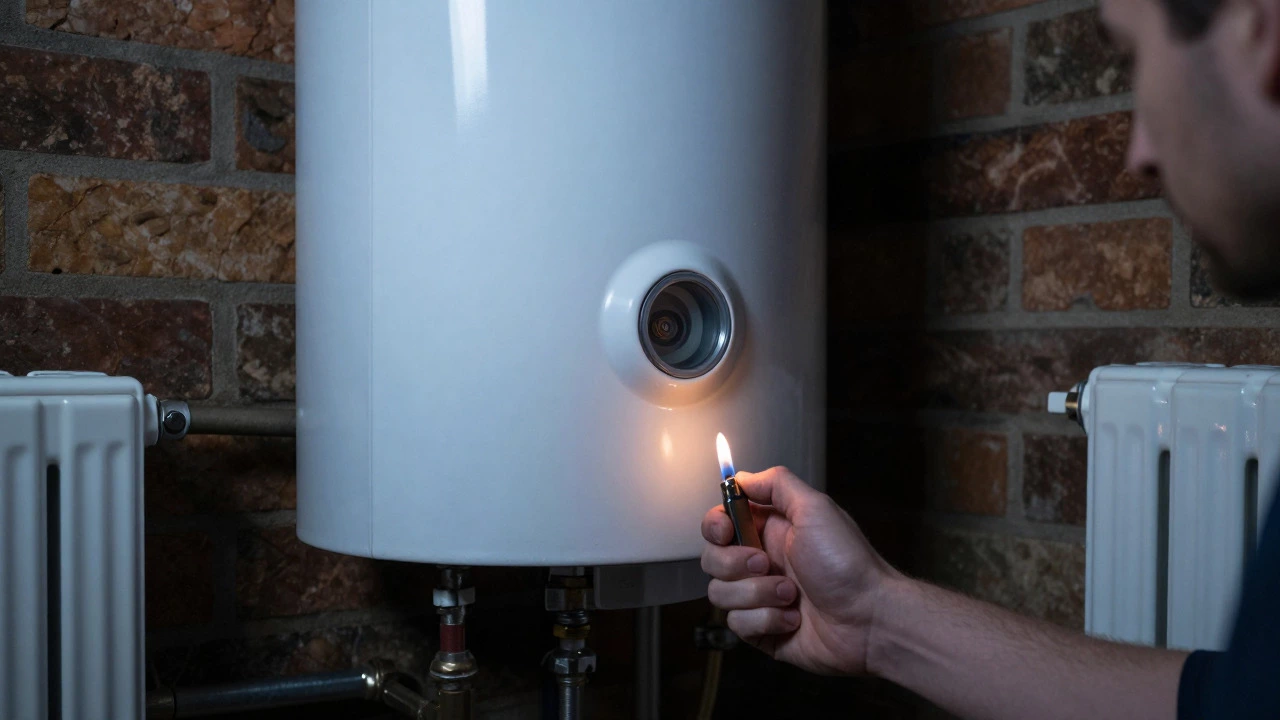
The pilot light can go out for several reasons. A draft from an open window might blow it out. A faulty thermocouple (the safety sensor that detects the flame) might shut off the gas supply incorrectly. Or, simply put, it might just flicker out due to age or vibration. Checking this takes less than two minutes and requires no tools other than a long lighter or match.
To check the pilot light:
- Locate the access panel at the bottom of your water heater. You may need to unscrew a few screws to remove the metal cover.
- Look through the viewing window (usually a small glass port) near the floor of the tank.
- If you see a steady blue flame, the pilot is lit. If you see darkness or only a faint orange glow, it is out.
If the pilot is out, consult your manufacturer’s manual for relighting instructions. Typically, you turn the gas control knob to 'Off', wait five minutes to let any residual gas dissipate, turn it to 'Pilot', press the knob down while lighting the pilot with a match, and hold it for 60 seconds before releasing. If it stays lit, you are back in business. If it keeps going out, the thermocouple likely needs replacement-a job that costs about $15 in parts but saves you a $150 service call.
The Electric Unit: The Circuit Breaker Check
If your home uses electricity for water heating, you don’t have a pilot light. Instead, you have two large heating elements submerged in the tank, controlled by thermostats. The most common reason for sudden loss of hot water in an electric system is a tripped circuit breaker.
Electric water heaters draw a massive amount of power-often 30 to 50 amps each. If you run the dryer, the oven, and the dishwasher simultaneously, the electrical load can spike, causing the breaker protecting the water heater to trip as a safety measure. Alternatively, a failing heating element can short out and trip the breaker instantly.
Go to your main electrical panel. Look for a double-pole breaker labeled "Water Heater" or "WH." If the switch is in the middle position (or tilted away from the others), it has tripped. Flip it fully to the 'Off' position, then back to 'On.' If it holds, try running hot water after 30-60 minutes. If it trips again immediately, you likely have a bad heating element or a wiring issue that requires a licensed electrician.
Thermostat Settings: The Human Error Factor
Sometimes the problem isn't mechanical failure but simple misconfiguration. We often forget that water heaters have thermostats that can be adjusted. In gas units, this is usually a dial marked 'Low,' 'Medium,' 'Hot,' and 'Very Hot.' In electric units, these are hidden behind the access panels near the heating elements.
Did someone recently adjust the temperature? Did a child play with the dials? Or did you lower it during winter to save energy and now realize it’s too low? The ideal setting for most households is between 120°F (49°C) and 140°F (60°C). Below 120°F, bacteria like Legionella can grow. Above 140°F, you risk scalding injuries. If your thermostat is set to 'Vacation' mode or 'Off,' no heat will be generated regardless of how well the rest of the unit works.
Gas Valve and Power Switches
Before diving into complex repairs, verify that the fuel or power is actually reaching the unit. For gas heaters, locate the manual gas shutoff valve. It is usually a red or black lever located on the gas pipe leading into the heater. Ensure it is parallel to the pipe (open), not perpendicular (closed). Sometimes, maintenance work nearby or even a pet bumping into the pipe can close this valve accidentally.
For electric units, ensure the disconnect switch (if present outside the tank) is in the 'On' position. Some homeowners turn this off for cleaning or repairs and forget to switch it back on. It sounds obvious, but it happens more often than you’d think.
When to Stop DIY and Call a Professional
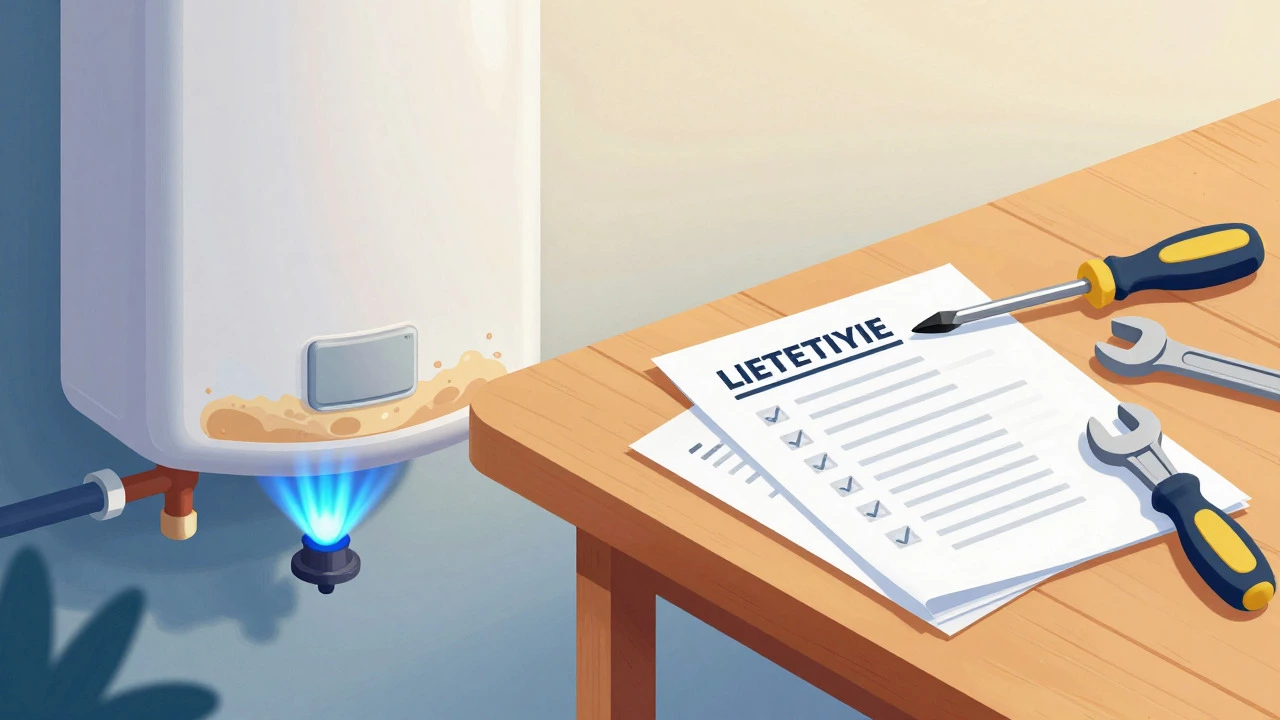
While checking the pilot light, breakers, and valves is safe for most homeowners, some signs indicate deeper issues. If you smell rotten eggs (added scent for natural gas leaks), evacuate the house and call your gas company immediately. Do not try to relight the pilot. If the water heater is leaking from the bottom of the tank, the internal lining has corroded, and the tank needs replacement, not repair. If you have checked all the above and still have no hot water, the issue could be a failed dip tube, a broken thermostat, or a sediment buildup insulating the water from the heat source. These require professional diagnosis.
| Issue Type | First Thing to Check | Action Required |
|---|---|---|
| Gas Water Heater | Pilot Light | Relight via manual; replace thermocouple if it won't stay lit. |
| Electric Water Heater | Circuit Breaker | Reset breaker; call electrician if it trips again. |
| Both Types | Thermostat Settings | Ensure set to 120-140°F (49-60°C). |
| Both Types | Fuel/Power Supply | Check gas valve is open or electric switch is on. |
| Both Types | Leaks | If leaking from tank bottom, schedule replacement. |
Maintenance Tips to Prevent Future Outages
Prevention is cheaper than repair. Flushing your water heater annually removes sediment buildup, which improves efficiency and extends the life of the tank. Inspecting the anode rod every three years prevents corrosion. For gas units, ensuring the venting system is clear of debris (like bird nests) prevents dangerous carbon monoxide backup and pilot light instability. By keeping these simple checks in your annual home maintenance calendar, you reduce the likelihood of being caught off guard by cold showers.
Why does my hot water go cold after a few minutes?
This is often caused by a broken dip tube in the water heater. The dip tube directs cold incoming water to the bottom of the tank. If it disintegrates, cold water mixes with hot water at the top, causing lukewarm output. Another cause could be undersized tank capacity for your household's demand.
Is it safe to relight a pilot light myself?
Yes, provided you follow the manufacturer's instructions carefully. Turn off the gas, wait five minutes for gas to dissipate, and use a long match or lighter. If you smell strong gas odors before lighting, do not attempt to relight; evacuate and call a professional.
How long does it take for water to heat up after resetting?
For a standard 40-50 gallon tank, it typically takes 30 to 60 minutes to fully reheat the water after a reset or relighting. Instantaneous or tankless water heaters heat water in seconds, but they have different troubleshooting steps.
What causes a water heater pilot light to keep going out?
The most common cause is a dirty or worn-out thermocouple. The thermocouple senses the pilot flame and tells the gas valve to stay open. If it fails, the valve shuts off the gas as a safety precaution. Drafts or a clogged pilot orifice can also cause this issue.
Can a tripped breaker damage the water heater?
Tripping itself doesn't damage the heater, but frequent tripping indicates an underlying electrical fault, such as a shorted heating element or loose wiring. Ignoring repeated trips can lead to overheating wires or fire hazards, so persistent tripping requires immediate professional inspection.