Oven Repair Cost Calculator
Calculate Repair vs Replacement Cost
Determine if it's more economical to repair your oven or buy a new one based on your oven's age, repair costs, and energy savings.
Results
Cost Comparison
Total Repair Cost: $0
Total Replacement Cost: $0
Recommendation
Enter values to see recommendation
Break-even Analysis
Enter values to see when savings offset new oven cost
If your electric oven isn't heating up, the first thing you check is the heating element. And if it looks dark, cracked, or just doesn’t glow when the oven is on-you’ve got a broken element. But here’s the real question: can you still use your oven if the heating element is broken?
The short answer? No. Not safely, not effectively, and not for anything that needs real heat. But let’s break down why, what happens if you try anyway, and what you should do next.
Why the Heating Element Matters
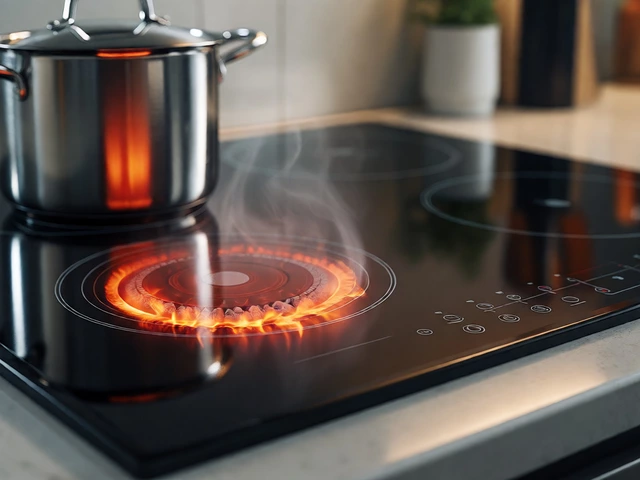
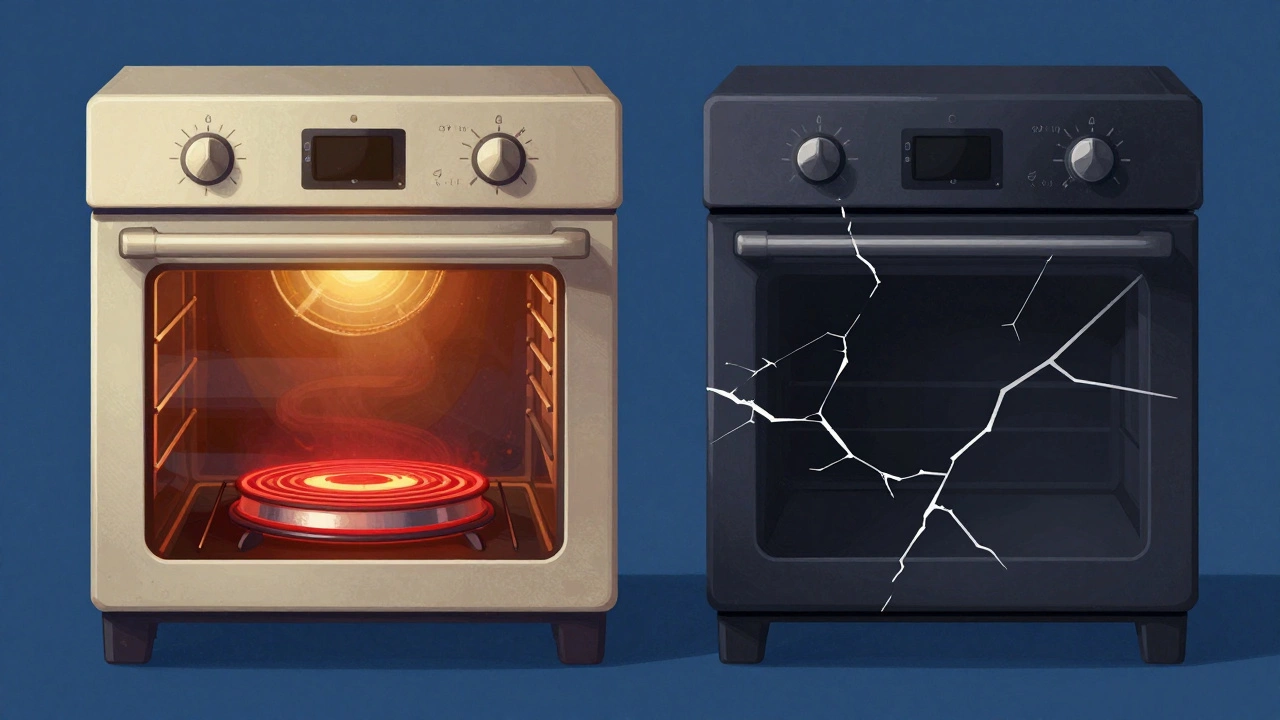
The heating element is the part that actually gets hot. In most electric ovens, there are two: one on the bottom for baking and roasting, and one on the top for broiling. When you set the oven to 180°C, electricity flows through these coils, and they heat up to that temperature. If one of them breaks-say, the bottom one-then the oven can’t reach or hold the right temperature.
It’s not like a light bulb that just goes out. A broken element means the circuit is interrupted. No current flows. No heat. Simple as that.
What Happens If You Try to Use It Anyway?
You might think, “I’ll just use the broil setting.” Or, “Maybe the top element will do enough.” But here’s what really happens:
- If the bottom element is broken and you try to bake, the oven might warm slightly from residual heat or the broil element, but it won’t get close to the set temperature. Your cookies burn on top and stay raw inside.
- If the top element is broken and you try to broil, nothing happens. The broil function won’t activate.
- Some ovens won’t even turn on at all if one element is faulty. Modern ovens have safety sensors that detect an open circuit and shut down the whole system.
- Trying to force it can cause other parts to overheat. The thermostat, fan, or control board might get damaged trying to compensate.
There’s also a fire risk. A cracked element can arc internally or short against the oven’s metal casing. That’s not just a repair issue-it’s a hazard. I’ve seen ovens in Wellington homes where a failing element sparked and melted the insulation around the wiring. That’s how house fires start.
Is It Worth Trying to Cook With It?
Some people try to use broken ovens for things like proofing dough or keeping food warm. Even then, it’s risky. The oven’s internal temperature sensors are calibrated to work with both elements. If one’s out, the readings are wrong. The oven might think it’s at 100°C when it’s really at 40°C. Your dough won’t rise properly. Your leftovers won’t stay safe.
And if you’re using the oven’s light or fan while the element is broken? That’s fine. But any attempt to generate heat? Don’t.
How to Confirm the Element Is Broken
You don’t need to be an electrician to check. Here’s how:
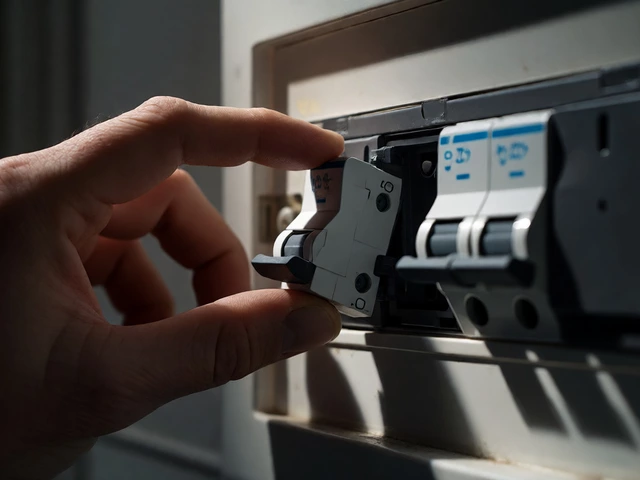
- Turn off the power at the circuit breaker. Safety first.
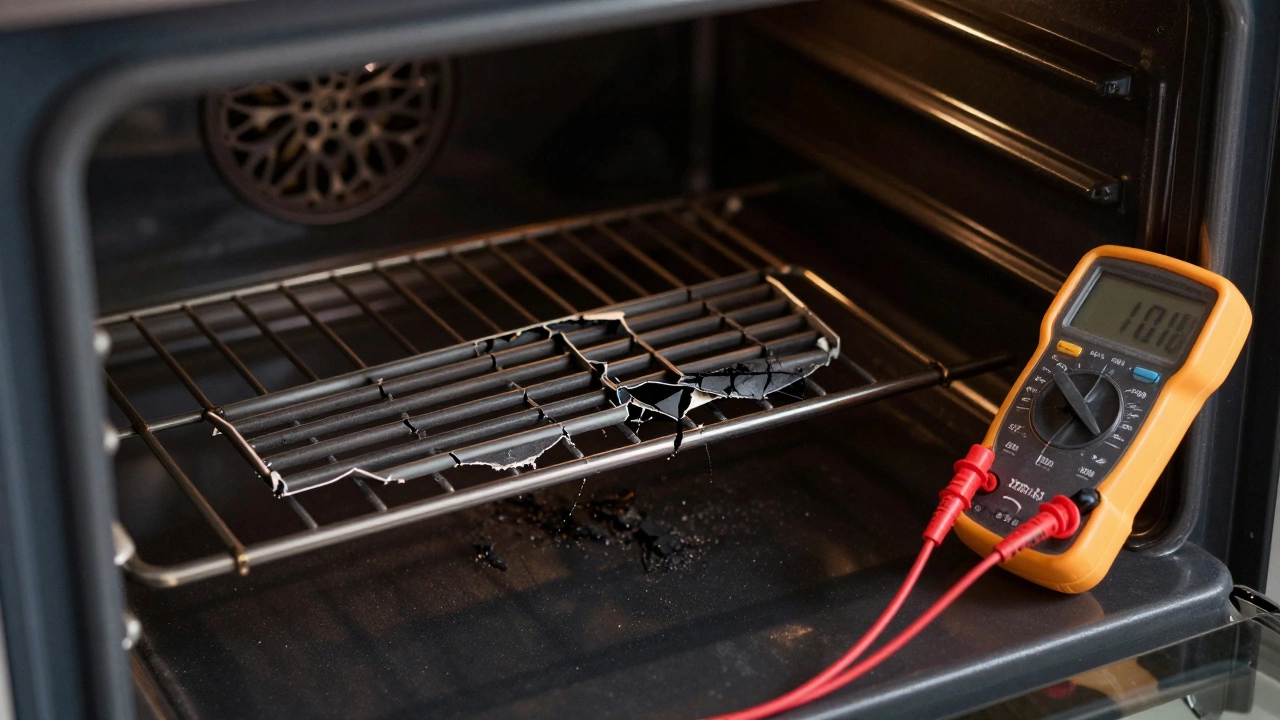
- Open the oven and look at the element. Is it visibly cracked? Are there gaps or blackened spots? If yes, it’s done.
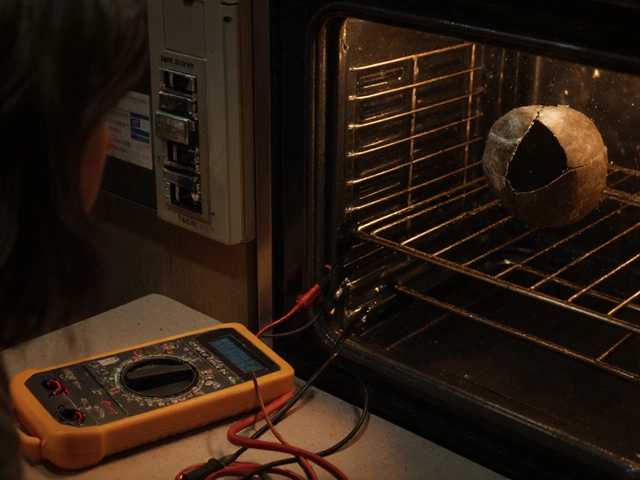
- Use a multimeter. Set it to continuity mode (usually the diode symbol). Touch one probe to each terminal on the element. If it beeps, the circuit is good. If it doesn’t beep, the element is broken.
- Check the power supply. Sometimes the problem isn’t the element-it’s the fuse, thermostat, or wiring. But if the element looks damaged and the multimeter shows no continuity, you’ve found your issue.
Most home repair stores sell multimeters for under $30. It’s a tool worth having if you use appliances regularly.
Can You Fix It Yourself?
Yes-mostly. Replacing a heating element is one of the easiest oven repairs you can do. Here’s what you need:
- A replacement element (match the model number exactly-check the manual or the old element itself)
- A screwdriver
- Pliers (sometimes needed to pull out terminals)
- Protective gloves
Steps:
- Turn off power at the breaker. Double-check with a non-contact voltage tester.
- Remove the oven racks.
- Take off the back panel inside the oven (usually held by two or four screws).
- Unplug the element’s terminals. They’re usually just pushed on.
- Unscrew the element from the oven walls.
- Slide out the old one, slide in the new one.
- Reconnect the terminals, replace the panel, turn the power back on.
It takes about 45 minutes. Parts cost between $40 and $120, depending on the brand. A professional repair might charge $150-$250, including labor. If you’re handy, you’ll save money.
What If It’s Not the Element?
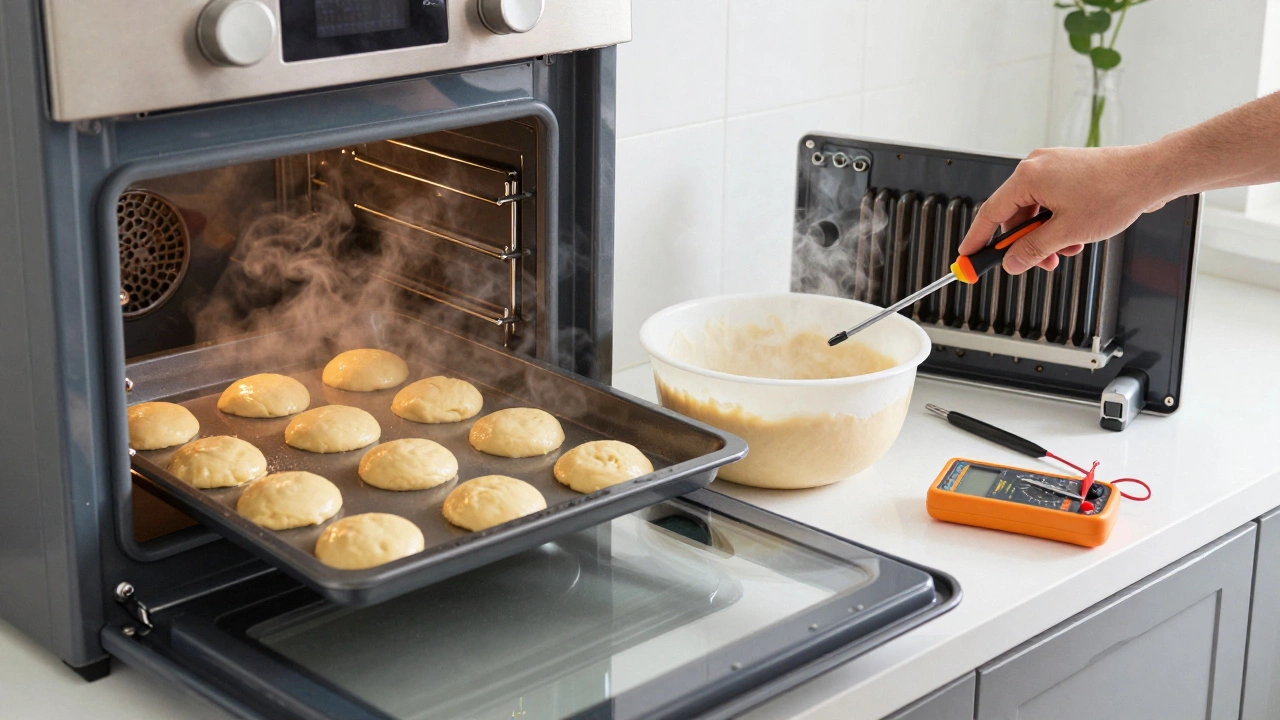
Not every oven that won’t heat has a broken element. Other common culprits:
- Thermostat: If it’s faulty, it won’t tell the element to turn on. You can test it with a multimeter too.
- Thermal fuse: This is a safety device that cuts power if the oven overheats. If it blew, the oven won’t work at all. It’s usually located near the heating element or exhaust.
- Control board: Modern ovens use digital boards. If the board fails, it won’t send power to the element. This is harder to diagnose and often requires a technician.
- Wiring: Rodents, age, or heat damage can fray wires. Check behind the oven for burnt or chewed insulation.
If you’ve ruled out the element and still have no heat, it’s time to call in someone with a multimeter and experience.
When to Replace the Whole Oven
Not every broken element means you need a new oven. But here are signs you might be better off replacing it:
- Your oven is over 15 years old.
- It’s a cheap model with no warranty or replacement parts available.
- You’ve had multiple repairs in the last two years.
- The control panel is glitchy, the display is fading, or buttons don’t respond.
- You’re upgrading your kitchen anyway.
Modern ovens are more efficient, have better temperature control, and often come with smart features. If your oven is struggling, a new one might pay for itself in lower electricity bills over time.
What to Do Right Now
If your element is broken:
- Stop using the oven for cooking.
- Turn off the power at the circuit breaker.
- Check the element visually and with a multimeter if you have one.
- Order the correct replacement part online or from a local appliance store.
- If you’re not comfortable doing the repair, call a certified technician.
Don’t wait until your food burns or your kitchen fills with smoke. A broken heating element isn’t just an inconvenience-it’s a warning sign. Fix it properly, or replace the oven. Either way, don’t keep using it.
Can I use my oven if the heating element is broken?
No. A broken heating element means the oven can’t generate heat. Using it won’t cook food properly, could damage other parts, and may create a fire hazard. Even if the oven turns on, it’s not safe or effective.
How do I know if my oven heating element is broken?
Look for visible cracks, black spots, or gaps in the element. Turn off power and use a multimeter to test for continuity. If the meter doesn’t beep, the element is broken. Also, if the oven doesn’t heat at all-even after waiting 15 minutes-it’s likely the element.
Can I replace the heating element myself?
Yes. Replacing a heating element is a common DIY repair. You’ll need a replacement part, a screwdriver, and a multimeter. Turn off the power, remove the old element, and install the new one. Most people can do it in under an hour. Parts cost $40-$120, and you’ll save hundreds compared to hiring a technician.
Why won’t my oven heat even after replacing the element?
If the oven still doesn’t heat after replacing the element, the problem might be the thermal fuse, thermostat, control board, or wiring. These components can fail independently. Use a multimeter to test continuity in the fuse and thermostat. If those are fine, the control board may need replacement-which often requires professional help.
Is it cheaper to repair or replace the oven?
If your oven is under 10 years old and the rest of it works well, replacing the element is usually cheaper-around $50-$150 total. If the oven is older, has other issues, or costs over $200 to repair, it’s often smarter to replace it. New ovens are more energy-efficient and come with warranties.