Extractor Fan Troubleshooter
Select the symptom you are experiencing:
No Power / Silent
Fan makes no noise at allHumming Sound
Motor hums but blades don't spinWeak Airflow
Fan runs but air movement is poorLoud Noise
Rattling, grinding, or buzzing soundsBurning Smell
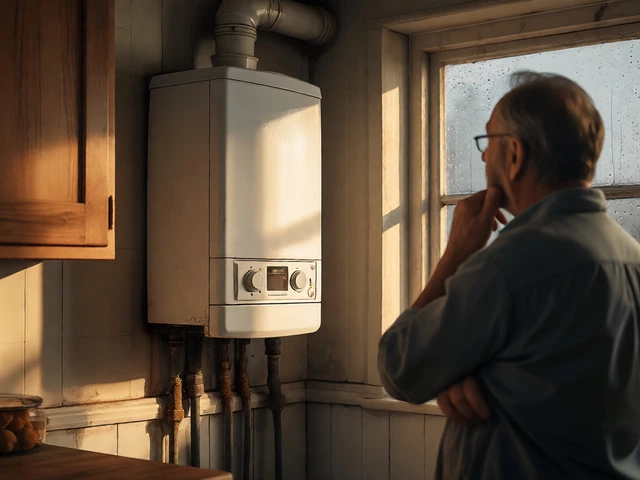
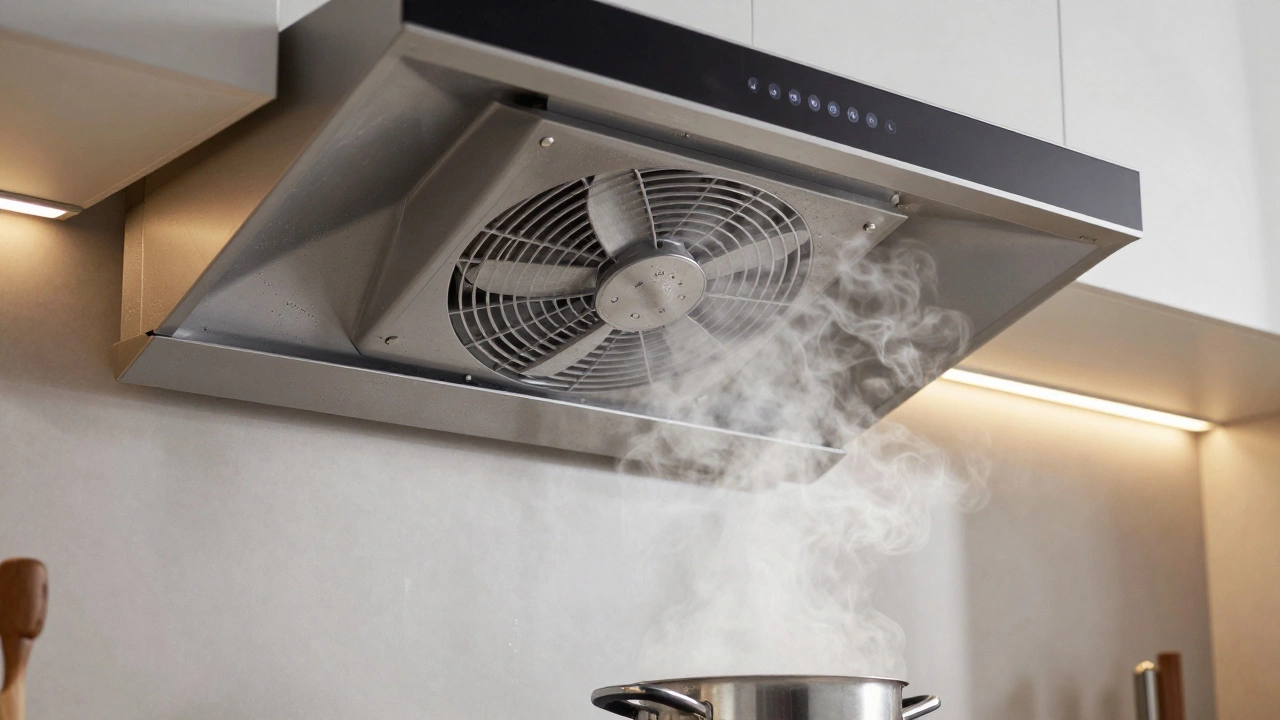
Smell of burning plastic or insulationImagine cooking a rich curry or taking a steamy shower, only to realize the air isn’t moving. The smell lingers. The mirror fogs up completely. You check the switch, but the extractor fan is a ventilation device designed to remove stale air, moisture, and odors from enclosed spaces like kitchens and bathrooms. sits silent on the wall or ceiling. It’s frustrating, humid, and honestly, a bit gross. But before you call out a technician and spend a fortune, there are several things you can check yourself. Most of the time, the issue is simple: a tripped breaker, a clogged filter, or a stuck motor.
The Safety First Rule
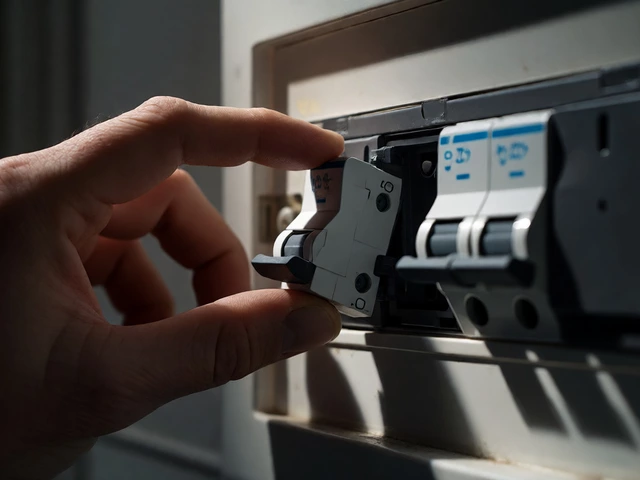
Before you touch any wires, unscrew any panels, or poke anything into the vents, you need to cut the power. Electricity doesn’t care how careful you think you are. Go to your fuse box or circuit breaker panel and switch off the power to the specific circuit controlling the fan. If you aren’t sure which one it is, turn off the main breaker. Use a voltage tester to confirm the power is dead at the switch and the unit itself. This step is non-negotiable. In Wellington, where damp weather is common, moisture can make electrical components more conductive and dangerous. Treat every wire as if it’s live until proven otherwise.
Check the Obvious: Power and Switches
It sounds silly, but we often overlook the basics when we’re annoyed by a broken appliance. Start with the light switch. Is it actually in the 'on' position? Sometimes, especially in older homes, switches get bumped or worn out. If the fan is hardwired and doesn’t have a visible switch, check the circuit breaker. Look for a breaker that might be in the middle position (tripped). Flip it fully off, then back on. If it trips again immediately, you have a short circuit, and you should stop digging and call an electrician.
If your fan is plugged in rather than hardwired, check the outlet. Plug something else, like a lamp, into that socket to see if it works. If the lamp doesn’t work, the issue is with the outlet, not the fan. Also, check for a GFCI (Ground Fault Circuit Interrupter) outlet nearby. Bathrooms and kitchens often have these reset buttons. If the button popped out, press 'Reset'. This happens frequently if water splashes near the outlet or if the motor draws too much current during startup.
Cleanliness Matters: Filters and Grilles
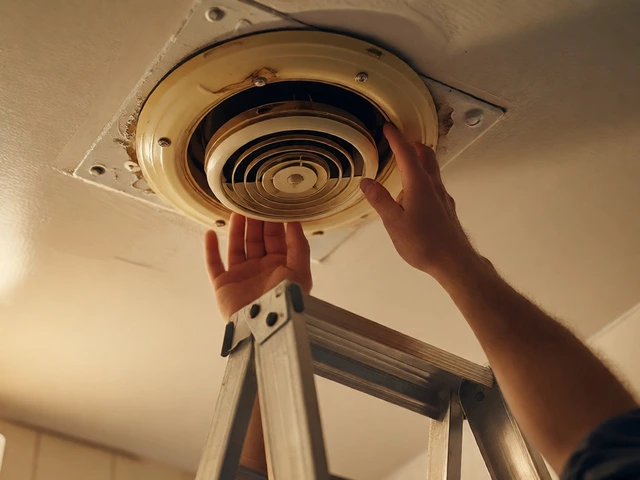
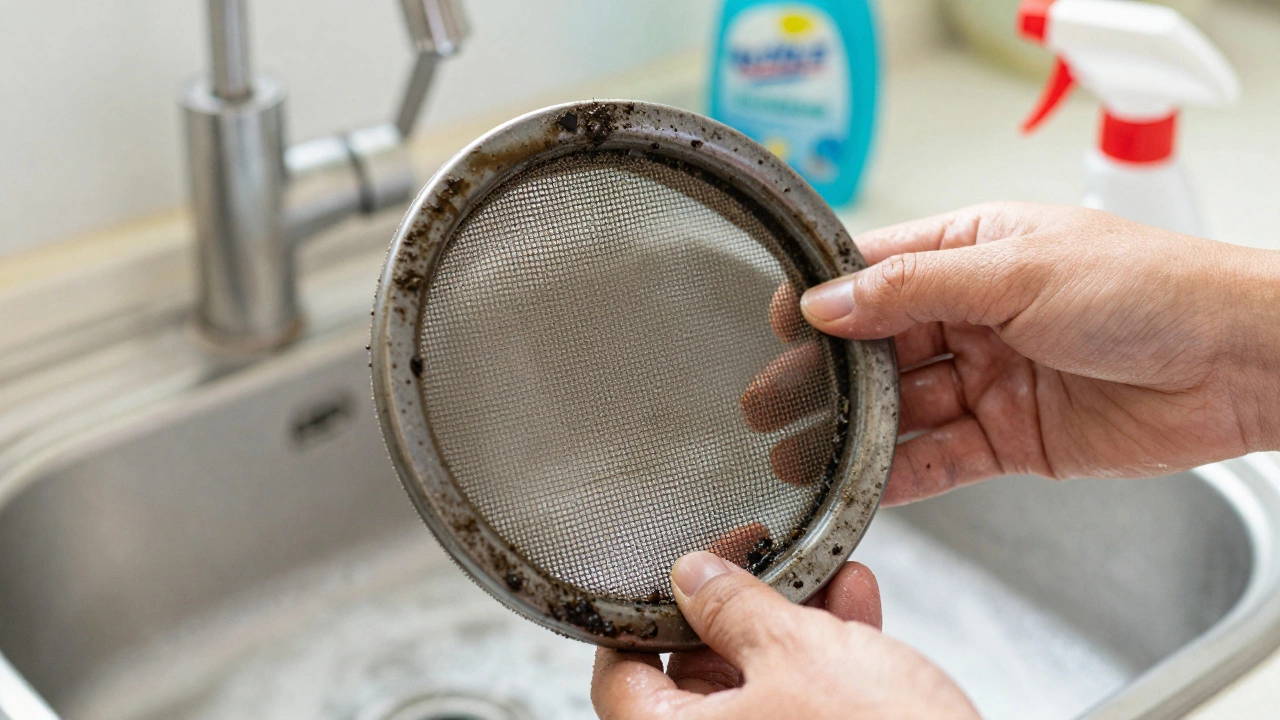
A blocked airflow path is the number one reason fans stop working efficiently or burn out. Think of it like trying to breathe through a wet towel. The motor strains, overheats, and eventually shuts down to protect itself. Open the front grille of the fan. You’ll likely find a mesh filter behind it. Remove it and inspect it. If it’s coated in grease (kitchen) or dust and mold spores (bathroom), that’s your culprit.
- Kitchen Fans: Grease builds up silently. Soak the metal mesh in hot soapy water with a degreaser. For plastic filters, use a mild detergent. Never put plastic filters in the dishwasher unless they are explicitly marked dishwasher-safe, as they can warp and crack.
- Bathroom Fans: These accumulate dust and hair. Vacuum the grille first, then wash the filter. Check the housing behind the filter for cobwebs. A thick layer of dust acts as insulation, trapping heat inside the motor.
While you’re at it, look at the exterior vent outside your house. Is it blocked by bird nests, leaves, or snow? In New Zealand, native birds love nesting in quiet, sheltered spots like exhaust vents. A blocked external vent creates back-pressure, stopping the fan from pushing air out. Clear any debris carefully.
The Motor: Stuck or Seized?
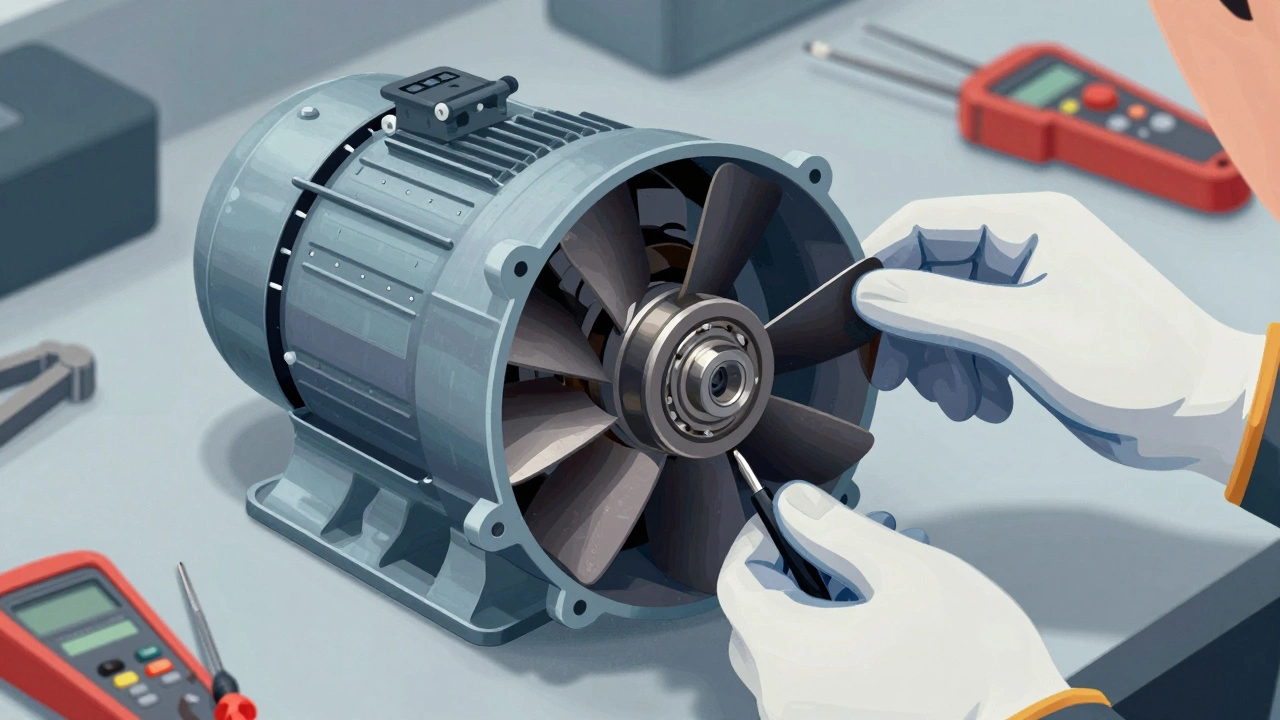
If the power is on, the filter is clean, and the vent is clear, but the fan still won’t spin, the motor might be seized. Over time, lubricants dry out, and dust accumulates on the bearings. Listen closely. Do you hear a humming sound? Humming means electricity is reaching the motor, but the shaft isn’t turning. This is a classic sign of a bad capacitor or a seized bearing.
You can try to free a stuck motor manually. With the power OFF, reach into the fan housing (if accessible) and gently try to spin the impeller blades by hand. They should spin freely. If they feel gritty or resist movement, the bearings are shot. If they spin freely but the motor still hums without turning, the start capacitor is likely dead. Capacitors are cheap parts. Replacing one is a straightforward task if you’re comfortable with basic electronics. Match the microfarad (µF) rating exactly. If the new capacitor doesn’t fix it, the motor windings are probably burnt out, and you’ll need a new motor or a new fan unit.
Wiring and Connections
Loose wires are a common cause of intermittent failure. Maybe the fan works sometimes and not others. This usually points to a loose connection. Again, with the power OFF, open the junction box where the fan connects to the house wiring. Check for loose screws on the terminal blocks. Tighten them securely. Look for signs of burning or melting on the wires. Blackened insulation means arcing has occurred, which is a fire hazard. If you see this, do not reconnect it. Replace the damaged section or hire a professional.
Also, check the internal wiring of the fan. Vibration from years of operation can loosen wire nuts or disconnect terminals inside the fan housing. Ensure all connections are tight and insulated. If you’re unsure about your ability to handle electrical connections, this is the point where you should stop and call a licensed electrician.
When to Call a Professional
There are limits to DIY repairs. If you’ve checked the power, cleaned the filters, freed the motor, and tightened the wires, and it still doesn’t work, the problem might be complex. Here are signs you need a pro:
- Burning Smell: If you smell burning plastic or insulation, unplug the unit immediately. This indicates an electrical fire risk.
- Sparking: Any visible sparks from the switch or the fan unit mean a serious fault.
- Complex Wiring: If your home has old knob-and-tube wiring or aluminum wiring, do not attempt repairs yourself. These require specialized knowledge.
- Roof Access Issues: If the external vent is on a steep roof or high up, don’t climb onto the roof to clear it. Hire someone with the right safety gear.
In Wellington, finding a reliable appliance repair technician is a skilled professional who diagnoses and fixes household mechanical and electrical issues. can save you time. Look for certified electricians or HVAC specialists. They have multimeters and thermal cameras to diagnose hidden faults quickly.
| Symptom | Likely Cause | DIY Fix Difficulty | Action Required |
|---|---|---|---|
| No power, no noise | Tripped breaker, loose wire, dead switch | Easy | Check breaker, test outlet, tighten wires |
| Humming but not spinning | Bad capacitor, seized bearing | Medium | Replace capacitor, lubricate bearings, or replace motor |
| Weak airflow | Clogged filter, blocked vent, dirty blades | Easy | Clean filter, clear external vent, wipe blades |
| Loud rattling noise | Loose grille, unbalanced blade, foreign object | Easy | Tighten screws, clean blades, remove debris |
| Burning smell | Overheated motor, electrical short | High (Danger) | Turn off power immediately, call electrician |
Maintenance Tips to Prevent Future Breakdowns
Prevention is cheaper than repair. Set a reminder on your phone to clean the extractor fan filter every three months. In kitchens, do it monthly if you cook heavily. Wipe down the exterior grille weekly to prevent grease buildup. Check the external vent twice a year, ideally in spring and autumn, to ensure no nests or debris are blocking it. Lubricate the motor bearings annually if your model allows it (check the manual). Using the right oil-usually SAE 20 non-detergent motor oil-keeps the motor running smoothly and quietly. Ignoring maintenance leads to premature failure, higher energy bills, and poor indoor air quality.
Why does my extractor fan smell like burning?
A burning smell usually indicates an overheating motor due to lack of lubrication, excessive grease buildup, or an electrical short circuit. Turn off the power immediately. If cleaning and lubricating doesn't resolve it within a few days, the motor may be failing and needs replacement by a professional.
Can I replace just the motor of my extractor fan?
Yes, in many cases. Motors are standardized components. However, you must match the voltage, wattage, and shaft size of the original motor. If your fan is very old, finding a matching motor might be difficult, making it more cost-effective to replace the entire unit.
How often should I clean my extractor fan filter?
For kitchen fans, clean the grease filter every month if you cook regularly. For bathroom fans, clean the dust filter every three to six months. Regular cleaning prevents airflow restriction and reduces strain on the motor.
Is it safe to run an extractor fan without a filter?
Technically yes, but it's not recommended. Without a filter, grease and dust enter the motor housing directly, causing rapid wear and potential fire hazards. It also allows pests to enter your home through the vent duct.
Why is my extractor fan noisy?
Noise often comes from loose grilles, unbalanced fan blades covered in uneven grease, or worn bearings. Tighten all screws, clean the blades thoroughly, and listen for grinding sounds. If the noise persists after cleaning, the bearings may need replacement.