Heat Pump Lifespan & Replacement Calculator
System Details
Repair Analysis (Optional)
Analysis Results
Key Takeaways
- Typical lifespan ranges from 10 to 20 years depending on the type and brand.
- Regular maintenance can push a unit toward the 20-year mark.
- Coastal environments and extreme weather shorten the hardware's life.
- Replacing a unit after 15 years often saves money on monthly energy bills.
The Realistic Lifespan Numbers
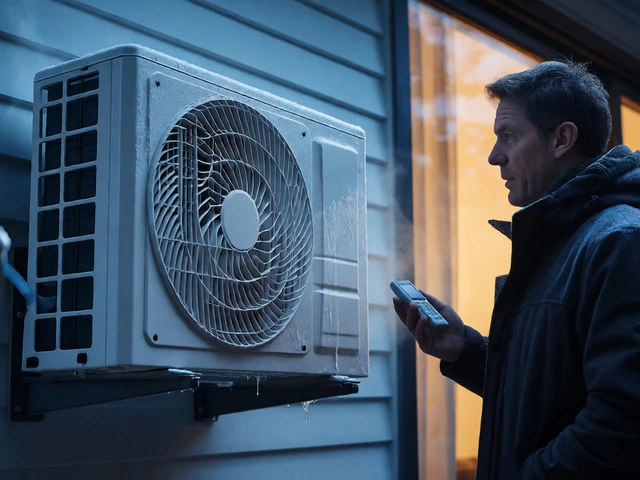
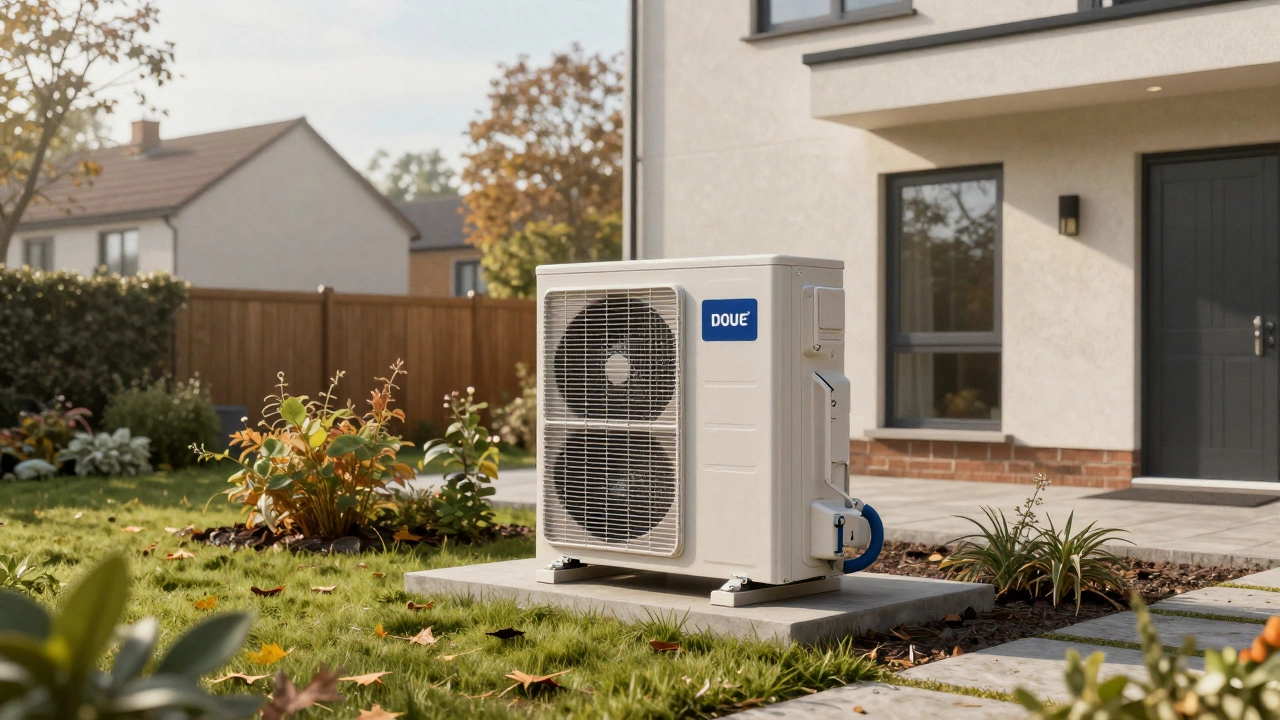
When we talk about how long these systems last, we have to distinguish between the different parts. A Heat Pump is an energy-efficient HVAC system that moves heat rather than generating it, utilizing a refrigerant cycle to heat or cool a space. It consists of an outdoor unit and an indoor air handler.
Generally, a well-maintained air-source system lasts between 10 and 15 years. However, if you've invested in a high-end model and stayed on top of the service schedule, hitting 20 years isn't unheard of. Ground-source systems, also known as Geothermal Heat Pumps, are a different beast entirely. Because the underground loops are protected from the elements, they can last 25 years or more, though the indoor compressor unit will still likely need replacing around the 20-year mark.
| System Type | Average Lifespan | Key Failure Point | Maintenance Need |
|---|---|---|---|
| Air-Source (Standard) | 10-15 Years | Outdoor Compressor | High (Annual) |
| Mini-Split (Ductless) | 12-15 Years | Refrigerant Leaks | Medium |
| Geothermal (Ground-Source) | 20-25 Years | Indoor Heat Exchanger | Low |
What Actually Kills Your Heat Pump?
It's rarely one big event that kills a system; it's usually a slow grind of wear and tear. The Compressor is the heart of the machine. It's a heavy-duty pump that compresses refrigerant gas. When it works too hard-perhaps because the filters are clogged or the outdoor coils are covered in dirt-it overheats. Over time, this heat degrades the internal lubricants and leads to mechanical failure.
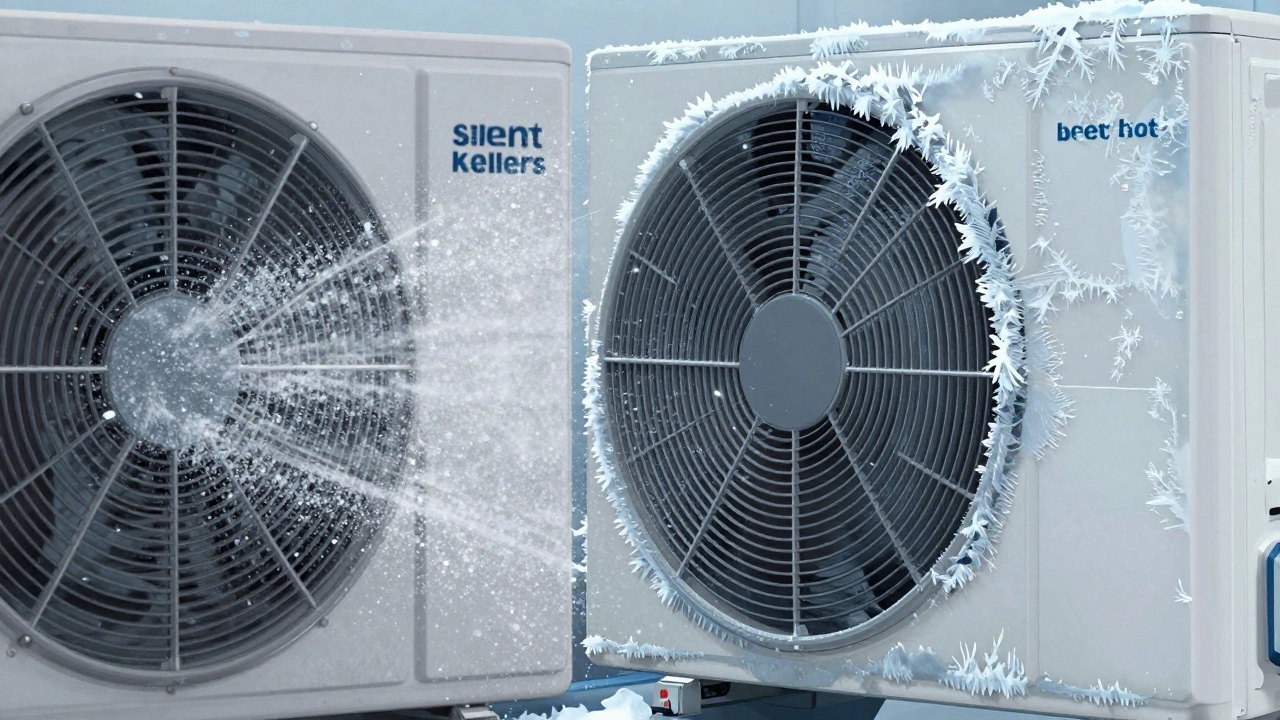
Then there's the environment. If you live near the ocean, salt air is a silent killer. It corrodes the aluminum fins on the outdoor unit, which restricts airflow and forces the system to run hotter. In colder climates, ignoring the Defrost Cycle can be fatal. If ice builds up on the coils and the system can't clear it, the compressor can freeze up or burn out trying to push air through a block of ice.
Finally, there's the issue of Refrigerant leaks. Most older units use R-22, which is now phased out. If a leak develops in an old system, the cost of finding the leak and buying the expensive, scarce gas often exceeds the value of the machine itself. This is usually the point where a repair becomes a replacement.
Signs You're Nearing the End of the Road
You don't have to wait for the system to stop working entirely to know it's dying. There are subtle clues that your unit is struggling. First, look at your energy bills. If you notice a steady increase in power consumption year-over-year while your usage habits remain the same, the system is likely losing efficiency. It's working harder to produce the same amount of heat.
Listen for the sounds. A healthy unit hums. A dying unit clanks, screeches, or makes a loud buzzing sound. These are often signs that the bearings in the fan motor are shot or the compressor is struggling to start. Also, keep an eye on the air coming out of your vents. If the air feels lukewarm even when the thermostat is cranked up, you likely have a failing component or a major refrigerant leak.
How to Stretch the Lifespan to 20 Years
You can't stop physics, but you can slow them down. The biggest mistake people make is treating a heat pump like a light switch-they only think about it when it stops working. To get the most out of your investment, you need a proactive strategy.
Start with the filters. A clogged filter isn't just bad for your air quality; it creates static pressure that puts immense strain on the blower motor. Change them every 30 to 90 days. If you have pets, do it more often. When the air can't move, the system overheats, and that's how you shave five years off your lifespan.
Next, clear the perimeter. Your outdoor unit needs to breathe. If you've planted a hedge too close to the unit or let leaves pile up around the base, you're choking the machine. Keep a two-foot clear zone around the entire unit. A quick spray with a garden hose (not a pressure washer!) once a year to remove pollen and dust from the coils can significantly reduce the load on the compressor.
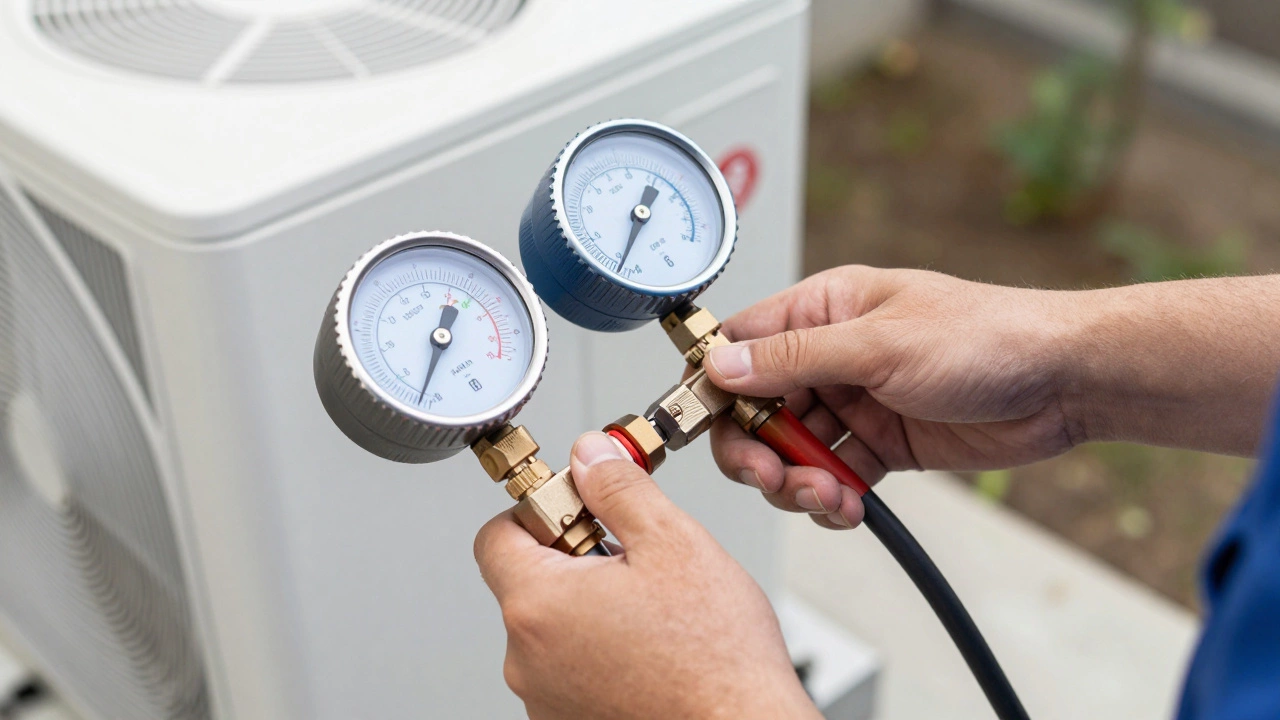
Don't skip the professional tune-up. A technician using a Manifold Gauge Set can check if your refrigerant levels are correct. A system that is slightly undercharged runs longer and hotter to meet the temperature goal, which wears out the internal components much faster than a perfectly charged system.
Repair vs. Replace: The Decision Matrix
So, your 12-year-old unit just stopped working. Do you fix it or replace it? Use the "50% Rule." If the cost of the repair is more than 50% of the cost of a new unit, replace it. But there's another factor: the efficiency gap. A unit from 2010 is vastly less efficient than a 2026 model. You might spend $1,000 on a repair today, but you'll spend $400 more per year in electricity over the next five years.
If you have a Variable-Speed Compressor, these are more expensive to fix but much more efficient. If a standard single-stage compressor dies in a 15-year-old unit, it's almost always time to upgrade. The labor cost alone to swap a compressor often makes a new installation more attractive, especially with modern government rebates for high-efficiency upgrades.
Does the brand of the heat pump affect its lifespan?
Yes, brand and build quality matter. High-end brands often use thicker copper tubing and higher-grade compressors that handle pressure spikes better. However, a cheap brand that is perfectly maintained will almost always outlast an expensive brand that is ignored. Installation quality is actually more important than the brand; a poorly installed high-end unit will fail prematurely due to improper refrigerant charging or poor airflow.
Will using my heat pump for both heating and cooling wear it out faster?
Not necessarily. Heat pumps are designed for year-round use. What actually causes wear is the number of "cycles" (starting and stopping). If your thermostat is set to a very tight range, the system will click on and off constantly, which wears out the compressor. Setting a more relaxed temperature range helps the unit run in longer, steadier cycles, which is much easier on the hardware.
Can I extend the life of my unit by adding a backup heater?
Absolutely. In very cold climates, a heat pump has to work overtime to extract heat from freezing air. Adding Auxiliary Heat (like electric heat strips or a gas furnace) allows the heat pump to shut down or slow down when the temperature drops below a certain point. This prevents the compressor from running at maximum capacity in extreme conditions, which significantly extends its life.
How does the indoor air handler affect the lifespan?
The indoor unit manages the airflow. If the blower motor is struggling because of dirty ducts or a blocked vent, it creates backpressure. This forces the outdoor unit to work harder to move the refrigerant. If your indoor unit is failing, it can actually drag down the lifespan of your outdoor compressor by making the whole system inefficient.
Is it true that geothermal systems last longer?
Yes, because the heat exchange happens underground where the temperature is constant (around 50-55°F or 10-13°C). This means the system doesn't have to fight extreme outdoor temperature swings. The pipes in the ground can last 50+ years, though the mechanical pump and indoor components still follow a more standard 20-year replacement cycle.
What to do next
If your system is over 10 years old, your first step should be a comprehensive health check. Don't just ask if it's "working"; ask for a report on the refrigerant levels and the amperage draw of the compressor. This data tells you if the unit is struggling or coasting.
For those in high-corrosion areas, consider applying a specialized anti-corrosion coating to the outdoor coils. This can be a game-changer for units near the coast. If you're already seeing signs of failure, start shopping for replacements now rather than in the dead of winter. You'll get better installation prices and won't be forced to choose the only unit the contractor has in stock during a cold snap.