Washing Machine Repair vs. Replace Calculator
The 50% Rule: If the repair cost is more than 50% of the price of a comparable new machine, you should generally replace it.
Enter values to see if you should
Repair or Replace
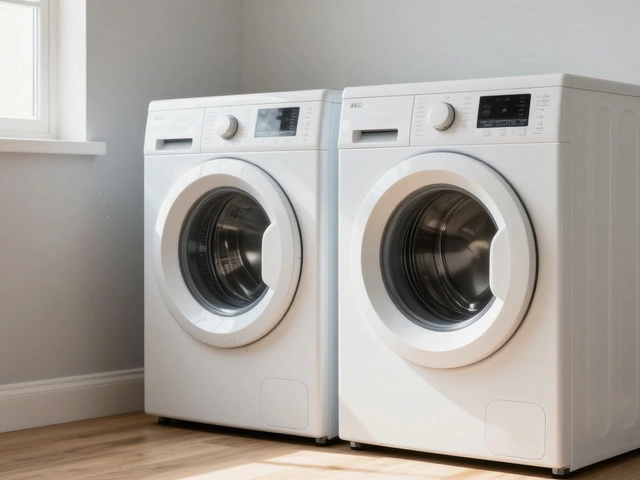
You stand in front of your washing machine. It’s making that grinding noise again-the one that sounds like it’s chewing on gravel. You check the date on the receipt in your drawer. It’s been eight years. Is it time to buy a new one, or is this just another hiccup you can fix for $150?
This is the question every homeowner faces eventually. Appliances don’t come with expiration dates stamped on the back, but they do have an expected service life. Knowing how long a washing machine is a household appliance designed to clean clothes using water and detergent through mechanical agitation or tumbling should last helps you make smarter financial decisions. It stops you from throwing good money after bad on a dying unit, and it saves you from replacing a perfectly healthy machine because of a minor glitch.
The Average Lifespan of Modern Washing Machines
If you want a straight answer without the fluff: most modern washing machines last between 10 and 14 years. That is the sweet spot where the cost of repairs usually starts to outweigh the benefit of keeping the old unit running. However, "average" is a tricky word. A high-end European brand might hit 20 years, while a budget model bought during a sale might struggle to reach five.
The type of machine matters significantly here. Front-loaders generally outlast top-loaders. Why? Because front-loaders use less water and spin faster, which puts different kinds of stress on the components, but their sealed doors also mean fewer leaks into the cabinet over time. Top-loaders with agitators (the big post in the middle) tend to wear out their transmission gears faster due to the violent twisting motion required to move clothes around.
In New Zealand, where we deal with hard water in many regions like Wellington and Christchurch, mineral buildup can eat away at internal components faster than in areas with soft water. This environmental factor can shave a year or two off the average lifespan if you aren't proactive about maintenance.
Signs Your Washing Machine Is Near the End
You don’t need to be an engineer to tell when an appliance is gasping its last breath. There are clear warning signs that suggest the end is near. If you ignore these, you risk flooding your laundry room or ruining a load of expensive linen.
- Excessive vibration and noise: If your machine walks across the floor or sounds like a jet engine taking off, the suspension springs or shock absorbers are likely shot. On an older machine, this often signals bearing failure, which is a costly repair.
- Frequent error codes: Modern machines talk to you. If you’re seeing error codes for drain issues or temperature sensors more than once a month, the control board or sensors are failing. These electronic parts degrade over time.
- Leaks that won’t stop: A small drip under the door seal is normal occasionally. But if you find puddles forming regularly, the tub seal or pump hose has cracked. Replacing these is labor-intensive.
- Clothes coming out dirty: If your whites are turning grey despite fresh detergent, the drum bearings might be worn, preventing proper spinning, or the inlet valves are clogged with sediment.
If your machine is over 10 years old and showing two or more of these symptoms, replacement is usually the wiser choice. The technology in new models is also vastly superior in terms of water efficiency and gentleness on fabrics.
Repair vs. Replace: The 50% Rule
One of the biggest debates in appliance ownership is whether to fix or flip. I use a simple heuristic called the 50% rule. If the cost of the repair is more than 50% of the price of a comparable new machine, you should replace it.
Let’s look at some real-world scenarios. Say your washing machine is 8 years old. The motor fails. A new motor plus labor costs $600. A decent new mid-range washer costs $1,200. Since $600 is exactly 50% of $1,200, you’re on the fence. But consider this: the new machine comes with a warranty, uses 30% less water, and will likely last another decade. The old machine, even with a new motor, still has aging belts, hoses, and seals. In this case, buying new makes sense.
Now, imagine the same 8-year-old machine needs a new door latch. That costs $80. That’s well below the 50% threshold. Fix it immediately. It’s a quick win that extends the life of the machine for minimal cost.
| Issue | Average Repair Cost (NZD) | Likelihood of Recurrence | Recommendation |
|---|---|---|---|
| Door Seal Leak | $150 - $250 | Low | Repair |
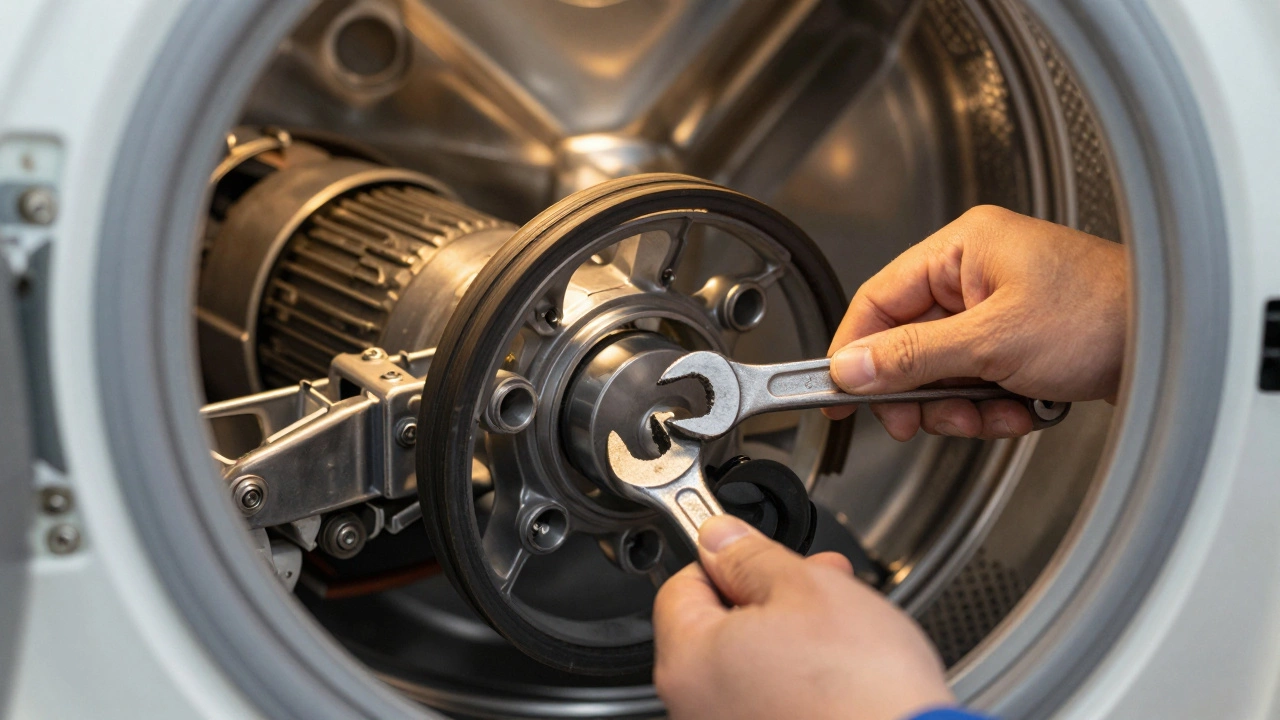
| Dryer Drum Bearing Failure | $400 - $600 | High (if other parts are old) | Replace if >10 years old |
| Control Board Malfunction | $300 - $500 | Medium | Repair if <8 years old |
| Pump Clog/Failure | $100 - $200 | Low | Repair |
| Transmission Gearbox Failure | $500 - $700 | High | Replace |
Note that prices here reflect current market rates in New Zealand for professional service. DIY repairs save on labor but carry the risk of further damage if you’re not experienced.
How to Extend the Life of Your Washing Machine
You can absolutely push your machine past the 10-year mark. Some people get 15 or even 20 years out of their units. The difference isn’t luck; it’s maintenance. Most premature failures are caused by neglect, not manufacturing defects.
Start with the basics. Clean the filter. Every three months, pull out the lint filter located at the bottom front of the machine. If this gets clogged, the pump works harder, overheats, and eventually burns out. It takes five minutes and requires no tools.
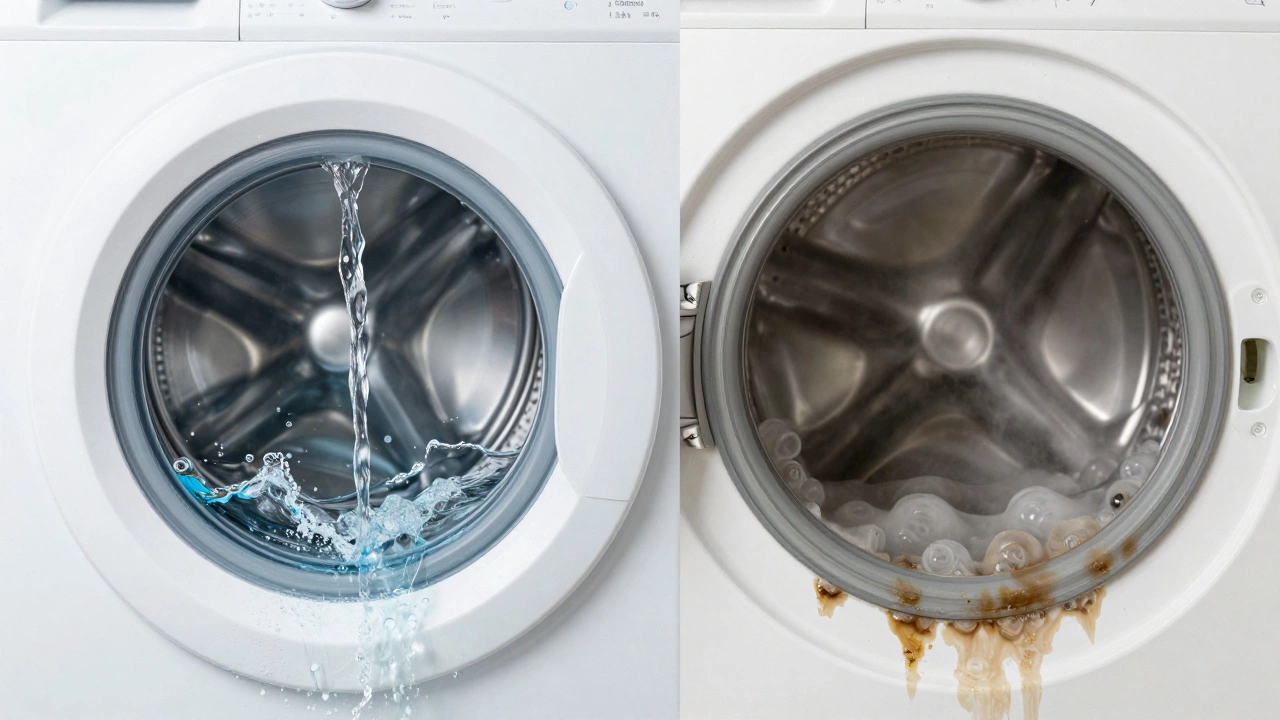
Leave the door open. This is crucial for front-loaders. After every wash, prop the door ajar. Moisture trapped inside creates mold and mildew, which eats away at rubber seals and gaskets. In humid climates like Wellington, this step is non-negotiable. Moldy seals leak, and leaking seals rot the wooden cabinetry underneath.
Use the right amount of detergent. We tend to overuse detergent, thinking more suds mean cleaner clothes. Actually, excess soap creates residue that builds up in the drum and hoses. This sludge restricts water flow and forces the pump to work overtime. High-efficiency (HE) detergents are formulated to produce fewer suds specifically for modern machines. Stick to the recommended dosage on the bottle.
Balance your loads. Don’t throw in a single heavy towel or a bulky duvet alone. Unbalanced loads cause excessive vibration, which stresses the suspension system and bearings. Over time, this vibration loosens bolts and cracks plastic components. Distribute heavy items evenly around the drum.
Brand Reliability and Build Quality
Not all washing machines are created equal. The brand you choose plays a huge role in how long the machine lasts. Generally, brands that focus on durability over flashy features tend to outperform those chasing the latest smart-home trends.
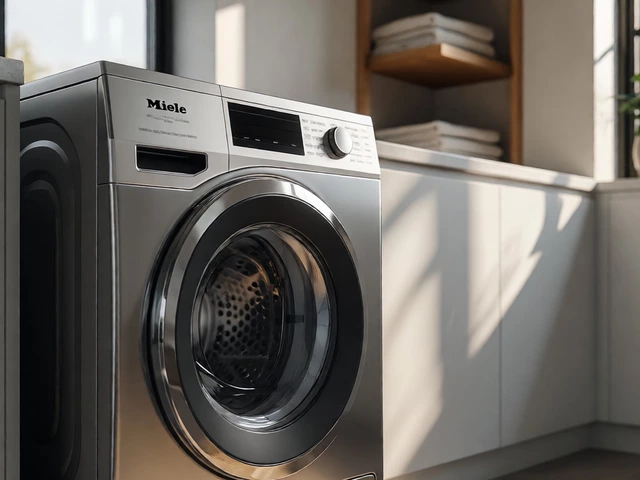
European brands like Miele and Bosch are known for their robust build quality. They use stainless steel drums and higher-grade motors. These machines cost more upfront-often double the price of a budget model-but they frequently last 15-20 years. For many users, the total cost of ownership is lower because they never have to replace the machine twice.
Japanese brands like Panasonic and Hitachi offer a strong balance of reliability and value. They are engineered for efficiency and tend to have fewer electronic glitches compared to some American brands. Their parts are widely available, making repairs easier when needed.
Budget brands found in big-box stores often cut corners on materials. They might use plastic gears instead of metal, or thinner gauge steel for the drum. These machines are fine for renters or those on a tight budget, but expect them to last closer to the 8-year mark. When they break, parts may be harder to source, pushing you toward replacement sooner.
The Impact of Water Quality and Hardness
In New Zealand, water hardness varies significantly by region. Cities like Wellington and Auckland have moderately hard water, while areas inland can have very hard water. Hard water contains high levels of calcium and magnesium minerals. When heated, these minerals precipitate out as limescale.
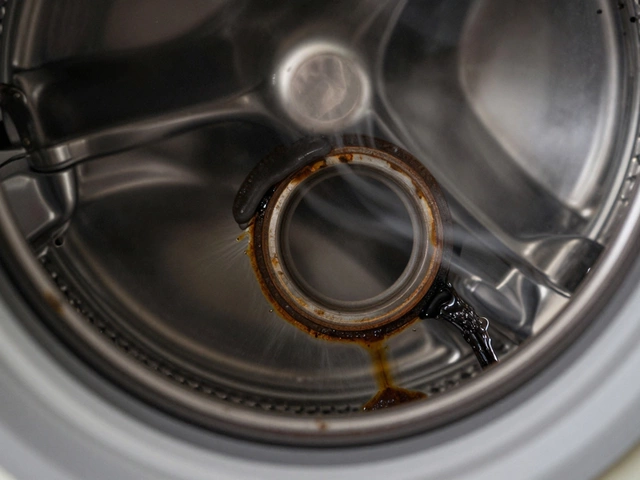
Limescale is the enemy of washing machines. It coats the heating element, reducing efficiency and causing it to burn out prematurely. It also clogs the water inlet valves and drains. If you live in a hard water area, installing a water softener is one of the best investments you can make for your appliances. Alternatively, run a vinegar cycle once a month to help dissolve mineral buildup.
Check your local council’s water report. Many councils publish annual water quality reports online. If the hardness level is above 150 ppm (parts per million), take extra care with your machine’s maintenance routine.
When to Call a Professional
Sometimes, DIY fixes aren’t enough. If your machine is leaking internally, making strange electrical noises, or displaying complex error codes, it’s time to call a professional technician. Attempting to fix electrical issues without proper training can be dangerous and void any remaining warranty.
A qualified technician can diagnose issues quickly. They have access to specialized tools and genuine parts. More importantly, they can give you an honest assessment of whether the machine is worth saving. Don’t be afraid to ask for a second opinion if the first quote seems exorbitant.
Keep a record of all repairs. If you’ve spent $300 on repairs in the last two years, that’s a sign the machine is becoming unreliable. Add that cost to the potential future repairs, and the math often favors buying new.
Is it worth repairing a 12-year-old washing machine?
Generally, no. At 12 years old, most components are nearing the end of their natural lifespan. Even if you fix one issue, another part is likely to fail soon. Unless the repair is very cheap (under $100), it’s usually better to invest in a new, energy-efficient model.
Do front-load washing machines last longer than top-loaders?
Yes, typically. Front-loaders are designed with simpler mechanical systems and use less water, which reduces strain on components. However, they require more diligent maintenance, such as cleaning the door seal and leaving the door open to prevent mold.
How can I tell if my washing machine motor is failing?
Signs include a humming sound without movement, burning smells, or the machine stopping mid-cycle. If the drum spins slowly or struggles to start, the motor brushes or capacitor may be worn out. This is a serious issue that usually requires professional diagnosis.
Does using cold water extend the life of a washing machine?
Yes. Heating water requires energy and stresses the heating element, which is one of the most common points of failure. Using cold water cycles whenever possible reduces wear on the heater and saves electricity. Modern detergents are effective in cold water.
What is the most common reason washing machines fail early?
Neglect is the biggest culprit. Failing to clean filters, using too much detergent, and ignoring small leaks lead to major breakdowns. Regular maintenance can easily add 3-5 years to a machine’s life.