Water Heater Repair vs. Replace Calculator
Enter your water heater details below to get a recommendation based on industry standards.
Lifespan Analysis
Expected Lifespan:
Remaining Life Estimate:
Potential Savings
New Unit Efficiency Gain:
~25% Energy Reduction
Estimated Annual Savings:
Imagine turning on the shower for your morning routine, only to be greeted by a stream of ice-cold water. It’s not just uncomfortable; it ruins your day before it even starts. This scenario usually points to one culprit: an aging water heater. But how long should this essential appliance actually last? The short answer depends heavily on the type you own, but generally, traditional tank models give you about 8 to 12 years, while tankless systems can push past 20 years with proper care.
Knowing when to repair and when to replace saves you from unexpected leaks, skyrocketing energy bills, and the stress of emergency plumbing calls. Let’s break down exactly what determines your unit’s lifespan and how you can squeeze every last drop of efficiency out of it.
Understanding Water Heater Types and Lifespans
Not all hot water systems are created equal. The technology inside dictates how long the hardware survives daily wear and tear. If you’re trying to figure out if your current setup is overdue for retirement, start by identifying which category it falls into.
| Water Heater Type | Average Lifespan | Key Factors Affecting Life |
|---|---|---|
| Traditional Tank (Gas/Electric) | 8-12 years | Sediment buildup, anode rod corrosion, temperature settings |
| Tankless (On-Demand) | 15-20+ years | Mineral scaling, flow rate demands, maintenance frequency |
| Heat Pump Hybrid | 10-15 years | Air filter cleanliness, ambient temperature, compressor health |
| Solar Thermal | 20-30 years (panels), 10-15 (tank) | Weather exposure, freeze protection, backup system usage |
The traditional tank water heater is the most common residential unit, storing heated water in an insulated steel vessel. Because it constantly holds gallons of water, the interior faces relentless pressure and heat cycles. This environment accelerates corrosion, making the tank itself the weakest link. Once that steel shell rusts through, there is no repair-only replacement.
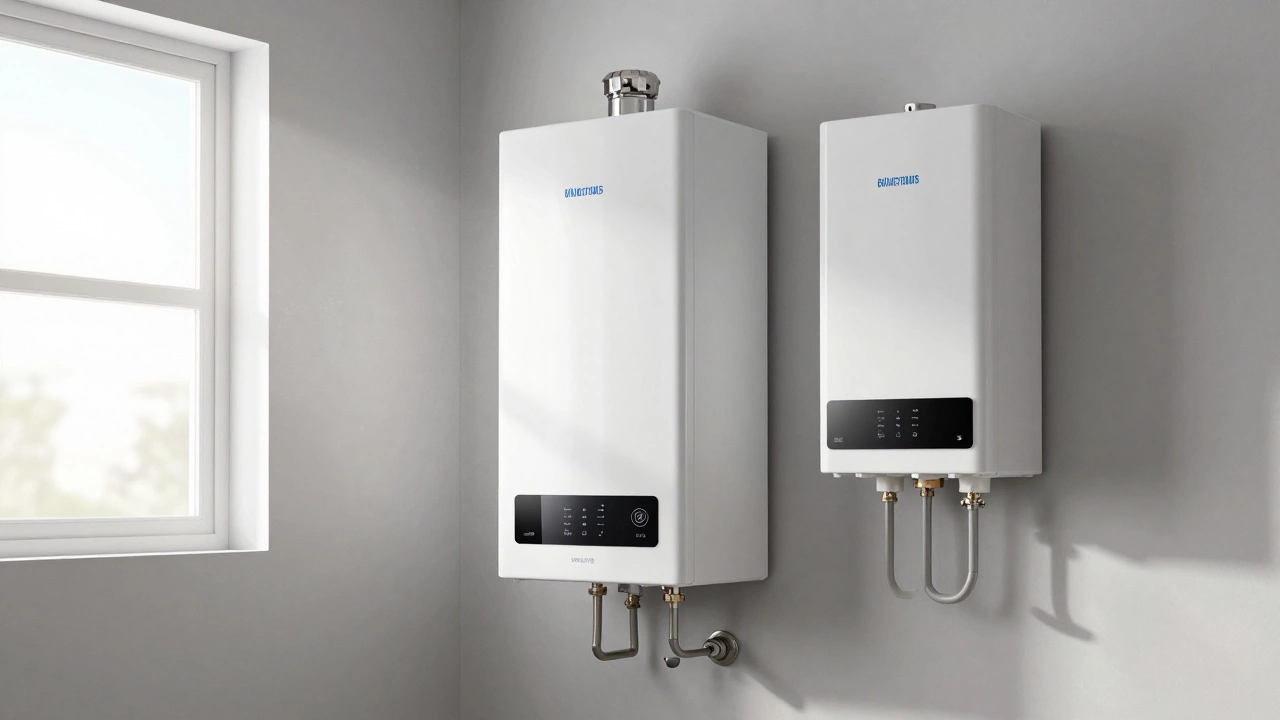
In contrast, tankless water heaters are compact units that heat water directly as it flows through the device, eliminating the need for storage tanks. Without a large reservoir sitting idle, they avoid the stagnation issues that plague tank models. However, they face their own enemy: mineral scale. In areas with hard water, calcium builds up on the heat exchanger, reducing efficiency and eventually causing overheating failures if not flushed regularly.
Why Do Water Heaters Fail Early?
If your manual says “expect 10 years” but your unit dies at year five, something went wrong. It’s rarely bad luck; it’s usually neglect or environmental factors. Understanding these killers helps you protect your investment.
Hard Water and Sediment Buildup
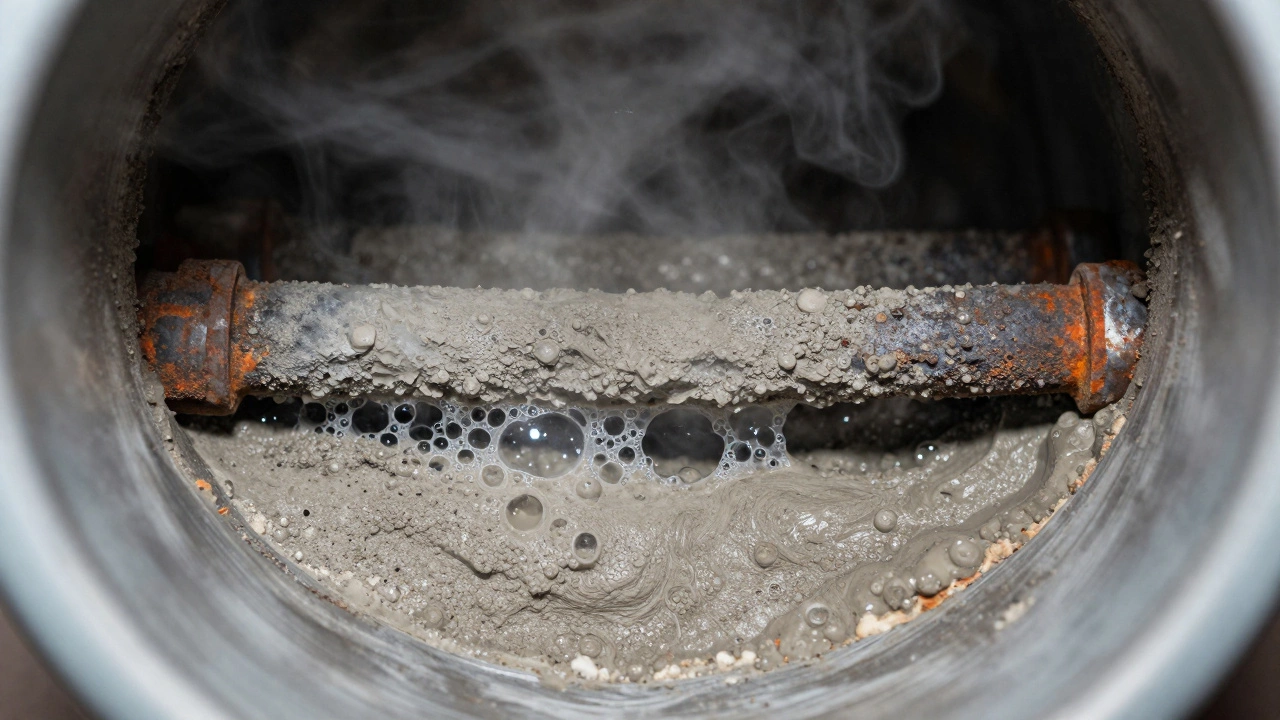
This is the number one reason water heaters die young. As water sits in the tank, minerals like calcium and magnesium settle at the bottom. Over time, this layer acts as an insulator between the burner (or heating element) and the water. The result? Your unit has to work harder and run hotter to achieve the same temperature. This extra heat cooks the sediment, creating a hard crust that can crack the tank floor or burn out electric elements prematurely.
Anode Rod Neglect
Inside every standard tank water heater is a sacrificial component called an anode rod is a metal rod made of magnesium or aluminum designed to corrode instead of the tank walls. Think of it as a bodyguard. It attracts corrosive elements in the water, sacrificing itself to save the steel tank. Most homeowners never check this rod. When it fully depletes-often around year 4 to 6-the corrosion attacks the tank directly. Replacing an anode rod costs a fraction of a new unit and can add several years to its life.
Temperature and Pressure Settings
Running your water heater at maximum capacity (160°F or higher) puts immense stress on internal components. High temperatures accelerate sediment hardening and increase pressure within the closed system. Most experts recommend setting the thermostat to 120°F. This is hot enough for sanitation and comfort but cool enough to reduce scaling and energy waste. Similarly, high static water pressure from your municipal supply can strain the tank seams over time. Installing a pressure regulator ensures your heater isn’t fighting against excessive force.
Signs Your Water Heater Is Dying
You don’t always have to wait for a catastrophic leak to know your unit is failing. There are subtle warning signs that appear months or even years before total collapse. Catching them early allows you to plan a replacement rather than panic-buying after a flood.
- Popping or Rumbling Noises: If your tank sounds like popcorn popping, it’s likely due to steam bubbles escaping under layers of sediment. This indicates significant buildup and reduced efficiency.
- Rusty or Discolored Water: If hot water comes out brownish while cold water remains clear, the internal tank may be rusting. This is a critical sign that the protective lining has failed.
- Fluctuating Water Temperature: If showers go scalding hot then suddenly cold, the heating elements or gas valves may be failing, or sediment is blocking proper water flow.
- Leaks Around the Base: Small condensation is normal, but pooling water suggests a pinhole leak in the tank or a failing connection. Tank leaks cannot be patched permanently.
- Frequent Repairs: If you’ve called for service more than twice in the last year, the cost of parts and labor often exceeds the value of keeping an old unit running.
Maintenance Tips to Extend Lifespan
You can’t stop time, but you can slow down decay. Regular maintenance is the difference between a unit that lasts eight years and one that lasts twelve. Here is a practical checklist to keep your system healthy.
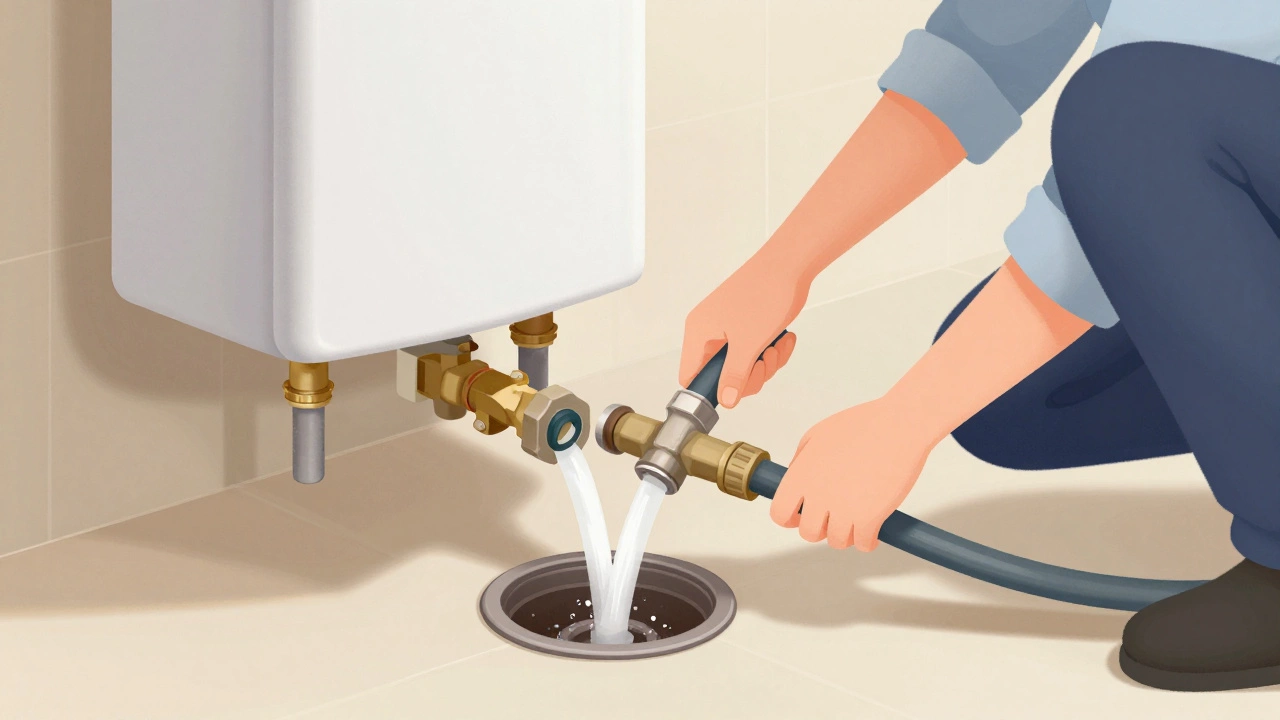
- Flush the Tank Annually: Attach a garden hose to the drain valve at the bottom of the tank and direct it to a floor drain. Open the valve and let water flow until it runs clear. This removes loose sediment before it hardens. For severe buildup, a professional flush with vinegar or descaling solution may be needed.
- Inspect the Anode Rod Every 3 Years: Drain a few gallons of water, remove the plug at the top of the tank, and pull out the rod. If it’s covered in thick corrosion or less than half an inch of core wire remains, replace it immediately. Magnesium rods last longer in soft water; aluminum or zinc-aluminum hybrids work better in hard water.
- Check the Temperature-Pressure Relief Valve: Lift the lever on the T&P valve once a year to ensure it opens freely. This safety device prevents explosions if pressure gets too high. If it leaks continuously, replace it.
- Insulate Older Tanks: If your unit lacks factory insulation, wrapping it in a blanket reduces heat loss. This lowers energy bills and reduces the cycling frequency of the burner or elements, extending their life.
- Monitor Pilot Light Color (Gas Units): A blue flame means efficient combustion. A yellow or orange flame indicates incomplete burning, which produces carbon monoxide and soot. Call a technician to clean the burner assembly.
Repair vs. Replace: Making the Right Call
When your water heater starts acting up, the immediate instinct is often to fix it. After all, a new unit costs hundreds or thousands of dollars. But is repair always the smarter financial move? Not necessarily.
Use this simple rule of thumb: If the unit is older than 8 years and the repair cost exceeds $200, lean toward replacement. Newer models are significantly more energy-efficient. Upgrading from an old standard-efficiency tank to a modern high-efficiency or hybrid model can cut your energy bill by 20-30%. Over five years, those savings might offset the initial purchase price.
Consider also the availability of parts. Manufacturers discontinue support for older models. If you need a specific control board or heating element that’s no longer made, you’re looking at custom fabrication or waiting weeks for delivery. In such cases, replacement is the only viable option.
Finally, think about your household’s needs. Are you expecting more guests? Adding bathrooms? An undersized unit struggling to keep up might be worth upgrading to a larger capacity or a tankless system that provides endless hot water.
Choosing the Right Replacement
When the time comes to buy a new water heater, don’t just grab the cheapest box on the shelf. Match the technology to your lifestyle and home infrastructure.
For most families, a standard 40-50 gallon gas or electric tank remains the best balance of upfront cost and reliability. Gas units heat faster and operate cheaper in regions with natural gas access. Electric units are easier to install and safer in terms of combustion risks.
If space is tight or you want lower operating costs, consider a heat pump water heater is a highly efficient system that moves heat from the surrounding air into the water tank. These can be three times more efficient than standard resistance heaters. However, they require adequate ventilation and perform poorly in freezing garages or closets.
Tankless systems are ideal for homes with low-to-moderate hot water demand. They save space and eliminate standby heat loss. But beware: if you have multiple bathrooms used simultaneously, a single tankless unit might struggle to meet peak demand unless properly sized.
Frequently Asked Questions
Can I extend the life of my water heater without professional help?
Yes, basic maintenance like flushing the tank and checking the temperature setting can be done by homeowners. However, inspecting the anode rod and testing the pressure relief valve requires some technical knowledge. If you’re unsure, hire a licensed plumber to perform an annual inspection.
Is it worth repairing a 10-year-old water heater?
Generally, no. At 10 years, a tank water heater is near or past its expected lifespan. Minor repairs might delay failure, but major issues like tank leaks or burner failures signal that replacement is more cost-effective in the long run.
How does water hardness affect water heater lifespan?
Hard water contains high levels of calcium and magnesium, which precipitate out as sediment. This buildup insulates heating elements, causes overheating, and accelerates corrosion. In very hard water areas, installing a water softener or using polyphosphate filters can significantly extend heater life.
What is the most common cause of premature water heater failure?
Sediment buildup leading to tank corrosion is the leading cause. When the anode rod is depleted and sediment coats the tank bottom, the steel walls begin to rust. Once the integrity of the tank is compromised, leaks occur, necessitating full replacement.
Should I switch from a tank to a tankless water heater?
Switching makes sense if you want energy savings, endless hot water, and have limited space. However, installation costs are higher, and retrofits may require upgrading gas lines or electrical panels. Evaluate your household’s simultaneous hot water usage patterns before deciding.