Washing Machine Repair vs. Replace Calculator
Use this tool to assess the health of your washer. Input your machine details, symptoms, and repair quotes to see if it passes the economic threshold.
1. Machine Details
2. Condition & Costs
Reported Issues (Check all that apply)
Analysis Result
Lifespan Expectation:
Financial Breakdown:
Did You Know?
A 50% Rule: Industry standards suggest buying new if the repair cost exceeds half the price of a new machine.
If you're standing in your laundry wondering whether to fix that noisy drum or buy a new unit, you aren't alone. Most homeowners in Wellington ask me this exact question when their laundry day starts smelling like wet carpet.
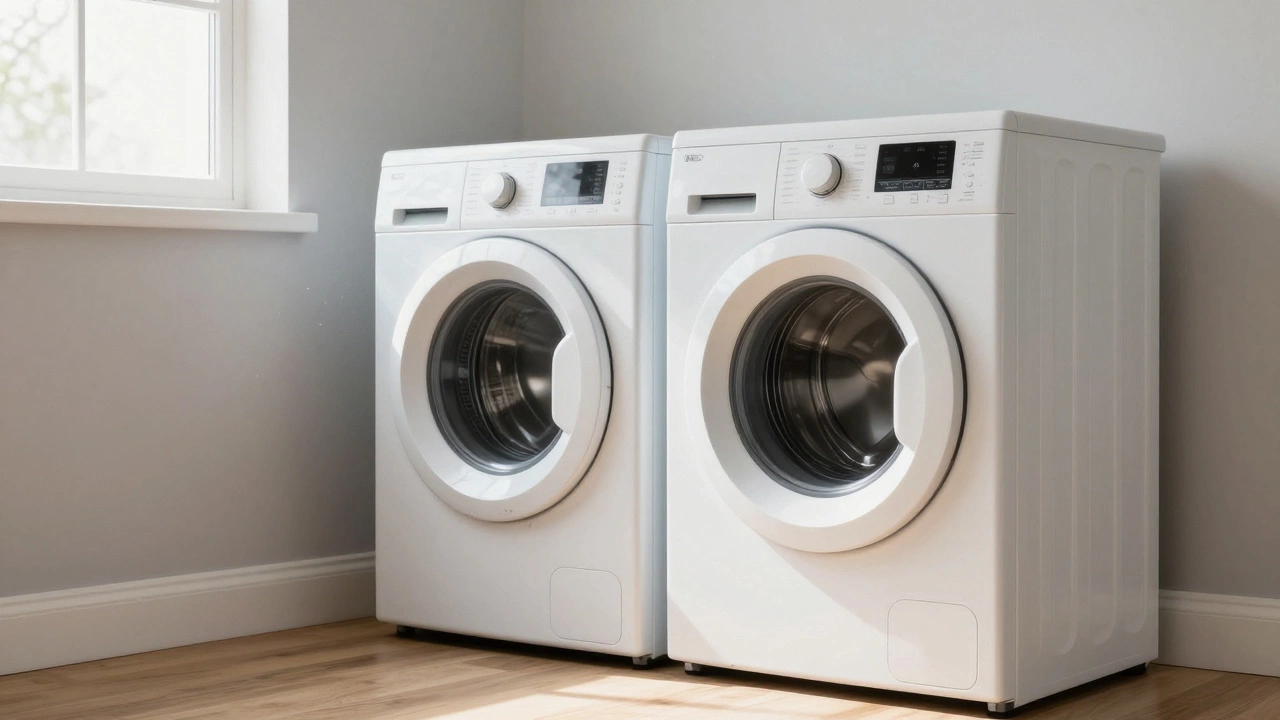
The short answer? A standard washing machine is a mechanical device designed for laundering clothes. In terms of longevity, most units last between 10 and 15 years before major components start failing frequently. However, hitting that mark isn't guaranteed. Some get replaced after five years due to neglect, while heavy-duty commercial models can push past two decades.
Understanding Your Machine's Expected Life
When we talk about how long a washer lasts, we are really talking about the average useful life versus the functional breakdown point. You need to distinguish between the two types of washing machines found in almost every New Zealand home, as their failure modes differ completely.
A top-loader generally uses more water and relies on a simple agitator or impeller mechanism. These machines are robust but less efficient. They often survive longer because there are fewer complex electronic sensors to burn out. Conversely, high-end front-loaders are sealed tighter to save water, creating a vacuum effect. This design traps moisture in rubber seals and bearings over time.
| Type | Budget Model | Premium Model | Frequent Failure Points |
|---|---|---|---|
| Top Load (Impeller) | 8 - 10 years | 12 - 15 years | Hose clamps, Lid switch, Transmission |
| Front Load (Drum) | 7 - 9 years | 10 - 14 years | Door seal mold, Vibration dampeners, Heater element |
Notice the gap between budget and premium models. A higher price tag usually pays for better tolerances in the motor and stronger insulation against vibration. If you bought a cheap budget unit three years ago that vibrates like an earthquake, don't expect it to hit the ten-year mark. Those vibrations stress the chassis and loosen mounting screws quickly.
Signs Your Washer Has Reached the End
Sometimes you know instinctively something is wrong. The noise changes, cycles take longer, or water doesn't drain right. But knowing the difference between a minor fix and a death knell is crucial. We look for specific symptom clusters during diagnostic checks.
- Strange Squealing or Grinding: This usually comes from the tub bearing assembly. If the inner drum wobbles visibly when spun by hand, the bearing cage is shot. Replacing this often costs half the price of a new machine because the entire outer tub must be drilled out and reassembled.
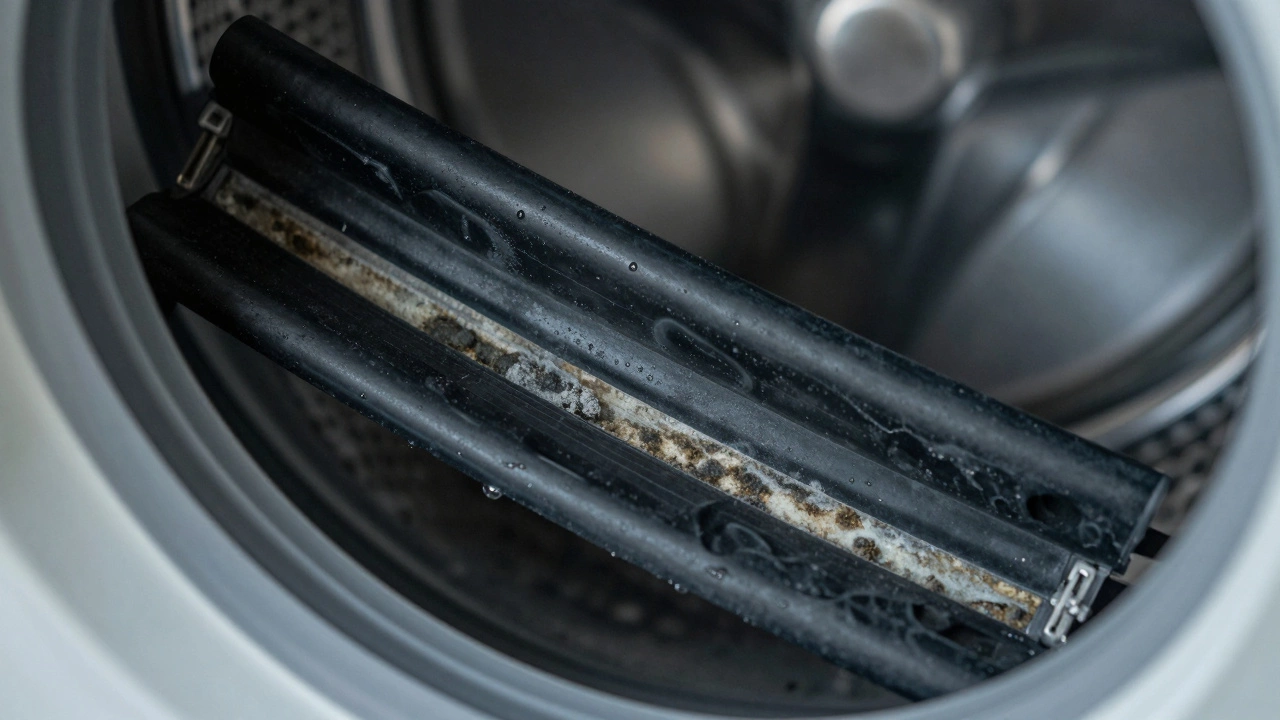
- Moldy Smells: While sometimes just a dirty filter, persistent rot smells from a front loader often mean the door boot (bellows) has failed internally. Once the foam reinforcement rots, water leaks behind the panel, causing structural rot in the floor underneath your unit.
- Error Codes: Older washers just stop working. Newer ones flash codes. If you see F1 or E2 errors related to control board communication repeatedly, the motherboard is corrupted. These chips aren't always serviceable anymore.
In my experience here in the humid coastal air of Wellington, rust is a bigger enemy than mechanics. Salt spray in the air settles on outdoor units or laundries near windows. That metal-to-metal contact in the pump housing corrodes faster than the factory finish can handle, leading to leaks at age eight when the part should have lasted twelve.
The Economics of Repair Versus Replace
This is the real struggle nobody discusses enough. Just because a part broke doesn't mean it makes sense to spend $400 fixing it. You need a calculation method that goes beyond gut feelings.
There is a rule of thumb in our trade: If the repair cost exceeds 50 percent of the replacement value of the machine, buy new. This works well for budget appliances where parts are scarce. However, luxury brands like Miele or LG offer different math.
Consider the energy factor as well. A 12-year-old washer consumes significantly more electricity per cycle compared to a 2026 model with inverter technology. The savings in power bills can pay off the cost of a new washer over three years. An old heater element drawing 2000W constantly creates a much hotter bill than a modern heat-pump dryer does for drying.
Maintenance That Extends Lifespan
If you want to squeeze those extra years out of your gear, proactive care matters more than luck. Neglect is the number one reason machines die young. It isn't just about detergent choice; it is about mechanical hygiene.
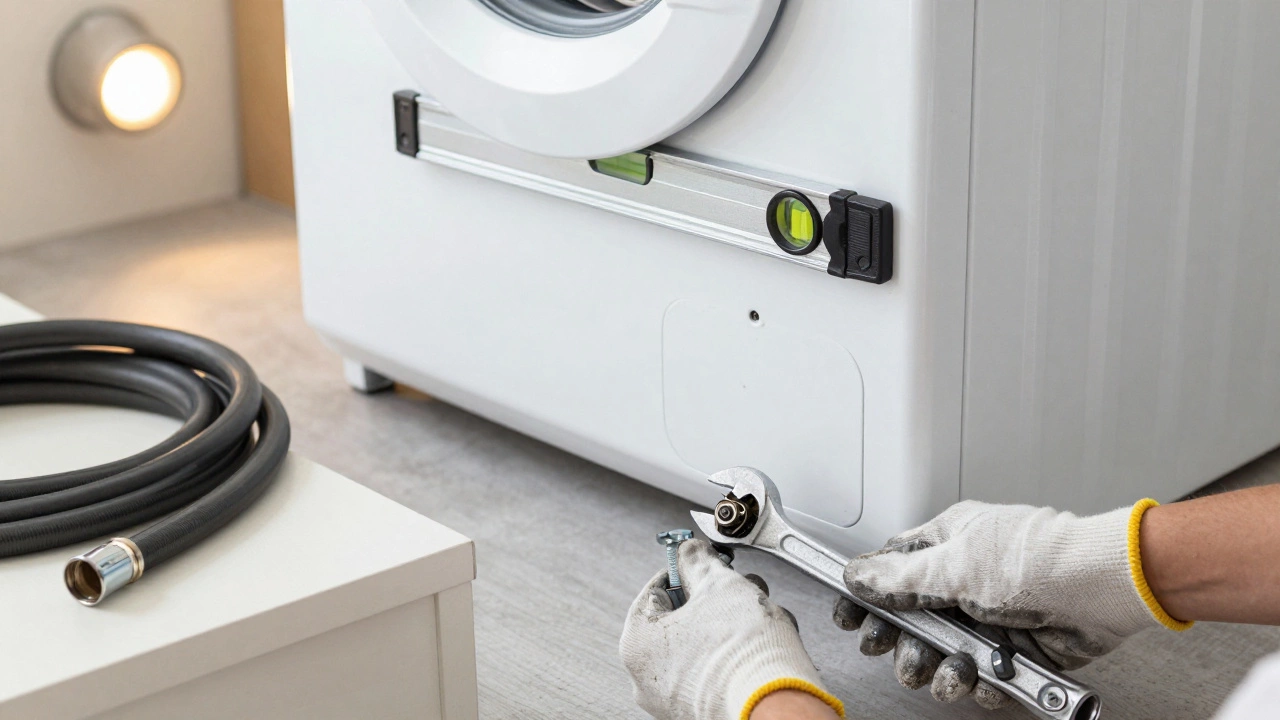
First, clean the filters. Every month, run a hot cycle without clothes and wipe the lint trap. Secondly, check the inlet hoses. Rubber ages and bursts. If your hoses are original to a ten-year-old machine, change them immediately. A burst hose floods your laundry room with 500 liters of water in minutes.
Leveling is also critical. Unbalanced loads cause the suspension springs to snap. Use a spirit level on the cabinet. Adjust the feet until the door closes evenly without forcing. Misalignment puts torque on the motor mount, straining the belt pulley prematurely.
Modern Tech and Obsolescence
We have to talk about smart features too. In 2026, almost every new washer connects to Wi-Fi apps. The problem is, these electronics are the most fragile part of the machine. They are sensitive to voltage spikes and power surges common during storms. Often, the drum spins fine, but the computer brain dies, leaving a perfectly healthy mechanical body dead.
This obsolescence changes how we view "lifespan." Does a machine have a useful life if its app integration fails in year four? For many tech-heavy households, yes. It stops being a convenience device and becomes just a spin box. That said, disconnecting the Wi-Fi module entirely usually protects the core functions from digital decay, allowing the physical components to keep running.
Is it worth repairing a 10-year-old washing machine?
It depends on the specific issue. If the control board needs replacing and the rest is solid, it can be worth it. However, if it is the transmission or drum bearings, the labor cost makes replacement usually the better financial choice unless you have a rare, vintage model.
What is the warranty period on washing machines?
Most standard manufacturers provide a 1-year comprehensive warranty. Premium lines often extend this to 3 or 5 years for specific parts like the inverter motor. Always register your appliance upon purchase to validate these claims with the supplier.
Why does my front load washer smell like sewage?
This indicates mildew buildup in the door gasket or a clogged drain pump filter. Over time, residue hardens into black slime. Regularly wiping the seal dry after use prevents this odor and extends the lifespan of the rubber components.
Can you replace the timer or electronic controller?
Yes, controllers are replaceable. If your machine gets stuck mid-cycle or won't start, swapping the PCB (Printed Circuit Board) is a common DIY fix for those comfortable with basic wiring. Check the part number carefully though, as revisions change annually.
Does overloading the machine reduce its life expectancy?
Absolutely. Consistently overloading causes uneven distribution during the spin cycle. This strains the suspension rod and shock absorbers, leading to premature vibration damage and potentially cracking the tub itself over several years of abuse.