Freezer Compressor Diagnostic Tool
What is your freezer doing?
Select the symptom that best matches your freezer's current behavior:
Your freezer is warm. The ice cream is melting into a puddle of despair. You hear the compressor humming, or maybe you don't hear anything at all. It feels like you need a degree in engineering to fix it, but most of the time, the solution is much simpler than replacing the entire unit. Before you call a technician who will charge you an arm and a leg for a house call, there is one thing you should try first: resetting the system.
Resetting a freezer compressor isn't always as simple as flipping a switch on the wall. In many modern units, the "reset" involves clearing a safety lockout triggered by overheating or a stuck control board. In older models, it might mean manually jump-starting the motor. This guide walks you through exactly how to reset your freezer compressor, diagnose why it failed, and when you actually need a professional.
Why Your Freezer Compressor Needs a Reset
Compressors are the heart of your refrigeration system. They pump refrigerant through coils to absorb heat from inside the box and release it outside. When this process gets interrupted, the compressor can overheat or stall. Modern compressors have built-in safety devices called thermal overloads. If the motor gets too hot, these devices cut power to prevent fire or permanent damage. Once the device trips, the compressor won't restart until it cools down and resets. Sometimes, however, the electrical signal gets stuck, or the control board needs a hard reboot to clear a glitch.
You might also be dealing with a start relay failure. This small component gives the compressor motor the initial jolt it needs to spin up. If the relay fails, the compressor hums but never starts, leading to overheating. Resetting the system often involves checking or replacing this part. Understanding that the "reset" is often a diagnostic step rather than a magic cure helps manage expectations. If the mechanical parts are broken, no amount of unplugging will fix them.
The Hard Reset Method: Unplugging and Waiting
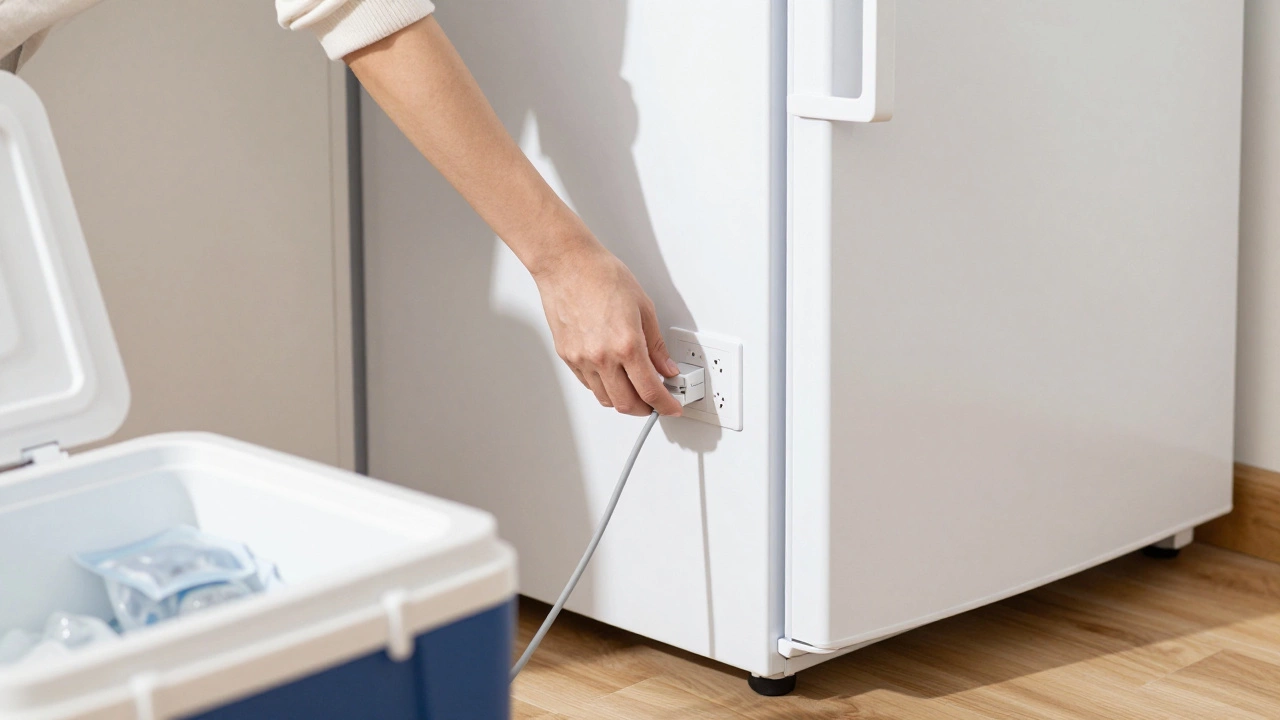
The first and safest method to reset a freezer compressor is a hard reset of the electrical system. This clears any temporary glitches in the digital control board and allows thermal overloads to cool down completely. Here is how to do it properly:
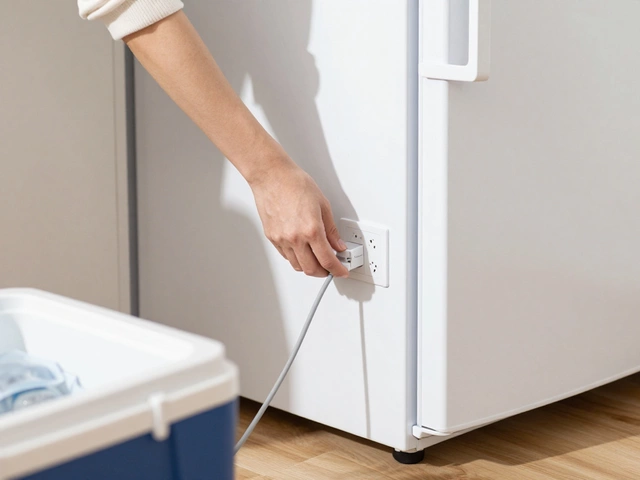
- Unplug the freezer. Do not just turn the dial to "off." Pull the plug from the wall outlet. This cuts all power to the main board and the compressor circuit.
- Wait at least 5 minutes. For thermal overloads to fully reset, they need time to cool. Five minutes is the minimum; thirty minutes is better if the unit was running hot.
- Open the door. While it's unplugged, leave the freezer door open. This helps dissipate residual heat and prevents mold growth during the downtime.
- Plug it back in. After the wait, plug the unit directly into the wall outlet. Avoid using power strips or extension cords, which can cause voltage drops that confuse the compressor.
- Listen closely. Within a few minutes, you should hear a click followed by a steady hum. That hum is the compressor engaging.
If the compressor starts and runs smoothly, great! Your problem was likely a temporary electrical hiccup or a momentary overload. If it clicks but doesn't start, or if it stays silent, move to the next steps. Note that some newer smart freezers have a specific reset sequence involving holding down buttons on the display panel. Check your user manual for "control lock" or "factory reset" instructions if your model has a digital interface.
Checking the Start Relay and Overload Protector
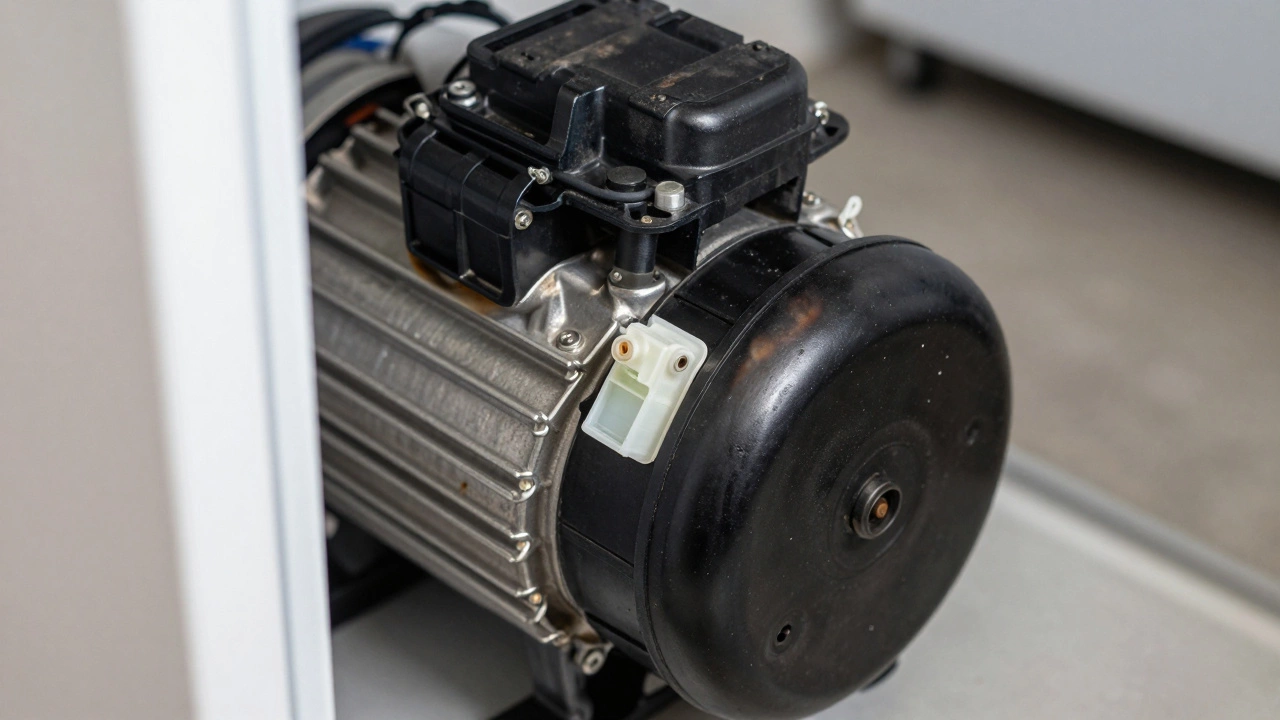
If the hard reset didn't work, the issue is likely mechanical or related to the starting components. The start relay and overload protector are located on the back of the freezer, attached directly to the compressor. These parts wear out over time. A bad relay will prevent the compressor from starting, causing it to sit idle while the rest of the fridge warms up.
To check these, you need to access the compressor compartment. This usually involves removing a kick plate at the bottom front of the unit or unscrewing a cover on the back. Once exposed, look for a small plastic or metal box clipped onto the side of the cylindrical compressor.
- Shake test: Remove the relay (you may need a screwdriver). Shake it gently. If you hear rattling inside, the internal contacts are broken. Replace it immediately.
- Visual inspection: Look for burn marks, melted plastic, or discoloration on the relay or overload protector. Heat damage indicates a failing compressor or a short circuit.
- Manual restart trick: With the power off, remove the relay. Plug the freezer back in. Wait for the compressor to cool. Then, briefly insert the relay back into its socket while watching for the compressor to engage. Warning: Only do this if you are comfortable handling live electrical components. Keep your hands dry and away from metal parts. If the compressor starts when you insert the relay, the relay is dead. Buy a replacement that matches the model number stamped on the old one.
Replacing a start relay costs between $10 and $30 and takes about ten minutes. It is one of the most common fixes for a "dead" freezer compressor.
When "Resetting" Means Defrosting the Evaporator Coils
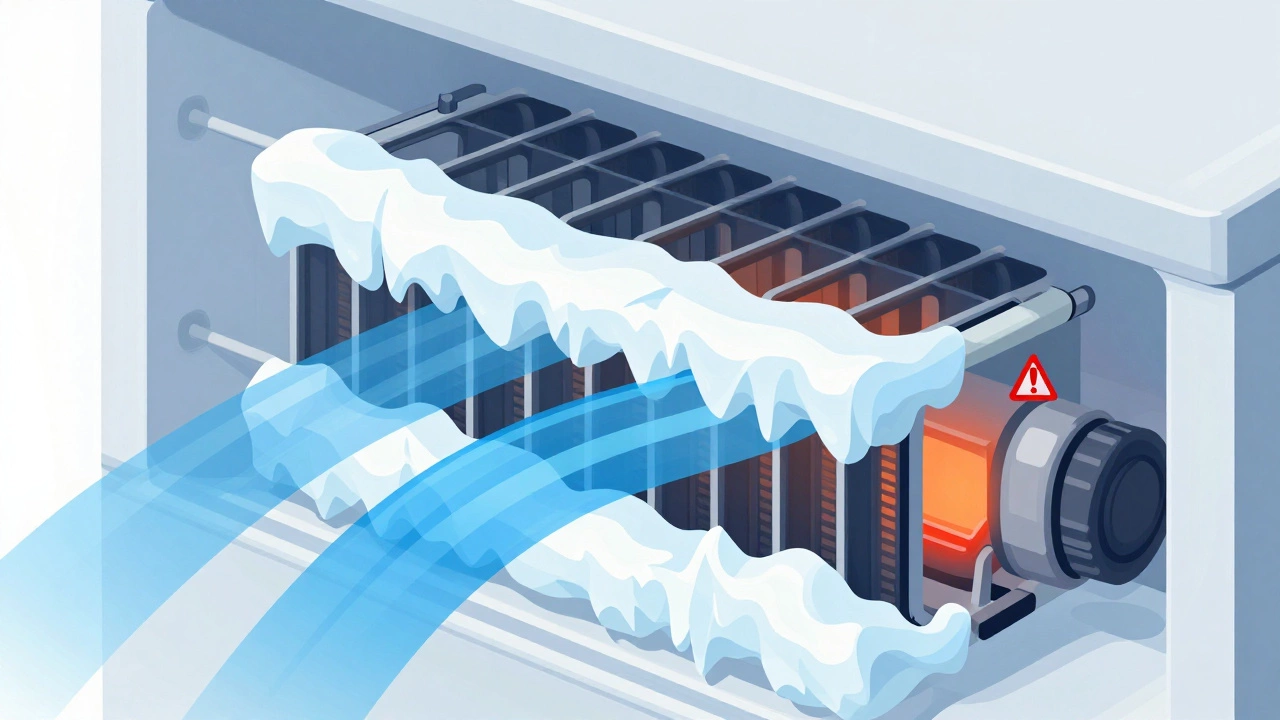
Sometimes, the compressor isn't broken, and the electronics are fine. The problem is ice. In automatic defrost models, a heater melts frost buildup on the evaporator coils. If the defrost heater, timer, or sensor fails, ice builds up and blocks airflow. The compressor runs continuously trying to cool the air, but the cold air can't circulate. Eventually, the compressor overheats and shuts down due to the thermal overload.
In this scenario, "resetting" the compressor means manually defrosting the unit. This forces the system to clear the blockage so the compressor can operate within normal temperature ranges again.
- Empty the freezer. Remove all food and store it in a cooler with ice packs.
- Unplug the unit. Safety first.
- Remove the back panel. Inside the freezer compartment, there is a plastic liner covering the evaporator coils. Unscrew and remove it to expose the fins.
- Melt the ice. Use a hair dryer on low heat or place bowls of hot water inside the freezer. Never use a knife or screwdriver to chip ice off the coils; puncturing a coil leaks refrigerant and ruins the unit permanently.
- Clean and reassemble. Once the ice is gone, wipe up the water, replace the panel, and plug the unit back in.
After plugging it back in, the compressor should start normally. If it runs for a while and then stops again, check the defrost heater with a multimeter for continuity. A broken defrost cycle is a frequent culprit behind repeated compressor shutdowns.
Signs the Compressor Is Dead Beyond Repair
Not every freezer can be saved. If you've tried the hard reset, replaced the start relay, and defrosted the coils, but the compressor still won't run, it might be mechanically seized. A seized compressor cannot be reset. It requires replacement, which often costs more than buying a new freezer.
Look for these signs of terminal failure:
- Burning smell: A distinct odor of burnt insulation or wiring coming from the compressor area indicates internal winding failure.
- Excessive heat: If the compressor body is too hot to touch after running for only a few minutes, it is struggling against a mechanical blockage or electrical short.
- No sound at all: If the relay clicks but there is zero vibration or noise from the compressor, the motor windings may be open-circuited.
- Refrigerant leak: Oil stains around the compressor base suggest a leak. Without refrigerant, the compressor will overheat and fail quickly.
If you suspect a dead compressor, weigh the cost of repair against the price of a new unit. For freezers under 10 years old, repair might make sense. For older units, investing in a new, energy-efficient model is usually the smarter financial move.
| Symptom | Likely Cause | Action Required |
|---|---|---|
| Humming but not cooling | Bad start relay or capacitor | Replace start relay ($10-$30) |
| Clicking noise, then silence | Thermal overload tripped | Hard reset (unplug 30 mins) |
| Runs constantly, warm interior | Iced up evaporator coils | Manual defrost and check defrost heater |
| Burning smell | Internal motor failure | Replace compressor or unit |
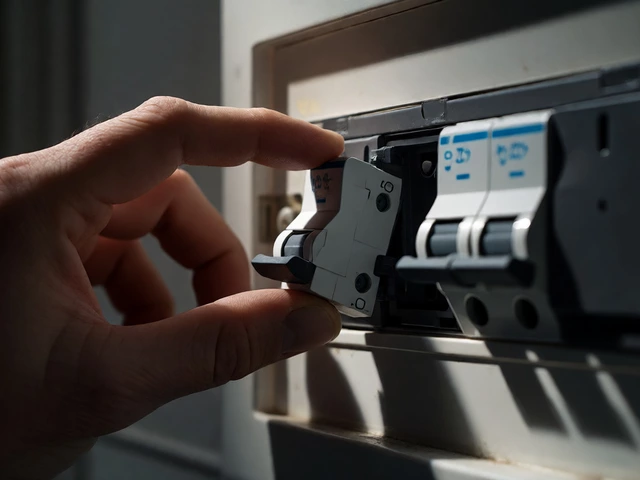
| No sound, no power | Tripped breaker or bad cord | Check GFCI outlet and power cord |
Safety Precautions Before You Touch Anything
Working with appliances involves electricity and potentially pressurized gases. Always prioritize safety. Never bypass safety switches or force a compressor to run if it smells like burning. Refrigerant lines are under high pressure; puncturing them releases gas that is harmful to the environment and can cause frostbite on contact with skin. If you are unsure about removing panels or testing components with a multimeter, stop and call a professional. Electrical shocks can be fatal, and improper repairs can void warranties or create fire hazards.
Also, ensure the area around the freezer is well-ventilated. Compressors generate heat, and blocking the vents on the back or sides can cause premature failure. Make sure there is at least two inches of clearance around the unit for proper airflow.
Can I reset my freezer compressor by pressing a button?
Most standard freezers do not have a physical reset button for the compressor. The reset process usually involves unplugging the unit for several minutes to allow thermal overloads to cool and reset automatically. Some digital models may have a control lock reset sequence in the user manual, but this resets the display, not the mechanical compressor.
How long should I wait after unplugging the freezer before plugging it back in?
You should wait at least 5 to 10 minutes. This pause allows the pressure inside the refrigerant system to equalize and gives the thermal overload protector time to cool down. If the compressor was running very hot, waiting 30 minutes is safer to ensure a complete reset.
What does it mean if my freezer compressor clicks but doesn't start?
A clicking sound usually comes from the start relay trying to engage. If the compressor doesn't start after the click, the start relay is likely faulty, or the compressor motor itself is seized. Replacing the start relay is a cheap and easy fix that resolves this issue in many cases.
Is it safe to manually restart the compressor by inserting the relay?
It can be done as a diagnostic test, but it carries electrical risks. Ensure your hands are dry, stand on a rubber mat, and avoid touching any metal parts of the compressor or wiring. If you are not comfortable with electricity, skip this step and replace the relay instead. Never hold the relay in place for more than a few seconds.
How much does it cost to replace a freezer compressor?
Replacing a compressor typically costs between $300 and $600 including labor. Given that a new mid-range freezer costs $400 to $800, compressor replacement is often not economically viable unless the appliance is high-end or under warranty. Always get a quote before proceeding with major repairs.