Water Heater Element Tester
Element Resistance Tester
Enter your measured resistance reading (ohms) to determine if your element is functional. Important: Always test with power OFF and use a multimeter on ohms setting.
When your hot water suddenly turns cold or only trickles out, it’s rarely a mystery. More often than not, one of the two heating elements inside your electric water heater has given out. These elements are simple, but they don’t last forever. If you’ve been waiting longer than usual for a shower or your water feels lukewarm even after running the tap for minutes, it’s time to check the elements. You don’t need to be a plumber to do it. With a basic multimeter and a little patience, you can diagnose the problem yourself.
How Electric Water Heater Elements Work
Most residential electric water heaters in New Zealand use two heating elements-one near the top, one near the bottom. The top element heats water first, then switches off when the upper half reaches temperature. The bottom element kicks in to reheat the lower portion. This design keeps energy use efficient and ensures steady hot water supply. Both elements are submerged in water and protected by a metal sheath. Over time, mineral buildup from hard water, constant heating cycles, or electrical surges can cause them to fail.
A bad element doesn’t always make noise or leak. Sometimes, it just stops working silently. That’s why you can’t rely on how the heater feels-you need to test it.
Signs Your Water Heater Element Is Bad
- No hot water at all, even after waiting hours
- Only a small amount of hot water before it turns cold
- Longer-than-usual recovery time after heavy use (like doing laundry or showering)
- Water that’s warm but never gets truly hot
- Tripped circuit breaker that keeps resetting but then trips again
If you notice one or more of these, especially in a heater older than 8 years, the element is the likely culprit. It’s not always the element-but it’s the easiest place to start.
How to Test a Water Heater Element
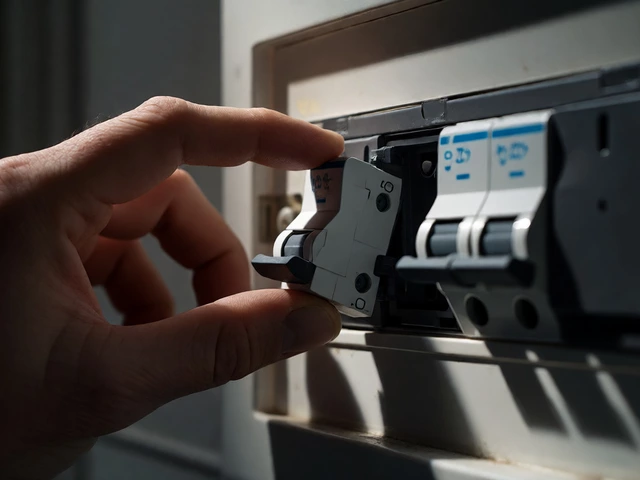
Before you touch anything, turn off the power at the circuit breaker. This isn’t optional. Water and electricity are a deadly mix. Even if the heater’s off, the wiring still carries live current. Safety first.
Once the power is off, remove the access panels on the side of the tank. You’ll see two insulated covers-one for each element. Unscrew them and pull back the insulation. You’ll find the element itself: a metal cylinder with two metal terminals sticking out.
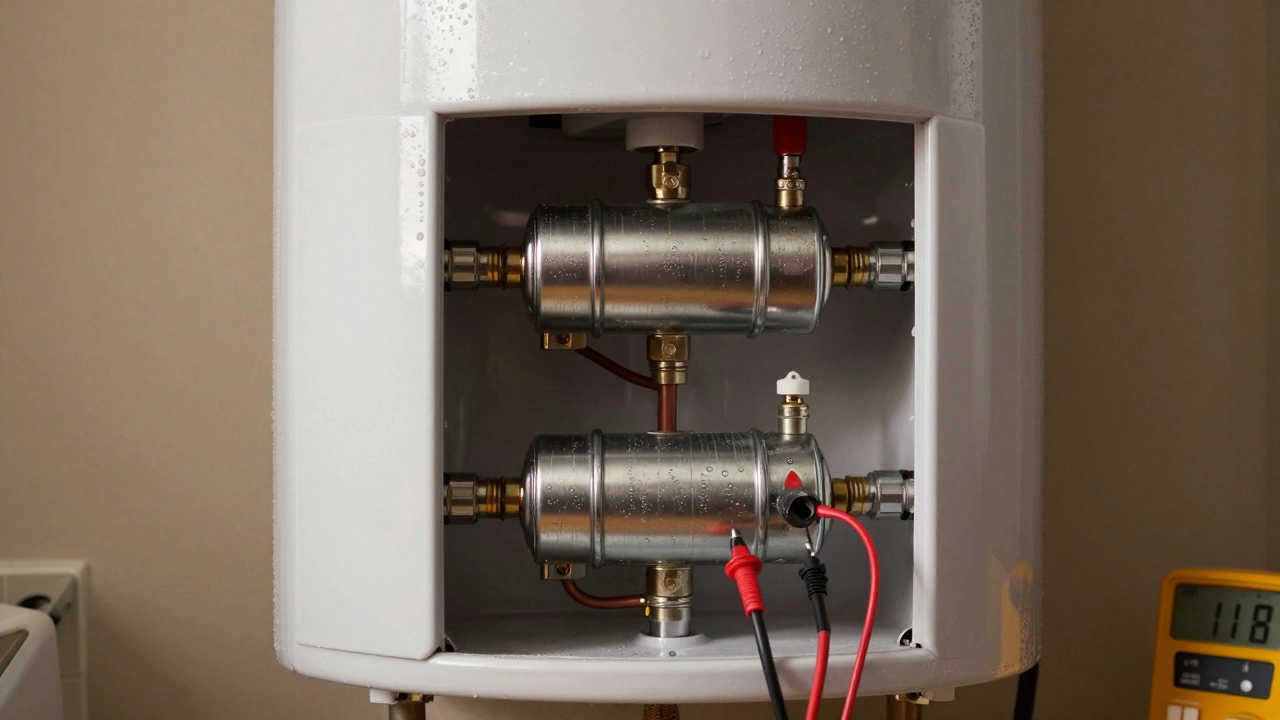
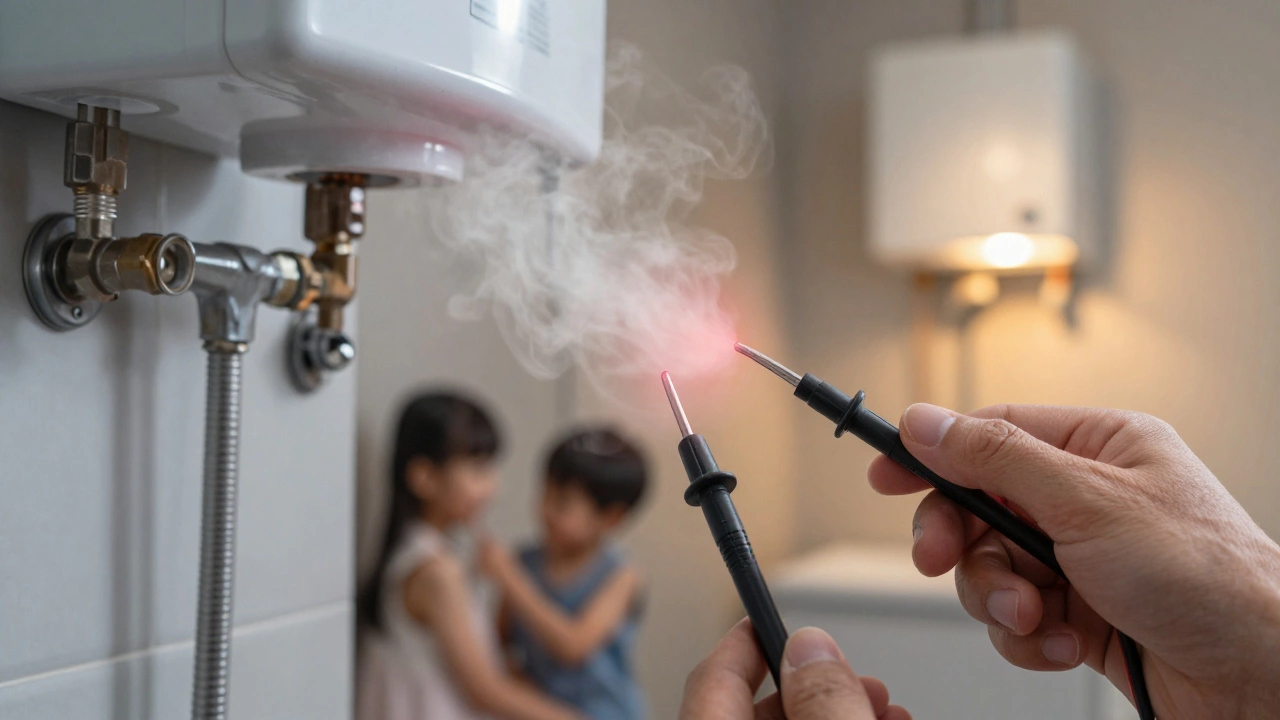
Now you need a multimeter. Set it to the ohms (Ω) setting, preferably on the lowest range (like 200Ω). Touch one probe to each terminal on the element. If the meter shows a reading between 10 and 16 ohms, the element is good. If it shows zero (no resistance) or infinity (no connection), it’s dead.
Do this for both elements. It’s common for the bottom element to fail first because it’s constantly working to reheat water. But don’t assume the top one is fine-test both.
There’s one more test: check for grounding. Put one probe on a terminal and the other on the metal tank. If you get any reading at all, the element is shorted to ground. That means it’s leaking electricity into the tank-dangerous and a sure sign it needs replacing.
What If Both Elements Test Good?
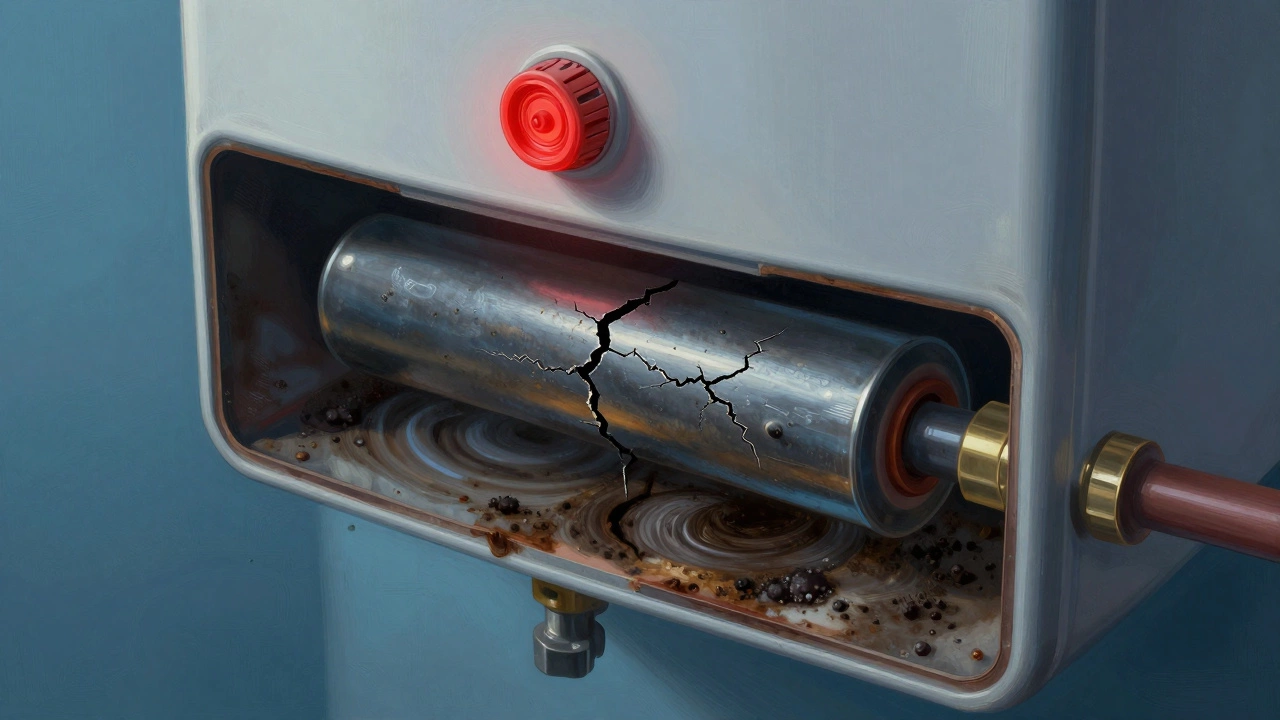
If both elements check out, don’t panic. The problem might be elsewhere. The thermostat could be faulty. A bad thermostat won’t send power to the elements even if they’re working. Or the high-limit switch might have tripped. These are resettable, but only if you know where to look. Most tanks have a red reset button near the top thermostat. Press it once. If the heater starts working, you had a temporary overload-maybe from a power surge or sediment buildup.
If resetting doesn’t help, the issue could be wiring. Loose connections, corroded terminals, or damaged wires can interrupt power. Look for blackened insulation or melted plastic around the wires. If you see that, turn off the power and call a professional.
How Long Do Water Heater Elements Last?
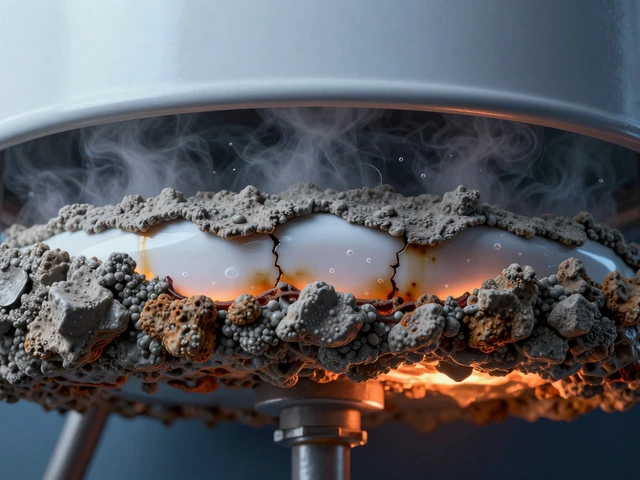
Most elements last 6 to 10 years. But in places like Wellington, where water is naturally hard, mineral deposits build up faster. That forces the elements to work harder, overheating and burning out sooner. If you haven’t flushed your tank in the last two years, you’re accelerating wear. Flushing removes sediment and can extend element life by years.
Hard water isn’t just a nuisance-it’s a silent killer of heating elements. If your water leaves white residue on taps or kettles, you’re dealing with hard water. Installing a water softener or even using a descaling agent once a year can save you hundreds in replacement costs.
Replacing a Bad Element
If you’ve confirmed a bad element, replacing it is straightforward. Buy a replacement that matches your tank’s voltage (usually 240V), wattage (often 4500W), and type (screw-in or nut-style). Most homes use screw-in elements. Bring the old one to the hardware store to match it exactly.
Drain the tank until the water level is below the element. You don’t need to empty it all-just enough to stop water from leaking out. Disconnect the wires, unscrew the old element, and install the new one. Tighten it snugly, but don’t over-torque. Reconnect the wires, refill the tank completely before turning the power back on. Air in the tank can burn out the new element instantly.
Pro tip: Use a little plumber’s tape on the threads to prevent leaks. And don’t forget to reset the thermostat to your preferred temperature-usually 60°C for safety and efficiency.
When to Call a Professional
You can handle element replacement yourself if you’re comfortable with basic tools and electrical safety. But if you’re unsure about:
- Turning off the correct circuit breaker
- Reading a multimeter
- Identifying wiring connections
- Dealing with a tank older than 12 years
…then call a licensed plumber. A mistake here can flood your home or cause an electrical fire. In New Zealand, electric water heater repairs require compliance with AS/NZS 3000 wiring standards. If you’re not certified, it’s not worth the risk.
Preventing Future Failures
- Flush your tank every 12 to 18 months
- Install a water softener if your water is hard
- Check the anode rod every 2 years-it protects the tank from corrosion
- Avoid setting the temperature above 60°C-it increases mineral buildup and energy use
- Use a surge protector for the water heater circuit
These steps don’t just fix problems-they prevent them. A well-maintained water heater can last 15 years or more. A neglected one? It might die in half that time.
Common Mistakes to Avoid
- Testing elements without turning off power-this can kill you
- Replacing only one element when both are old-always replace in pairs
- Not draining the tank before replacing the element-water will flood your floor
- Using the wrong wattage or voltage-this can damage your system or cause overheating
- Forgetting to bleed air from the tank-this burns out the new element before it even works
One mistake people make again and again: they replace the element but never flush the tank. The sediment that killed the old element is still there. It’ll quickly ruin the new one. Always clean the tank when you replace the element. It’s a small step that makes a huge difference.