
Fridge Compressor Diagnostic Tool
Answer the following questions about your refrigerator's symptoms to get a preliminary diagnosis.
Diagnostic Result
You walk into the kitchen, open the refrigerator, and notice something off. The milk is warm. The ice cream has turned into soup. You press your ear against the side of the unit, expecting that familiar low hum, but hear... nothing. Or worse, a strange clicking sound followed by silence. It’s a sinking feeling every homeowner knows too well. Before you panic about the cost of a new appliance or call out an emergency technician for a midnight visit, you need to figure out if the problem is actually the compressor, the heart of your cooling system that pumps refrigerant through the coils, or just a minor glitch.
Most people assume their fridge is broken because it’s not cold. But a warm fridge doesn’t automatically mean a dead compressor. It could be a dirty condenser coil, a faulty thermostat, or a clogged drain line. Diagnosing a failed compressor requires a bit of detective work. We’re going to walk through the specific signs that point to a compressor failure versus other common issues, so you don’t waste money on repairs you don’t need.
The Sound Test: What Silence (or Clicking) Really Means
The easiest way to spot a struggling compressor is by listening. A healthy compressor runs in cycles. It kicks on when the temperature inside rises above the set point, hums steadily while working, and shuts off once the target temperature is reached. This cycle usually happens every few hours depending on how often you open the door.
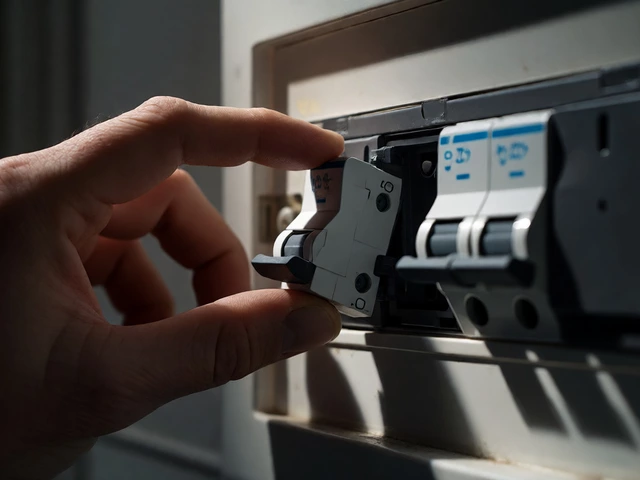
If you hear absolutely no sound, check the power first. Ensure the plug is tight and the breaker hasn’t tripped. If power is good and there’s still silence, the issue might be electrical rather than mechanical. However, if you hear a distinct "click" every few minutes followed by a buzz that cuts out quickly, that’s a classic symptom of a failing start relay or overload protector, which are often attached to the compressor. These parts protect the motor from overheating. If they fail repeatedly, the compressor itself might be seized or drawing too much current.
| Noise Type | Likely Cause | Severity |
|---|---|---|
| Silent (No Hum) | Power issue, bad control board, or dead compressor | High |
| Clicking then Silence | Faulty Start Relay or Overload Protector | Medium |
| Loud Rattling | Loose fan blade or debris in condenser | Low |
| Constant Loud Humming | Compressor running continuously due to leak or seal issue | Medium |
Temperature Check: The Warm Sides and Cold Interior Paradox
Here is a counter-intuitive fact: a broken compressor can sometimes make the outside of the fridge feel warmer than usual, or conversely, completely cool. To diagnose this, put your hand on the side panels where the condenser coils are located (usually the back or sides). In a working unit, these areas get warm as heat is expelled from the interior. If the compressor is dead, no heat exchange occurs, and those panels stay room temperature even after the fridge has been running for hours.
Simultaneously, check the internal temperature. Use a dedicated appliance thermometer placed in a glass of water in the center of the middle shelf. Don’t trust the built-in digital display; sensors drift over time. If the interior temperature is rising above 5°C (41°F) and stays there despite the compressor supposedly running, you have a cooling failure. If the compressor is silent and the temp is rising, the link between power and compression is broken.
Visual Inspection: Burnt Smells and Physical Damage
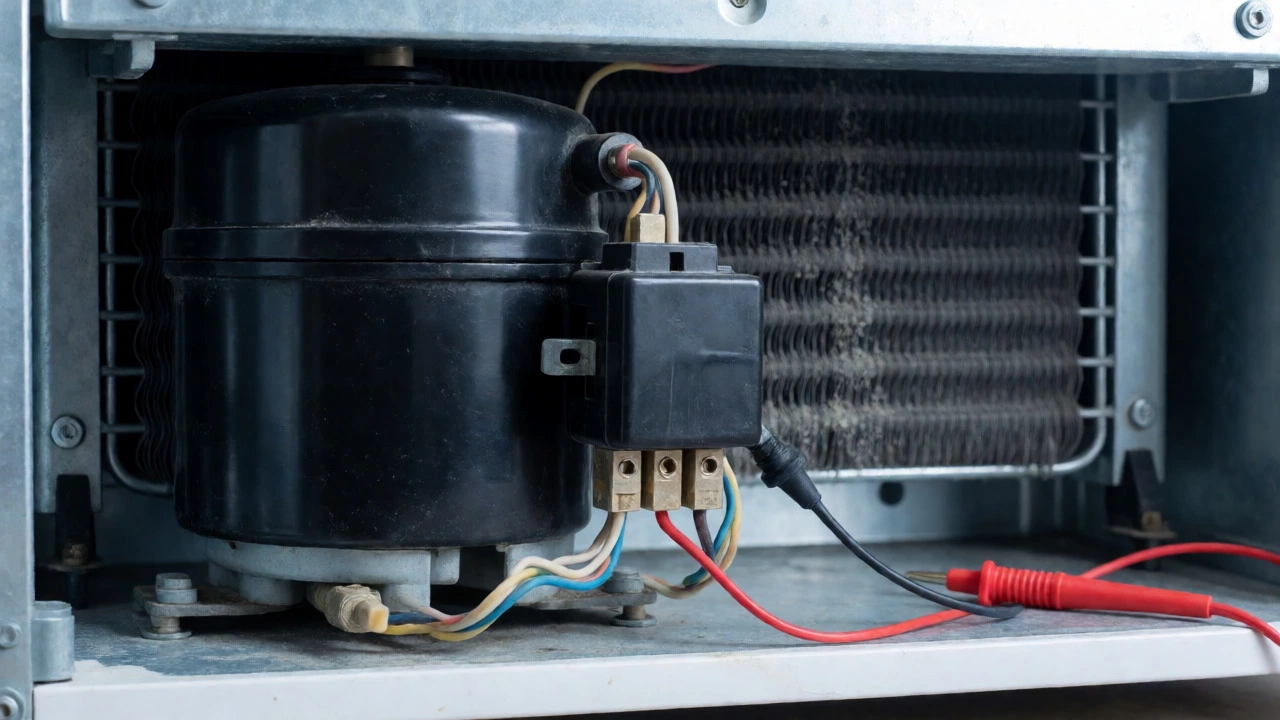
Go behind the fridge. Unplug it carefully and pull it away from the wall. Look at the compressor unit, typically a black metal dome at the bottom rear. Does it smell like burnt plastic or ozone? A burning smell is a major red flag. It indicates that the motor windings may have shorted out or that the start relay melted due to excessive current draw.
Check the wires connected to the compressor terminals. Are they discolored, blackened, or brittle? Insulation damage here suggests overheating. Also, look for oil stains around the base of the compressor. While some oil residue is normal during manufacturing, fresh, wet oil spots can indicate a leak in the sealed system, which means the compressor is losing its lubrication and will likely seize soon.
The Continuity Test: Using a Multimeter
If you are comfortable with basic DIY tools, a multimeter gives you definitive answers. You need to test for continuity and ground faults. First, unplug the fridge. Remove the cover plate over the compressor terminals. You will see three pins arranged in a triangle: Common (C), Run (R), and Start (S).
- Test for Open Windings: Set your multimeter to Ohms (Ω). Measure resistance between C and R, and C and S. You should get a low reading (usually under 5 ohms). If you get an infinite reading (OL), the winding is broken, and the compressor is dead.
- Test for Ground Fault: Measure resistance between each pin (C, R, S) and the bare metal casing of the compressor. It should read infinity (OL). If you get any continuity here, the insulation inside the motor has failed, causing a short to ground. This is fatal for the compressor.
Keep in mind that some modern inverters use different testing protocols, but for standard fixed-speed compressors, this method works 90% of the time. If you aren’t confident doing this, take photos of the wiring and consult a professional before touching anything else.
Cost-Benefit Analysis: Repair vs. Replace
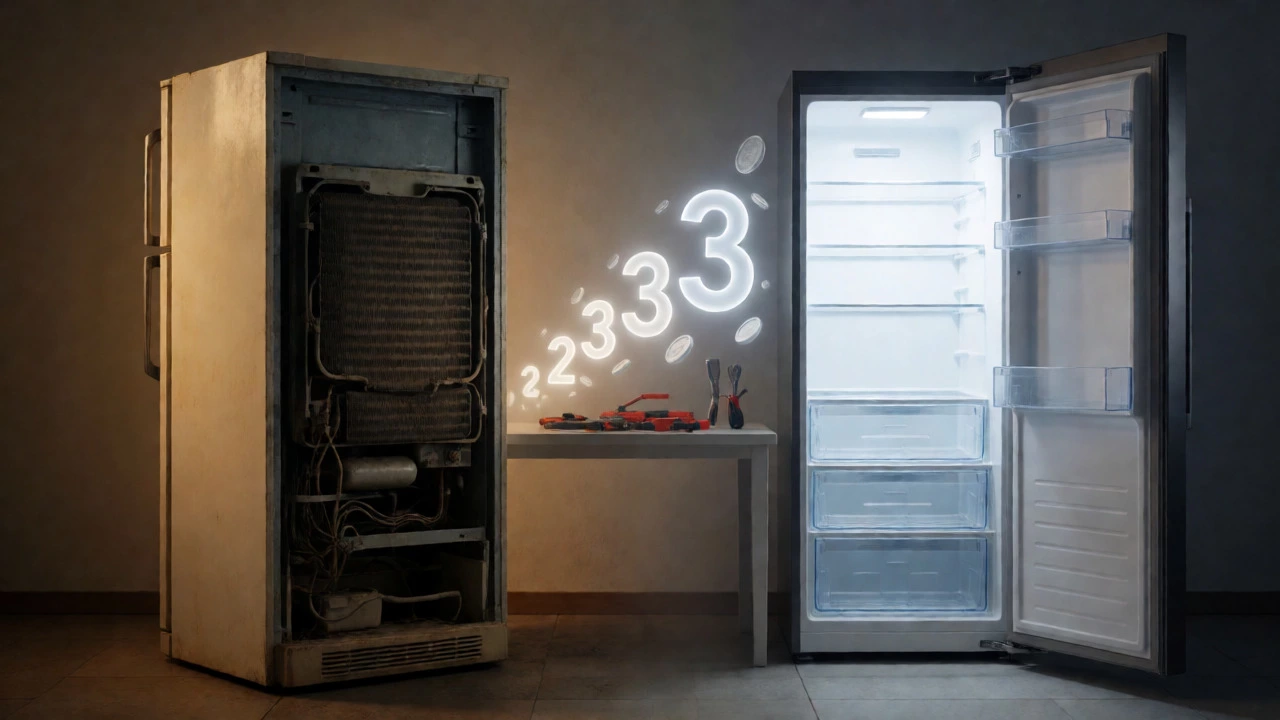
So, your compressor is dead. Now what? This is where many homeowners hesitate. Replacing a compressor is labor-intensive. It involves recovering refrigerant, cutting lines, welding new connections, and recharging the system. In New Zealand, this job can cost between $600 and $1,200 NZD depending on the model and accessibility.
Compare this to the age of your fridge. If your unit is less than five years old and still under warranty, a repair makes sense. If it’s ten years old, consider the energy efficiency of newer models. Modern fridges use significantly less electricity. A $800 repair on a 12-year-old fridge might save you from buying a $1,500 new one now, but higher energy bills could eat into those savings within two years. Also, check the condition of the rest of the fridge. If the shelves are cracked, the seals are torn, or the interior is stained, putting a new compressor into a tired cabinet is often throwing good money after bad.
When It’s Not the Compressor: Common False Alarms
Before you write off your fridge, rule out these easy fixes:
- Dirty Condenser Coils: Dust acts as an insulator, preventing heat dissipation. The compressor works harder and eventually trips its overload. Vacuum the coils at the back or underneath. This simple step solves 30% of "cooling issues."
- Faulty Thermostat: If the thermostat fails, it won’t send the signal to start the compressor. Bypassing the thermostat temporarily can confirm this.
- Evaporator Fan Failure: If the compressor runs but the air isn’t circulating, the freezer might be cold while the fridge section is warm. Listen for the fan spinning inside the freezer compartment. If it’s silent, replace the fan motor, not the compressor.
Final Thoughts: Trust Your Instincts and Data
Diagnosing a fridge compressor isn’t always straightforward, but combining auditory cues, temperature checks, and visual inspections narrows down the problem quickly. Remember, a silent fridge with warm sides is a strong indicator of compressor failure, especially if accompanied by a burnt smell. However, always double-check the simpler components like relays and thermostats first, as they are cheaper and easier to replace.
If you’ve done the tests and the numbers point to a dead compressor, weigh the repair cost against the age and condition of your appliance. Sometimes, the most economical choice is to invest in a new, energy-efficient model rather than resuscitating an old one. Either way, knowing exactly what’s wrong prevents you from paying for unnecessary services and helps you make a confident decision about your kitchen setup.
Can I replace the compressor myself?
Technically yes, but it is not recommended for beginners. Replacing a compressor requires handling refrigerants, which are hazardous and require EPA-certified recovery equipment in many regions. You also need brazing skills for copper lines and a vacuum pump to remove moisture from the system. Mistakes can lead to leaks or system contamination, rendering the new compressor useless immediately.
How long do fridge compressors last?
On average, a refrigerator compressor lasts between 10 to 20 years. High-quality brands like Bosch or Sub-Zero often reach the upper end of this range. Poor maintenance, such as neglecting to clean condenser coils, or frequent power surges can significantly shorten this lifespan, sometimes causing failure in under 7 years.
Is it worth repairing a 15-year-old fridge?
Generally, no. At 15 years, most appliances are nearing the end of their reliable service life. Parts may become scarce, and energy efficiency standards have improved drastically since then. Unless it is a high-end vintage model with sentimental value, replacing it with a modern Energy Star-rated unit is usually more cost-effective in the long run due to lower electricity bills and fewer breakdowns.
What causes a compressor to burn out?
The most common cause is overheating due to dirty condenser coils, which forces the compressor to work harder to dissipate heat. Other causes include voltage spikes from lightning or grid fluctuations, low refrigerant levels leading to poor lubrication circulation, and mechanical wear over time. Running the fridge empty or overloaded can also strain the system unnecessarily.
Does a bad compressor make the fridge noisy?
Yes, but the type of noise varies. A failing compressor might rattle loudly due to worn internal mounts or bearings. Alternatively, it might emit a loud buzzing sound as it struggles to start against high pressure. Conversely, a completely dead compressor results in total silence, which is arguably the loudest sign of all because it breaks the expected background hum of your kitchen.