Oven Energy Cost & Risk Calculator
Estimated Impact
Quick Safety and Cost Summary
- Fire Risk: Low for the oven itself, but high for surrounding cabinetry and flammable items.
- Energy Cost: Extremely high; an oven can pull 2,000 to 5,000 watts per hour.
- Wear and Tear: Accelerates the degradation of heating elements and control boards.
- Air Quality: Can release carbon monoxide or chemical fumes if the oven is old or self-cleaning.
The Real Risk of Fire and Heat
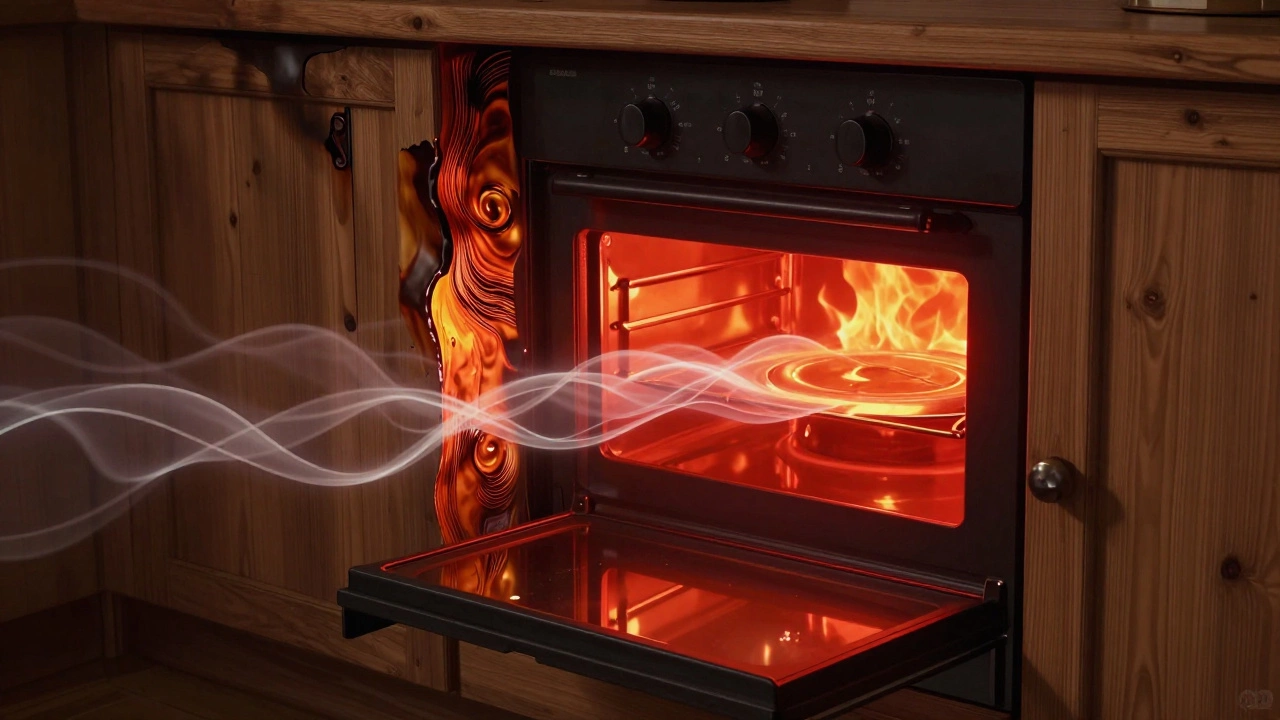
Most people think the oven is a safe "box" and that the heat stays inside. But heat is stubborn. When an Electric Oven runs for hours, the external chassis begins to heat up. If your oven is built into a cabinet with poor ventilation, that heat transfers to the wood. Over several hours, this can lead to pyrolysis-where wood chemically decomposes due to heat-making it much easier to ignite later.
Then there's the issue of the Heating Element. In a normal baking cycle, the element turns on and off to maintain a temperature. When you leave it on all night, the element is cycling constantly. If there's a loose wire or a frayed connection, the prolonged heat can melt insulation, leading to a short circuit. I've seen cases where a faulty Thermostat fails in the "on" position, causing the oven to climb far beyond its set temperature until the internal components literally melt.
The Energy Drain on Your Wallet
Running an oven as a heater is one of the most expensive ways to warm a room. Let's look at the math. A standard electric oven uses roughly 2.4 kW to 4 kW of power. If you leave it on for 8 hours at a medium setting, it might average 2 kW of draw due to the cycling thermostat. That's 16 kWh. Depending on your local utility rates, you could be spending a significant amount of money just to keep a few square meters of your kitchen warm while you sleep.
| Method | Average Power (kW) | Safety Rating | Efficiency |
|---|---|---|---|
| Electric Oven | 2.0 - 4.0 | Low (Not designed for space heating) | Very Poor |
| Oil-Filled Radiator | 1.5 - 2.0 | High (Designed for long-term use) | Moderate |
| Heat Pump | 0.5 - 1.5 | Very High | Excellent |
Damage to the Oven's Components
Your oven isn't designed for a 100% duty cycle over long periods. One of the first things to suffer is the Control Board. These boards contain capacitors and resistors that can degrade when exposed to prolonged ambient heat. If the board is located just above the oven cavity, it's soaking up that heat for eight hours. This leads to "component drift," where the oven's temperature accuracy begins to fail.
Additionally, the door seals-usually made of fiberglass or silicone-can harden and crack. When the Gasket fails, heat leaks into the kitchen more aggressively, forcing the oven to work even harder to maintain the set temperature. This creates a vicious cycle of inefficiency and wear.
What Happens if You Forgot It?
If you realize at 7 AM that the oven has been on since 11 PM, don't panic, but do act quickly. First, turn it off and open the oven door to let the heat escape safely. However, don't put a cold damp cloth or a pot of water inside to "speed up" the cooling, as the thermal shock could crack the Glass Door.
Check the surrounding cabinets. Touch the walls and the underside of the countertops. If they feel unnaturally hot to the touch, you may have a ventilation issue that needs addressing. If you smell a metallic or "fishy" odor, that's often a sign of melting plastic insulation on the wiring-a clear signal that you need an electric oven repair specialist to check your connections before you use the appliance again.
Long-Term Maintenance Tips
To avoid these situations and keep your oven running for a decade or more, implement a few simple habits. Use a digital timer or a "smart plug" (if your oven is a plug-in model and not hardwired) that automatically shuts off after a set time. This is a lifesaver for people who struggle with forgetfulness.
Regularly inspect your oven's interior. If you see any blistering on the interior walls or if the heating elements are glowing unevenly, it's time for a check-up. A well-maintained oven is not only safer but also more energy-efficient. Cleaning the oven of grease buildup is also crucial; old oil trapped in the oven can ignite if the appliance is left on for extended periods, turning a simple mistake into a grease fire.
Can I leave the oven on low just to keep the house warm?
No, this is highly discouraged. Ovens are not designed for space heating. They lack the safety certifications and thermal distribution patterns of a dedicated heater. You risk overheating your kitchen cabinetry and wasting a massive amount of electricity.
What is the most dangerous part of leaving an oven on?
The most dangerous part is the potential for thermostat failure. If the thermostat breaks while the oven is on, the heating elements will continue to heat the cavity without stopping, which can lead to an electrical fire or the melting of internal components.
Will it ruin my oven if I do it once?
Doing it once is unlikely to destroy the appliance immediately, but it puts a heavy load on the heating elements and the control board. The main risk is the immediate safety of your home rather than the permanent destruction of the oven.
Does a self-cleaning cycle count as leaving it on all night?
A self-cleaning cycle is designed to run for several hours at extremely high temperatures (often over 800°F). However, these are programmed cycles with built-in timers. Leaving a standard baking cycle on all night is different because it's an unplanned, indefinite heat source.
What should I do if the oven won't turn off?
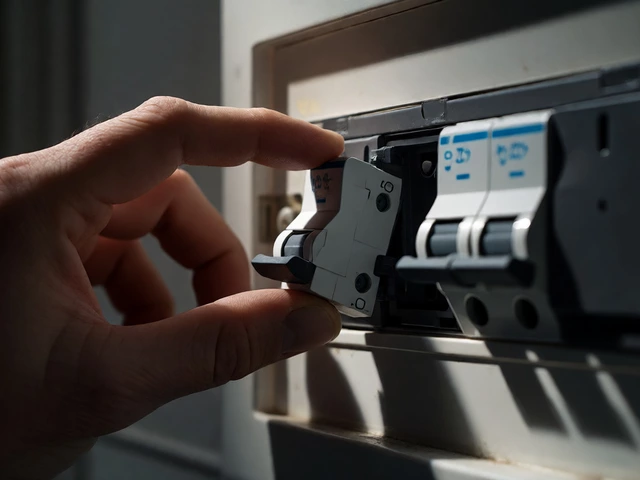
If the controls are unresponsive, immediately go to your home's electrical panel and flip the circuit breaker for the oven. This cuts the power at the source. Once the power is off, do not turn it back on until a technician has inspected the control board and thermostat.
Next Steps for Oven Owners
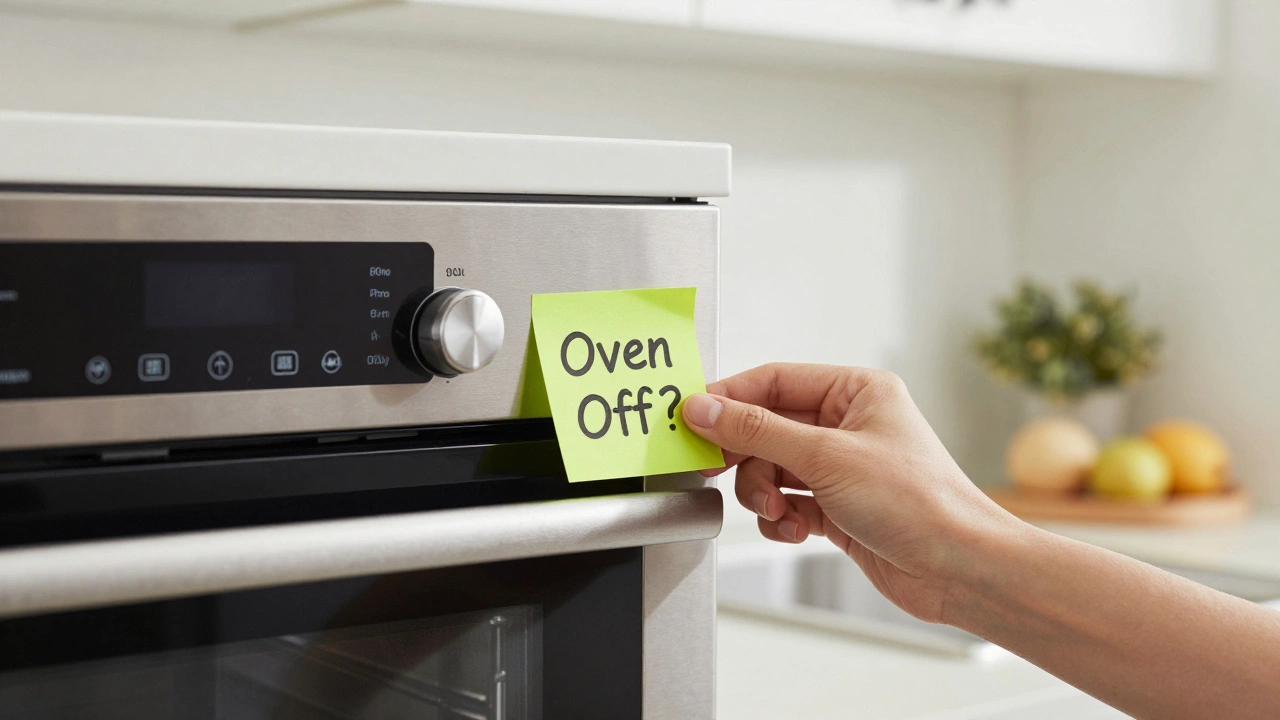
If you've had a few "near misses" where you forgot the oven, consider upgrading to a model with an automatic shut-off feature. Many modern ovens now include a safety timer that kills the power after a specific duration, regardless of the settings. For those with older units, a simple physical reminder-like a bright magnet on the fridge that says "Oven Off?"-works surprisingly well.
If you suspect your oven has been damaged by a long overnight run-such as inconsistent heating or a flickering display-don't ignore it. Small electrical faults in high-voltage appliances can escalate quickly. Getting a professional to test the continuity of your heating elements and the health of your wiring is a small price to pay for peace of mind.