Stove Repair vs. Replacement Calculator
Input Details
Recommendation:
Enter your details to see if you should fix or replace.
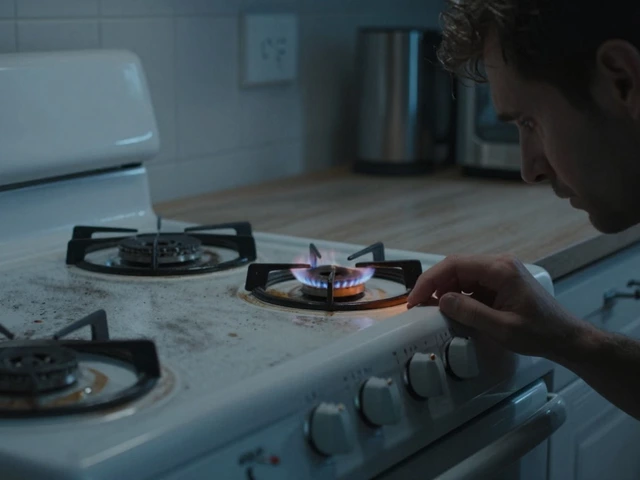
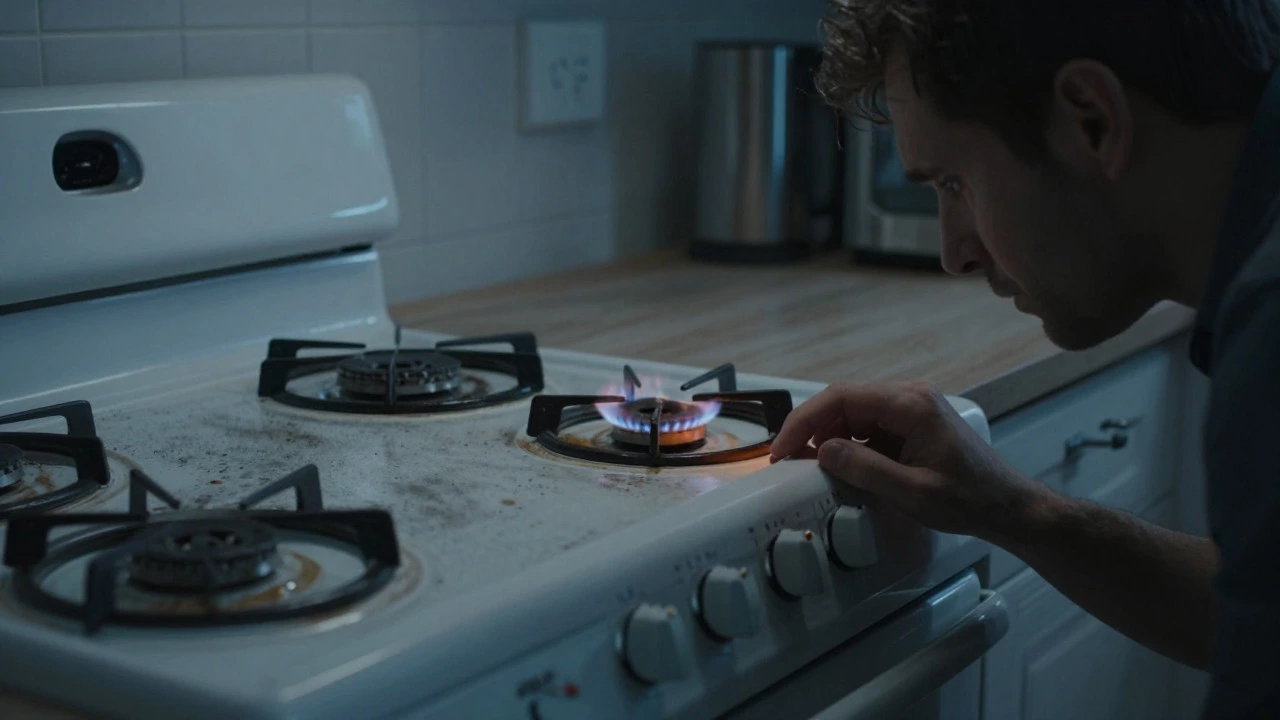
You press the button, wait for the click, and nothing happens. Or worse, the burner sputters with a flame that looks like it’s about to give up entirely. You’ve got a 15-year-old stove that has seen better days, and now you’re staring at a repair quote or a DIY kit wondering if you should just toss the whole thing.
This is one of those classic kitchen dilemmas. On one hand, stoves are expensive-often costing between $800 and $2,000 for a decent replacement. On the other hand, keeping an ancient machine running feels like playing Russian roulette with your wallet and potentially your home’s safety. So, is it worth fixing?
The short answer? Usually, no. But before you call the haulers, let’s break down exactly why, looking at costs, safety risks, and the hidden value of upgrading in 2026.
The Math: Repair Costs vs. Replacement Value
Let’s look at the cold, hard numbers first. A general rule of thumb in the appliance industry is the "50% Rule." If the cost of the repair exceeds 50% of the price of a new unit, you should replace it. But there’s a second variable: age.
A standard residential stove-whether electric coil, glass-top, or gas-has an expected lifespan of about 13 to 15 years. At 15 years old, your stove isn’t just old; it’s technically retired. It’s working on borrowed time.
| Scenario | Estimated Cost (2026) | Lifespan Added | Value Proposition |
|---|---|---|---|
| Minor Repair (Igniter/Switch) | $150 - $300 | Unknown (High risk of next failure) | Poor |
| Major Repair (Control Board/Thermocouple) | $400 - $700+ | 1-3 Years (Likely) | Terrible |
| New Mid-Range Electric/Gas Stove | $800 - $1,500 | 13-15 Years | Excellent |
| New Induction Cooktop + Oven | $1,200 - $2,500 | 15+ Years | Best Long-Term Value |
If your repair quote is over $300, stop right there. You are spending money on a machine that is likely to fail again within months. The control boards in older units often degrade due to heat exposure over time. Even if you fix the current issue, another component will likely follow suit soon. It’s the "death spiral" of old appliances.
Safety Risks: The Hidden Danger of Age
Money aside, safety is the biggest reason to retire a 15-year-old stove. Technology hasn’t stood still since you bought that unit. Modern appliances have significantly improved safety features that your old model lacks.
For gas stoves, this is critical. Older models may not have modern thermocouples or flame supervision devices that automatically shut off the gas if the flame goes out. Carbon monoxide leaks from aging seals or cracked burners are a genuine risk. In 2026, many local building codes and insurance policies are becoming stricter about venting and combustion efficiency. An old stove might not meet current standards.
Electric stoves aren’t immune either. Wiring insulation degrades over 15 years of heating and cooling cycles. This increases the risk of electrical shorts or even kitchen fires. Glass-top surfaces can develop micro-cracks that aren’t visible but weaken the structure, leading to spontaneous shattering when heated.
Energy Efficiency: Paying More Every Month
Your electricity or gas bill is quietly suffering because of that old stove. Energy efficiency standards have tightened considerably over the last decade and a half. A 15-year-old oven loses heat much faster than a modern insulated model.
Consider this: An old electric resistance oven might use 30-40% more energy than a modern convection model. Convection fans circulate hot air, allowing you to cook at lower temperatures or for shorter times. Over a year, this difference can add up to $50-$100 in extra utility costs. That’s money you could be saving toward a new appliance.
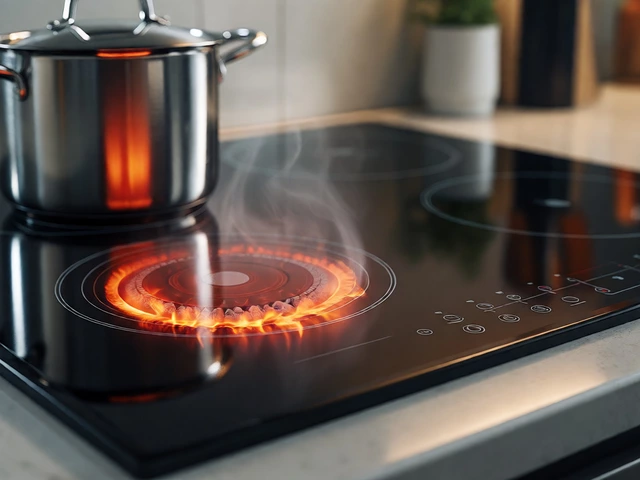
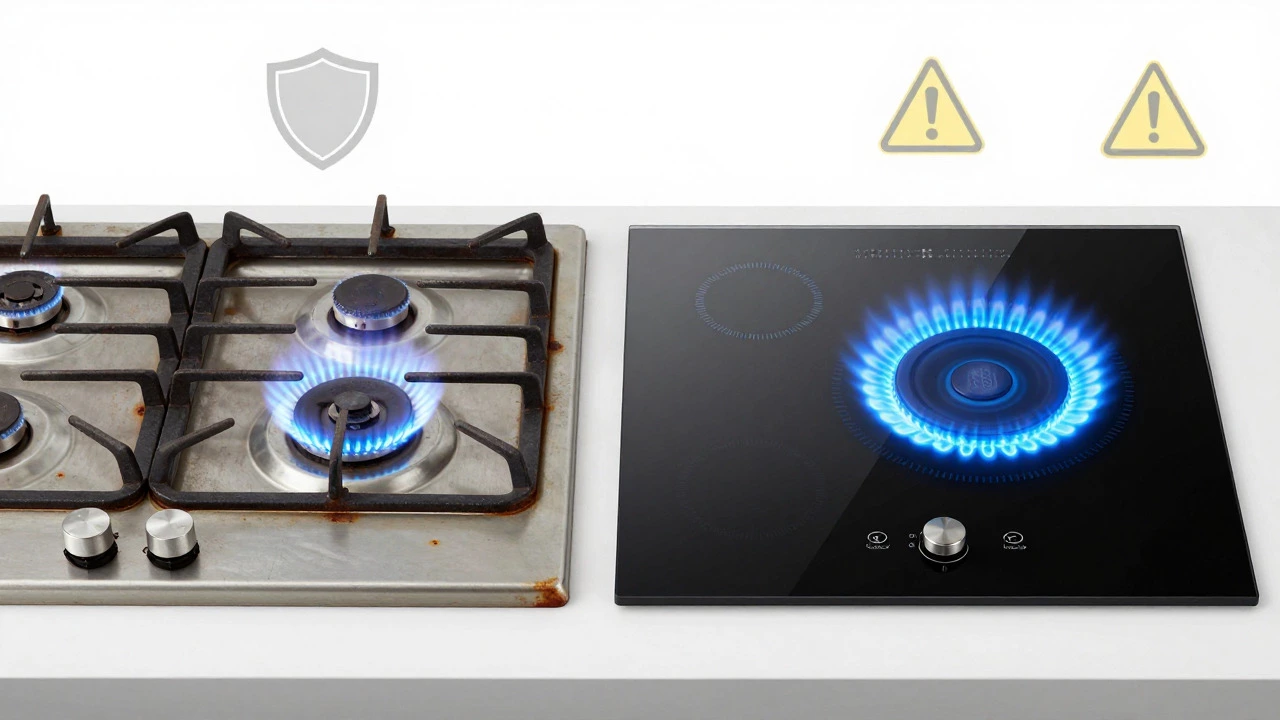
If you’re considering an induction cooktop, the savings are even more dramatic. Induction heats the pan directly, not the air around it. It uses up to 70% less energy than traditional electric coils. Plus, it cools down instantly, which is safer for kids and pets.
Performance and Convenience Upgrades
Beyond cost and safety, think about how you actually use your kitchen. Cooking technology has evolved. Modern ovens offer precise temperature control, self-cleaning cycles that work effectively, and smart features that integrate with your phone.
- Even Heating: Newer ovens have better insulation and fan systems, eliminating hot spots that ruin cakes and roast meats unevenly.
- Faster Boiling: Induction or high-BTU gas burners boil water in half the time of old coil elements.
- Easier Cleaning: Modern self-clean cycles use pyrolytic heat to turn food residue into ash, which you simply wipe away. Old models often leave stubborn grime or damage the door seal during cleaning.
- Smart Features: Many new stoves allow you to preheat the oven from your smartphone, check internal temps remotely, or receive alerts when cooking is done.
These aren’t just gimmicks. They change your daily routine, making cooking less stressful and more enjoyable.
When Might Repair Make Sense?
Are there exceptions? Yes, but they’re rare. Fixing a 15-year-old stove might make sense if:
- The repair is trivial and cheap: If it’s just a clogged burner port ($10 fix) or a loose knob, sure, do it. But don’t expect the stove to last much longer.
- You’re moving soon: If you’re selling your house in two months, a quick fix might help close the deal without the hassle of replacing the appliance.
- It’s a high-end vintage model: Some professional-grade ranges from brands like Wolf or Viking hold their value and have parts available for decades. If you own a luxury commercial-style range, consult a specialist. For standard consumer models (GE, Whirlpool, Samsung, LG), this rarely applies.
How to Choose a Replacement
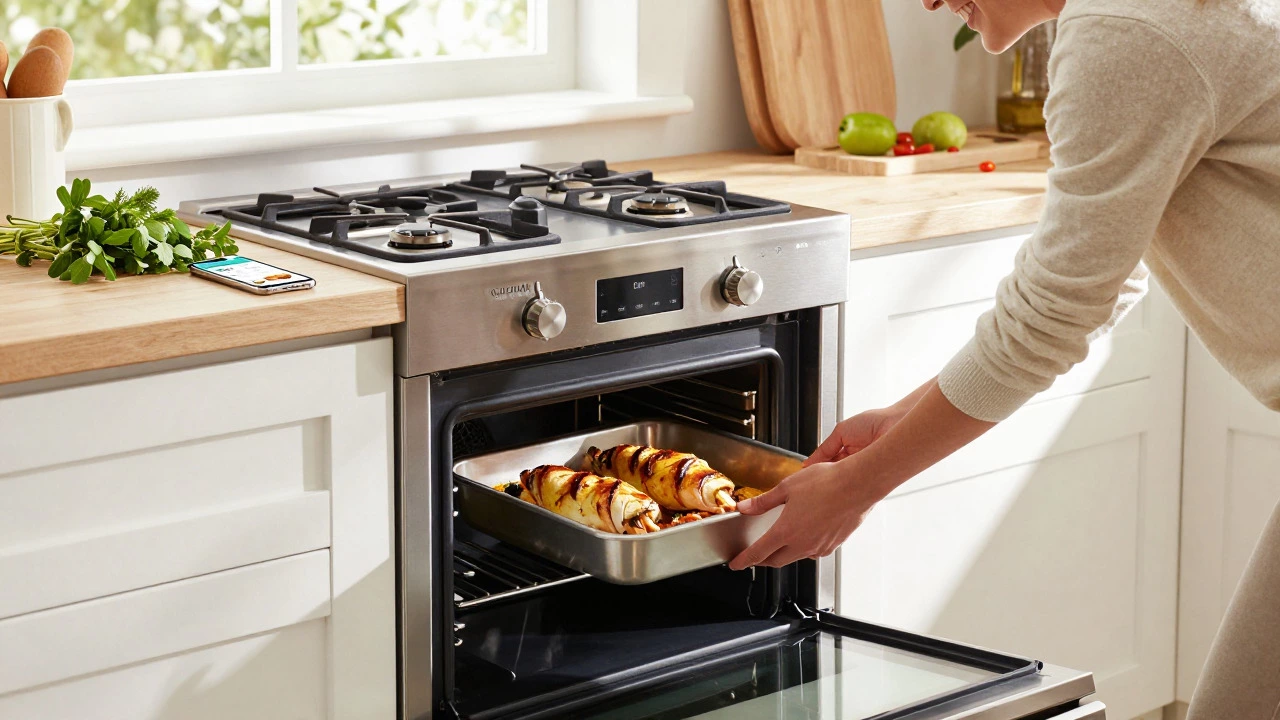
If you decide to replace-which we recommend-here’s how to pick the right one for your needs in 2026.
1. Measure Twice: Ensure the new stove fits your existing cutout. Standard widths are 30 inches, but depth and height vary. Check if you need a slide-in, freestanding, or built-in model.
2. Fuel Type: Are you on gas or electric? Switching fuel types requires new hookups (gas line or 240V circuit), which adds to the installation cost. Stick with what you have unless you’re renovating the kitchen.
3. Consider Induction: If you’re on electric, strongly consider induction. It’s the future of cooking. Just ensure your pots and pans are magnetic (place a magnet on the bottom; if it sticks, it works).
4. Look for Rebates: In 2026, many utilities and governments offer rebates for high-efficiency appliances. Check with your local provider before buying. You might get $50-$200 back for choosing an ENERGY STAR-rated model.
Next Steps: What to Do Now
If your stove is broken, don’t panic. Here’s your action plan:
- Get a Quote: Call a repair technician. Ask specifically for the total cost including labor and parts. If it’s over $300, thank them and hang up.
- Shop Around: Visit major retailers online or in-store. Compare prices for mid-range models ($800-$1,200). Read reviews focusing on reliability and customer service.
- Check Installation: Factor in delivery and installation fees. Many retailers charge $100-$200 for haul-away and setup. Get this included in your budget.
- Dispose Responsibly: Don’t just leave your old stove on the curb. Many retailers will haul it away for recycling. Otherwise, contact your local waste management for bulky item pickup.
Replacing a 15-year-old stove isn’t just about fixing a broken part. It’s an investment in safety, efficiency, and your daily quality of life. The math almost always favors replacement, and the peace of mind is priceless.
How long does a typical stove last?
Most standard residential stoves last between 13 and 15 years. Gas stoves may last slightly longer (up to 15-20 years) if well-maintained, while electric models often hit their limit around 13 years due to wear on heating elements and control boards.
Is it safe to use a 15-year-old gas stove?
It depends on maintenance. Older gas stoves lack modern safety features like automatic gas shutoffs. Check for carbon monoxide detectors in your kitchen and have a professional inspect the gas lines and burners annually. If you smell gas or see irregular flames, replace it immediately.
Should I switch from gas to electric or induction?
Switching fuel types involves higher upfront costs for new hookups. However, induction is more efficient and safer. If you’re already on electric, switching to induction is easy. If you’re on gas, consider staying with gas unless you’re renovating, as installing a new 240V circuit for electric/induction can be expensive.
What is the average cost to replace a stove in 2026?
A mid-range new stove costs between $800 and $1,500. Including delivery, installation, and haul-away of the old unit, expect to pay $900 to $1,800 total. High-end or smart models can exceed $2,500.
Can I install a new stove myself?
If you’re experienced with electrical or gas work, yes. However, improper installation can void warranties and create safety hazards. Most manufacturers require professional installation for warranty validity. Hiring a pro ensures correct hookup and safety checks.