Dishwasher Repair vs. Replace Calculator
Our Recommendation:
Enter your details above to see the analysis.
Quick Takeaways for Your Decision
- If the repair cost is more than 50% of a new machine, buy new.
- If your machine is under 8 years old, repair is usually the smarter bet.
- Control board failures in old machines are often the "death knell."
- Simple leaks or pump clogs are almost always worth fixing.
The Magic Number: The 50% Rule
When you're staring at a technician's quote, use the 50% rule. This is a simple heuristic used by home economists to decide on appliance longevity. If the cost of the dishwasher repair plus the call-out fee exceeds half the price of a comparable new model, it's time to start shopping. For example, if a mid-range Bosch costs $800 and your repair quote is $450, you're entering the danger zone. If the repair is $150, it's a no-brainer-fix it.
But money isn't the only factor. You also have to look at the age of the machine. Dishwashers are electric kitchen appliances designed to clean dishware and cutlery automatically. Most modern units have a lifespan of about 9 to 12 years. If your machine is already 10 years old, spending $300 to fix a pump is like putting a new engine in a car with a rusted-out frame. You might fix the pump today, but the heating element or the door seal will likely give out six months from now.
Common Failures and Their Real Costs
Not all breakdowns are created equal. Some are catastrophic, while others are just "nuisance' problems. Let's break down the most frequent culprits.
| Problem | Typical Cause | Repair Difficulty | Verdict |
|---|---|---|---|
| Won't Drain | Clogged filter or pump | Low/Medium | Always Fix |
| Not Cleaning Well | Clogged spray arms/Hard water | Low | Always Fix |
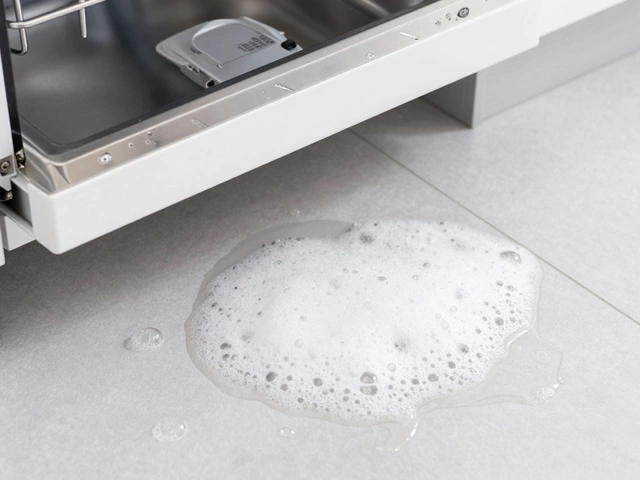
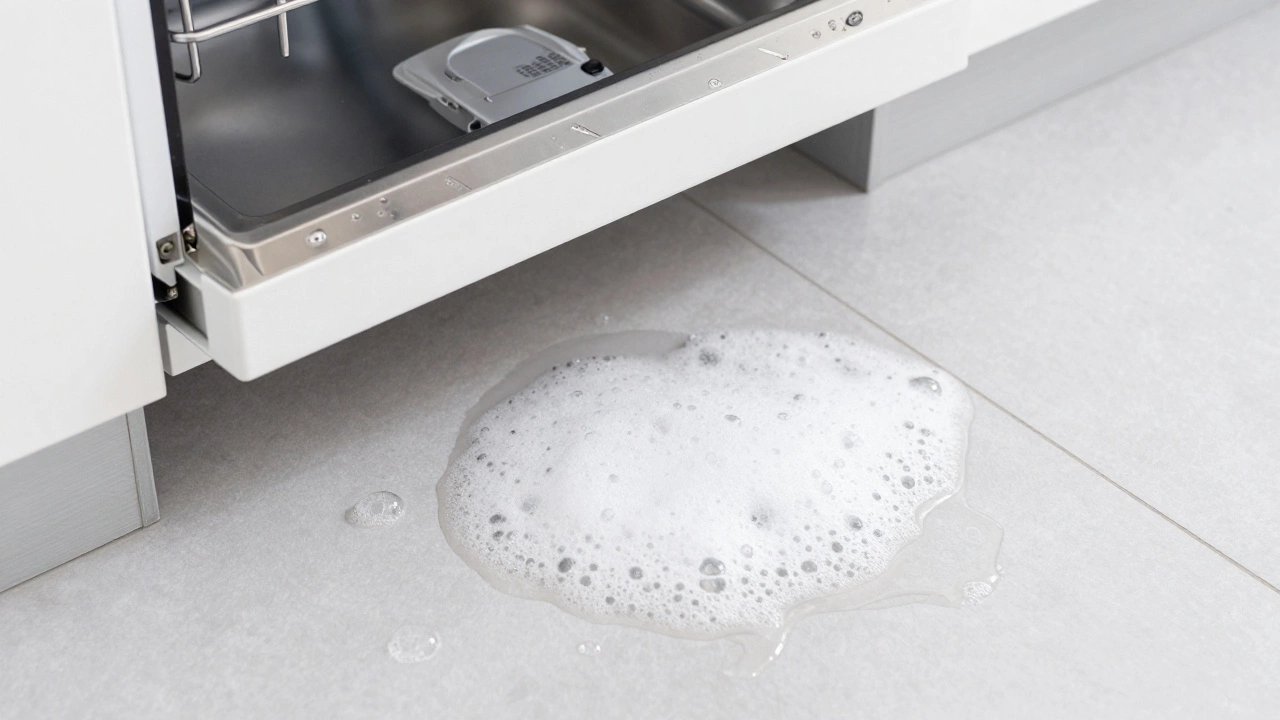
| Leaking from Bottom | Worn door gasket or pump leak | Medium | Fix if < 7 years old |
| Dead Display/No Power | Failed Control Board | High | Replace if > 6 years old |
| Not Heating Water | Heating Element burnout | Medium | Fix if mid-life |
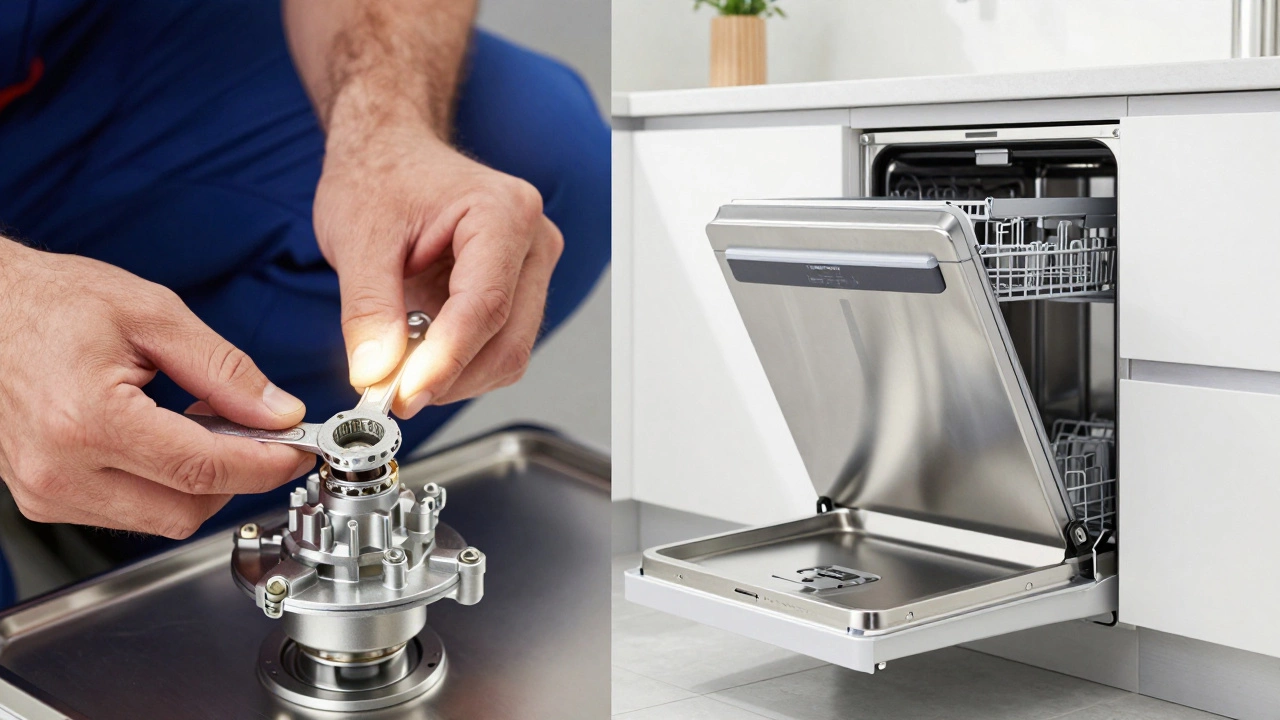
Take the "won't drain" scenario. Often, this is just a piece of broken glass or a rogue popcorn kernel jammed in the Drain Pump, which is the mechanical component responsible for pushing wastewater out of the tub and into the plumbing. A professional might charge a flat fee to clear it, but it's a mechanical fix that doesn't degrade the rest of the machine's value.
When You Should Definitely Just Replace It
There are a few red flags that mean your dishwasher is officially a paperweight. First, look for extensive rust on the interior tub. While most tubs are stainless steel, some cheaper models use plastic or coated metal that can corrode. Once the tub leaks, you're essentially fighting a losing battle against water damage to your cabinetry.
Second, consider the Control Board. This is the "brain" of the machine. If the board fries due to a power surge or age, it's often the most expensive part to replace. In older machines, these boards are frequently discontinued, meaning you can't find the part even if you're willing to pay. If the technician tells you the motherboard is gone and the machine is 8 years old, do yourself a favor and browse the latest energy-efficient models.
Finally, think about energy and water efficiency. Dishwashers from a decade ago are thirsty. A modern Energy Star certified unit can use up to 30% less water and electricity than a model from 2015. Over three years, the savings on your utility bills might actually cover a chunk of the new machine's cost.
The Hidden Costs of "Cheap" Repairs
It's tempting to buy a generic part from a third-party site and try a DIY fix. But be careful. Using non-OEM (Original Equipment Manufacturer) parts can sometimes lead to unexpected failures. For instance, a cheap replacement door seal might look right, but if it doesn't create a perfect vacuum, you'll have slow leaks that rot your kitchen floorboards before you even notice them.
Professional repair also gives you a warranty. A reputable technician will usually offer a 90-day guarantee on the part and labor. If you DIY it and break a plastic clip on the chassis, you're the one paying for the mistake. If a pro breaks it, they fix it for free. That peace of mind is often worth the $100 call-out fee.
Maintenance That Prevents the Big Decision
If you want to avoid the "repair vs. replace" dilemma entirely, you need to treat your dishwasher like a car. You wouldn't drive 50,000 miles without an oil change, right? Your dishwasher needs similar attention.
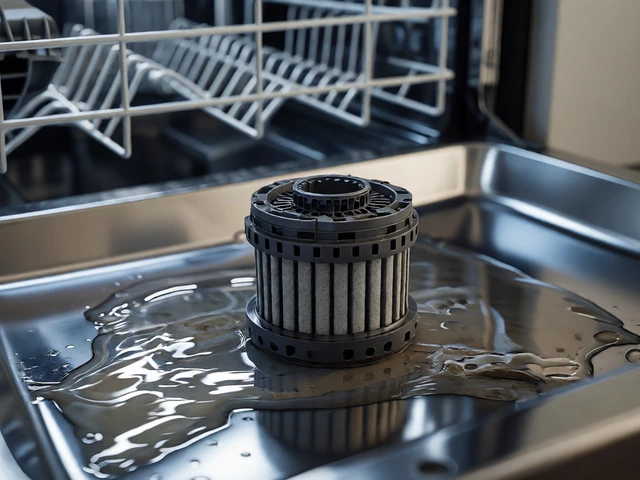
- Clean the Filter Weekly: Most modern machines have a twist-out filter. If you leave it for six months, grease and food particles build up, forcing the pump to work twice as hard. This leads to premature motor failure.
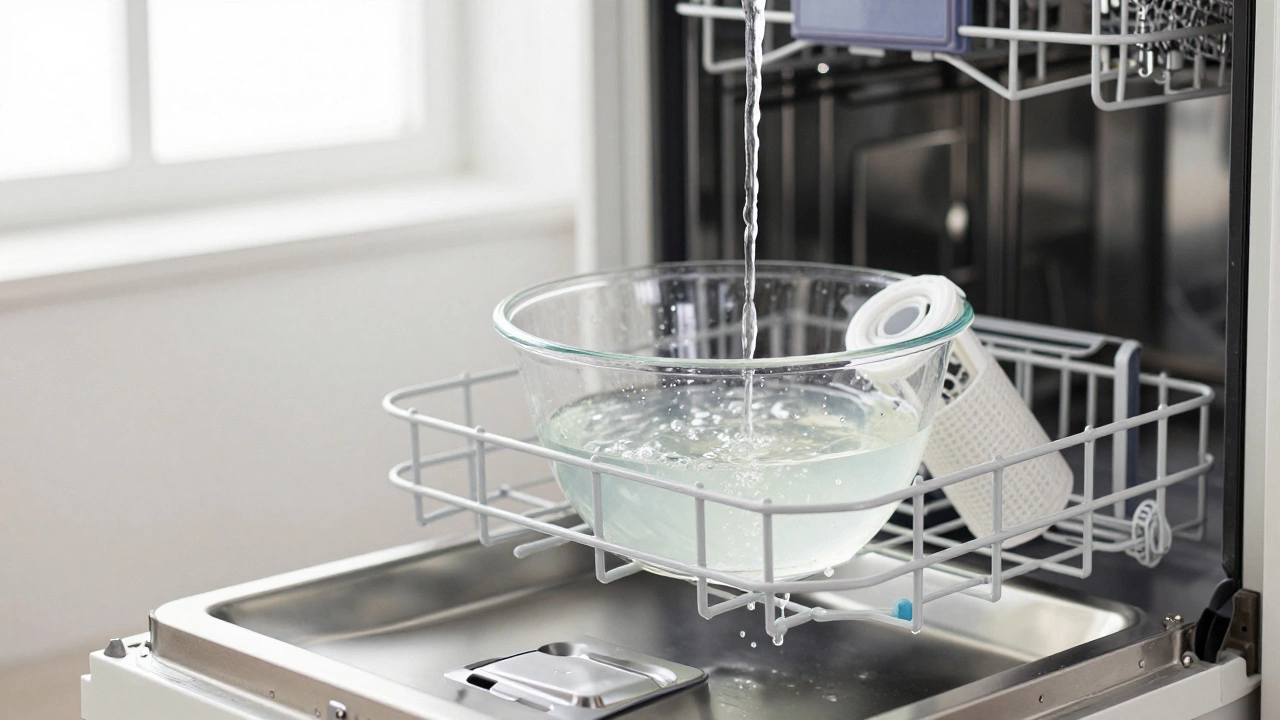
- Run a Vinegar Cycle: Every few months, place a bowl of white vinegar on the top rack and run a hot cycle. This breaks down the calcium deposits (limescale) that clog the spray arms.
- Check the Hoses: Once a year, pull the machine out slightly and check for cracks in the intake hose. A tiny drip today is a flooded kitchen tomorrow.
By spending fifteen minutes a month on these tasks, you can easily push a dishwasher's lifespan from 8 years to 12 years. That's a massive return on investment for very little effort.
Comparing the Financial Outcomes
Let's look at a real-world comparison. Suppose you have a 6-year-old dishwasher with a failed water inlet valve. A new valve costs $60, and a pro charges $120 for labor. Total: $180. A new, comparable machine costs $600. By repairing, you save $420 and keep a machine that likely has another 4-6 years of life left.
Now, imagine a 12-year-old machine with the same problem. The valve is $60, labor is $120. Total: $180. However, the seals are brittle, the racks are rusted, and it uses twice the water of a new model. Spending $180 on a "zombie" machine is often a mistake because you're delaying the inevitable. In this case, the $600 investment in a new unit is the logically sound choice.
How long do most dishwashers actually last?
On average, you can expect a dishwasher to last between 9 and 12 years. High-end brands with stainless steel tubs usually lean toward the longer end of that spectrum, while budget models may start showing significant wear around year 7.
Is it ever worth fixing a dishwasher that is 10 years old?
Only if the repair is extremely cheap (under $100) and the machine is otherwise in great condition. At 10 years, most internal components are reaching their end-of-life, so a major repair usually just triggers another failure elsewhere shortly after.
What is the most common part that fails in a dishwasher?
The drain pump and the door seal are the most common failure points. Pumps often fail because they get clogged with debris, while seals wear out due to the constant heat and chemicals in dishwasher detergents.
Can I repair my own dishwasher to save money?
Yes, for simple things like cleaning filters, replacing spray arms, or swapping a hose. However, avoid DIY repairs on the control board or electrical wiring unless you are experienced, as this can lead to electrical shorts or void your remaining warranty.
Why is my dishwasher not cleaning dishes despite being "fixed"?
This is often a maintenance issue rather than a mechanical failure. Check if your spray arms are clogged with mineral buildup or if you are using too little detergent. Hard water can leave a film that makes dishes look dirty even when they are technically clean.
What to Do Next
If you're still undecided, start by doing a "deep clean" of the filter and spray arms. You'd be surprised how many "broken" dishwashers are actually just clogged. If that doesn't work, call a technician for a diagnostic visit. Be honest with them about the age of the machine; a good pro will tell you if it's a waste of money to fix. If you decide to replace the unit, remember to check if your local council offers rebates for recycling old appliances or switching to energy-efficient models.