No Hot Water Troubleshooter
Step 1: Identify Your System
Select the type of water heater you have.
Result
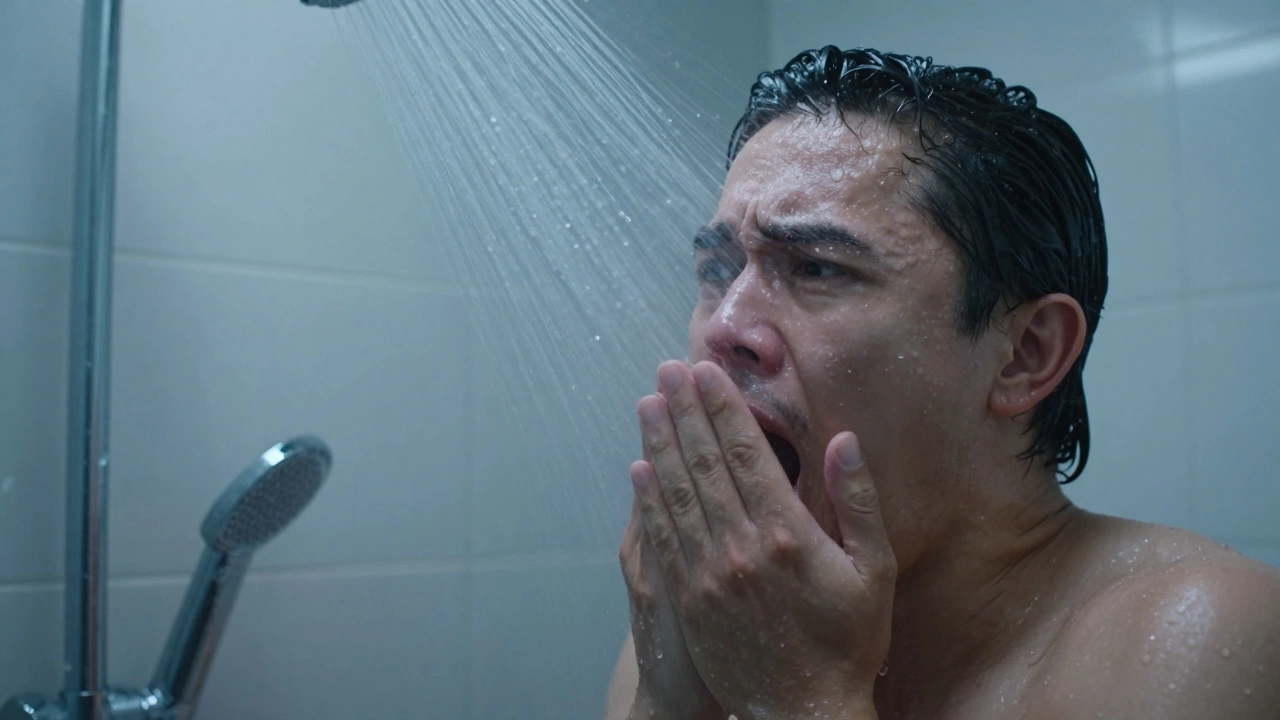
You turn the handle on your shower knob, expecting a warm rush of water after a long day. Instead, you get an icy blast that makes you jump back. It’s frustrating, uncomfortable, and often happens at the worst possible time-like right before you need to shower for work or when the kids are waiting for a bath.
If you are staring at a cold tap wondering why your system failed, you aren't alone. This is one of the most frequent calls we get in Wellington. While it feels like a major disaster, the culprit is usually something simple. In fact, the most common cause of no hot water is rarely a broken tank or a catastrophic pipe burst. It is almost always a control issue, a fuel supply glitch, or a simple setting error.
Before you call a technician and pay for a visit, let’s walk through the likely suspects. By checking these areas yourself, you might solve the problem in five minutes, saving you money and restoring comfort to your home.
The Thermostat: Is It Just Set Too Low?
It sounds obvious, but it happens more than you’d think. The first place to look is the temperature dial on your unit. If you have a traditional storage tank (whether gas or electric), there is a physical dial or digital display controlling the heat.
Sometimes, during cleaning or maintenance, this dial gets bumped. Other times, if you recently tried to save energy by lowering the temperature, you might have set it too low to register as "hot" coming out of the tap, especially if you have long pipes running from the heater to the bathroom.
| Setting Type | Temperature (°C) | Purpose |
|---|---|---|
| Energy Saving | 50°C - 60°C | Reduces heating costs but may feel lukewarm |
| Standard Comfort | 60°C - 65°C | Balances comfort with safety and efficiency |
| Maximum Heat | 70°C+ | Risk of scalding; only use if necessary |
Check the dial. If it’s below 60°C, try turning it up slightly. Wait 30 to 60 minutes for the tank to reheat, then test the water. If it’s already high and still cold, move to the next step.
Gas Heaters: The Pilot Light Issue
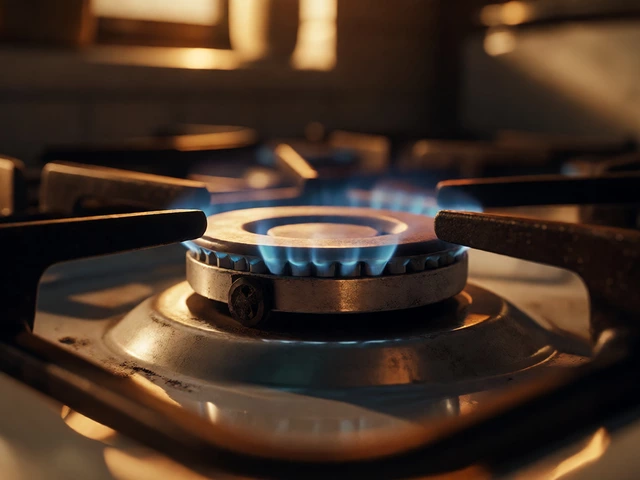
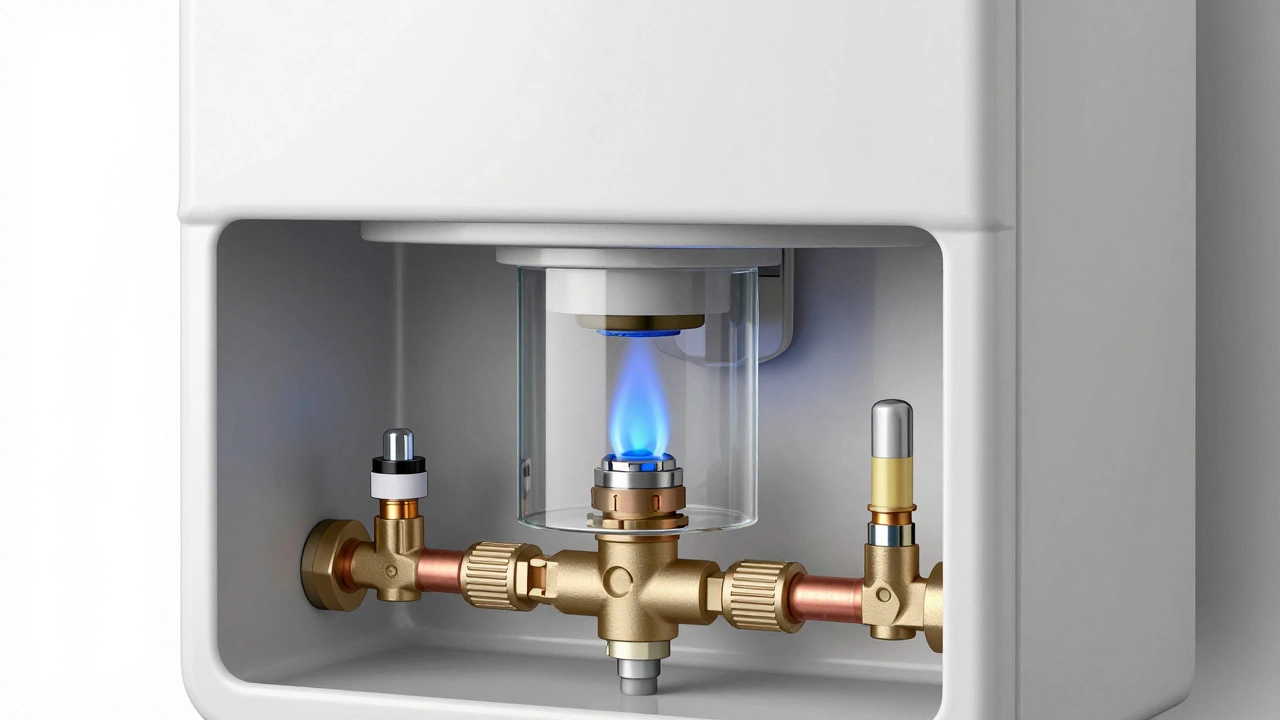
If you have a natural gas or LPG water heater, the pilot light is the small, constant flame that ignites the main burner when you open the hot water tap. If this flame goes out, your heater cannot generate heat. No flame means no hot water.
Why does the pilot light go out? A few reasons:
- Drafts: Even a slight breeze in the garage or laundry room can blow out the pilot.
- Dirt: Dust or debris can clog the thermocouple sensor, which tells the valve that the pilot is lit.
- Power Outage: Some modern units reset their ignition systems after a power flicker.
To check this, locate the access panel on your unit. You should see a small glass window. Look inside. Do you see a steady blue flame? If not, you need to relight it. Most units have clear instructions printed on the side. Follow them carefully. If the pilot lights but goes out again within a minute, your thermocouple is likely faulty and needs replacement-a cheap part, but one that requires a bit of technical know-how.
Electric Heaters: The Tripped Switch or Blown Fuse
For electric storage heaters, electricity is the lifeblood. If the power isn’t reaching the heating elements, you’re getting cold water. Before assuming the element is dead, check your home’s electrical distribution board (fuse box).
Look for a switch labeled "Hot Water" or "Water Heater." Is it switched off? Sometimes, during stormy weather or heavy load spikes, the circuit breaker trips to protect the wiring. Flip it back on. If it trips immediately again, stop. This indicates a short circuit or a failing element, and you need a qualified electrician.
If the switch is on, check the isolation switch near the heater itself. These switches often have a red button that pops out when the unit overheats or detects a fault. Pressing this reset button can restore power. However, if it keeps tripping, do not keep resetting it. That is a warning sign of a serious internal failure.
Sediment Buildup: The Silent Killer
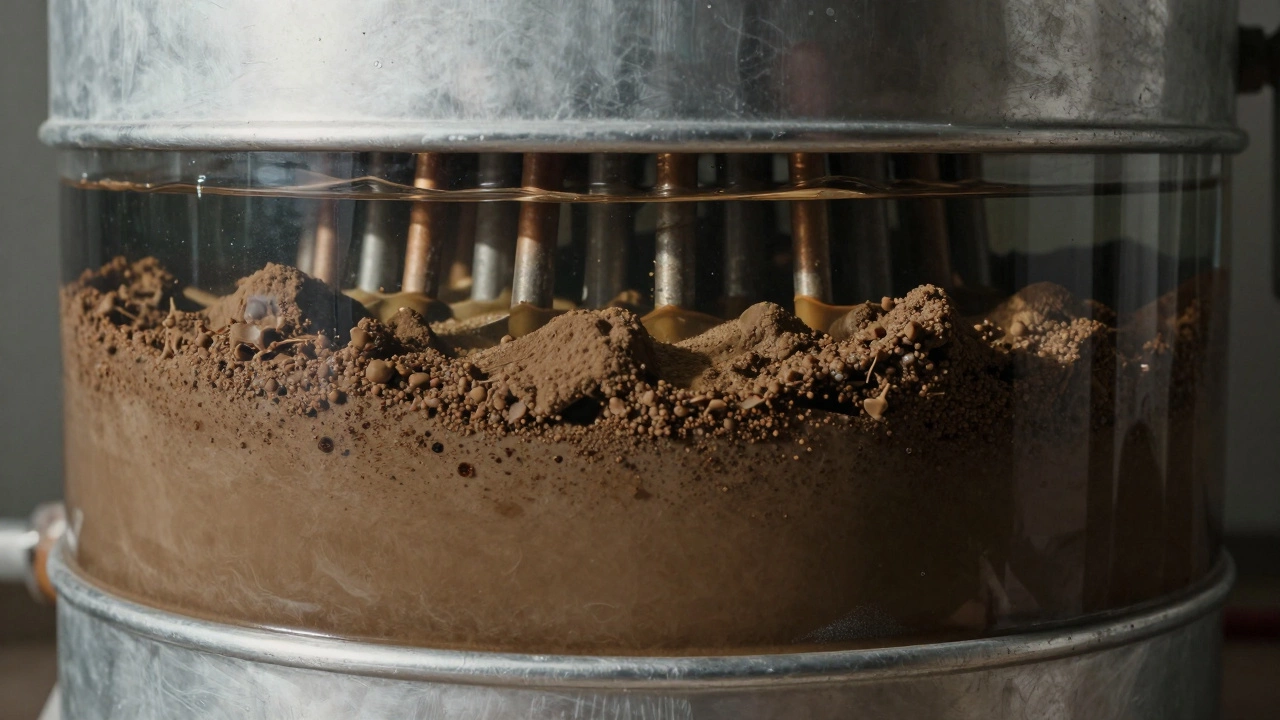
Here is where things get a bit more complex. If your pilot light is on, the thermostat is set correctly, and the power is flowing, but the water is still lukewarm or runs out quickly, you might be dealing with sediment buildup.
Over time, minerals in your water-especially calcium and magnesium, which are common in hard water areas-settle at the bottom of the tank. This creates a layer of sludge between the burner (or electric element) and the water. The burner heats the sludge, not the water directly. This insulates the water, making the heater work harder and less efficiently.
Symptoms of sediment issues include:
- Water that gets warm but never fully hot.
- A popping or rumbling noise coming from the tank while heating.
- Reduced hot water capacity (you run out faster than usual).
Flushing the tank annually can prevent this. If you haven’t flushed it in years, this could be your primary issue. It’s a maintenance task that extends the life of your unit significantly.
Thermocouple and Thermistor Failures
These are the sensors that tell your water heater how hot the water is. Think of them as the thermometer for your machine.
Thermocouple is a safety device in gas appliances that generates a small electric current to keep the gas valve open when the pilot light is burning. If it fails, the gas valve shuts off to prevent gas leaks, resulting in no heat.In electric models, a thermistor performs a similar role. If these sensors drift out of calibration or break, the computer or control board thinks the water is already hot, so it doesn’t activate the burner or element. Replacing these sensors is relatively inexpensive, but diagnosing them requires a multimeter to check for continuity.
When to Call a Professional
While many causes of no hot water are DIY-friendly, some situations require a licensed plumber or gasfitter. In New Zealand, working on gas appliances requires specific licensing due to safety regulations. If you smell gas, hear hissing, or see signs of leakage, evacuate the area and call a professional immediately.
Also, consider calling help if:
- You have tried relighting the pilot multiple times without success.
- The reset button on an electric unit keeps tripping.
- You suspect a leak around the base of the tank.
- Your unit is older than 10-15 years and showing multiple symptoms.
Trying to force a repair on an aging unit can lead to bigger problems, like a ruptured tank, which can cause significant water damage to your home.
How long does it take for a water heater to heat up?
A standard storage tank water heater typically takes 30 to 60 minutes to fully heat a new batch of water. Instantaneous (continuous flow) heaters provide hot water almost immediately, but they depend on consistent gas pressure or electrical load. If your storage tank has just been drained or repaired, expect to wait at least an hour before testing the temperature.
Is it dangerous to relight a pilot light myself?
If you follow the manufacturer's instructions carefully, it is generally safe. However, if you smell gas strongly before attempting to relight, do not proceed. Evacuate and call a gasfitter. Always ensure the area is well-ventilated. If you are unsure or uncomfortable, hire a professional. Gas safety is critical in any household.
Why is my hot water lukewarm instead of cold?
Lukewarm water often points to a mixing issue or partial failure. Check if your thermostatic mixing valve (TMV) is stuck. TMVs blend cold and hot water to prevent scalding. If it fails, it may restrict hot water flow. Alternatively, in dual-element electric heaters, one element may have burned out, leaving only half the capacity to heat the tank.
Can a frozen pipe cause no hot water?
Yes, especially in colder months in places like Wellington. If the inlet pipe to your water heater freezes, water cannot enter the tank to be heated. You might notice low pressure at all taps, not just hot ones. Insulate exposed pipes and avoid draining the tank completely during freezing conditions unless necessary.
How often should I service my water heater?
Annual servicing is recommended for gas units to check for carbon monoxide leaks and clean the burner. Electric units benefit from annual flushing to remove sediment. Regular maintenance prevents unexpected breakdowns and improves energy efficiency, potentially lowering your utility bills by 10-15%.