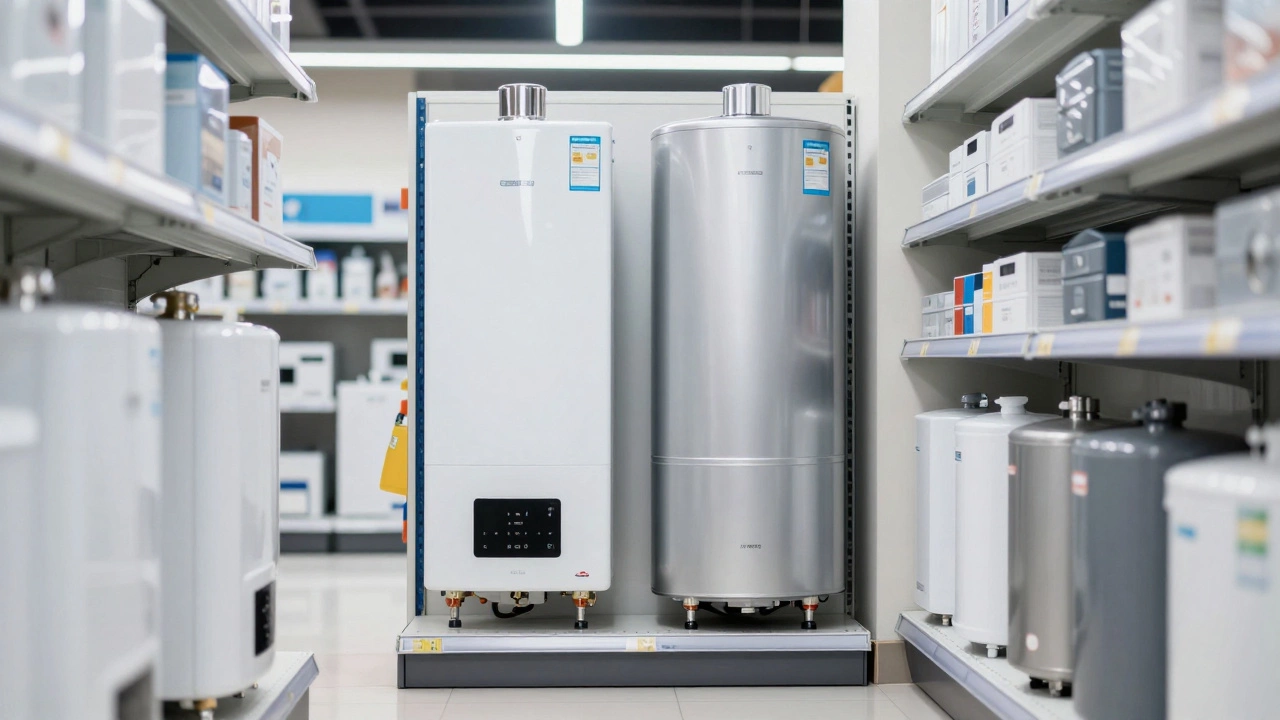
Water Heater Brand Selector
Answer a few questions about your home and priorities to find the best brand match for your situation.
Quick Comparison: Key Takeaways
- Rheem is often the better choice for those who want more options, faster installation, and a wide variety of price points.
- AO Smith usually wins on long-term build quality and efficiency, especially in their high-end tankless models.
- Maintenance: Both require annual flushing, but AO Smith's high-efficiency units can be more sensitive to hard water.
- Warranty: Both offer competitive terms, but the fine print on "tank-only" versus "full-unit" coverage varies by model.
The Heavyweight Matchup: Understanding the Brands
When we talk about Rheem is a global manufacturer of water heating and cooling equipment known for a vast product catalog ranging from budget-friendly tanks to industrial systems. They've built a reputation for being the "everyman's" heater. If you walk into almost any home improvement store, you'll see Rheem because they design their units to be compatible with standard plumbing layouts, making them a favorite for contractors who want a fast, reliable swap. On the other side, AO Smith is an American company specializing in water treatment and heating solutions with a heavy emphasis on energy efficiency and high-grade materials. Where Rheem goes for variety, AO Smith often goes for precision. Their units are frequently praised for having thicker steel tanks and more advanced heat exchangers in their tankless lines, which generally means they can handle the wear and tear of a high-demand household slightly better over a 15-year span.Tanks vs. Tankless: Where the Real Difference Lies
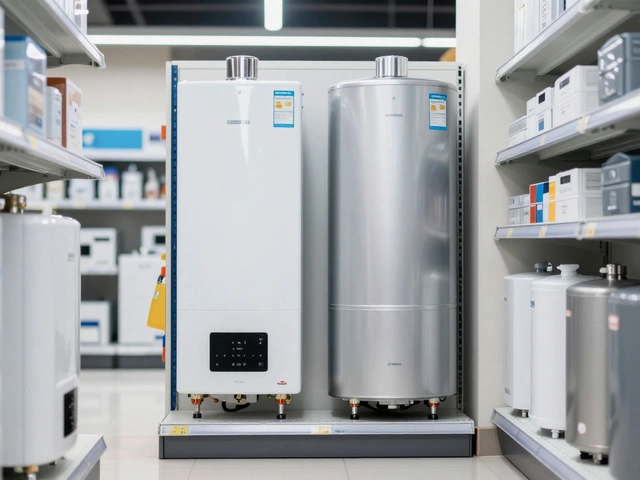
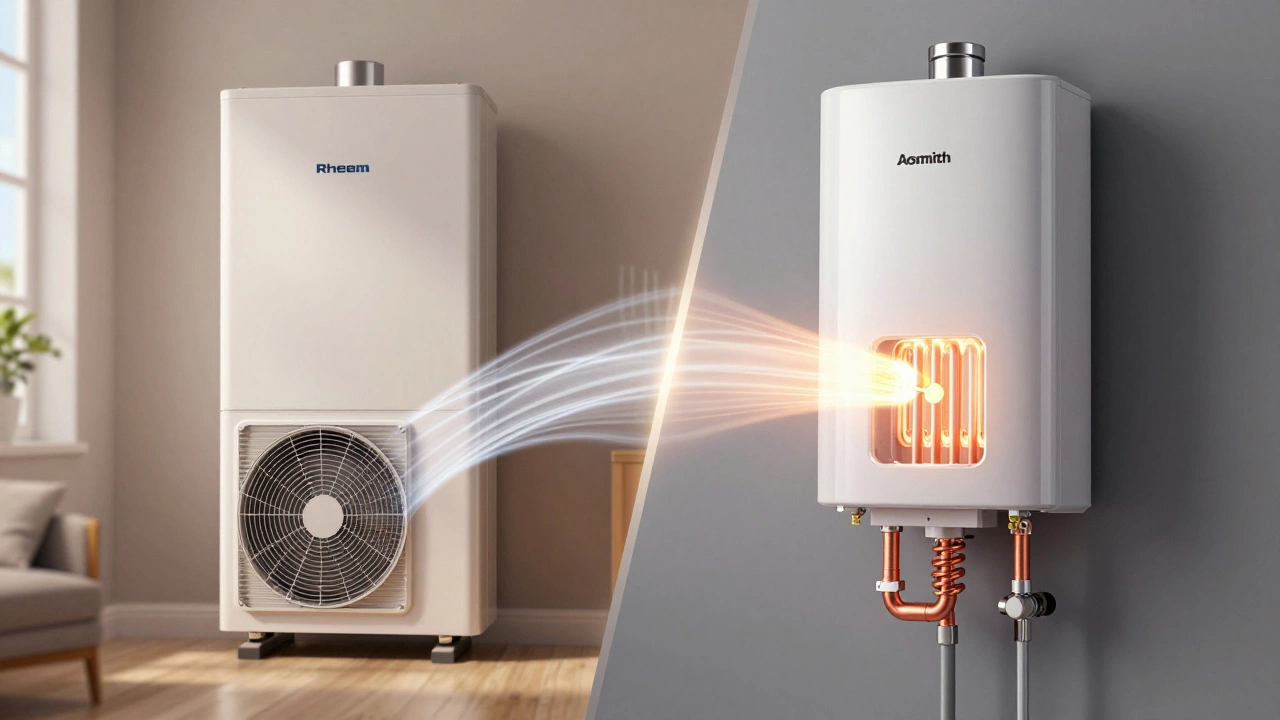
If you're sticking with a traditional storage tank, the gap between these two is narrow. A standard 50-gallon tank from either brand will do the same thing: heat water and keep it ready. However, the Rheem vs AO Smith debate gets interesting when you move into Tankless Water Heaters-systems that heat water on demand without a storage tank. AO Smith's tankless units are often cited as the gold standard for energy efficiency. They use high-grade copper heat exchangers that resist scale buildup better than cheaper aluminum versions. If you live in an area with hard water, an AO Smith unit might outlast a budget Rheem model because it handles mineral deposits with a bit more grace. Rheem, however, dominates in "hybrid" technology. Their Heat Pump Water Heaters are incredibly efficient because they pull warmth from the surrounding air rather than generating all the heat electrically. For a homeowner in a warmer climate, a Rheem hybrid can slash electricity bills by up to 70% compared to a standard electric tank. While AO Smith has efficient options, Rheem's push into heat pump tech has given them a significant edge in the "green" home market.| Feature | Rheem | AO Smith |
|---|---|---|
| Installation Speed | Very Fast (Contractor Friendly) | Standard |
| Build Materials | High-Quality Steel / Glass Lining | Premium Grade Steel / Thicker Walls |
| Energy Options | Leader in Heat Pump Hybrids | Leader in High-Efficiency Tankless |
| Availability | Ubiquitous in Retail Stores | Strong Dealer Network |
| Typical Lifespan | 10-12 Years | 12-15 Years |
The Hidden Cost of Maintenance
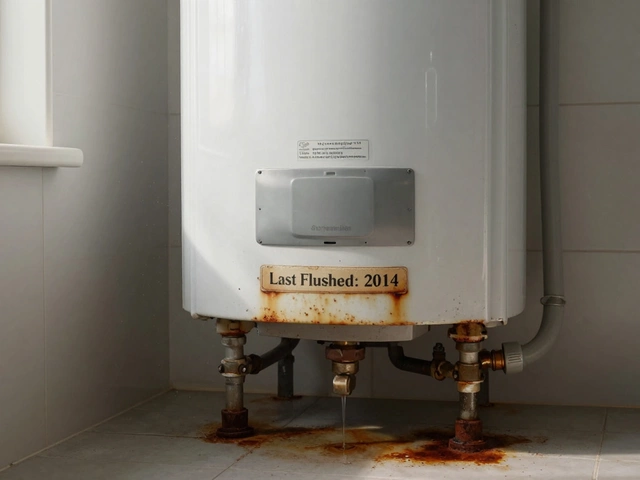
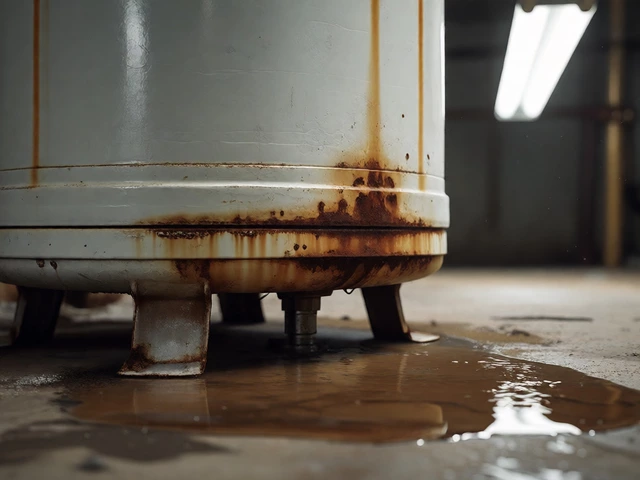
Buying the heater is the easy part; keeping it alive is where most people fail. Whether you go with a Gas Water Heater or an electric one, sediment is your biggest enemy. Calcium and magnesium build up at the bottom of the tank, creating a layer of "sludge" that forces the burner to work harder, eventually scorching the bottom of the tank and causing a leak. AO Smith units often come with slightly more intuitive drainage valves, making the annual flush a bit less of a chore. Rheem units are similarly easy to maintain, but because they are so common, you can find replacement parts for a Rheem heater at almost any local hardware store. If a heating element blows on a budget Rheem model, you can usually fix it for 50 bucks and a trip to the store. With AO Smith, you might find yourself waiting for a specific part to be shipped from a distributor, though the parts themselves generally have a lower failure rate.Warranty Realities: Reading the Fine Print
Don't let a "10-year warranty" sticker fool you into thinking the machine is guaranteed for a decade. Most warranties are pro-rated. This means in year one, they cover everything. By year six, they might only cover the cost of the tank, but you have to pay for the labor to install the new one. In my experience seeing these units fail, Rheem is very straightforward with their claims, but the actual longevity of their budget lines is shorter. AO Smith tends to have a slightly higher upfront price, but their warranties often reflect a higher confidence in the chassis's structural integrity. If you're planning to move out of your house in three years, a budget Rheem is a smart financial move. If this is your "forever home," the extra 200 dollars for an AO Smith's superior build quality is an investment that pays for itself by delaying the next replacement by two or three years.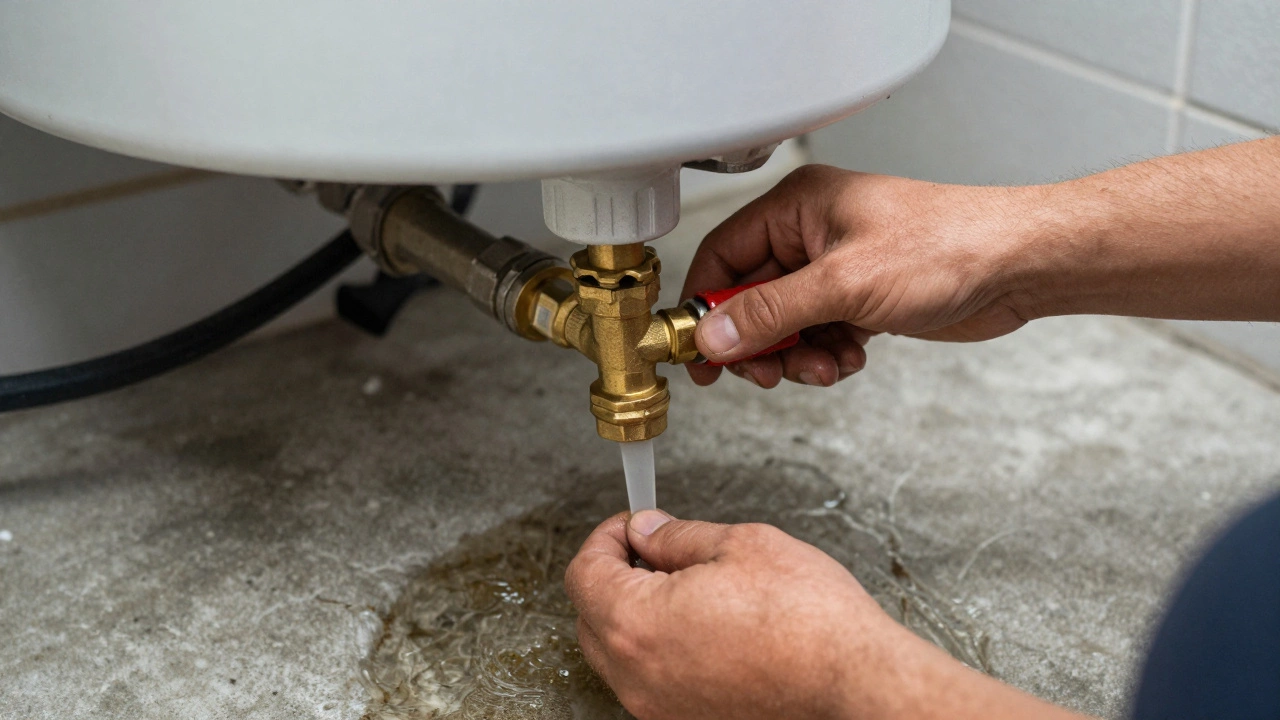
Which One Should You Actually Buy?
If you are currently facing a cold shower and need a replacement *today*, go with Rheem. The availability is unmatched, and any plumber in the city knows how to install them in their sleep. They are the "safe bet" for a quick, effective solution that doesn't break the bank. However, if you are renovating your home or planning for the long term, look at AO Smith. Specifically, if you're moving toward a tankless system, their engineering is marginally superior, and the efficiency gains over a decade are noticeable on your utility bills. Consider your water quality. If your water is "hard" (high mineral content), a Water Softener is more important than the brand of heater you choose. Even a top-of-the-line AO Smith will fail prematurely if it's fighting a constant battle against lime scale. Combine an AO Smith tankless unit with a dedicated softening system, and you've essentially built a water heating system that could outlast your mortgage.Does Rheem have a better warranty than AO Smith?
Neither is objectively "better," but they differ in structure. Rheem offers a wide range of warranties depending on the model (from 6 to 12 years). AO Smith often provides very strong coverage on their premium lines. The key is to check if the warranty is "full coverage" or "pro-rated," as most budget tanks from both brands become pro-rated after the first 6 years.
Which brand is quieter?
For standard tanks, there is very little difference. However, for tankless models, AO Smith's high-efficiency units are often slightly quieter during the ignition phase. If noise is a major concern, placing the unit in a garage or utility closet is more effective than choosing one brand over the other.
Are AO Smith water heaters more expensive to repair?
Generally, no. Because both are industry standards, most licensed plumbers can work on both. You might pay a slight premium for proprietary electronic boards in AO Smith's high-end tankless models, but for standard tank repairs, the costs are nearly identical.
Which is better for a large family?
For large families, a tankless system is almost always better to avoid the "morning shower gap" where the last person gets cold water. AO Smith's high-capacity tankless units are excellent for this. If you prefer a tank, Rheem's larger 80-gallon options are readily available and provide a massive buffer of hot water.
Do I need a special permit to switch from Rheem to AO Smith?
Switching brands doesn't require a special permit, but changing the *type* of heater (e.g., moving from a gas tank to an electric tankless) usually does. You will need a permit for the electrical or gas line modifications, regardless of whether you choose Rheem or AO Smith.
Next Steps and Troubleshooting
If you're deciding between these two and still feel stuck, do a quick audit of your current setup. Check your existing gas line size; if you're upgrading to a high-efficiency AO Smith tankless, you might find that your current gas line is too small to provide the necessary BTUs, requiring a costly pipe upgrade. For those already owning one of these brands and experiencing issues:- Rumbling sounds: This is usually sediment buildup. Perform a full flush of the tank immediately.
- Lukewarm water: Check the thermostat setting. If it's a gas model, check the pilot light or the electronic ignition module.
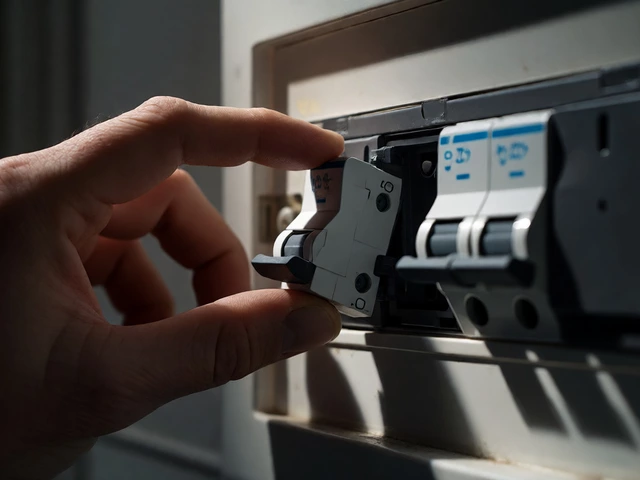
- Slow recovery time: If your tank takes hours to reheat, your lower heating element (in electric models) may have burned out.