
Water Heater Failure Diagnostic Tool
What is the primary issue you are experiencing?
Recommended Action:
Quick Summary: How to Spot a Failing Element
- Lukewarm water: If your water runs hot for a bit and then turns lukewarm, your upper element is likely fine, but the lower one is dead.
- No hot water at all: This usually suggests the upper element has failed or there's a power issue.
- Strange noises: Popping or rumbling sounds (sediment buildup) often kill elements over time.
- Tripped breakers: A shorted element will frequently trip your electrical panel.
Why Do Water Heater Elements Fail?
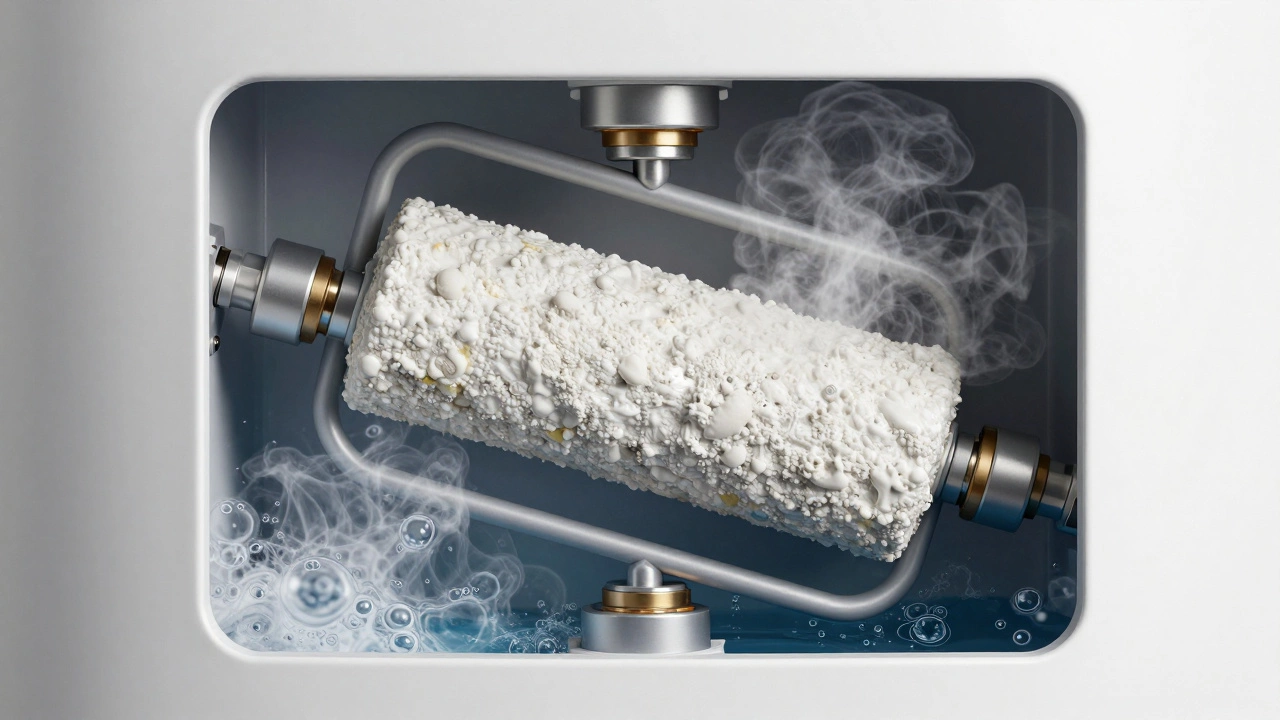
Before we get into the "how," let's talk about the "why." In an Electric Water Heater is a tank-based system that uses submerged electrical resistance coils to heat water. These coils are the elements. Over time, Calcium and Magnesium from your water supply settle at the bottom of the tank. This is called scale buildup. When an element is covered in a thick layer of minerals, it can't transfer heat into the water efficiently. Instead, the element overheats and eventually burns out, much like an old lightbulb filament snapping.
Another common killer is "dry firing." This happens if the power is turned on before the tank is completely full of water. Without water to absorb the heat, the element reaches extreme temperatures in seconds and melts. If you've recently drained your tank for maintenance and forgot to bleed the air out of the lines, you might have accidentally fried your element.
The Classic Signs of a Bad Element
You can usually tell which element is failing based on how your water behaves. Since the Upper Heating Element heats the top portion of the tank first, it's the primary driver for your first few gallons of hot water. The Lower Heating Element is responsible for maintaining the temperature of the bulk of the water.
If you notice that the first few minutes of your shower are steaming hot, but then the water quickly drops to a lukewarm temperature, your upper element is working, but your lower element has likely failed. You're essentially only heating the top 30% of your tank. On the other hand, if the water is cold from the second you turn the tap, the upper element is likely dead, or your Thermostat is malfunctioning.
Keep an ear out for "kettling." If your water heater sounds like a boiling pot of water, it's a sign that sediment is trapping steam bubbles against the element. This isn't a failure yet, but it's a warning that a burnout is imminent. If you ignore the noise, the element will eventually crack or burn through.
Testing the Element with a Multimeter
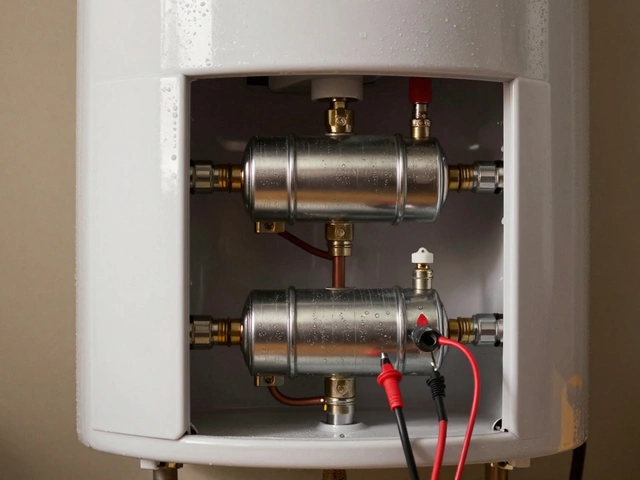
Guessing is fine for a rough idea, but the only way to know for sure if you have a bad hot water heater element is to test it for continuity. For this, you'll need a Multimeter, which is an electronic tool used to measure voltage, current, and resistance. This is the gold standard for any DIY water heater repair.
First, safety is non-negotiable. Turn off the power at the breaker panel. Do not attempt this with live electricity. Remove the access panels on the side of the heater and take off the protective plastic covers. Use a screwdriver to remove the wires from the element terminals. You want to test the element in isolation, not as part of the circuit.
- Set your multimeter to the lowest Ohm ($Ω$) setting (usually 200 ohms).
- Touch one probe to each of the two screw terminals on the element.
- Look at the reading. A healthy element should show a resistance reading between 10 and 30 ohms.
- If the meter reads "OL" (Open Loop) or infinity, the internal filament is broken. The element is dead and needs replacement.
- Check for "grounding" by touching one probe to a terminal and the other to the metal tank. If you get any reading other than OL, the element is shorted to the ground, which is why your breaker might be tripping.
Comparing Element Types and Materials
Not all elements are created equal. Depending on your water quality, you might want to upgrade the material of your replacement part. Standard elements are often made of Incoloy, but if you live in an area with very hard water, you might look for specialty versions.
| Material/Type | Pros | Cons | Best For |
|---|---|---|---|
| Standard Incoloy | Affordable, widely available | Prone to scale buildup | Soft water areas |
| Low-Wattage | Slower heat-up, less stress on tank | Takes longer to recover hot water | Older tanks |
| High-Efficiency | Faster recovery times | Higher energy draw | Large families |
Common Pitfalls During Repair
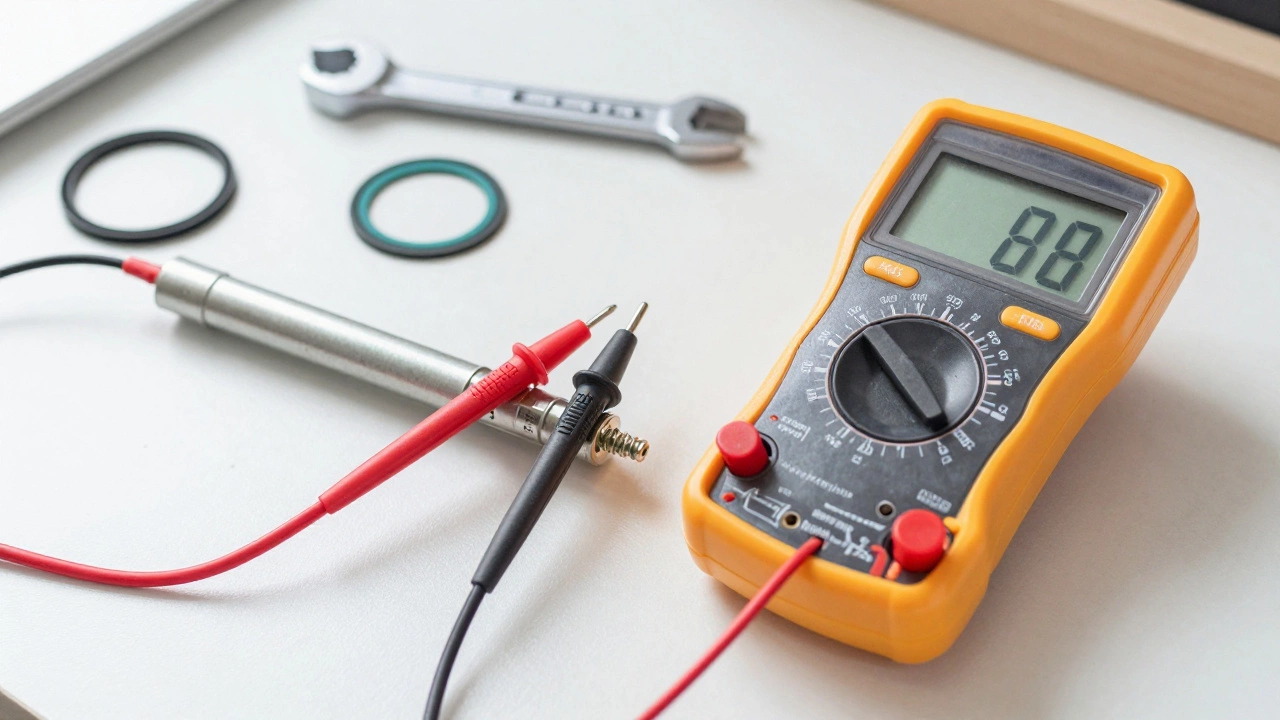
Replacing an element seems simple, but there are a few traps that can ruin your day. The biggest mistake is not using a Water Heater Element Wrench. Trying to use a pipe wrench or pliers often strips the hex head of the element, turning a 20-minute job into a three-hour nightmare of drilling out a stuck bolt.
Another common error is failing to check the gaskets. The rubber ring that seals the element to the tank is critical. If you reuse an old, flattened gasket, you'll get a slow drip that can rust your tank's exterior. Always buy a new gasket with your element. While you have the element out, it's a great time to reach into the tank and scoop out any sediment. If you leave the sludge at the bottom, your brand new lower element will just be buried in lime and burn out again in six months.
Finally, double-check your wiring. Ensure the wires are stripped just enough to fit under the screw but not so much that bare copper is exposed and touching the metal casing. A loose connection here can cause "arcing," which will melt the plastic covers and potentially start a fire.
Alternative Causes for No Hot Water
If you test your elements and they both show perfect continuity, the problem isn't the element. You might be dealing with a failed Thermostat. The thermostat is the brain that tells the element when to turn on. If the thermostat's contacts are burnt or the sensor is broken, the element will never receive power, even if it's technically healthy.
Another possibility is a tripped Circuit Breaker. Because water heaters pull a massive amount of current, they can occasionally trip the breaker without showing a clear "off" position. Flip the breaker all the way off and then back on to reset it. Also, check the emergency reset button (the red button) located on the upper thermostat; if the water ever overheated, this button pops out and cuts all power to the system to prevent the tank from bursting.
Can a water heater work with only one element?
Yes, it can. If the lower element is dead, the upper one will still heat the top of the tank. However, you'll run out of hot water much faster because only about a third of the tank is being heated. You can technically live like this, but your electricity bill might actually go up because the remaining element has to work harder and longer to keep up with demand.
Why does my water heater make a popping noise?
That popping is called "cavitation." It happens when water gets trapped under a layer of sediment (calcium/lime) on the bottom of the tank. When the element heats that sediment, the trapped water turns to steam and "pops" through the layer of minerals. It's a sign that you need to flush your tank immediately before the sediment kills your lower element.
How often should I replace the heating elements?
Elements aren't like air filters; they don't have a set replacement schedule. They are replaced only when they fail. However, you can make them last much longer by flushing your tank once a year to remove sediment. In areas with extremely hard water, elements might last only 3-5 years, whereas in soft water areas, they can last a decade.
Is it dangerous to replace the element yourself?
It is safe as long as the power is completely disconnected at the main breaker. The biggest risks are electrical shock (if power is on) and burns (if the water is hot). Always verify the power is off using a voltage tester before touching any wires. If you aren't comfortable with high-voltage electricity, hire a licensed professional.
Can I install a higher-wattage element for faster heating?
Generally, no. Your home's wiring and the circuit breaker are sized specifically for the wattage of the original elements. If you install an element with a significantly higher wattage, you risk overloading the circuit, tripping the breaker constantly, or even melting the wires in your walls. Always stick to the manufacturer's recommended wattage.
Next Steps and Troubleshooting
If you've replaced the element and you're still not getting hot water, check your Dip Tube. This is the plastic pipe that sends cold water to the bottom of the tank. If the dip tube cracks or corrodes, cold water mixes with the hot water at the top of the tank, making it seem like your elements aren't working when they actually are.
For those who want to avoid this problem in the future, consider installing a Water Softener. By removing the calcium and magnesium from the water before it enters the heater, you eliminate the sediment buildup that causes elements to overheat and burn out. It's a higher upfront cost, but it can double the lifespan of your water heater's internal components.