Freezer Stops Working? Here’s What’s Really Going On
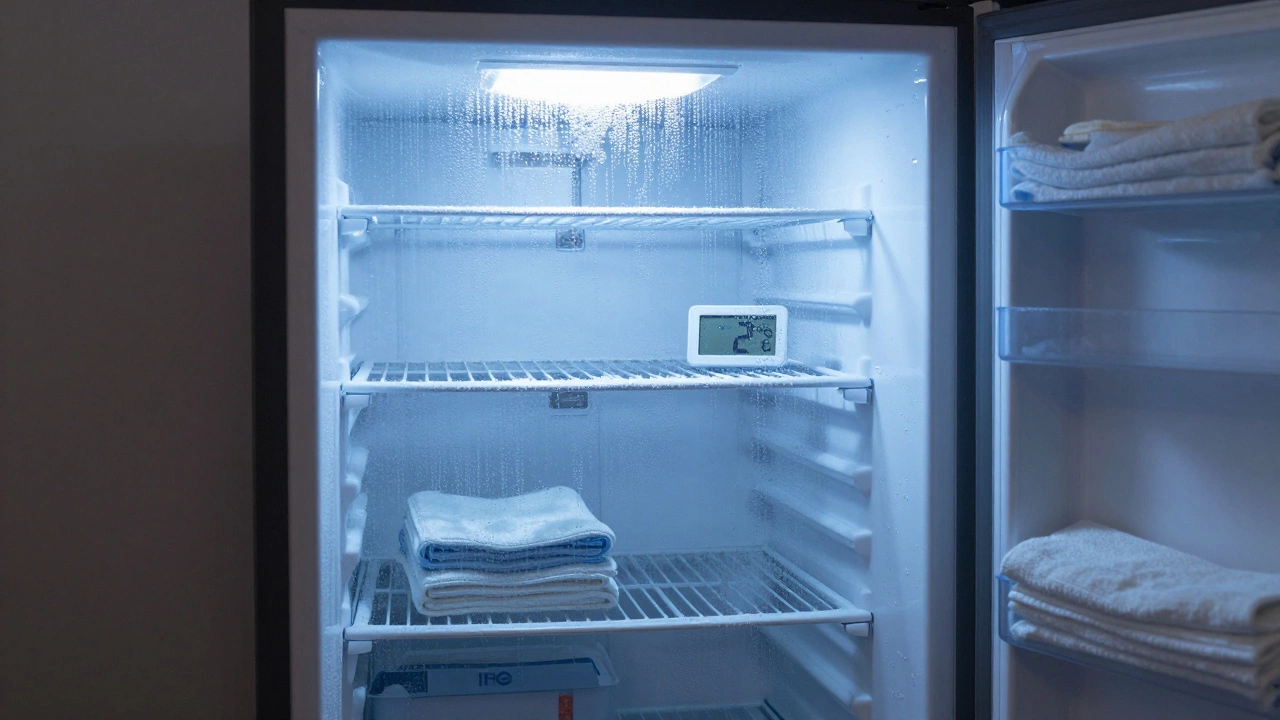
When your freezer, a household appliance designed to keep food frozen at or below 0°F (-18°C). Also known as deep freezer, it’s one of the most relied-on pieces of equipment in your kitchen. suddenly stops working, it’s not just an inconvenience—it’s a threat to your food, your budget, and your peace of mind. Most people assume a broken freezer means a costly replacement, but the truth is, nearly 70% of freezer failures are fixable with a simple check or part swap. The issue isn’t always the compressor or the coolant. Often, it’s something you can spot yourself: a clogged condenser coil, a faulty door seal, or a thermostat that’s gone haywire.
What you’re dealing with is usually one of three things: freezer thermostat, a control device that regulates temperature by turning the compressor on and off, freezer compressor, the heart of the cooling system that circulates refrigerant, or freezer condenser coils, dust-covered metal tubes that release heat from the refrigerant. If the thermostat is stuck, the freezer won’t kick on—even if everything else works. A failing compressor might hum but not cool. Dirty coils? They’re like a clogged lung—your freezer can’t breathe, so it shuts down to protect itself. None of these require a full unit swap. And if your freezer is under 10 years old, repair is almost always cheaper than replacement.
You might be tempted to blame the power outage, the door being left open, or even bad luck. But the real cause is usually neglect. Most people don’t clean the coils once a year, don’t check the door gasket for cracks, and ignore the warning signs—like frost buildup on the back wall or strange noises. These aren’t mysteries. They’re maintenance red flags. The good news? You don’t need a technician to diagnose most of these. A flashlight, a vacuum, and a multimeter can get you halfway there. The posts below cover exactly how to test your thermostat, check your compressor’s power draw, and clean coils without pulling the unit out from the wall. You’ll also find real-world examples of what failed in actual freezers—what part broke, how much it cost to fix, and whether the repair was worth it. No fluff. No guesswork. Just what actually works.
1 December 2025
·
0 Comments
When your freezer stops working, not all food is ruined. Learn how long frozen items stay safe, what to save or toss, and how to prevent future failures.
Read more