Thawed Food: When It’s Safe to Eat, Repair, or Replace Your Appliance
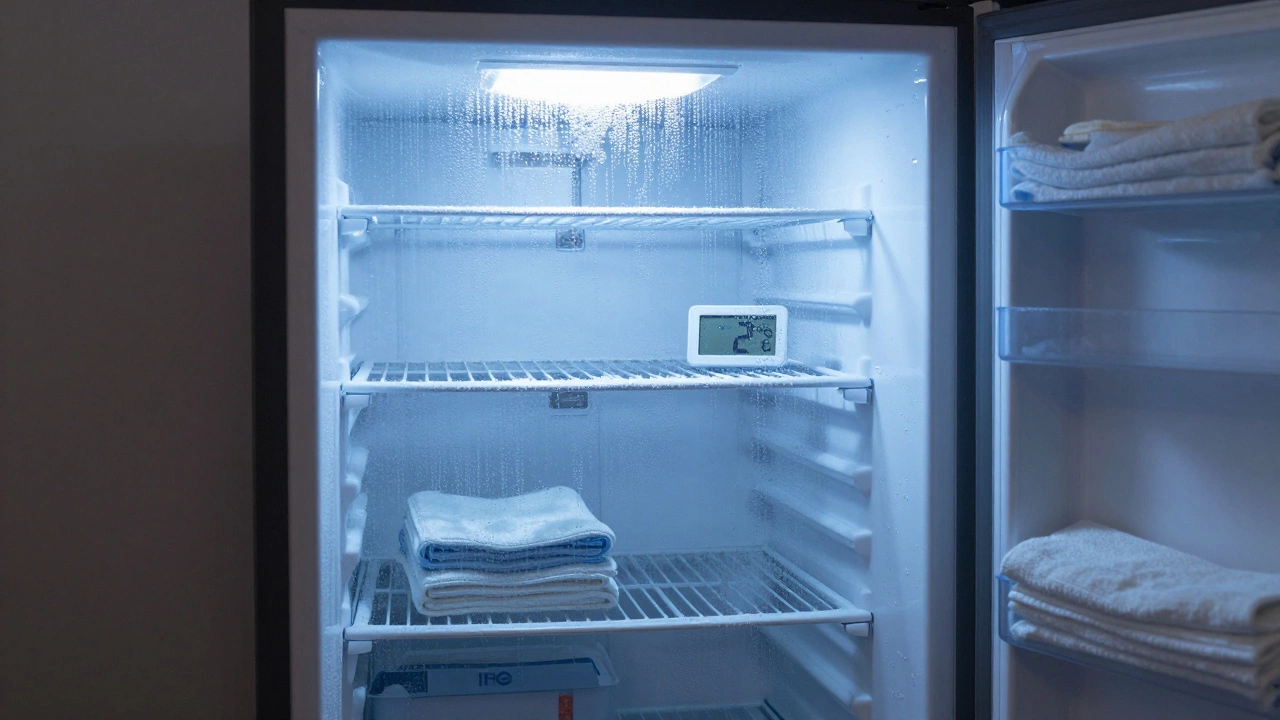
When your thawed food, food that has been frozen and then returned to a thawed state. Also known as defrosted food, it can be safe to eat—if your refrigerator is working right. But if your fridge’s temperature creeps above 40°F, that thawed food isn’t just risky—it’s a potential health hazard. A broken seal, dirty condenser coils, or a failing compressor can all turn your freezer into a warm storage unit overnight. And if you’ve found a bag of thawed chicken or a melted pint of ice cream, you’re not just dealing with waste—you might be dealing with a broken appliance.
Most people don’t realize that appliance temperature is the silent killer of frozen food. It’s not always the power outage. It’s not always the door left open. More often, it’s a slow, unnoticed decline in cooling performance. A fridge that’s 5 degrees too warm won’t scream for help—it’ll just let your meat sit in the danger zone for hours. That’s why knowing your appliance’s true temperature matters more than guessing. Use a standalone thermometer inside the fridge and freezer. If the freezer is above 0°F, or the fridge is above 40°F, you’re not just risking food—you’re risking a bigger repair bill down the line. And if you’ve had multiple thawed food incidents, it’s not coincidence. It’s a sign your cooling system is failing.
Some folks think they can just re-freeze thawed food and call it a day. But that’s not how it works. If the food stayed below 40°F for less than two hours, you can safely cook and re-freeze it. Beyond that? Pitch it. No exceptions. And if this keeps happening, don’t just blame yourself. Check the seals, clean the vents, test the thermostat. If those don’t fix it, you’re looking at a compressor or evaporator fan issue—and those aren’t DIY fixes. A professional repair could save you hundreds compared to replacing the whole unit, especially if your fridge is under 8 years old. But if it’s older, and the repair costs more than half the price of a new one? It’s time to think about replacement. The real cost of thawed food isn’t just the groceries you lost. It’s the stress, the risk, and the repeated mistakes that come with a failing appliance.
Below, you’ll find real-world advice from people who’ve been there—how to tell if your fridge is the problem, what repairs actually fix thawed food issues, and when it’s smarter to walk away. No fluff. No guesses. Just what works.
1 December 2025
·
0 Comments
When your freezer stops working, not all food is ruined. Learn how long frozen items stay safe, what to save or toss, and how to prevent future failures.
Read more