Appliance Repair vs. Replace Calculator
The General Rule
If the repair costs more than 50% of a new unit's price, consider replacement.
Older models also consume more energy. However, if the appliance is less than 7 years old and the repair is minor, fixing it is usually more economical.
Your washing machine stops spinning. Your fridge hums but doesn’t cool. You’re stuck with a pile of laundry and warm milk. That’s when you call an appliance technician. But what exactly happens after they arrive? It isn’t just swapping out a broken part. It is a mix of detective work, electrical knowledge, and mechanical skill.
In New Zealand, where household expectations are high and energy costs matter, understanding this role helps you hire the right person and avoid getting ripped off. Let’s break down the daily reality of an appliance technician, from the tools in their van to the safety codes they follow.
The Detective Work: Diagnosis Before Repair
Most people think repair starts with a wrench. In reality, it starts with questions. An experienced technician knows that a "broken" dryer might just have a clogged lint filter or a tripped thermal fuse. The first job is identifying the root cause, not just the symptom.
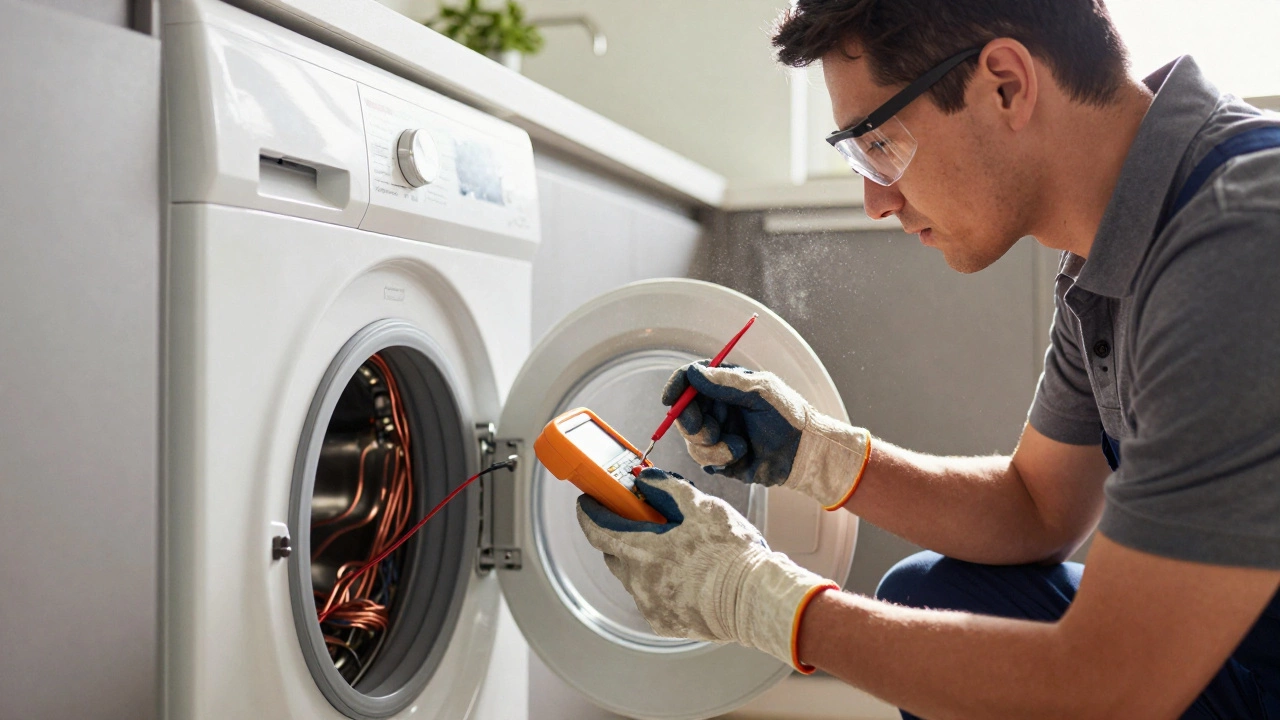
Diagnostic Process involves systematic troubleshooting using multimeters, visual inspection, and error code analysis to identify the specific component failure within a home appliance. This process prevents unnecessary part replacements and ensures long-term reliability.
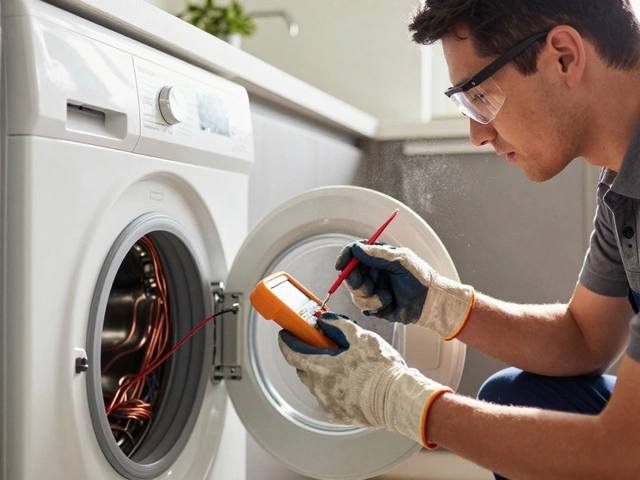
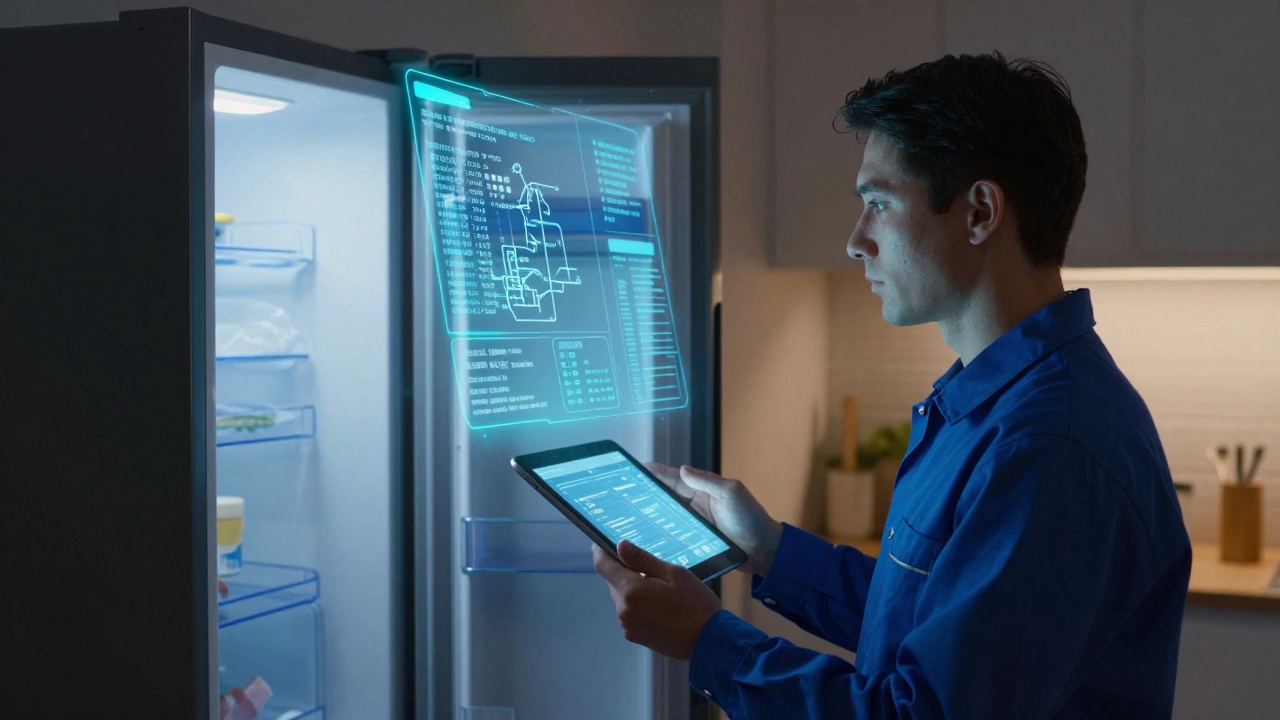
Technicians use multimeters to check voltage and continuity. They look for burnt wires, worn belts, or failed capacitors. For modern smart appliances, they often connect laptops to read error codes stored in the control board memory. This step is crucial because replacing a motor when the problem is actually a faulty sensor wastes money and time.
- Visual Inspection: Checking for obvious damage like cracks, leaks, or burnt smells.
- Electrical Testing: Using meters to verify power flow and component resistance.
- Error Code Reading: Deciphering digital displays on washers, dryers, and ovens.
- Functional Tests: Running cycles to observe behavior under load.
If the diagnosis is unclear, a good technician will explain why they need more time or parts. They won’t guess. Guessing leads to callbacks, which hurt their reputation and your wallet.
Core Skills Beyond Turning Screws
An appliance technician needs a diverse skill set. It is not enough to know how to take things apart. You need to understand how electricity, gas, water, and refrigeration systems interact.
Electrical Knowledge is fundamental. Appliances run on mains power (230V in NZ) or low-voltage DC circuits for controls. Technicians must read wiring diagrams, which can be complex for modern machines. They need to understand phase, neutral, and earth connections to avoid shocks or fires.
Mechanical Aptitude allows them to handle gears, motors, pumps, and door latches. A washing machine drum bearing replacement requires precision alignment. If it’s off by a millimeter, the machine will vibrate itself apart during spin cycles.
Refrigeration Basics are essential for fridges and freezers. Technicians must understand pressure, temperature, and refrigerant types (like R134a or R600a). They need to know how to recover old gas legally and charge new systems correctly. Mishandling refrigerants is illegal and harmful to the environment.
Gas Safety applies to cooktops, ovens, and heaters. In Wellington, many homes still use natural gas. Technicians must test for leaks using soap solution or electronic detectors. They must ensure combustion is complete to prevent carbon monoxide buildup, which is deadly.
Tools of the Trade
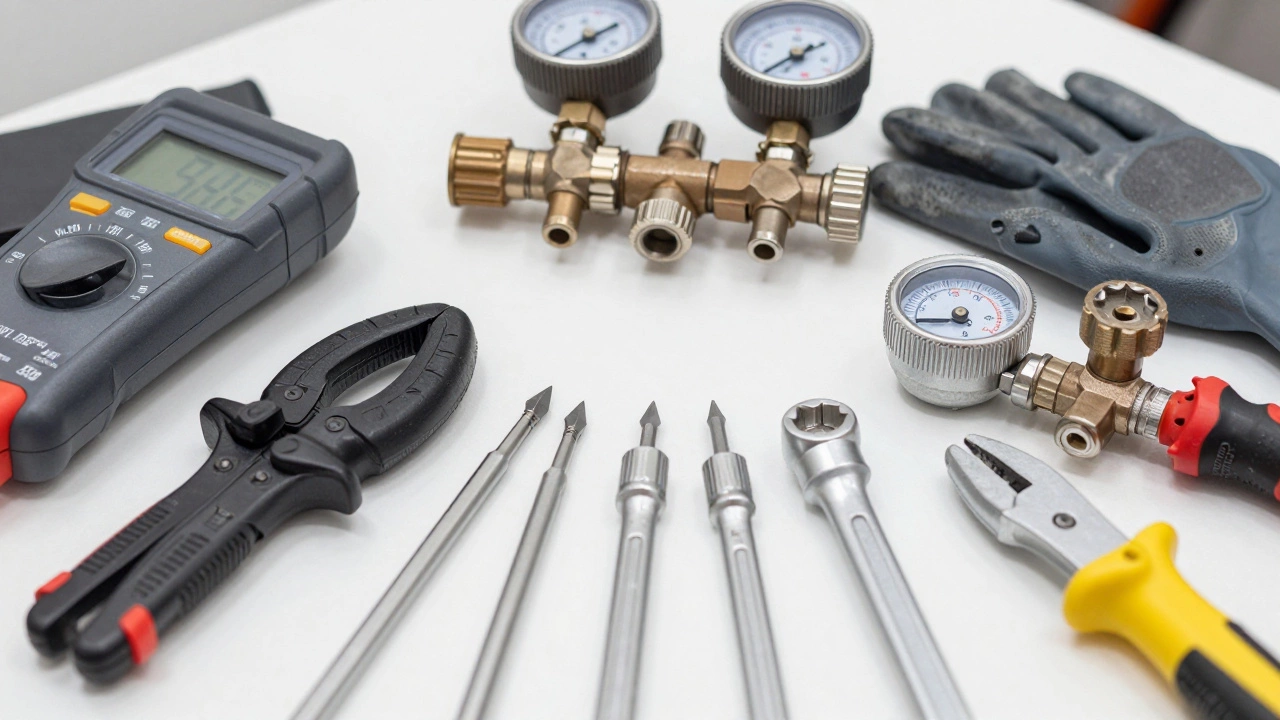
A professional’s van looks like a mobile workshop. Here are the essentials you’ll see:
| Tool Category | Specific Items | Primary Use | |||
|---|---|---|---|---|---|
| Electrical | Digital Multimeter, Clamp Meter | Measuring voltage, current, and resistance | |||
| Mechanical | Screwdriver Set, Socket Wrenches, Pliers | Disassembly and reassembly of components | Leak Detection | Soap Solution, Electronic Sniffers | Finding gas or refrigerant leaks |
| Specialized | Manifold Gauges, Vacuum Pump | Refrigerant charging and system evacuation | |||
| Diagnostics | Laptop with Software, Error Code Charts | Reading board data and manufacturer guides |
Having the right tool saves hours. Trying to remove a rusted bolt with the wrong size socket strips the head, making removal much harder. Professionals carry specialized tools like belt tensioners for dryers or manifold sets for fridges.
Safety and Compliance in New Zealand
Working on appliances carries risks. Electric shock, burns, and exposure to hazardous gases are real dangers. Technicians follow strict safety protocols.
In New Zealand, compliance with WorkSafe regulations is mandatory. This includes wearing personal protective equipment (PPE) like insulated gloves and safety glasses. When working on gas appliances, technicians must hold a Gaswork License issued by WorkSafe. This license proves they have passed exams on installation, maintenance, and safety checks.
For electrical work, while minor repairs don’t always require a licensed electrician, major modifications to fixed wiring do. Technicians know the boundary between what they can fix and when to call an electrician. This distinction protects homeowners from voided insurance claims.
Refrigerant handling requires certification under the Ozone Layer Protection Act. Only certified technicians can buy, transport, and recharge refrigerants. This ensures no harmful gases escape into the atmosphere.
Common Repairs and Scenarios
What do these technicians actually fix day-to-day? Here are typical jobs:
- Washing Machine Not Draining: Often caused by a blocked pump filter or a kinked hose. Sometimes the drain motor fails. The technician cleans the filter, checks the hose path, and tests the motor.
- Fridge Making Noise: Could be a failing evaporator fan motor or a compressor issue. The technician listens to the sound location, checks airflow, and measures amperage draw on the compressor.
- Oven Not Heating: Usually a broken heating element or a faulty thermostat. Visual inspection shows if the element has holes. Multimeter testing confirms if the element has continuity.
- Dryer Taking Too Long: Likely a venting problem. Lint builds up in the ductwork, restricting airflow. The technician disconnects the vent, cleans it, and checks the external flap for proper opening.
- Dishwasher Leaking: Often a worn door seal or a cracked tub. The technician inspects the gasket for tears, checks spray arms for blockages, and runs a leak test.
Each scenario requires specific knowledge. A general handyman might guess; a technician diagnoses based on evidence.
When to Call a Pro vs. DIY
Not every issue needs a technician. Simple tasks like cleaning filters, unclogging drains, or resetting breakers are safe for homeowners. However, involve a pro when:
- You smell gas. Evacuate immediately and call Gas Safe NZ.
- The appliance sparks or smokes. Turn off power at the switchboard.
- You need to open sealed refrigeration lines. This requires special tools and licenses.
- The repair involves high-voltage components inside the main board.
- The appliance is under warranty. DIY repairs often void warranties.
Trying to fix a complex electronic control board without schematics usually ends in frustration. You might replace the wrong part, leading to higher costs later.
The Future of Appliance Repair
Technology is changing the job. Smart appliances send data directly to manufacturers. Some brands now restrict access to diagnostics, requiring proprietary software only available to authorized service centers. This trend challenges independent technicians who rely on universal tools.
However, demand remains strong. People prefer repairing over replacing due to cost and environmental concerns. The "right to repair" movement pushes for better access to parts and manuals. In response, some technicians are upskilling in electronics and software diagnostics to stay relevant.
Eco-friendly refrigerants and energy-efficient motors are becoming standard. Technicians must learn new techniques for handling these components. For example, R600a is flammable, requiring extra care during installation compared to older non-flammable gases.
Choosing the Right Technician
How do you pick someone trustworthy? Look for:
- Certifications: Gaswork License, Refrigerant Handling Certificate.
- Insurance: Public liability coverage protects you if something goes wrong.
- Reviews: Check feedback on platforms like HiPages or local community groups.
- Transparency: Clear quotes before starting work. No hidden fees.
- Warranty: Guarantee on both parts and labor for at least 90 days.
Avoid anyone who demands cash upfront without a receipt or refuses to provide a written estimate. Professionalism matters as much as technical skill.
Do I need a licensed electrician for appliance repairs?
Generally, no. Appliance technicians can repair internal wiring and components of portable appliances. However, if the repair involves modifying the fixed wiring in your wall outlet or circuit breaker, you must hire a licensed electrician in New Zealand. Always ask the technician about the scope of work before they start.
How much does an appliance technician charge in Wellington?
Call-out fees typically range from $80 to $120. Hourly rates vary between $90 and $150 depending on experience and specialization. Complex repairs involving refrigeration or gas may cost more due to licensing requirements. Always request a detailed quote including parts and labor before authorizing work.
Is it worth repairing an old appliance?
It depends on the age and cost. As a rule of thumb, if the repair costs more than 50% of a new unit's price, consider replacement. Older models also consume more energy. However, if the appliance is less than 7 years old and the repair is minor, fixing it is usually more economical and environmentally friendly.
What should I do if my appliance leaks gas?
Evacuate the area immediately. Do not turn lights on or off, as sparks can ignite the gas. Open windows if safe to do so on your way out. Call Gas Safe NZ from outside the house. Never attempt to find or fix a gas leak yourself. Wait for a licensed gasworker to inspect and repair the system.
Can I reset my own appliance error codes?
Yes, for simple issues. Unplugging the appliance for 5-10 minutes often clears temporary glitches. Some models have specific button combinations for resets, listed in the user manual. However, if the error code returns immediately after resetting, there is likely a hardware fault that requires professional diagnosis.