Freezer Failure & Food Safety Checker
Diagnose the Problem
Answer these questions to identify the likely cause of your freezer failure.
Food Safety Check
Determine if your food is still safe to eat based on USDA guidelines.
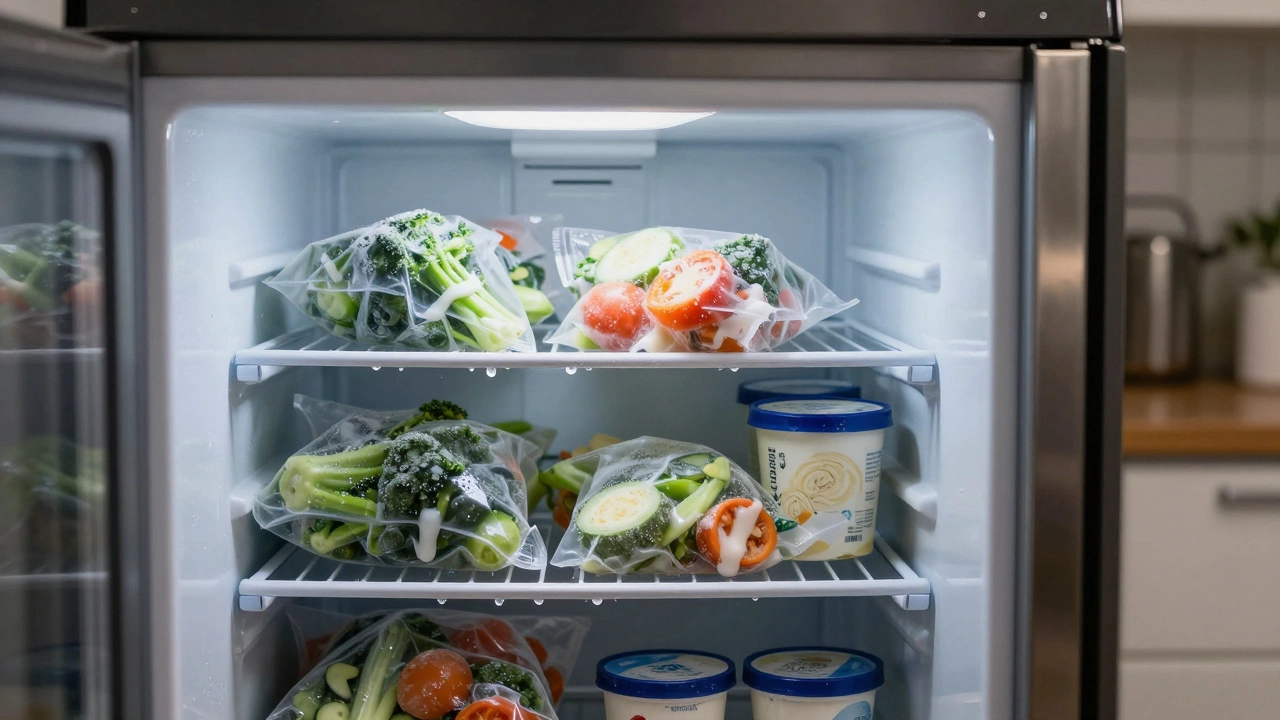
Your freezer hums along quietly for years, then one morning you open the door to find soft ice cream and slushy vegetables. Panic sets in immediately. You have hours of perishable goods at risk, a potential mess waiting to happen if they thaw completely, and a bill looming if you need a professional fix. But before you call a technician or toss everything into the bin, you need to understand exactly what is going on inside that metal box.
When a freezer is a storage appliance designed to maintain temperatures below 0°C (32°F) to preserve food by slowing bacterial growth stops freezing, it is rarely a catastrophic failure of the entire unit. In most cases, the compressor is still running, but something is blocking the heat exchange process or preventing cold air from circulating. Identifying the specific symptom can save you hundreds of dollars in unnecessary service calls.
Quick Takeaways
- Check the temperature first: If it’s above -18°C (0°F), act fast to save your food.
- Ice buildup is the #1 culprit: Frost on the back wall usually means a failed defrost system, not a broken compressor.
- Listen to the sounds: A silent freezer often has a power issue; a humming freezer with no cold air likely has a fan or seal problem.
- Food safety rule: Discard any food that has been above 4°C (40°F) for more than two hours.
- DIY vs. Pro: You can clean coils and check seals yourself; refrigerant leaks and board repairs require a certified technician.
The Immediate Triage: Saving Your Food
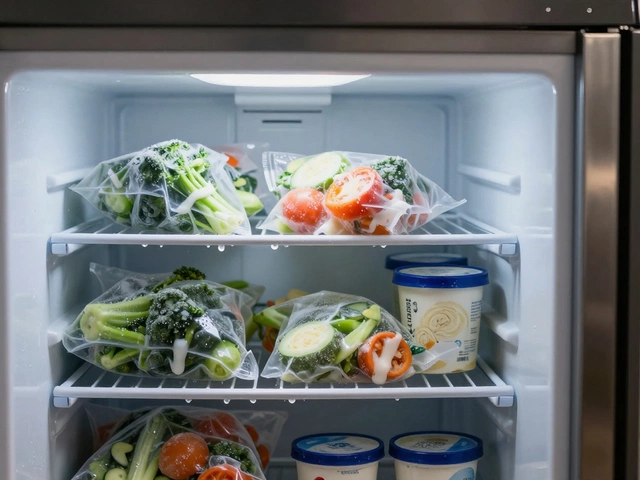
Before you grab a screwdriver, you need to assess the damage. The clock starts ticking the moment the temperature rises. Bacteria like Listeria and E. coli multiply rapidly between 4°C and 60°C. If your freezer has lost power due to an outage, the U.S. Department of Agriculture states that a full freezer will hold safe temperatures for about 48 hours if unopened, while a half-full freezer lasts only 24 hours. However, if the unit is plugged in but simply not cooling, the warm-up happens much faster-often within 4 to 6 hours depending on ambient room temperature.
Here is your action plan:
- Minimize door openings: Every time you open the door, you let warm, moist air in, which accelerates thawing and creates more frost later.
- Transfer to coolers: Move high-value items like meat and dairy into insulated coolers with ice packs. Keep them closed as much as possible.
- Check internal temps: Use an appliance thermometer. If the internal temp is below 4°C (40°F), you might be able to refreeze the food once the unit is fixed, though quality may suffer.
- Discard if necessary: If food has visible signs of spoilage, unusual odor, or has been above 4°C for over two hours, throw it out. It is not worth the risk of food poisoning.
Diagnosing the Silence: Power and Settings
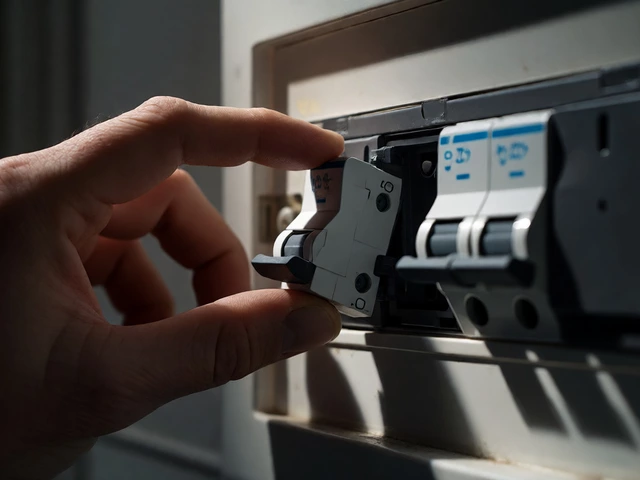
Sometimes the answer is embarrassingly simple. Before assuming a mechanical failure, verify the basics. Check the circuit breaker or GFCI outlet. Freezers are often plugged into shared outlets in garages or basements where tripping is common. If the display panel is blank, the issue is electrical. If the light turns on but it isn’t cold, the control board is receiving power, which narrows down the list significantly.
Next, look at the temperature dial. Did someone accidentally bump the setting to "Off" or a warmer setting? Digital displays can sometimes glitch after a power surge, resetting to default modes. Resetting the control board by unplugging the unit for 60 seconds can clear these software hiccups. This hard reset forces the main control board to reboot its logic cycles, often resolving temporary sensor errors.
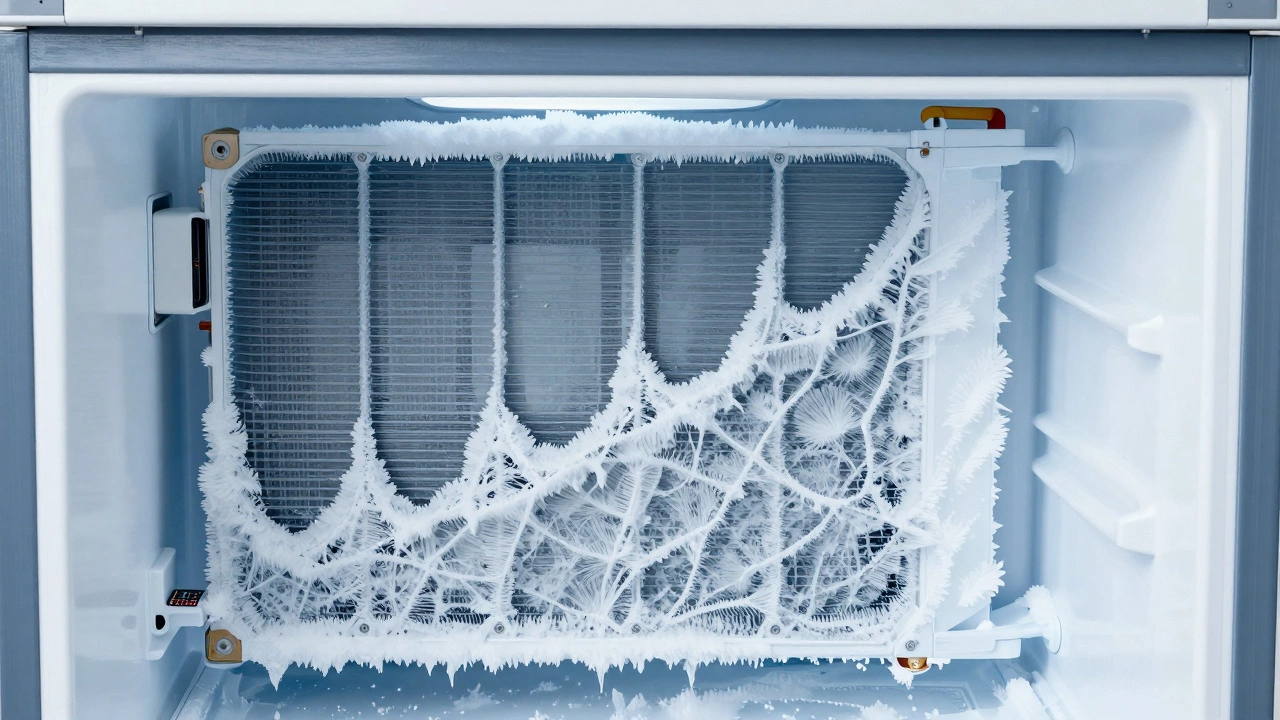
The Frost Problem: Defrost System Failures
If your freezer is making noise but the back wall is covered in thick ice, you are likely dealing with a defrost system failure. Modern freezers use an automatic defrost cycle to melt frost buildup on the evaporator coils are metal tubes located behind the rear interior wall of the freezer where refrigerant absorbs heat from the air. Without this melting process, ice acts as an insulator, blocking cold air from reaching the rest of the compartment.
Three components make up this system, and any one of them can fail:
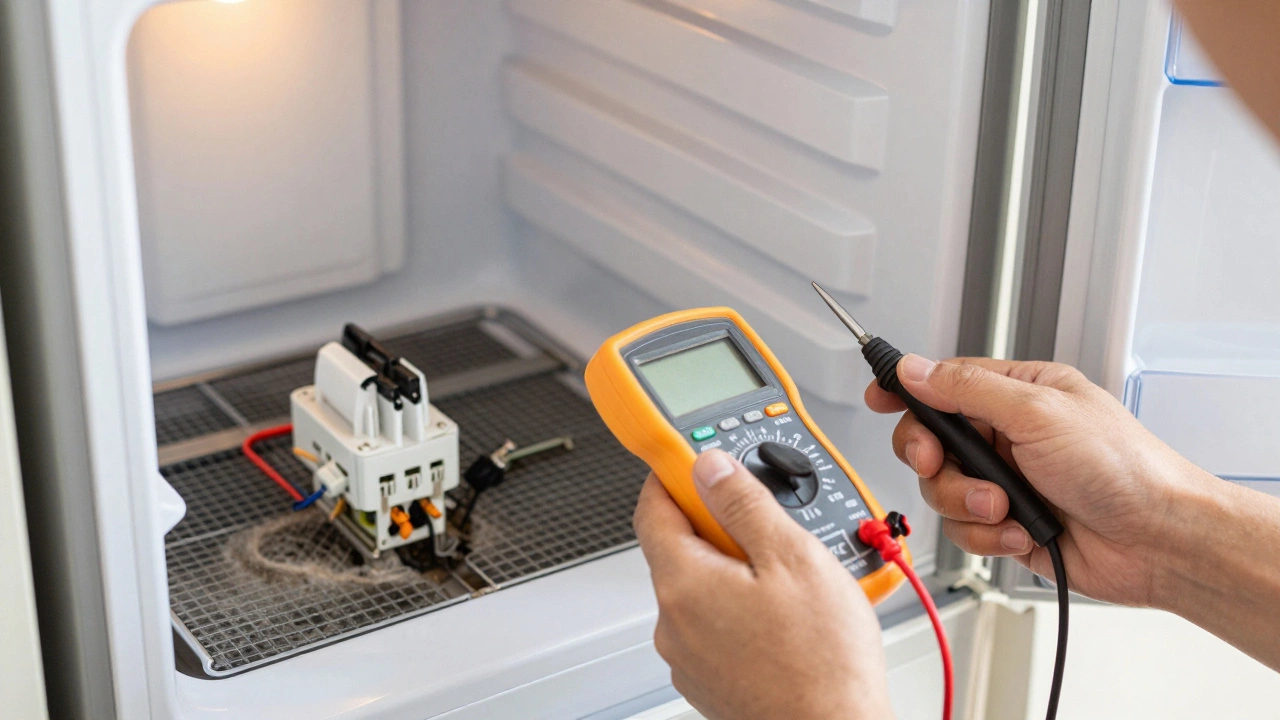
- The Defrost Heater: This heating element warms the coils during the defrost cycle. If it burns out, frost accumulates unchecked. You can test this with a multimeter for continuity. If there is no reading, replace the heater.
- The Defrost Thermostat (Bi-metal): This safety switch cuts power to the heater once the ice melts. If it fails open, the heater never turns on. If it fails closed, the heater runs continuously, potentially melting plastic parts.
- The Main Control Board: In some models, the board sends the signal to start the defrost cycle. If the timer or logic module fails, the cycle never initiates.
A tell-tale sign of this issue is that the refrigerator section (if it’s a combo unit) might also stop cooling because the cold air originates from the freezer. You’ll hear the compressor running constantly, trying to compensate for the blocked airflow.
Airflow Issues: Fans and Vents
Cold air needs to move. If your freezer has an evaporator fan motor is an electric motor that circulates cold air from the evaporator coils throughout the freezer and refrigerator compartments, listen closely. You should hear a gentle whirring sound when the compressor is running. If the compressor is humming but the fan is silent, the motor may be seized, or the blades are obstructed by ice.
Ice buildup around the fan blade is a secondary effect of the defrost issues mentioned earlier, but it can also happen if the damper is stuck. The damper controls how much cold air flows from the freezer to the fridge. If it freezes shut, the fan might struggle against the resistance, causing noise or failure.
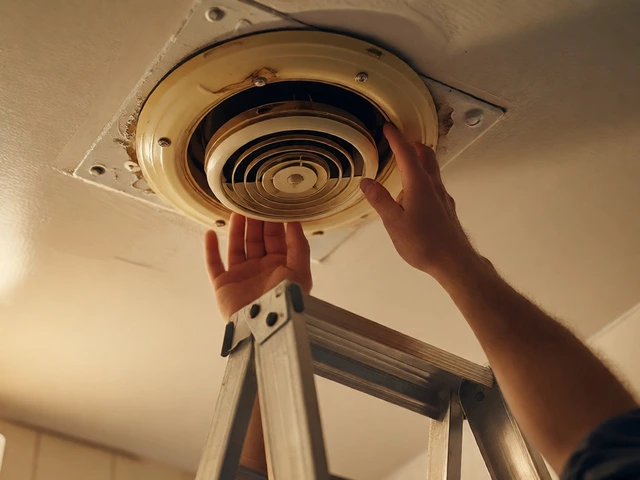
Another airflow killer is user error. Overpacking the freezer blocks the air vents. Cold air sinks and needs space to circulate. If you’ve stacked boxes right up against the back wall or filled every inch of space, you’re creating dead zones where food thaws while other areas remain frozen. Pull everything out, rearrange for airflow, and see if temperatures stabilize.
Seals and Insulation: The Silent Leaks
Run your hand around the edge of the freezer door. Do you feel a draft? The door gasket (seal) is a rubber barrier that keeps warm, humid air out. Over time, rubber cracks, tears, or loses its magnetic grip. Even a small gap allows moisture to enter, which instantly turns into frost on the cold coils, triggering the defrost problems described above.
To test the seal, close the door on a dollar bill. If you can pull the bill out easily without resistance, the seal is weak. Clean the gasket with warm soapy water to remove grime that prevents sealing, or replace it entirely. Replacement gaskets are inexpensive and widely available for most major brands. This is one of the few repairs that pays for itself quickly by reducing energy consumption and preventing ice buildup.
Compressor and Refrigerant: The Serious Stuff
If the fans are working, the defrost system is clear, and the seals are tight, but the unit is still warm, you may have a compressor or refrigerant issue. The compressor is the heart of the refrigeration system that pumps refrigerant through the coils to absorb and release heat is located at the bottom rear of the unit. It should vibrate slightly and feel warm to the touch when running.
If the compressor clicks but doesn’t stay on, the start relay or overload protector might be faulty. These are cheap parts that can be swapped out. However, if the compressor is hot and loud but not cooling, or if you see oil stains near the lines, you likely have a refrigerant leak. Refrigerant systems are sealed; they do not "use up" gas. A leak means a puncture in the coil, which requires brazing and recharging. This is almost always a job for a professional, and often, if the unit is older than 10 years, it’s more cost-effective to replace the appliance than to repair a leak.
Preventative Maintenance Checklist
Most freezer failures are preventable with basic upkeep. Here is a routine to keep your unit running efficiently:
- Clean Condenser Coils: Located either behind the kickplate or on the back, these coils get dusty. Dust acts as insulation, forcing the compressor to work harder. Vacuum them every 6 months.
- Inspect Door Seals: Check for cracks and drafts quarterly.
- Monitor Temperature: Keep a standalone thermometer in the freezer. Aim for -18°C (0°F). If it drifts higher, investigate immediately rather than waiting for food to spoil.
- Don’t Overfill: Leave space for air circulation, especially after large grocery hauls.
- Defrost Manual Units: If you have an older manual-defrost model, don’t wait until ice is 1cm thick. Defrost it regularly to maintain efficiency.
How long does food last in a freezer that stops working?
It depends on how full the freezer is and whether the door was opened. A fully stocked, unopened freezer can keep food safe for up to 48 hours. A half-full freezer lasts about 24 hours. Once the internal temperature rises above 4°C (40°F) for more than two hours, perishable foods like meat, poultry, fish, eggs, and leftovers should be discarded.
Can I refreeze food that has partially thawed?
Yes, if the food still contains ice crystals or is at 4°C (40°F) or below. You can refreeze it safely, although the quality may degrade due to moisture loss during thawing. Cooked foods that have thawed can be refrozen, but raw meats should ideally be cooked before refreezing to maintain texture and safety.
Why is my freezer making a buzzing noise but not cooling?
A buzzing noise often indicates that the compressor is trying to start but failing, usually due to a bad start relay or capacitor. Alternatively, if the noise is coming from the top or back, it could be the evaporator fan motor struggling against ice buildup. Check for ice blockages first, as this is the most common and easiest fix.
Is it worth repairing an old freezer that won't freeze?
If the repair cost exceeds 50% of the price of a new, energy-efficient model, replacement is usually better. Older units consume significantly more electricity. Simple fixes like replacing a thermostat, fan motor, or door seal are cost-effective. Complex repairs involving the compressor or refrigerant leaks are rarely worth it for units older than 10 years.
How do I know if my defrost heater is broken?
Signs include excessive frost buildup on the back wall of the freezer, the compressor running continuously, and the freezer not getting cold despite the fridge section being okay. To confirm, you need to unplug the unit, remove the back panel, and test the heater with a multimeter for continuity. No reading means the heater is dead.