Repair or Replace Decision Tool
Enter details about your broken appliance below. The tool will analyze the financial logic using industry standards.
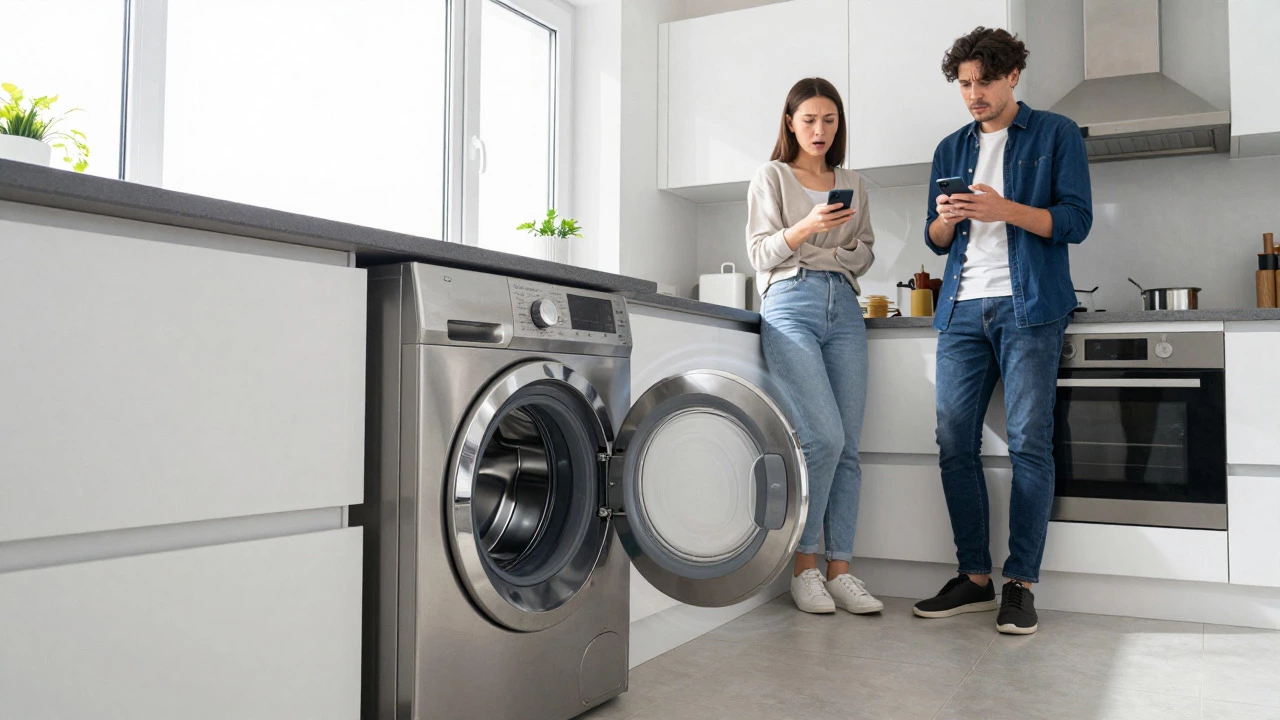
Picture this: You’re standing in your kitchen, staring at a washing machine that just started making a noise like a blender full of gravel. You call someone for help. They ask, "Is it a major or minor appliance?" It sounds like a technical distinction, but it actually dictates how much you pay, who fixes it, and whether you need to book weeks in advance. So, what is an appliance considered?
At its simplest, an appliance is any device designed to perform a specific household task using electricity, gas, or water. But in the world of service and repair, that definition splits into two very different camps: major appliances (often called white goods) and minor appliances. Understanding where your broken item falls on this spectrum is the first step to getting it fixed without overpaying.
The Two Main Categories of Appliances
When technicians talk about appliances, they aren’t just listing gadgets. They are categorizing them by installation complexity, size, and utility connection. This distinction matters because it changes everything from the tools needed to fix them to the licensing required for the repair person.
Major Appliances (White Goods)
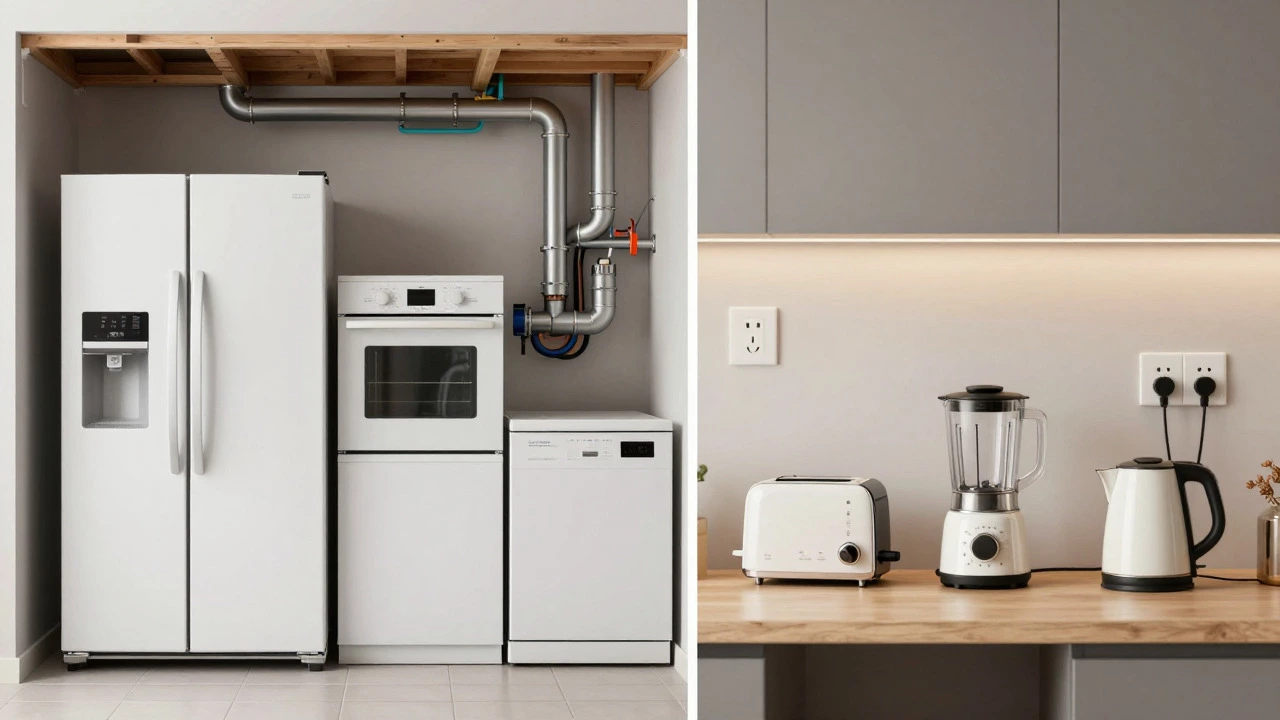
Major appliances, commonly referred to as white goods, are the heavy hitters of the home. These are typically large, expensive machines that are permanently installed or require professional setup. They usually connect directly to your home’s plumbing, electrical wiring, or gas lines.
You can identify a major appliance by asking one question: "If I unplugged it, would my daily life grind to a halt?" If the answer is yes, it’s likely a major appliance. Common examples include:
- Refrigerators and Freezers: These run 24/7 and maintain precise temperatures. A failure here means spoiled food and emergency calls.
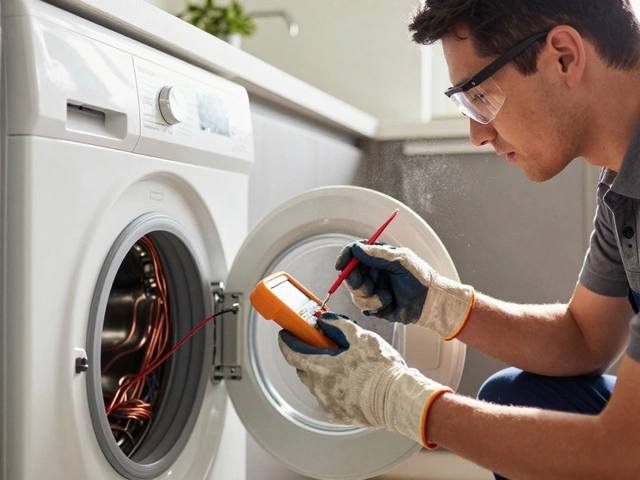
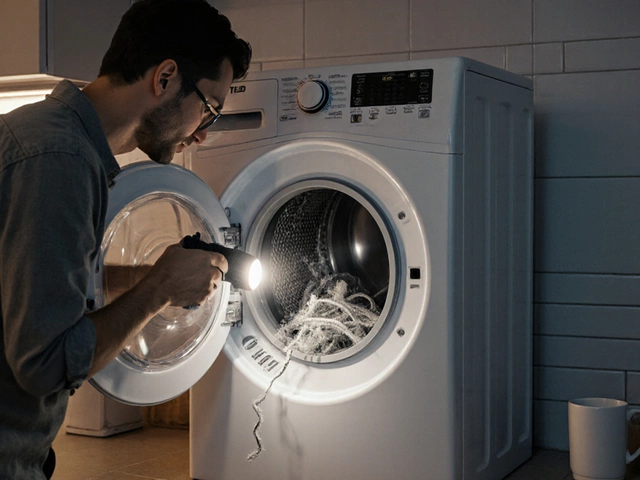
- Washing Machines and Dryers: These handle water drainage and high-voltage heating elements. In many regions, including New Zealand, improper installation can void insurance due to flood risks.
- Ovens and Cooktops: Especially gas models, which require certified plumbers or electricians for safety checks.
- Dishwashers: Connected to both water supply and drainage systems.
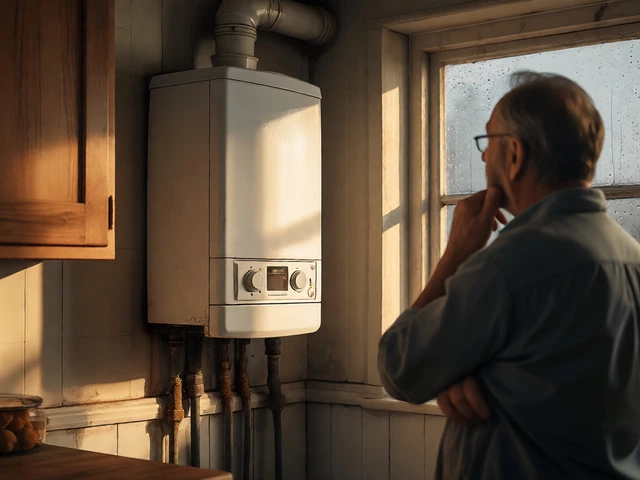
- Water Heaters and Boilers: Critical for hot water and heating, often involving complex pressure systems.
Because these units are integral to the home’s infrastructure, repairs often involve specialized parts and diagnostic software. You don’t just swap out a belt; you might be dealing with control boards, compressors, or gas valves.
Minor Appliances (Small Appliances)
On the other end of the spectrum are minor appliances, also known as small appliances or brown goods. These are portable, plug-in devices that perform specific tasks but aren’t essential for basic home survival.
Think of the toaster on your counter, the blender in the corner, or the vacuum cleaner under the stairs. Key characteristics of minor appliances include:
- Portability: You can move them from room to room.
- Plug-and-Play: They use standard wall outlets and rarely require permanent installation.
- Lower Cost: While some high-end coffee machines cost hundreds of dollars, most are significantly cheaper than a fridge.
- Shorter Lifespan: Due to less robust construction, they often wear out faster.
Examples include microwaves, air fryers, hand vacuums, electric kettles, and stand mixers. When these break, the decision isn’t always to repair. Often, the cost of labor exceeds the value of the device, leading consumers to replace rather than fix.
Why the Distinction Matters for Repairs
If you’ve ever wondered why a technician charges $150 just to show up for a toaster check, or why your fridge repair took three days to schedule, it comes down to this classification. The industry treats major and minor appliances differently in terms of logistics, expertise, and economics.
| Feature | Major Appliances | Minor Appliances |
|---|---|---|
| Installation | Often requires professional setup (plumbing/electrical) | User-installed, plug-in only |
| Lifespan | 10-20 years | 3-7 years |
| Repair Cost | High ($100-$400+ per visit) | Low to Moderate ($50-$150) |
| Technician Skill | Certified specialists (gas, electric, refrigeration) | General electronics repair |
| Replacement Frequency | Rare (due to cost and effort) | Frequent (due to low cost and trends) |
For major appliances, the investment is significant. A new refrigerator can cost between $1,000 and $3,000. Replacing it involves hauling away the old unit, potentially modifying cabinetry, and installing the new one. Therefore, repairing a $2,000 fridge for $200 makes financial sense. For a $80 blender, spending $60 on a repair kit doesn’t. That’s why many repair shops focus exclusively on major appliances-they offer better margins and more consistent work.
Hidden Categories: Built-In and Smart Appliances
The line between major and minor isn’t always clear-cut. Modern homes have introduced new categories that blur these definitions.
Built-In Appliances
Built-in ovens, cooktops, and dishwashers look like major appliances because they’re installed into cabinets. However, their repair process differs from freestanding models. Because they’re integrated into the home’s structure, removing them for diagnosis takes longer. Technicians must disconnect power, water, and sometimes gas lines within tight spaces. This increases labor time and cost, even if the internal components are similar to freestanding versions.
Smart Appliances
Smart appliances add another layer of complexity. These are traditional major appliances-like Wi-Fi-enabled fridges or app-controlled washing machines-that incorporate computing technology.
When a smart appliance fails, is it a mechanical issue or a software glitch? Sometimes, a "broken" feature is just a firmware bug. Repair technicians now need IT skills alongside mechanical knowledge. They might reset network settings, update firmware, or replace control boards that communicate with cloud servers. This hybrid nature means smart appliances often fall into a premium repair tier, requiring specialized diagnostics.
How to Decide: Repair or Replace?
Knowing what an appliance is considered helps you make smarter decisions when things go wrong. Here’s a practical framework used by professionals:
- Check the Age: If a major appliance is older than half its expected lifespan (e.g., a 10-year-old washer), consider replacement. Parts may become scarce, and efficiency has improved since then.
- The 50% Rule: If the repair cost exceeds 50% of the price of a new unit, buy new. This applies mostly to minor appliances and older major ones.
- Safety First: For gas appliances (ovens, boilers, heaters), never attempt DIY repairs. Gas leaks and carbon monoxide risks require certified professionals. Always prioritize safety over cost savings.
- Warranty Status: If the appliance is under warranty, contact the manufacturer first. Unauthorized repairs can void coverage.
- Frequency of Breakdowns: If you’ve repaired the same item twice in a year, it’s likely nearing the end of its useful life. Keep replacing it until it dies.
Maintenance Tips to Extend Appliance Life
Whether you have major or minor appliances, regular maintenance prevents costly breakdowns. Here’s what you can do yourself:
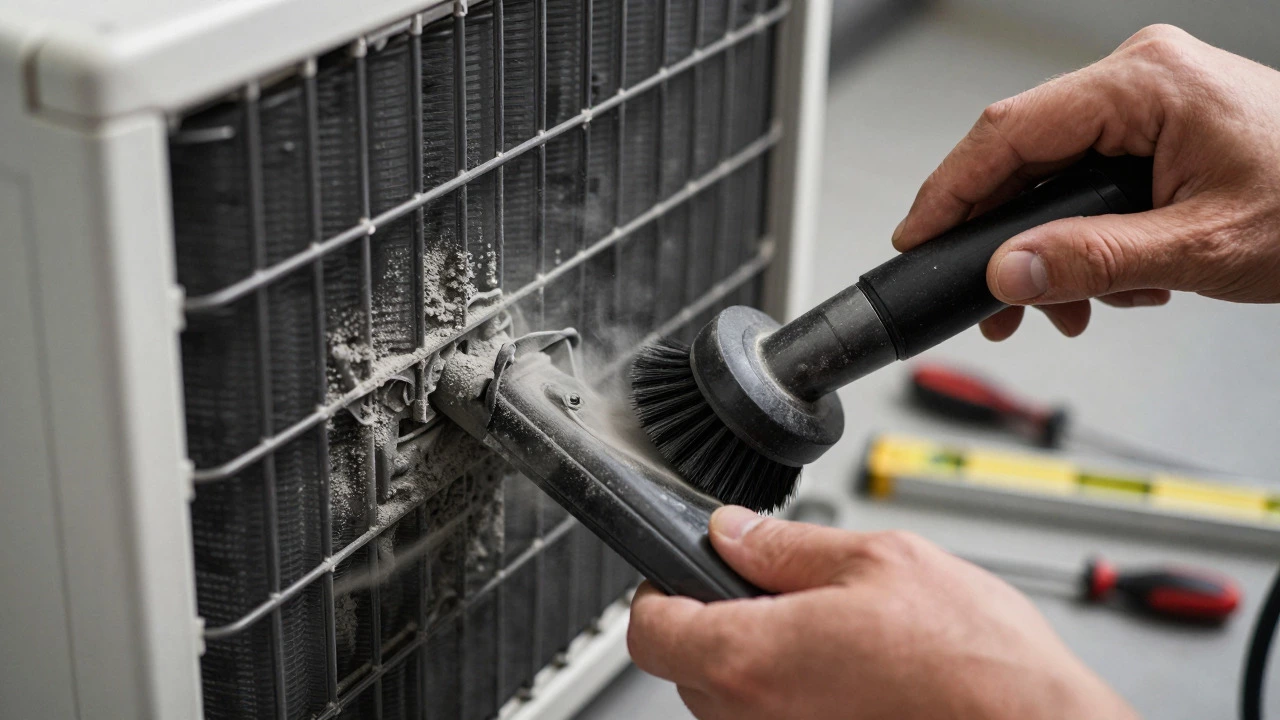
- Clean Condenser Coils: On fridges and dryers, dust buildup forces motors to work harder, leading to overheating and failure. Vacuum coils every six months.
- Descale Water-Using Devices: Dishwashers, coffee makers, and washing machines suffer from limescale. Use vinegar or citric acid monthly to keep interiors clean.
- Inspect Seals and Gaskets: Check door seals on fridges and ovens for cracks. Poor seals waste energy and strain compressors.
- Clear Filters: Washing machine lint filters and dryer vents should be cleaned after every few loads. Clogged vents cause fire hazards and motor burnout.
- Level Your Machines: Uneven washing machines vibrate excessively, damaging bearings and hoses. Use a level tool to adjust feet periodically.
These simple steps can add years to your appliance’s life, saving you money and reducing waste. Remember, prevention is cheaper than cure.
Common Misconceptions About Appliances
There are several myths that confuse consumers when deciding how to handle appliance issues.
Myth 1: All appliances are covered by home insurance. False. Most policies cover sudden accidental damage (like a burst pipe ruining your dishwasher) but not gradual wear and tear. Mechanical failures are usually excluded unless you have specific appliance insurance.
Myth 2: Expensive brands last longer. Not necessarily. While premium brands often use higher-quality materials, reliability varies by model, not just brand. A mid-range model from a reputable manufacturer may outlast a luxury brand with poor design choices.
Myth 3: You can fix anything with YouTube tutorials. Dangerous. While simple tasks like cleaning filters are safe, opening sealed refrigeration systems or gas lines requires certification. Incorrect handling can lead to injury, further damage, or voided warranties.
Is a microwave considered a major or minor appliance?
A microwave is generally considered a minor appliance. It is portable, plugs into a standard outlet, and doesn’t require permanent installation. However, built-in microwaves installed in cabinetry may be treated similarly to major appliances due to their integration into the home’s structure, though they still lack direct plumbing connections.
What is the average lifespan of a washing machine?
The average lifespan of a washing machine is 10 to 12 years with proper maintenance. Front-loading models tend to last slightly longer than top-loaders due to more efficient designs. Regular cleaning of filters and hoses can extend this lifespan significantly.
Do I need a licensed technician for all appliance repairs?
Not all repairs require licensing, but gas and electrical work often do. In many regions, including New Zealand, working on gas lines or hardwired electrical connections requires certified professionals. For minor appliances or simple electrical faults, general technicians may suffice, but always check local regulations.
Why are major appliances called "white goods"?
The term "white goods" originated because early major appliances like washing machines and refrigerators were predominantly white. Over time, despite color variations, the name stuck in the industry to distinguish large, durable household machines from smaller, colorful consumer electronics.
Can I repair a smart appliance myself?
Simple smart appliance issues like connectivity problems can often be resolved by resetting the device or updating firmware via the manufacturer’s app. However, hardware failures involving control boards or sensors usually require professional diagnosis due to complex software-hardware integration.
How often should I service my boiler?
Boilers should be serviced annually by a qualified technician. Regular servicing ensures efficient operation, detects potential gas leaks, and maintains warranty validity. Neglecting annual checks can lead to costly repairs and safety hazards.
Are built-in appliances harder to repair than freestanding ones?
Yes, built-in appliances are often harder to repair because they are integrated into cabinetry. Technicians must carefully disconnect utilities and remove panels without damaging surrounding structures. This increases labor time and cost compared to accessing easily removable freestanding units.
What should I do if my appliance is leaking water?
Immediately turn off the water supply and unplug the appliance. Inspect visible hoses and connections for obvious damage. If the leak persists, contact a professional technician. Ignoring water leaks can cause structural damage to your home and electrical hazards.
Understanding what an appliance is considered-whether major, minor, built-in, or smart-empowers you to make informed decisions about repair, replacement, and maintenance. By knowing the category, you can anticipate costs, choose the right technician, and extend the life of your home essentials. Don’t wait until disaster strikes; proactive care saves money and stress.